

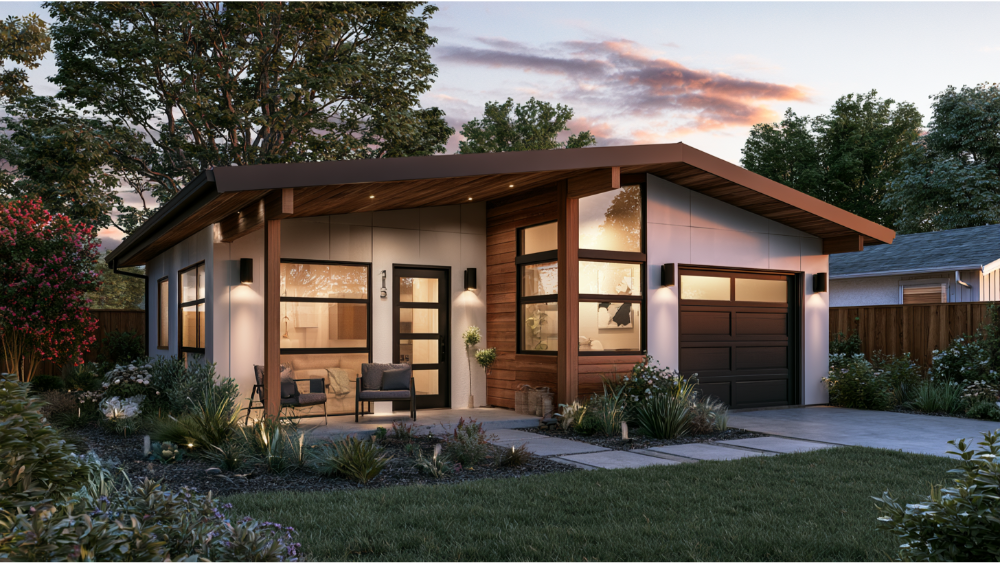
For California homeowners, what makes an ADU a good long-term rental investment is the ability to create rental income, increase property value, and add flexible living spaces on the same property. A well-planned accessory dwelling unit can turn unused land, a garage, or extra backyard space into a private rental unit that supports long-term rental income and future family needs.
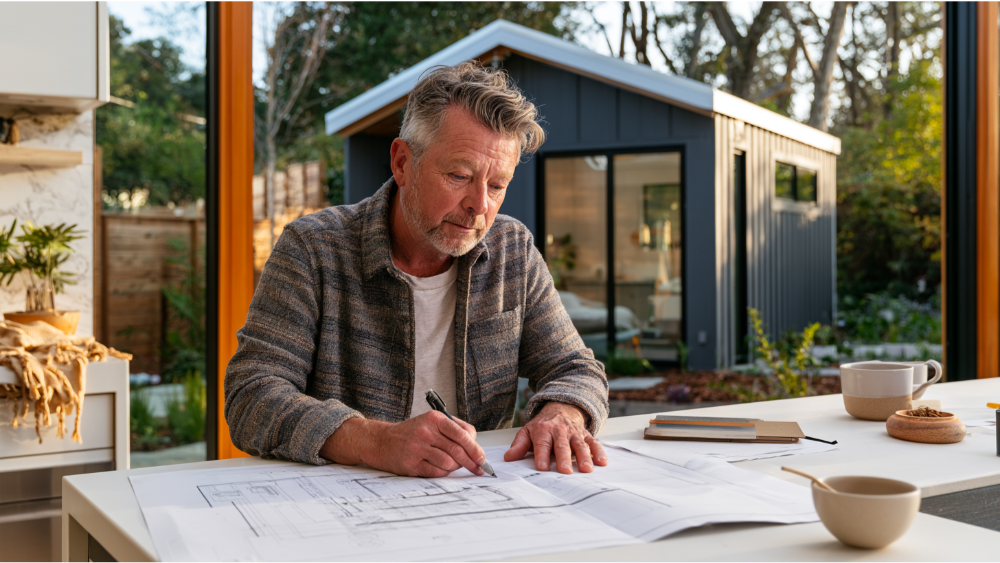
ADUs are popular because they help homeowners generate rental income without buying separate investment properties. Instead of purchasing another rental property with higher closing costs, homeowners can use their primary residence to create additional housing. This makes building an ADU a practical rental strategy for families who want passive income, more control, and long-term property appreciation.
In California, housing demand continues to make ADU rentals attractive. Many tenants want affordable housing options near work, schools, healthcare, and transportation. ADUs can provide more affordable housing options while helping homeowners earn steady rental income.
Unlike short-term rentals, long-term rentals often provide more predictable cash flow. Short-term rentals may bring higher rents in some markets, but they also come with more turnover, more management, and changing local regulations. For many homeowners, long-term rentals with strong lease agreements are easier to manage and more stable.
Rental demand is one of the biggest factors behind successful ADU rentals. If the rental market is strong, a well-designed accessory dwelling unit (ADU) can attract tenants and support higher rents. Sacramento and nearby communities have competitive rental markets where private, efficient independent living spaces can perform well.
Before building an ADU, homeowners should review rental rates for similar ADU rentals, small homes, and traditional rentals. Understanding rental rates helps estimate potential rental income, ADU rental income, and annual rental income more accurately.
A legal accessory dwelling unit protects property value and reduces risk. Local zoning laws, permit fees, utility requirements, and local regulations all affect the ADU construction process. A permitted unit gives homeowners more confidence when renting, refinancing, or selling.
Unpermitted ADU rentals can create problems with insurance, resale, financing options, and tenant safety. A legal rental unit is more likely to increase property value and support reliable ADU rental value over time.
Design has a direct effect on rental income. Tenants want privacy, natural light, storage, a functional kitchen, a full bathroom, and a comfortable layout. ADU rentals with private entries, thoughtful window placement, and good sound separation often have stronger rental appeal.
The best ADU rentals feel like complete homes. A tenant should not feel like they are living in leftover space. A good layout helps increase property value, improve ADU rental income, and support higher rents.
Construction costs have a major impact on ADU ROI. Homeowners should understand upfront costs, design costs, permit fees, utility work, financing costs, and total construction costs before starting. The initial investment should match the expected rental income potential and long-term goals.
Building an ADU is a significant investment, so the cheapest option is not always the best. Poor planning can lead to higher maintenance costs, more repairs, and weaker rental value. A realistic budget helps protect return on investment.
Durability matters because ADU rentals are used every day. Flooring, cabinets, fixtures, roofing, siding, HVAC, and appliances should be selected for long-term performance. Better materials may increase upfront costs, but they can reduce maintenance costs and maintenance expenses.
Low-maintenance finishes help protect monthly cash flow. They also make the rental property easier to manage and can help maintain property value.
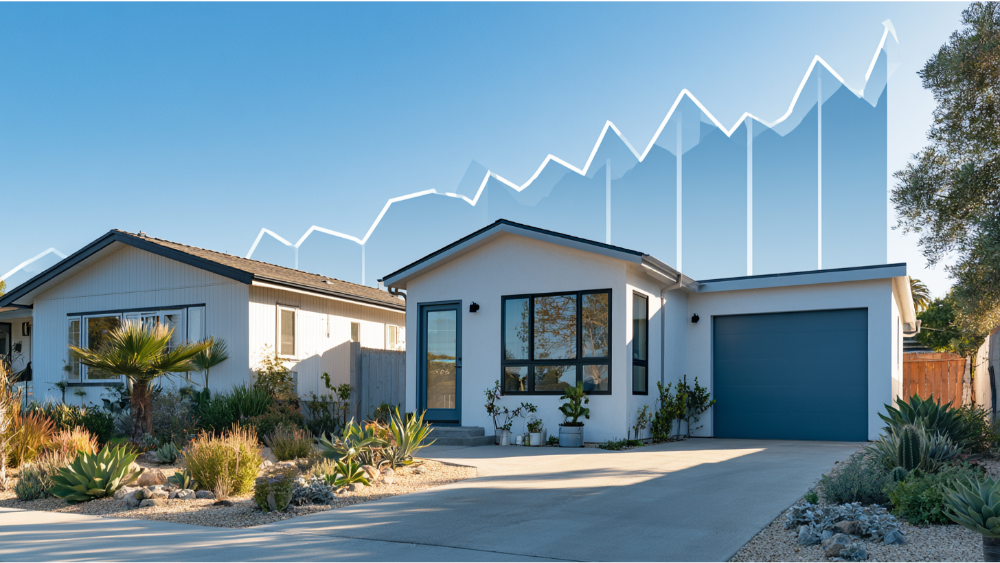
Monthly rental income is one of the biggest reasons homeowners consider adding an ADU. A well-designed unit can generate rental income that helps offset financing costs, mortgage interest, and household expenses.
ADU rental income depends on size, location, privacy, finishes, and rental rates. Homeowners often ask how much rental income they can expect, and the answer should always be based on local data and realistic comparisons.
A legal ADU can increase property value by adding usable living space and rental potential. Buyers often value homes with flexible living spaces because the unit can serve as a rental, guest suite, office, or family housing.
How much value an ADU adds depends on quality, location, permits, and market demand. In many cases, adding an ADU can increase property value, improve overall property value, and create long-term property appreciation.
One advantage of an ADU investment is that the homeowner already owns the land. Real estate investors often need to buy separate investment properties, but homeowners can build on the same property as their primary residence.
This can make the initial investment more efficient than buying another rental property. It can also help homeowners avoid higher closing costs tied to a separate purchase.
ADUs create value beyond rental income. A unit may generate passive income now, then later become housing for aging parents, adult children, guests, or caregivers.
This flexibility is one reason ADUs are different from many traditional rentals. They can support a rental strategy today while giving the homeowner more options in the future.
Detached ADUs usually offer the strongest privacy and rental appeal. They often feel like small standalone homes, which can support higher rents and stronger ADU rental income.
Garage conversions can be cost-effective when the existing structure is suitable. However, building an ADU from a garage still requires careful planning for insulation, utilities, light, layout, and code compliance.
Attached ADUs work well when lot space is limited. With the right design, they can still provide privacy and steady rental income.
Junior ADUs are smaller units within the main home. They can work for certain budgets and tenants, but rental income potential depends heavily on privacy, access, and layout.
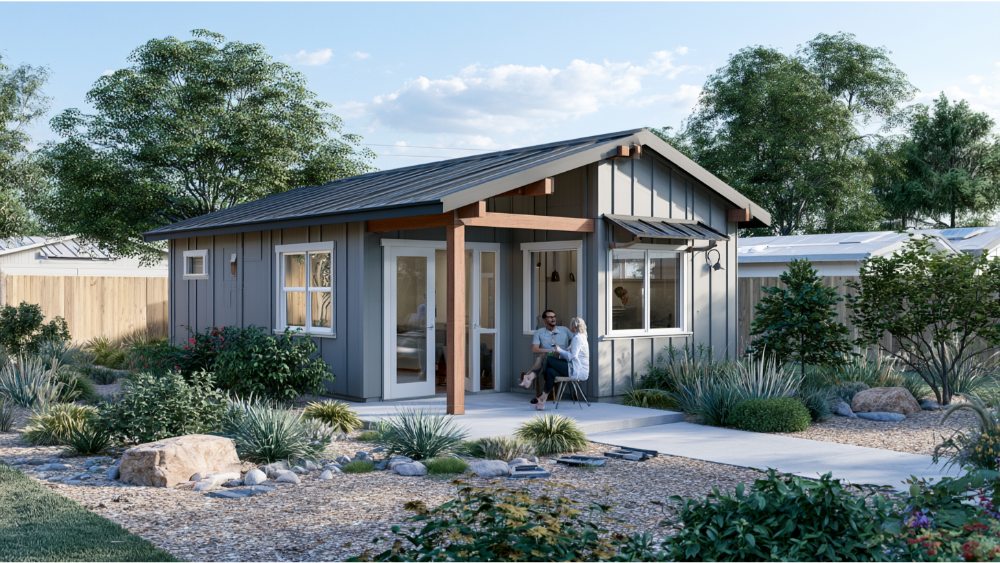
Privacy is essential for strong ADU rentals. Tenants want clear separation from the main home, a private entrance, and a safe path to the unit.
A comfortable layout helps small spaces feel larger. Smart storage, open living areas, and efficient kitchens improve rental value and tenant satisfaction.
A clean, functional kitchen and bathroom can improve ADU rental value. These spaces do not need to be luxury, but they should feel durable, modern, and easy to maintain.
Laundry access can help ADU rentals compete in the rental market. In-unit laundry can support higher rents when space and utilities allow.
Convenient parking and a well-lit entrance improve rental appeal. These details make the unit feel professional and tenant-ready.
Energy-efficient windows, insulation, appliances, and HVAC systems can reduce utility concerns and improve comfort. This can make ADU rentals more attractive to long-term tenants.
Code-compliant construction protects the homeowner and tenant. Smoke alarms, electrical safety, proper exits, and safe lighting all support a better ADU investment.
Permitting affects timeline, budget, construction loans, and financing options. Homeowners who underestimate the process may face delays that reduce ADU ROI.
A unit that is too small may limit rental income. A unit that is too large may raise construction costs without creating enough additional rental income. The right size depends on rental rates, lot conditions, and the homeowner’s goals.
Cheap finishes can increase maintenance costs and reduce property value. Durable mid-range finishes often create a better return on investment.
Utility planning affects construction costs, ADU construction timelines, and long-term performance. Water, sewer, electrical capacity, HVAC, and metering should be reviewed early.
Even attractive ADU rentals can struggle if tenants feel exposed. Privacy should be planned before construction starts.
A disconnected process can lead to budget gaps, delays, and design changes. A reliable ADU builder helps align design, permitting, and construction.
Start with rental rates for similar ADU rentals and small homes nearby. Monthly rent should be realistic, not inflated. Homeowners asking how much rental income an ADU can produce should compare actual local listings and consider tenant expectations.
ADU ROI depends on total cost, not just the construction bid. Include design, engineering, permit fees, site work, utilities, construction loans, and contingency. The initial investment should be measured against potential rental income and property appreciation.
Rental income is not pure profit. Homeowners should account for insurance, utilities, maintenance expenses, property taxes, and vacancy. Property taxes may change after building an ADU, so they should be included in the investment review.
A legal ADU can increase property value and support property appreciation over time. Long-term property appreciation can make the ADU investment stronger even when monthly cash flow is modest at first.
A good ADU investment is not only about monthly cash flow. It is also about passive income, family flexibility, resale value, and control over the primary residence.
Building an ADU requires design strategy, permitting knowledge, construction planning, and budget control. A full-service builder helps homeowners move through the ADU investment journey with fewer surprises.
Golden State ADUs helps homeowners with design, permitting, and ADU construction from start to finish. This matters because every choice affects rental income, property value, construction costs, and long-term performance.
A coordinated process also helps homeowners evaluate financing options such as construction loans, cash-out refinancing, and other financing options. Cash-out refinancing may help fund the initial investment, while the finished unit may help generate passive income.
California continues to encourage ADU development because ADUs add housing within existing neighborhoods. For homeowners, that creates a practical opportunity to build wealth while supporting housing demand.
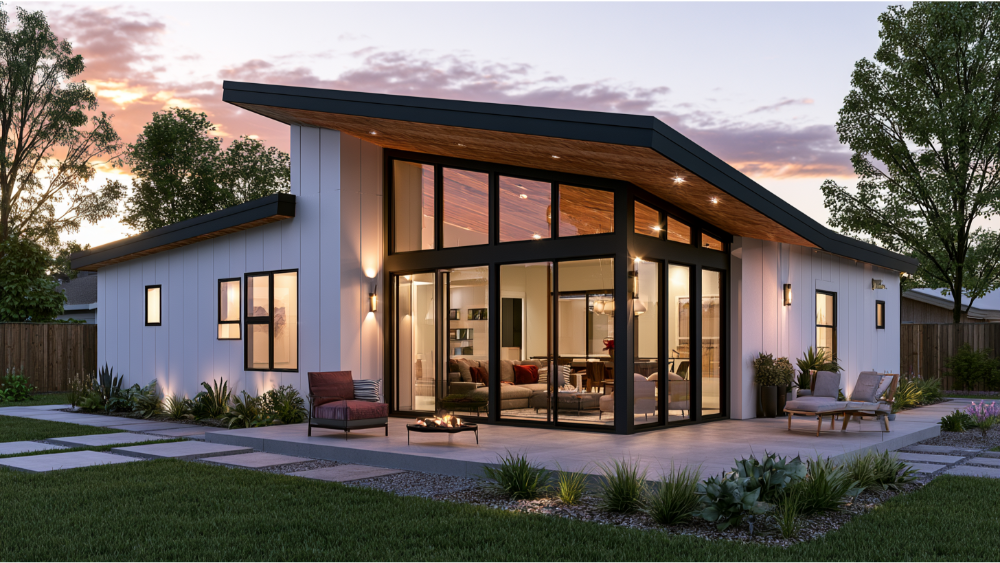
For many Sacramento-area homeowners, an ADU can be a strong rental strategy. Local housing demand, competitive rental markets, and the need for smaller homes can support steady rental income.
ADU rentals in Sacramento can work well when they are legal, private, durable, and designed for real tenant needs. The strongest results come from planning the unit as an income-producing asset from the beginning.
Homeowners should evaluate ADU rental income, property taxes, financing costs, lease agreements, maintenance costs, and rental rates before building an ADU. With the right plan, an ADU can increase property value, generate rental income, and create passive income for years.
Yes. An ADU can be a good long-term rental investment when it is permitted, well-designed, and located in an area with rental demand. It can provide rental income, increase property value, and create long-term flexibility.
How much rental income an ADU can generate depends on location, size, layout, finishes, privacy, and rental market conditions. Homeowners should compare local rental rates and similar ADU rentals before estimating ADU rental income.
Detached ADUs often have strong rental appeal because they provide privacy. Garage conversions, attached ADUs, and junior ADUs can also work well when designed correctly.
A legal ADU can increase property value by adding usable living space and rental potential. The exact impact depends on quality, location, and local buyer demand.
In most cases, homeowners can rent a permitted ADU as a long-term rental. Short-term rentals are often subject to different local regulations, so homeowners should understand the rules before choosing a rental strategy.
Tenants look for privacy, a private entrance, a functional kitchen, a full bathroom, natural light, storage, laundry access, and safety. These features can support higher rents and better tenant retention.
A detached ADU often offers more privacy and stronger rental appeal. A garage conversion can be a good option when the structure is suitable and the design makes it feel like a true home.
The timeline depends on design, permitting, site conditions, utilities, and construction scope. A full-service builder can help set realistic expectations before building an ADU.
Many homeowners do both. ADU rentals can provide passive income now, while the unit can later serve family, guests, or caregivers.
A design-build company coordinates design, permitting, and construction under one process. This can improve budget control, reduce delays, and help protect ADU ROI.
If you are considering adding an ADU for rental income, Golden State ADUs can help you plan the right unit for your property, budget, and goals. Our team handles design, permitting, and construction for homeowners throughout Sacramento and surrounding Northern California communities.
An ADU becomes a smart long-term investment when it is legal, well-designed, durable, tenant-friendly, and financially realistic. The best ADU rentals are not afterthoughts. They are complete homes planned around comfort, privacy, and long-term value.
A strong accessory dwelling unit (ADU) can generate rental income, increase property value, improve property value, and create flexible living options. It can also help homeowners build an investment portfolio without buying multiple investment properties.
The best ADU investment starts with realistic planning. Homeowners should understand ADU income, rental income opportunities, construction costs, property taxes, upfront costs, and return on investment before they build.
Golden State ADUs helps homeowners design, permit, and build ADUs that are practical, beautiful, and built for long-term performance.