
Golden State ADUs is a full-service design-build ADU builder that handles architectural design, structural and civil engineering, county permitting and construction for Camino homeowners under one roof. Camino is a census-designated community served by El Dorado County rather than its own municipal building department, which means every accessory dwelling unit (ADU) here is permitted through the county, and we prepare, submit and carry that package on your behalf. We are licensed and bonded, we back every ADU project with a 10-year structural integrity warranty and a 1-year fit-and-finish warranty, and we have been trusted by 100+ happy customers.
Our office is in Roseville, and Camino is part of our El Dorado County service footprint. We say that plainly, because what actually protects an ADU project is not a short drive. It is knowing which county reviewers will touch your plans, what the fire district will ask for, and what your particular foothill parcel will allow before anyone draws a floor plan.
Start with a free 1-hour project walkthrough. You will leave it knowing whether your property qualifies for an ADU, what the realistic budget conversation looks like, and what county review will ask of your plans. Book a consultation.
Our ADU Design, Permitting and Construction Services in Camino
ADU design, structural and civil engineering, county submittals, construction and inspections all happen inside one company, through our in-house design and engineering arm, Golden State Design & Engineering. Nothing on that list is handed to an outside firm or split between separate contractors, so there is no seam in the process for your project to fall through.
That consolidation matters here, because El Dorado County ADU plans may require review by Planning, Building, Transportation and the applicable fire district. Utility connections are designed early too: water or well, septic or sewer, electrical service capacity and propane placement are drawn and documented up front rather than discovered mid-construction. Explore our full ADU services.
Detached ADUs
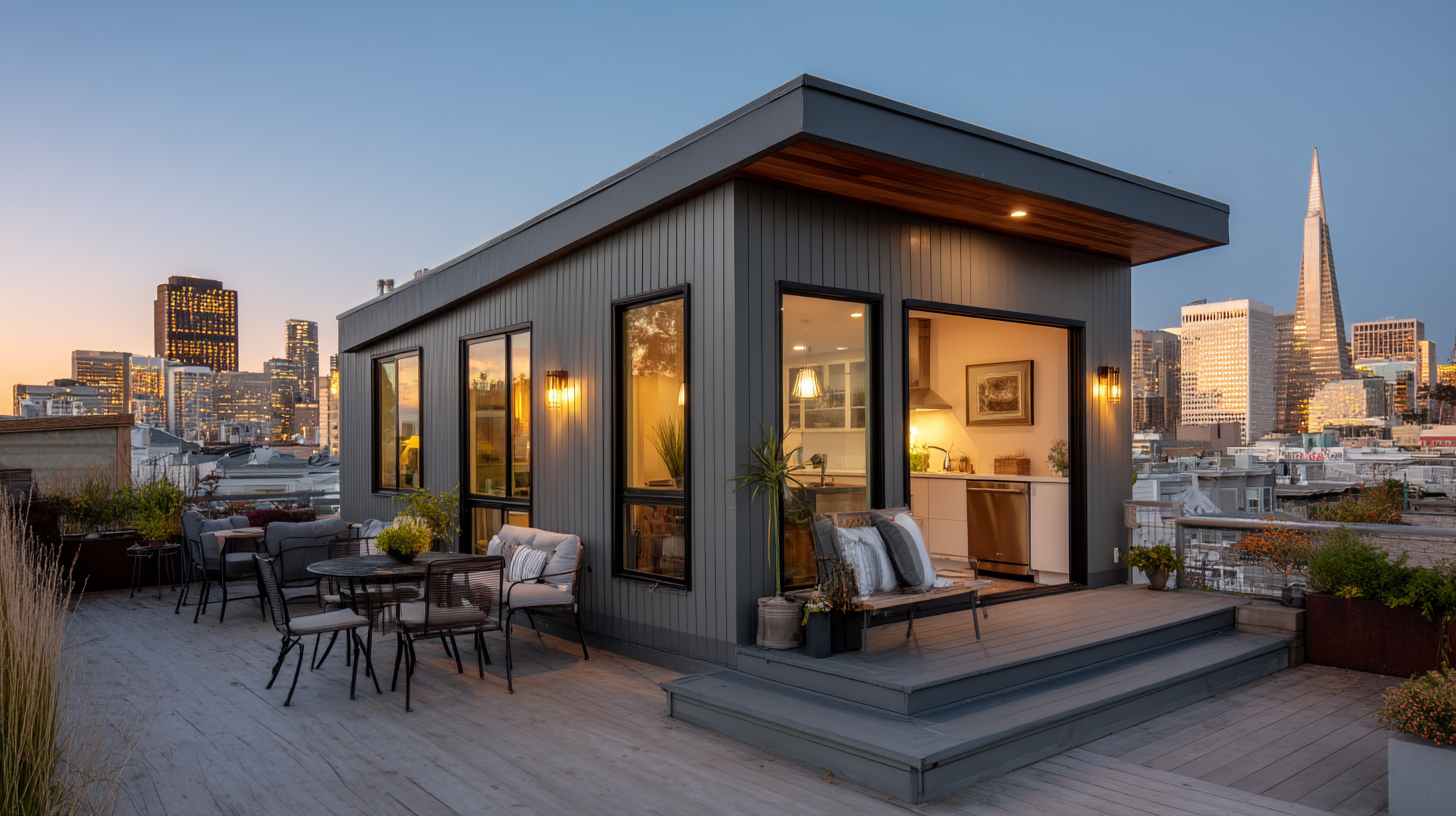
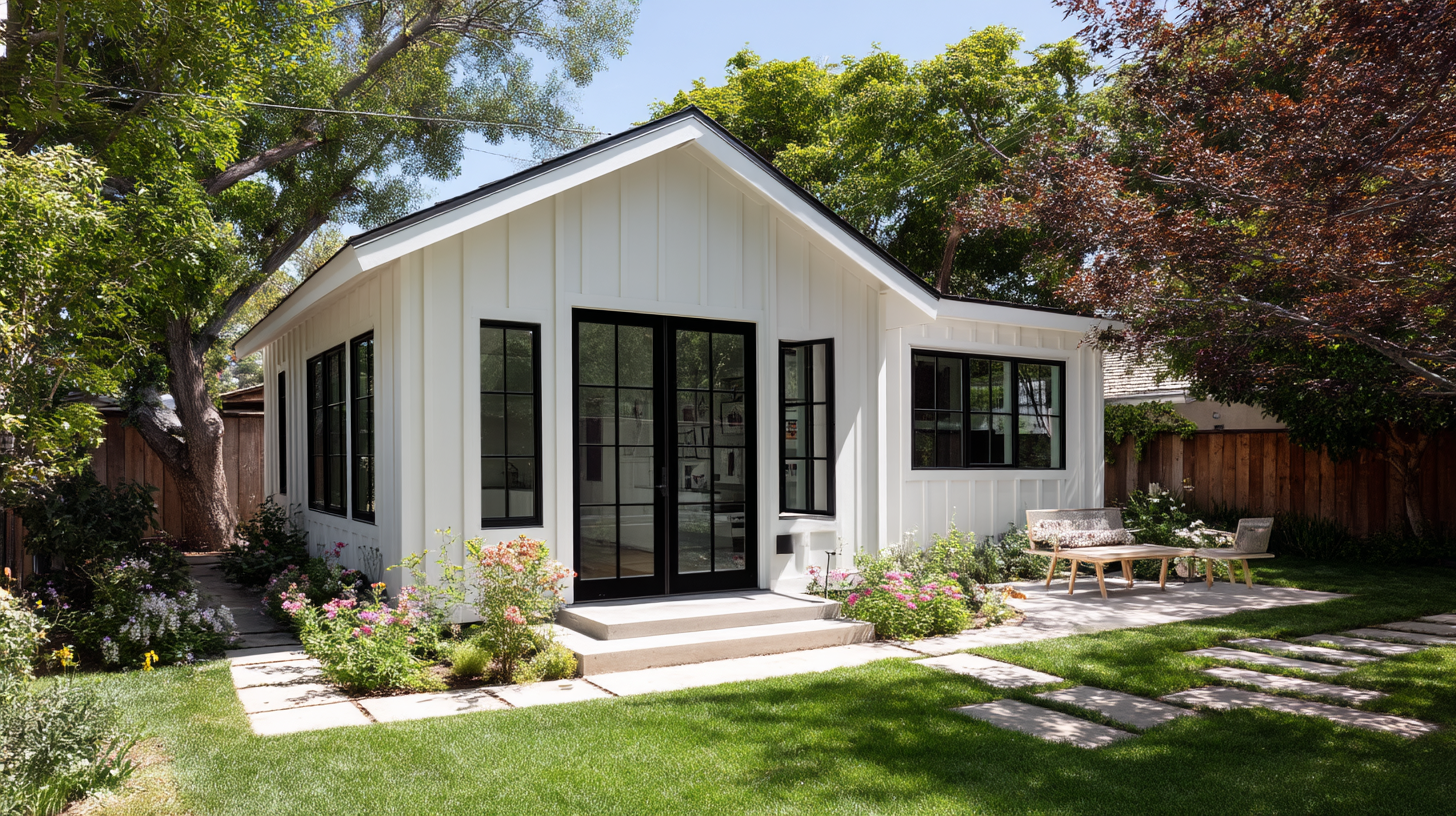
A detached ADU is a standalone unit in your backyard, built for rental income, visiting family or a private workspace separated from the main house. Under California law, detached ADUs may be built up to 1,200 square feet, and units under 800 sq ft cannot be denied based on floor area ratio limits. Detached ADUs are the most requested build we take on across the El Dorado County foothills.
What decides your options in Camino is usable building area, not gross acreage. A five-acre parcel with slope, a septic field, a well, mature trees and a recorded easement may have less buildable ground than a flatter lot half its size, which is why we measure the site before we talk about square footage or ADU construction costs.
Attached Accessory Dwelling Units and Junior ADUs (JADUs)
An attached ADU extends your existing home, and a junior ADU (JADU) is a smaller unit created inside it, often from a bedroom and adjacent living space. Both reduce site work and foundation work, which is the expensive, unpredictable part of building an ADU on a sloped or wooded foothill parcel.
California allows two accessory dwelling units on a single property under certain conditions, typically pairing a detached unit with a junior unit inside the primary residence. Attached ADUs and junior ADUs (JADUs) also draw on utilities already serving the house, which can simplify construction. Whether any of that applies to your parcel depends on your zoning and site, and we confirm it during feasibility rather than assuming it.
Garage Conversions and Existing-Structure Conversions
Garage conversions turn a detached garage, shop or outbuilding into permitted living space, and they are often the most cost effective path to a finished ADU when the existing structure is sound. Camino’s historic core includes mill houses tied to the community’s lumber history, and older properties throughout the area carry accessory buildings worth evaluating before anyone pours a new foundation.
Garage conversions come down to two checks: whether the structure can be brought up to current California structural, energy and fire safety standards, and whether existing electrical, water and wastewater capacity can carry a second dwelling. An older service may need a panel upgrade before a second kitchen and laundry are added. We run both checks before recommending conversion over new ADU construction, and we will tell you plainly when new construction is the better value.
Custom ADUs, Studios and Multi-Bedroom Layouts
We design studios through three-bedroom custom ADUs, tiny homes, ADUs with an attached garage, and retirement ADUs built for aging parents. Every ADU plan is tailored to the parcel and the family, never repeated from the last project, and we would rather start from your design ideas than hand you a catalog.
Homeowners sometimes ask about a prefab ADU produced through factory construction and set in place by crane. On narrow foothill driveways, delivery access and crane staging usually decide whether that approach is realistic, and we will say so during feasibility instead of after a deposit.
Camino homeowners come to us for different reasons. Some want private rental space that generates income from land they already own. Others want a parent close by with their own front door, their own kitchen and their own quiet. Many want both options available over the next twenty years, and that flexibility is a design decision made early.
Permitting and County Submittal Management
Permits, paperwork, compliance, done for you. El Dorado County Building is the permitting authority named on the county’s ADU application, and we prepare the complete submittal package, respond to plan-check comments and coordinate every reviewing agency involved in your ADU project.
Every habitable ADU requires a formal building permit, and the construction drawings have to satisfy local zoning laws, setbacks and site requirements before anything else moves. The statewide framework reads the same whether a homeowner is building in San Francisco, San Jose or San Diego, but the local codes layered on top of it differ, and in Camino those belong to the county. Plans may route through Planning, Building, Transportation and the applicable fire district. You do not chase those departments through the approval process. We do.
What an ADU Adds: Rental Income, Living Space and Property Value
Most homeowners who call us are weighing one of two outcomes. The first is additional rental income from land they already own, where a long-term tenant in a backyard unit helps carry a mortgage. The second is family: a parent, an adult child or a returning student with a real kitchen, a real bathroom and a door of their own.
Both outcomes rest on the same foundation, which is permitted, well-built square footage. Accessory dwelling units add legal living space and genuinely usable extra space to a property, and a second dwelling that is designed, engineered, inspected and signed off contributes to long-term property value in a way an unpermitted conversion never will. We will not project a return figure for you, because that depends on your parcel, the finished unit and the market. We will build something that holds its value.
Financing options vary by household, and homeowners commonly look at a home equity loan, a cash-out refinance or renovation lending. We are not lenders, so we keep our part simple: a clear, itemized scope you can take to whichever lender you choose.
Why Camino Homeowners Choose Golden State ADUs as Their ADU Contractor
Two things separate us from companies that sell a floor plan first: we evaluate your parcel before we promote a design, and one accountable team carries the ADU project from concept to certificate of occupancy.
Parcel-first feasibility is not a formality in El Dorado County. The county requires an ADU site plan showing property lines, easements, existing and proposed structures, wells, septic systems, propane tanks and other site features. A proposal that ignores those realities is not a proposal, it is a guess, and guesses get expensive once plan check begins.
One team, one point of accountability. We handle design, structural engineering, civil engineering, permitting and ADU construction inside our own company, rather than acting as a general contractor who buys drawings from somewhere else. When a county comment comes back on a retaining wall or a driveway detail, the people who drew it, engineered it and will build it are in the same conversation. You never coordinate between separate contractors and consultants, and you never hear that a delay belongs to someone else.
Specialists, not a side line. Most construction companies fit ADUs in between custom homes and whole home remodels. Building ADUs is the only thing we do, which is why the entire process is built around it.
Proof, not adjectives. We are licensed and bonded under LIS. #1125656, we carry liability and workers’ compensation coverage, and we back completed work with a 10-year structural integrity warranty and a 1-year fit-and-finish warranty. Our proven track record is permitted, built and occupied ADUs, and homeowners can read what those clients said: 100+ happy customers and 18 Google reviews.
Budget clarity from the first meeting. We do not publish a flat price, because site conditions, size, materials and finishes genuinely change what ADU construction costs on a given parcel. What we do give you is an itemized scope: design, engineering, permit and agency fees, site work, utilities, construction and finish allowances, with exclusions stated. A vague lump-sum proposal with no breakdown is the clearest warning sign homeowners encounter when they compare contractors. Where the budget runs tight, we value engineer the design rather than quietly trimming quality later.
Knowledge of local regulations that saves months. The county does not publish one flat ADU permit fee, and costs vary by location and project type, so anyone quoting you a standard permit charge is inventing it. We price agency fees against your actual project and tell you when something on your parcel will trigger extra review.
Communication you do not have to chase. We respond quickly to calls and emails and send regular project updates without you asking. That is a stated pillar of how we work, and it is what our clients mention most.
How to Judge the Best ADU Builders Before You Sign
Finding the right contractor is mostly a matter of asking for evidence. Confirm you are dealing with licensed contractors and ask for the license number. Ask who performs the engineering and who submits the plans. Ask for an itemized scope instead of a single number, and ask what happens if plan check comes back with comments. The best ADU builders answer those questions without hesitating, and the right ADU builder for your property will walk the parcel before proposing anything at all.
Licensed and bonded, LIS. #1125656. A 10-year structural integrity warranty and a 1-year fit-and-finish warranty on every project. 100+ happy customers and 18 Google reviews. Call (916) 909-2387 to talk through your property with one of our ADU specialists.
How Building an ADU With Us Works, Step by Step
Five stages take you from the first phone call to an occupied ADU, and we manage all five as your single ADU builder. The main point of the sequence is simple: no gap where a decision stalls because nobody owns it.
- 1. Free walkthrough and site assessment. We visit your Camino property, or begin with satellite imagery if that is easier, and read the parcel: slope, drainage, driveway access, trees, easements, well or water service, septic or sewer, propane placement and distance to the nearest fire hydrant. You get an honest answer about what fits in your backyard, including when the answer is that this parcel is difficult.
- 2. Design and engineering. Our in-house team develops the layout with you, then produces the structural, civil, energy, electrical, mechanical and plumbing construction documents the county expects. Design and permit plans typically take 3 to 5 months, and the drawings address contours, drainage, retaining walls and fire-safe driveway planning where those apply.
- 3. County submittal and plan check. We submit the package to El Dorado County Building and coordinate Planning, Transportation and fire-district review. The county collects half of the building permit fee and the full Planning fee at application, with the remaining building fee and other agency charges collected at issuance, and we fold those costs into your budget from the start rather than presenting them as a surprise.
- 4. Construction. The construction phase typically runs 3 to 4 months once permits are issued. You get an assigned project manager, on-site oversight of every trade, and regular updates, and we sequence site work around the county’s grading requirements instead of fighting them.
- 5. Inspections and occupancy. County inspections can include grading, foundation, underground trades, shear, roof sheathing, framing, insulation, wallboard and the final inspection. We schedule and attend each one, correct anything flagged, and carry the project through final approval and occupancy, then stay available for post-project construction administration.
These ranges are typical rather than guaranteed. County plan-review turnaround varies, plans are reviewed in the order received, and an incomplete application loses its place in the queue until the missing information is resubmitted. Submitting a complete, correct package the first time is the most reliable way to protect a smooth process and your construction schedule, which is exactly why we prepare it.
What ADU Building in Camino Actually Involves
Building an ADU here is a county process on a foothill parcel, and both halves of that sentence shape the construction. California laws set the statewide floor, and local requirements decide the rest.
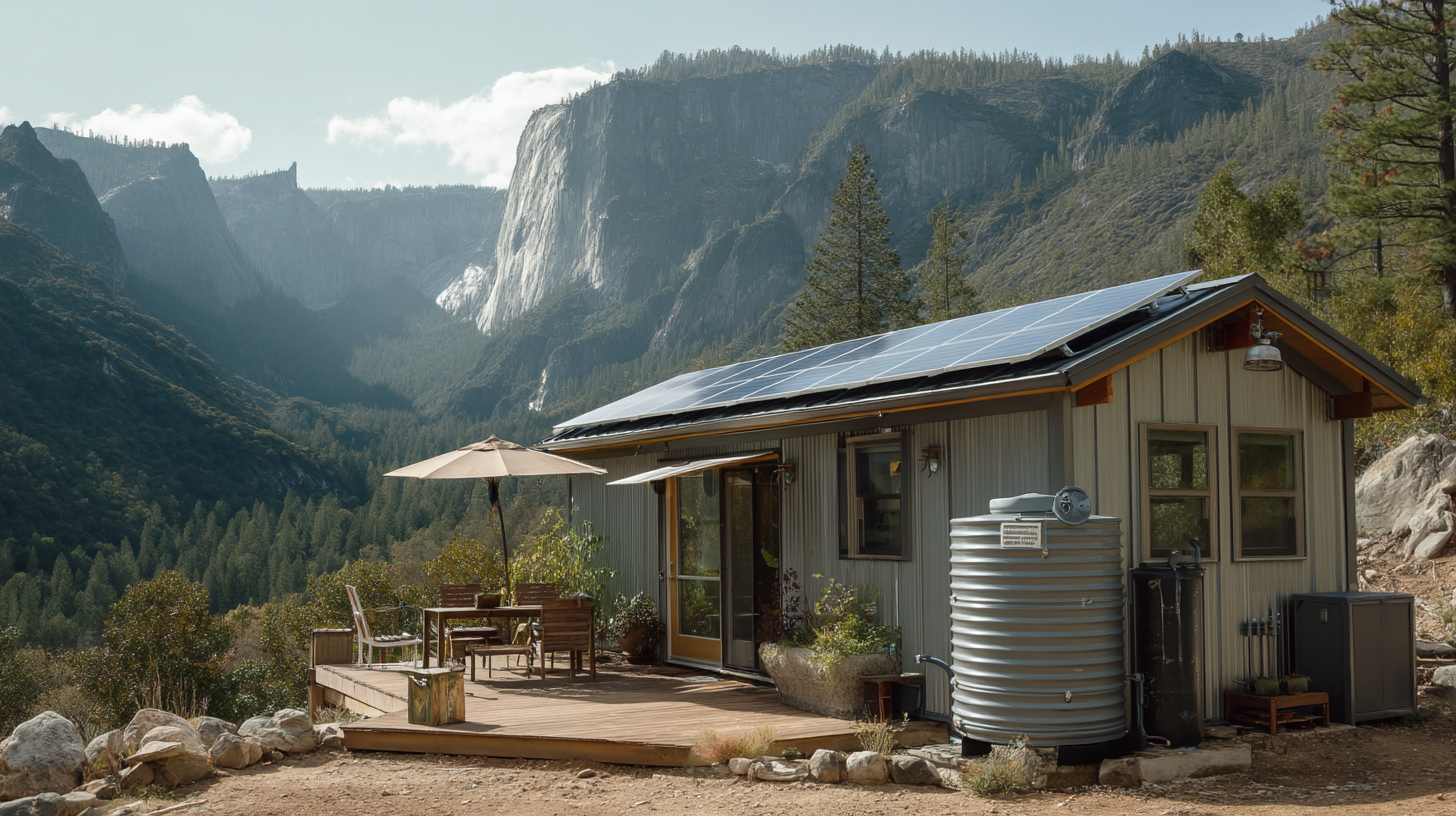
The permit authority. El Dorado County Building issues ADU permits for Camino, and submittals go through the Development Services Permit Center at 2850 Fairlane Court, Placerville, CA 95667. Because Camino has no municipal building department of its own, there is no second local approval path to learn, but several agencies inside the county may review your plans: Planning, Building, Transportation and the applicable fire district. Zoning regulations for your parcel are confirmed before design begins.
What the county wants to see on your site plan. Plans must show property lines, recorded easements, existing and proposed structures, wells, septic systems, propane tanks and other site features. Where applicable, submittal guidance also calls for contours, drainage, retaining-wall information and fire-safe driveway planning, along with the location of an existing fire hydrant within 500 feet. On a wooded, sloped Camino lot, that list is most of the engineering work, and it is the reason we survey conditions before promising a layout.
Usable area beats acreage. Gross lot size tells you very little here. A parcel off Snows Road in the gated Rancho Del Sol and Puerta Del Sol area may measure in acres while offering a narrow band of genuinely buildable backyard once setbacks, septic area, slope, zoning requirements and emergency vehicle access are accounted for. We map that band first.
Access and the local road pattern. Carson Road, North Canyon Road, Larsen Drive, Cable Road, Fruitridge Road and Highway 50 are the orientation routes most Camino and Apple Hill properties sit off. Properties along those corridors often reach the road through long private driveways, which puts driveway geometry and fire-apparatus access squarely into the design conversation rather than at the end of it.
Older housing stock. Camino’s historic core includes mill houses tied to the area’s lumber history, and much of the surrounding housing predates 1980. Older homes frequently come with a detached garage or shop worth converting, and they just as frequently come with electrical service and wastewater capacity that need verification before a second dwelling is added.
Grading and the wet season. More detailed grading and erosion-control scheduling may be required when rough grading is proposed between October 15 and May 1. For sloped or drainage-sensitive parcels, completing feasibility and grading design ahead of that window is the cheapest scheduling decision a homeowner can make.
Wildfire review. Camino was included as a completed 2023 to 2024 county proactive defensible-space inspection area, and the county warns that ADUs in medium or high fire-hazard areas, flood zones, historic areas or airport review areas may require additional documents. Fire-hazard designation is checked by address, not applied to the whole community, so we confirm yours and design to what your parcel actually requires: access, clearance, exterior assemblies and water-supply documentation.
Our office is at 1001 Enterprise Way #100 in Roseville, and Camino is served as part of our El Dorado County footprint. The county knowledge above is the part that travels, and it is what we bring to your property.
Frequently Asked Questions
How much does it cost to build an ADU in Camino?
Costs vary by site conditions, size, materials and finishes, so we price each parcel individually rather than publishing a flat number. For general planning context, the county-focused ADU resource for this area uses $260 to $300 per square foot as a rough all-in placeholder, and statewide outcomes range widely, from modest junior ADU conversions to large detached units with high-end finishes approaching or exceeding $400,000.
Permit and agency fees belong inside your total, not outside it. The county does not publish one flat ADU permit fee, and costs vary by location and project type. Under California law, ADUs of 749 square feet or less may be exempt from certain development impact fees, while larger units can trigger utility connection and school charges. Any estimate you receive from any of the contractors you talk to should itemize all of it.
How long does ADU construction take in Camino?
Plan for 12 to 18 months end to end, which is what the county-focused local resource reports for most projects, with some extending to 24 months or longer. Our own typical ranges are 3 to 5 months for design and permit plans and 3 to 4 months for construction, with county review in between.
California law sets a 60-day ministerial review requirement for complete ADU applications, but county plan-review turnaround varies in practice and an incomplete submittal loses its queue position until resubmitted. Winter grading rules can also shift the site-work window. These are typical ranges, not guarantees.
Who issues ADU permits for Camino, and do I need fire-district approval?
El Dorado County Building issues ADU permits for Camino, with submittals handled through the Development Services Permit Center at 2850 Fairlane Court, Placerville, CA 95667. There is no separate Camino city permit office, because Camino is a census-designated community served by the county.
Fire-district review may apply separately to your project, and county plan guidance calls for showing an existing fire hydrant within 500 feet. Plans may also route through Planning and Transportation. We manage the permitting process and coordinate every agency involved.
Can I build an ADU on a Camino property with a well, septic system or propane?
Yes, in many cases, and the county specifically requires wells, septic systems and propane tanks to be shown on your ADU site plan along with property lines, easements and existing structures. These features do not disqualify a property. They define where the unit can go.
We locate and document them during feasibility rather than designing around assumptions, then plan the utility connections accordingly. Where a parcel also sits in a medium or high fire-hazard area, flood zone, historic area or airport review area, the county may require additional documents, and we identify that early with expert guidance on what each one involves.
Can I rent a Camino ADU as a short-term vacation rental?
Current county guidance says vacation rentals are not permitted in accessory dwelling units, and the broader vacation-rental ordinance remained under review in 2026. Verify the current rule with the county before you build a business plan around nightly rental income.
Long-term rental remains the dependable path, and an ADU can generate steady rental income that offsets a mortgage while staying available for family later. Many Camino homeowners build with both uses in mind: rented now, a parent or adult child in it later.
Do you build outside El Dorado County, including the Bay Area?
Yes. We provide design, permitting and construction for ADUs throughout California, including Bay Area communities, and the design-build model works the same wherever the parcel sits. What changes from one jurisdiction to the next is the local review path, which we research before we draw.
Do you serve my part of Camino, and where is your office?
Yes, we serve Camino, and our office is at 1001 Enterprise Way #100, Roseville, CA 95678. In this area we work across Camino and the surrounding El Dorado County communities, including Placerville, Shingle Springs, Cameron Park and El Dorado Hills.
Whether your property sits along the Carson Road and Apple Hill corridor, off North Canyon Road, Larsen Drive, Cable Road or Fruitridge Road, or closer to the Highway 50 exit, we will come to you for the walkthrough. Get in touch and we will set it up.
Start With a Free Walkthrough of Your Camino Property
One hour on your property tells you more than weeks of research. You get a parcel-level read on feasibility, an honest conversation about ADU costs with the real drivers named, and a clear picture of what county and fire-district review will ask of your project, all before a single floor plan is drawn.
There is a practical reason not to wait. Grading proposed between October 15 and May 1 can require more detailed erosion-control scheduling, so finishing feasibility and grading design ahead of that window keeps your site work on simpler footing.
Adding a well-designed second dwelling to land you already own is one of the more substantial long-term improvements a homeowner can make, both for property value and for keeping family close. We would rather tell you honestly what your parcel can support than sell you a plan it cannot, and that conversation is how the right ADU for your property gets defined.
Call (916) 909-2387, email office@gsadus.com, or book a consultation with one of our ADU specialists. Licensed and bonded, LIS. #1125656.