
California ADU permit approval rules 2026 are designed to make ADU approvals faster, clearer, and more predictable for homeowners. If you are planning an accessory dwelling unit in California, understanding the california adu permit approval rules 2026 can help you avoid delays, reduce confusion, and move through the approval process with more confidence.
Why California ADU Permit Rules Matter in 2026
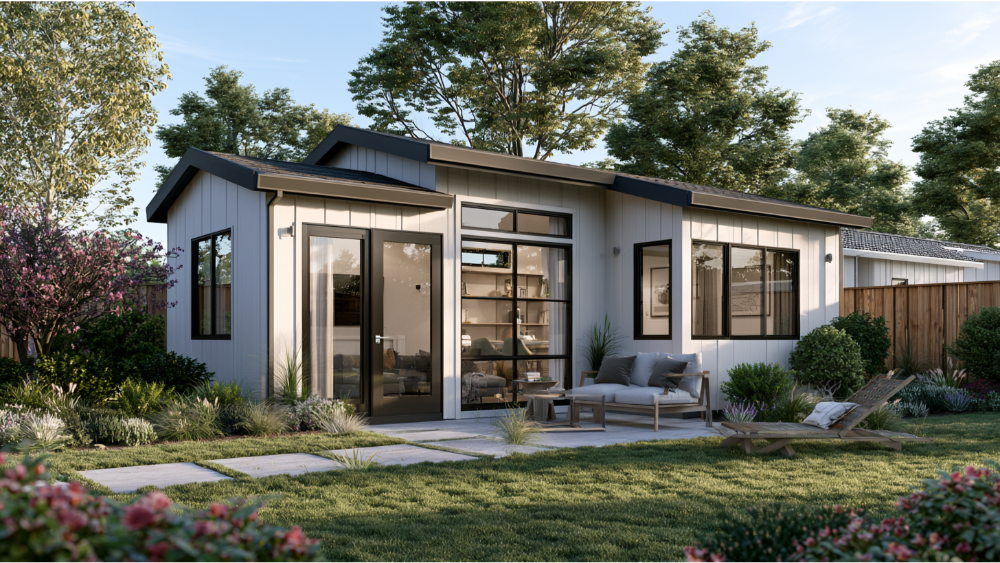
California continues to encourage ADU development because accessory dwelling units help create flexible housing on single-family lots, multifamily properties, and underused residential land. For many homeowners, an ADU can provide rental income, space for aging parents, a private guest unit, or a long-term property value boost. California ADU laws give homeowners important protections, but local agencies still review ADU plans for safety, zoning, utilities, and code compliance.
Many homeowners assume California law makes every ADU automatic. That is not the case. A property qualifies only when the design meets state standards, local regulations, and site conditions. A local building department can still require corrections during plan check if drawings are incomplete, unclear, or missing required details.
Whether the project is in Sacramento, Southern California, San Diego, San Jose, or another part of California, the right strategy starts with accurate ADU plans and a realistic understanding of local rules.
Quick Overview of California ADU Permit Approval Rules in 2026
Ministerial Approval Explained
Under state ADU law, local agencies generally review a qualifying ADU application ministerially. That means the city or county uses objective standards instead of a public hearing or subjective approval process. Local jurisdictions cannot deny a compliant California ADU simply because neighbors object.
The 60-Day Approval Timeline
Local agencies must generally approve or deny a complete ADU application within 60 days. If a local agency fails to act within the required period, the ADU may be deemed approved under California law. This deemed approved protection is one reason complete submittals matter so much.
The 15-Business-Day Completeness Review
In 2026, local agencies have 15 business days to review an ADU application for completeness. If items are missing, the agency must provide a written list of required corrections. This early review helps homeowners fix issues before the full plan check process continues.
What Types of ADUs Can Be Approved in California?
Detached ADUs
A detached ADU is a separate backyard home on the same lot as the primary dwelling. A detached ADU works well for rental income, guest space, multigenerational housing, or private living space near the main house.
A detached ADU needs careful planning for setbacks, utilities, access, drainage, fire safety, and privacy. The best detached ADU designs feel connected to the property without interfering with the primary home. A detached ADU can also be a strong option when the existing home does not have enough interior space to convert.
Attached ADUs
An attached ADU connects to the primary residence. This can be a smart option when a lot does not have enough open space for a detached ADU. Attached units must be designed carefully so the ADU separately functions as a legal dwelling while still fitting the existing home.
Garage Conversion ADUs
Garage conversions use existing space, which can make them attractive for many homeowners. However, an existing garage may need major upgrades to become safe interior livable space. Foundation, insulation, windows, electrical, plumbing, ventilation, and fire separation all matter.
Junior ADUs
Junior accessory dwelling units are smaller units located within a single-family home. A JADU is limited in size and may include an efficiency kitchen. In some cases, JADU shares sanitation facilities with the main house. Owner occupancy requirements are especially important for JADUs, so homeowners should confirm current owner occupancy rules before submitting ADU plans.
2026 California ADU Fee Rules
No Impact Fees for Smaller ADUs
California ADU regulations protect smaller projects from certain impact fees. ADUs of 750 square feet or less of interior livable space are generally protected from local impact fees. This can help homeowners keep costs lower, especially when choosing a compact standard ADU.
Proportional Fees for Larger ADUs
When ADU size exceeds 750 square feet of interior livable space, impact fees may apply, but they must be proportional to the square footage of the primary dwelling. This keeps local agencies from charging unreasonable flat fees that make ADU development harder.
School and Utility Fee Considerations
Some fees depend on ADU size, local ordinances, and utility needs. A larger detached ADU may require more utility work than a conversion inside an existing home. Before construction starts, homeowners should understand likely fees, plan check costs, and permit expenses.
Parking Rules for ADUs in California
When Parking Can Be Required
California law limits parking requirements for ADUs. In general, local agencies cannot require excessive parking for a California ADU. When parking is allowed, it is usually capped based on the unit or bedroom count.
When Parking Cannot Be Required
Parking often cannot be required when the ADU is near public transit, within an existing structure, or in other protected situations. A historic district may have design considerations, but local requirements must still follow state law.
No Replacement Parking for Garage Conversions
If a garage, carport, or parking area is converted into an ADU, local agencies generally cannot require replacement parking. This is a major benefit for homeowners who want to convert a garage near the primary dwelling.
Local ADU Ordinances vs. California State ADU Law

Cities Must Follow State Law
Local ADU ordinances must comply with state law. Local ordinances can guide details, but they cannot override California ADU laws. If local rules conflict with state standards, state law controls.
What Local Governments Can Still Regulate
Local agencies may still regulate objective items such as setbacks, height, fire access, utilities, drainage, tree protection, and design standards. California ADU regulations create the framework, while local regulations shape the details for a specific property.
Why Sacramento-Area Homeowners Still Need Local Expertise
Sacramento-area cities do not all process ADU permits the same way. Plan check expectations, submittal forms, utility reviews, and local requirements may vary. Golden State ADUs helps homeowners prepare complete ADU plans that are tailored to the property, the city, and the construction budget.
Multifamily ADU Rules in 2026
Detached ADUs on Multifamily Properties
California law now gives multifamily properties more ADU options. In some cases, property owners can add multiple detached ADUs, depending on the number of existing units and site conditions. This creates new opportunities for rental housing and long-term value.
Converting Existing Multifamily Space
Multifamily properties may also convert existing space, such as storage rooms, garages, or other nonliving areas, into accessory dwelling units. These projects require detailed ADU plans, structural plans, utility review, and careful plan check coordination.
Why Multifamily ADUs Are More Complex
Multifamily ADU development can involve shared utilities, tenant access, fire separation, parking patterns, and final inspections across several units. A property owner should work with an experienced team before submitting an ADU application.
Legalizing Older Unpermitted ADUs
What Changed for Pre-2020 ADUs
California has improved the path for legalizing certain older unpermitted units. A unit built before January 1, 2020 may have more options, although local agencies can still require health and safety corrections. If a structure is substantially damaged or unsafe, repairs may be required before approval.
Why Legalization Is Worth Considering
Legalizing an ADU can increase property value, reduce risk, and make the space safer. It can also help during refinancing, insurance review, resale, or rental use.
How Golden State ADUs Can Help Evaluate an Existing Unit
Golden State ADUs can review the existing home, main house, utilities, structure, and permitting history. From there, we help determine whether the unit can move through the approval process and what corrections may be needed.
Common Reasons ADU Permit Applications Get Delayed

Incomplete Plans
Incomplete ADU plans are one of the most common reasons permits slow down. Missing dimensions, unclear notes, or inconsistent drawings can trigger plan check comments.
Missing Site Information
A strong site plan should show property lines, setbacks, utilities, structures, access, and proposed work. Without this information, local agencies may not be able to approve or deny the ADU application.
Utility or Sewer Questions
Utility planning affects cost and timing. Electrical service, sewer connections, water lines, and trenching should be addressed in the ADU plans before permit submittal.
Fire Access Requirements
Fire access can affect placement, pathways, addressing, and emergency response. This is especially important for a detached ADU behind a single-family home.
Local Design Standards
Local rules may regulate materials, roof form, windows, height, and privacy. These standards must be objective and consistent with state law.
Unclear Scope of Work
The ADU application should clearly explain whether the project is a detached ADU, attached ADU, garage conversion, JADU, or legalization. A clear scope helps the plan check team review the project efficiently.
How to Improve Your Chances of a Smooth ADU Approval
Start With a Feasibility Review
A feasibility review confirms what can be built on your specific property. It looks at zoning, setbacks, utilities, access, budget, and maximum size.
Design Around Objective Standards
Good ADU plans are designed for approval, not just appearance. The floor plan, elevations, structural plans, and utility details should align with state standards and local requirements.
Prepare a Complete Permit Package
A complete package helps local agencies finish plan check faster. It should include the floor plan, site plan, elevations, energy documents, structural plans, and required forms.
Consider Pre Approved Plans
Pre approved plans can help some homeowners move faster, especially when the property fits the plan’s assumptions. A pre approved ADU is not always automatic, because the site still needs review. Pre approved ADU plans may still require foundation details, utility coordination, and local agency approval.
Pre approved plans can be useful, but they should be matched carefully to the lot. A pre approved design that ignores setbacks, trees, access, or utility conditions can still create delays. Pre approved plans are a tool, not a replacement for property-specific planning.
Work With a Full-Service ADU Team
An ADU project runs smoother when design, permitting, and ADU construction are coordinated from the beginning. Golden State ADUs helps homeowners prepare accurate ADU plans, respond to corrections, and move through final inspections.
California ADU Permit Approval Checklist for 2026
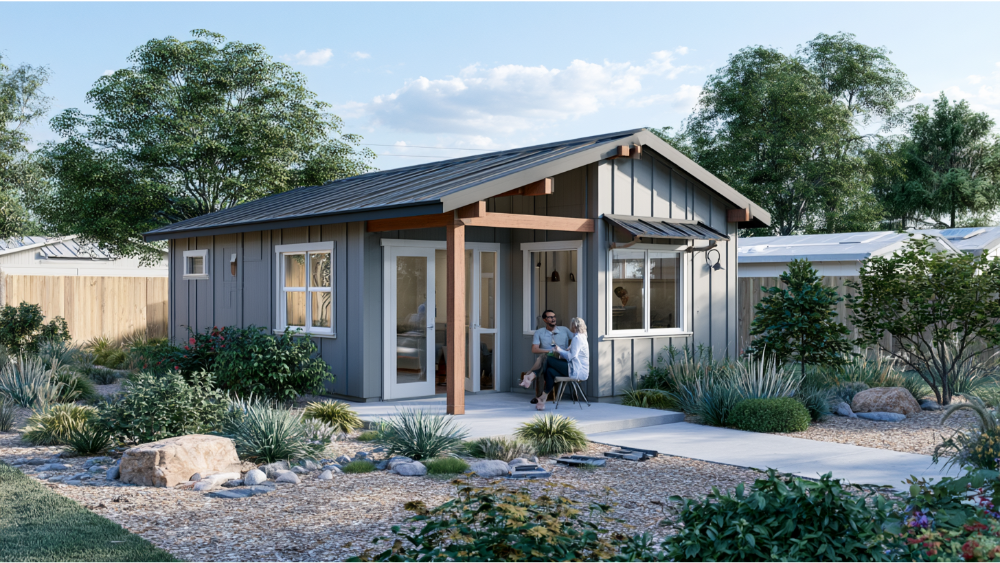
- Property Eligibility Review: Confirm whether the property qualifies under California ADU laws and local rules.
- ADU Type Selection: Choose a detached ADU, attached ADU, garage conversion, JADU, or multifamily strategy.
- Site Plan: Show the same lot, property lines, primary dwelling, access, setbacks, and utilities.
- Floor Plan: Provide a clear floor plan with room labels, dimensions, doors, windows, kitchen, bathroom, and storage.
- Exterior Elevations: Show the proposed height, roof, siding, windows, doors, and exterior materials.
- Utility Plan: Address water, sewer, electrical, gas if needed, meters, trenching, and service upgrades.
- Code Compliance: Account for fire safety, energy rules, ventilation, insulation, structure, and habitability.
- Local Submittal Forms: Complete the local agency forms required for permits.
- Correction Response Process: Respond clearly to plan check comments and revise ADU plans as needed.
- Final Permit Approval: After approval, permits can be issued and construction can begin.
Why Work With Golden State ADUs?
Golden State ADUs is a Sacramento-based design-build team focused on California ADU design, permitting, and construction. We help homeowners understand California ADU regulations, prepare complete ADU plans, and navigate local agencies with confidence.
Whether you are planning a detached ADU, converting a garage, adding space for family, or exploring pre approved options, our team can guide the process from early feasibility through final inspections.
FAQs About California ADU Permit Approval Rules 2026
How long does California have to approve an ADU permit in 2026?
Local agencies generally have 60 days to approve or deny a complete ADU application. If a local agency fails to act, the project may be deemed approved.
Can a city deny my ADU permit?
Yes, but the denial must be based on objective standards, code issues, or incomplete documents. A compliant California ADU cannot be denied for subjective reasons.
Do I need a public hearing for an ADU?
Usually no. State ADU law generally requires ministerial review for qualifying accessory dwelling units.
Are ADUs under 750 square feet exempt from impact fees?
Yes, ADUs of 750 square feet or less of interior livable space are generally protected from impact fees.
Can my city require parking for my ADU?
Sometimes, but California law limits when parking can be required. Many ADUs qualify for parking exemptions.
Can I convert my garage into an ADU without replacing parking?
In many cases, yes. Local agencies generally cannot require replacement parking when a garage is converted into an ADU.
Can I build more than one ADU on a multifamily property?
Potentially, yes. Multifamily properties may qualify for more than one ADU depending on existing units, site conditions, and local requirements.
Can an ADU be sold separately?
In limited situations, an ADU may be sold separately when specific California law requirements are met. This is not the default rule for most homeowners.
Do owner occupancy requirements apply?
Owner occupancy requirements depend on the ADU type and current law. JADUs commonly involve owner occupancy, so homeowners should confirm requirements before submitting.
Can I build an ADU with a proposed single-family home?
In some cases, an ADU may be reviewed with a proposed single-family home, but the primary dwelling and ADU plans must be coordinated carefully.
Do coastal zone properties follow the same rules?
Coastal zone properties may involve additional review, but state law still limits how local agencies process ADU permits.
What is the role of the California Department of Housing and Community Development?
The California Department of Housing and Community Development provides guidance on ADU rules, reviews local ordinances, and helps clarify how state law applies to local agencies.
Final Thoughts: 2026 Is a Strong Year to Build an ADU in California
California ADU laws make 2026 a strong year for homeowners who want more space, rental income, or flexible housing. State law supports faster approvals, clearer timelines, fee protections, pre approved options, and a more predictable approval process.
The best results still come from planning. A successful California ADU needs complete ADU plans, a smart design, realistic budgeting, and a team that understands both state standards and local ordinances.
Ready to explore an ADU for your property? Golden State ADUs can help you move from idea to approved permits and finished construction with a full-service team built