

In Partnership With
What Is Considered a Tiny Home in California: Rules, Costs, and Tiny Living Insights
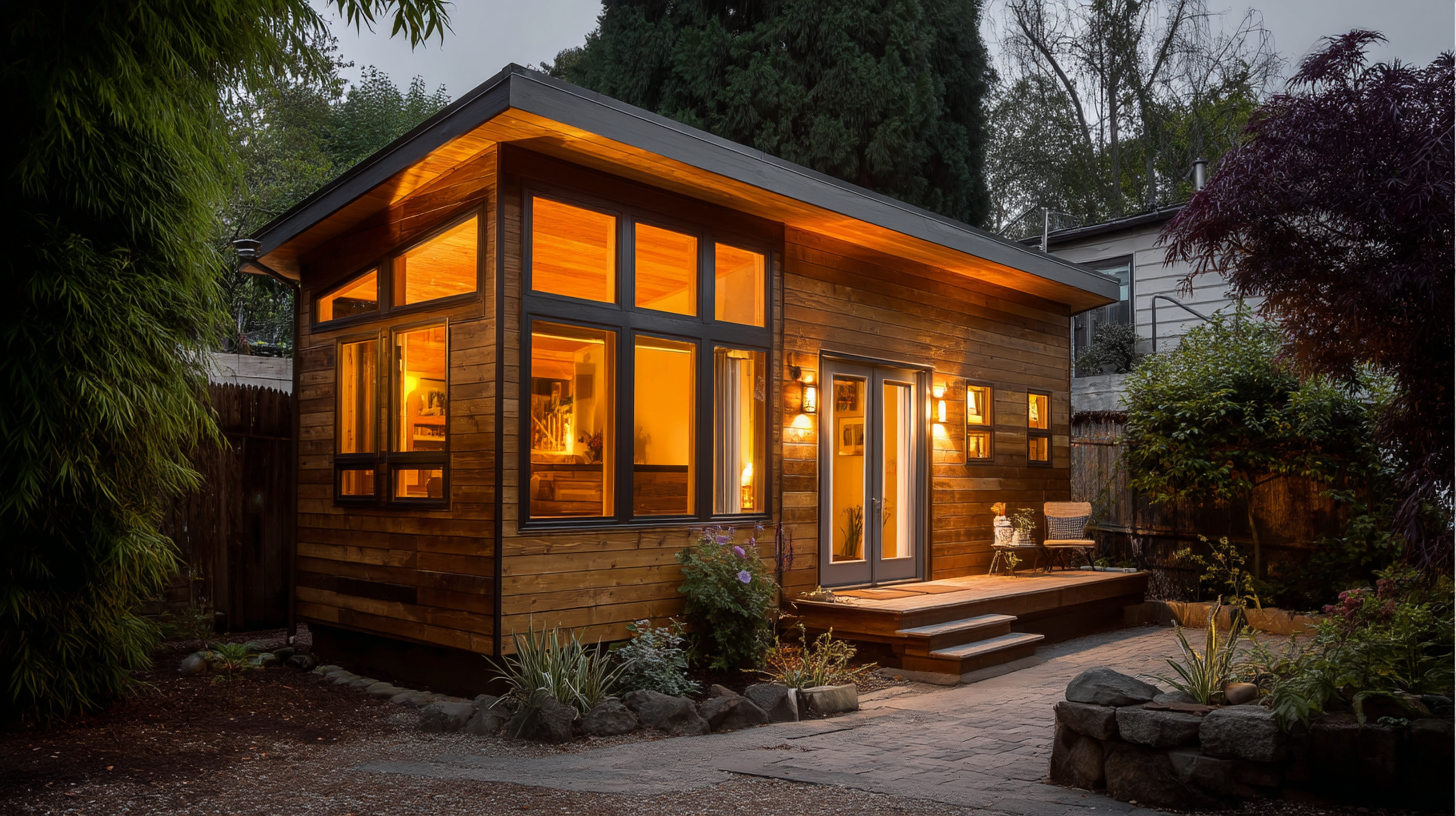
01 Sep
- Golden State ADUs
- Comment 0
What Is Considered a Tiny Home in California: Rules, Costs, and Tiny Living Insights
Tiny home living is more than a trend, many tiny homes represent a growing shift in how people think about space, cost, and lifestyle. For homeowners in California who are curious what is considered a tiny home, how tiny houses differ from accessory dwelling units, or whether tiny homes can be their permanent residence, long term living, this guide covers what tiny homes require, what zoning laws apply, how costs and building materials work, and what you should know before you build or buy.
Tiny Home Living
Tiny home communities are growing, the tiny house movement continues to attract many tiny house owners excited about simpler lives, reduced living costs, less energy use, and sustainable alternatives to traditional home ownership. Many tiny houses and small homes offer opportunities to save money on construction, utilities, property maintenance, and long run living expenses. But tiny living requires planning, compliance with building codes, selecting proper materials, and sometimes navigating local zoning regulations. This article explains what tiny homes are in California, what building permit and code standards they must meet, how tiny houses compare with ADUs especially accessory dwelling units, what costs look like, what small space design choices help, and whether tiny home communities or guest house style units might be suitable for you.
What Is a Tiny Home, Tiny House, Small Home — Basic Definitions
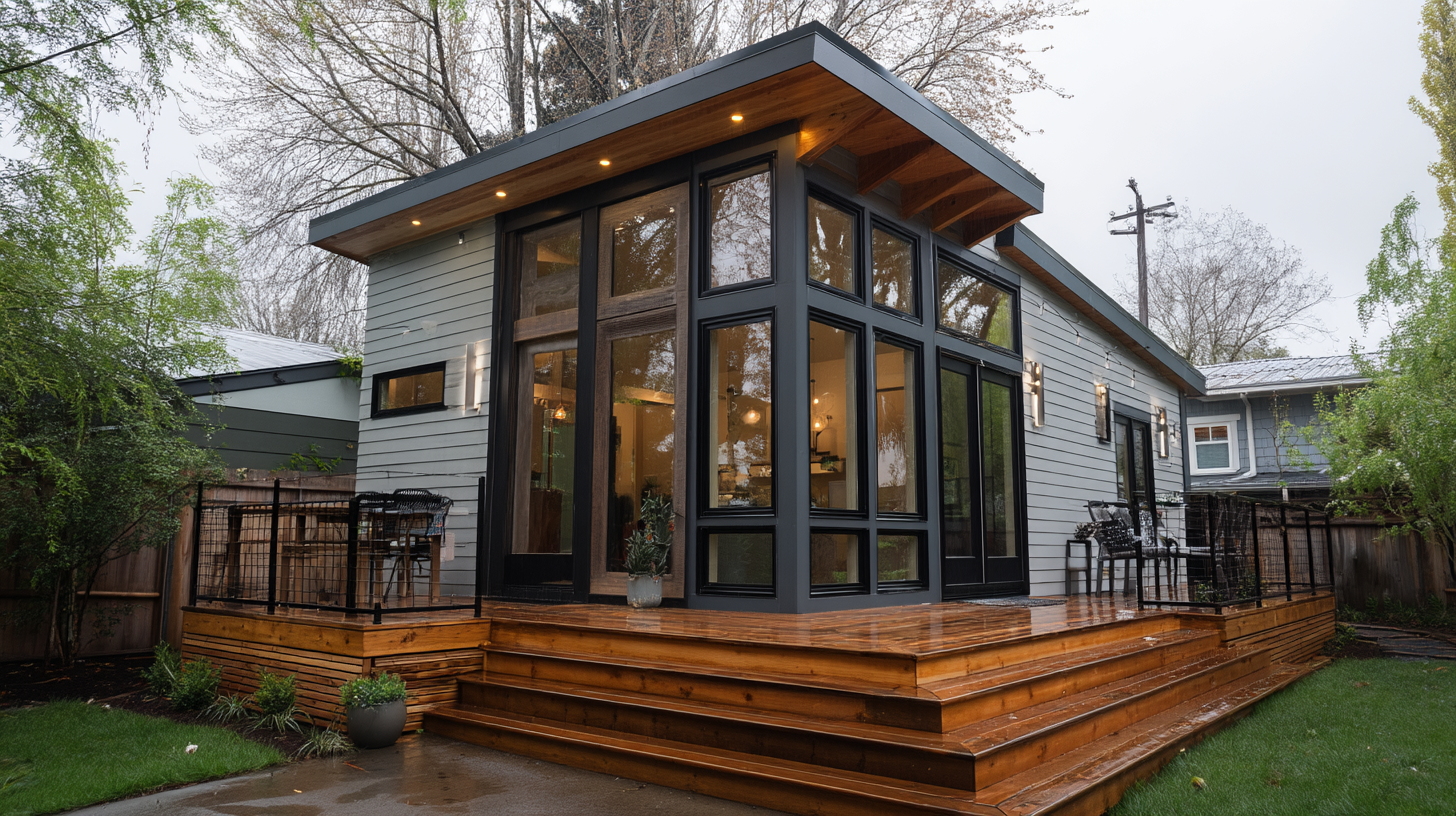
Tiny homes refer to dwellings typically smaller than a small house, often 400 square feet or less of floor area, excluding lofts in many definitions. The International Residential Code Appendix Q sets out one standard used by many tiny home builders, and many tiny home industry association materials use 400 square feet as a benchmark.
Tiny houses may be mobile homes, tiny homes on wheels, or houses built on permanent foundations. Tiny house communities gather many tiny homes or small homes in a shared site. Tiny house owners often value limited space, efficient design, solar panels, composting toilets, or less energy use. Many tiny houses are part of the tiny home movement which emphasizes sustainability, minimalism, simpler living, and lower costs.
Tiny living does not mean sacrificing comfort, it means making more of what you have, using dual purpose furniture, designing for social, guest house style uses, or long term living with minimal footprint but maximal quality. Many tiny homes are designed to be energy efficient, with good insulation, careful selection of materials, sometimes off grid features.
Legal and Regulatory Foundations for Tiny Homes in California
Building Codes, Appendix Q, California Residential Code
Tiny homes must comply with certain building codes, even when they are small house style or mobile. California and many counties refer to the International Residential Code, especially Appendix Q, which governs tiny houses code definitions. In California the 2022 California Building Code and California Residential Code include provisions for tiny homes, particularly when used as single dwelling units.
Key code standards include minimum ceiling height, habitable room size, bathroom and kitchen requirements, egress, fire safety, insulation, and more. For example, in some counties the minimum ceiling height is around 7 feet, in others 7 feet 6 inches, habitable rooms must be no less than 70 square feet for “other” rooms beyond the main living area, and one room may need to be at least 120 square feet.
Permitting, Zoning Laws, Zoning Regulations
Tiny home communities or standalone tiny homes must satisfy local zoning laws. That includes whether a tiny home on wheels is allowed, whether it is permitted to be a permanent residence or considered a recreational vehicle, how parking or land placement works, whether utilities must be connected to permanent systems, and whether a tiny home is treated more like mobile homes or park trailers. Many jurisdictions do not allow mobile tiny houses to be full time dwelling unless they meet very specific conditions.
Building permit processes are required when a tiny home is built as a small dwelling unit or site built structure. If it’s to be used as an accessory dwelling unit, or as a guest house or permanent residence, permits and inspections are mandatory. Without a proper building permit many tiny homes may be considered illegal.
Permanent Foundations vs Mobile Tiny Homes on Wheels
Tiny home on wheels (THOW) options give mobility, but many tiny home builders and many local codes treat them differently from small home built on permanent foundations. For a tiny home to be a permanent residence or ADU, often the unit must be placed on a permanent foundation, utilities must be connected, wheels and towing components removed, and the structure must meet the same building materials, building codes, egress, insulation standards as any traditional home or small house.
Minimum Size, Ceiling Height, Floor Area
Most tiny homes must have a habitable room meeting minimum square feet, often one main room of at least 120 square feet, other habitable rooms not less than 70 square feet, minimum ceiling height around 7 feet or more, or at least 7 feet 6 inches in many California jurisdictions. Bathrooms and kitchens must comply with code, with toilet, sink, and shower space, proper ventilation and plumbing.
Differences: Permanent Residence, Guest House, Recreational Vehicle
Tiny home may or may not be considered a permanent residence depending on construction and compliance. Sometimes tiny home on wheels is treated like RV or travel trailer, sometimes like a park model or mobile home. RV loans, recreational vehicle industry association rules may apply to mobile units. Guest house style tiny homes may be easier to permit if they are built to code and not mobile, or are classified as ADUs.
How Tiny Homes Compare to Accessory Dwelling Units (ADUs)
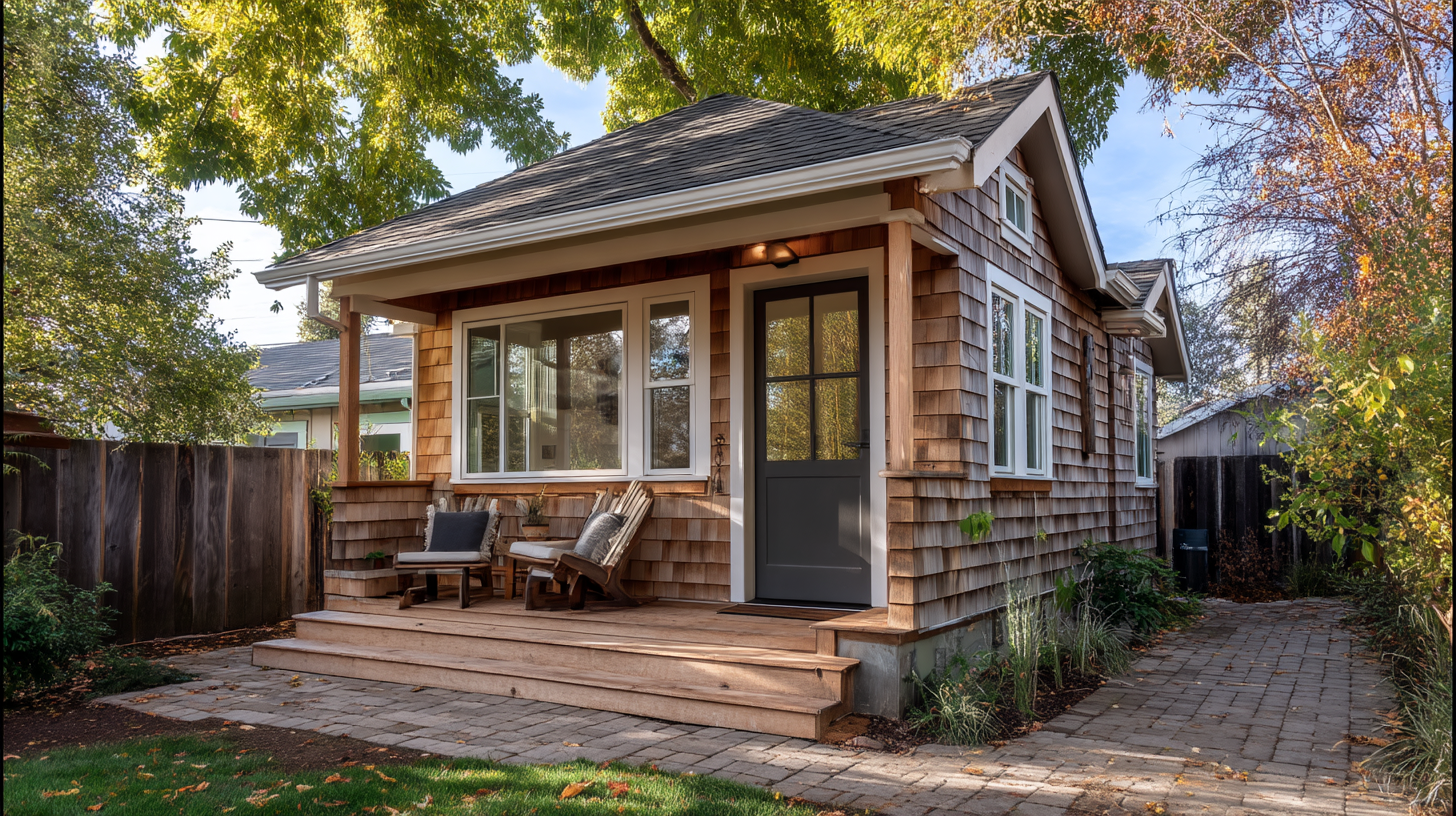
Accessory dwelling units are units built on existing single family property, intended to be secondary dwelling units, with independent kitchen, bathroom, sleeping area, and other living facilities. ADUs often require building permit, meet local codes. Tiny homes may serve as ADUs if they meet those conditions, particularly if built on permanent foundation, meeting minimum size, meeting building materials, energy and utility standards.
Many homeowners prefer accessory dwelling units for stable legal status, for property value, for long term living, because ADUs are recognized in local planning laws, permitted in many cities, often easier to finance when built permanently. Tiny home movement sometimes overlaps with ADU design, but many tiny houses being mobile or not fully code compliant cannot be ADUs.
Cost, Materials, Energy, Living Costs
Construction Costs, Materials, Energy Consumption
Construction of tiny houses tends to cost far less than traditional homes but cost per square foot may be higher due to custom work, space efficient materials, custom cabinetry, special insulation, and utility hookup costs. Estimates in 2025 show many tiny homes cost between $30,000 and $150,000 depending on size, mobile vs permanent, degree of custom finish, presence of solar panels or off grid systems, special toilets or water systems.
Materials selection is important. Wood, metal, composites, recycled materials, high performance insulation, efficient windows all matter. In many tiny homes builders use materials that reduce weight if mobile, improve energy efficiency, and reduce maintenance. Solar panels, composting toilets may appear in some designs especially in tiny home movement focused on sustainability.
Energy consumption in many tiny living cases is much lower than in traditional home. Some reports say tiny homes use 45 to 80 percent less energy depending on climate, design, insulation, appliances.
Living Costs, Maintenance, Parking, Utilities
Living costs for tiny home owners are often lower monthly because of lower utility bills, less land or property taxes, less maintenance. Parking or placing your tiny house or small home may also incur costs if land is rented, or if you must pay for connection to sewer, electricity, water, or if you need to remove wheels and install skirting or foundation.
Recreational vehicle industry association or mobile home rules sometimes require different inspections, insurance, taxes. RV loans may apply when the tiny home is mobile, financing may be different. Traditional mortgage lenders may not finance tiny home on wheels.
Social, Lifestyle, Small Space, Tiny House Community Aspects
Many tiny house owners appreciate limited space, but value comfort, clever storage, design innovations that allow live comfortably in a small dwelling. Tiny house community or tiny home communities are often places where people share resources, maybe common land, maybe shared utilities or shared guest house style amenities. These communities may help reduce living costs through shared infrastructure, improve social connection, and help with zoning because some jurisdictions allow grouped tiny homes more easily than isolated mobile units.
Tiny home movement includes people interested in sustainable living, alternative lifestyles, lower cost of living, long term living in small home, being part of a community. Tiny home industry association groups sometimes offer resources, standards, or best practices for tiny home builders or tiny home owners.
What Size, What Is Considered Tiny, What Is Too Tiny
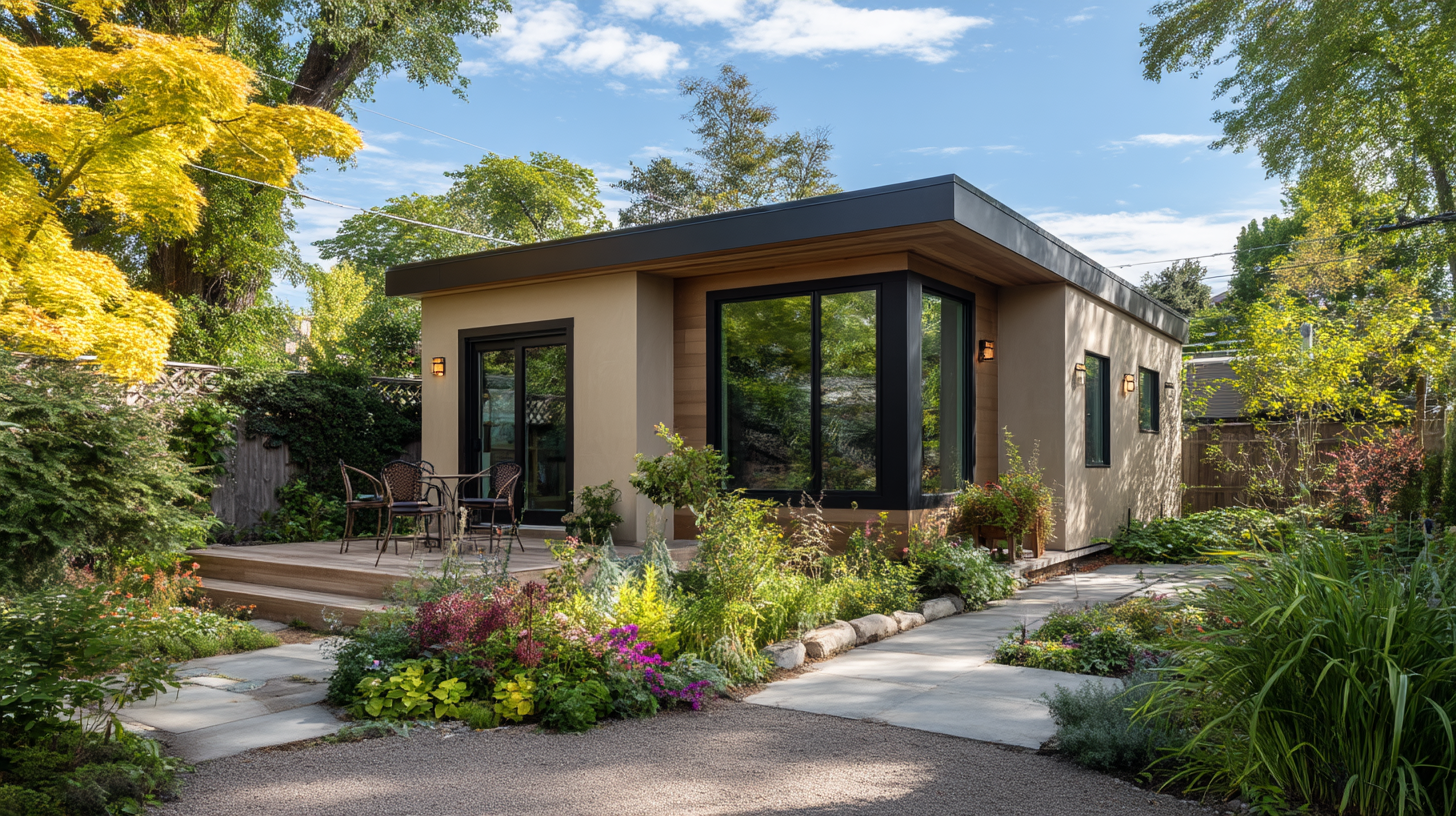
Many tiny houses are under 400 square feet, and many tiny home buyers consider small house under 150 square feet or very compact units. Tiny homes less than 130 square feet will hold a large share of some market segments.
If you go below minimum size dictated by codes, you may lose legal recognition as dwelling, law may classify as RV or non habitable structure. If over 400 square feet, tiny home may instead be in category of small home, or categorized as accessory dwelling unit or regular small house.
Minimum size standards are required in most jurisdictions for safety, stability, fire egress, ventilation. For example code might require a sleeping area, a room with 120 square feet, other habitable spaces with minimum 70 square feet. Ceiling height minimums of 7 feet or more in many jurisdictions.
Where You Can Put Tiny Homes, Guest House Options, Zoning and Use
Zoning laws differ city by city, county by county. Some cities permit tiny house communities, others restrict tiny homes on wheels, others only allow fixed foundation tiny homes. Some areas allow tiny homes as guest house or accessory dwelling units, provided building permit is obtained, foundation is permanent, utilities are hooked up, and external appearance meets code, not looking like an RV.
Guest house style units sometimes work well as ADUs, allowing homeowners to add space for family, rental income, or multigenerational use. Property owners should check with their local planning department.
Pros and Cons, Differences, What to Expect
Advantages
- Save money on land, materials, energy use, living costs
- Less energy, lower utility bills, smaller environmental footprint
- Faster build times especially for mobile units from tiny home builders
- Potential rental income or additional guest house for family or for small dwelling
Challenges
- Zoning regulations, building codes may restrict what is allowed
- Financing difficulties, especially if unit considered mobile or RV, restrictions on RV loans
- Maintenance in limited space, sometimes higher cost per square foot for custom work
- Utility hookup may be complicated
Example Cases and Market Trends
Tiny homes in various California counties must follow IRC definitions, California code, and must be 400 square feet or less, meet ceiling height, habitable room size, and other requirements. In Santa Cruz, for example, tiny houses must be no larger than 400 square feet and no taller than 14 feet. Market data shows tiny homes less than 130 square feet will hold nearly 40 percent of the mobile tiny homes segment in 2025.
Is a Tiny Home Suitable for You
If you want to live long term in a tiny home or guest house style unit, want to reduce living costs, want a low maintenance home, or want to join a tiny house community or build a small dwelling as ADU, tiny homes may be suitable if you accept limited space, planning constraints, and invest in good design.
If your goals include raising families or needing larger bedrooms or more living room space, a small home or traditional home may be more appropriate. If financing via traditional mortgage, if you want stable permanent residence, the ADU route may be more reliable.
How to Get Started
- Research your local building codes, zoning laws, and whether mobile tiny houses are allowed in your city or county.
- Decide whether your tiny home will be mobile or fixed, whether it will be used as ADU or guest house or truly stand alone.
- Work with experienced tiny home builders or a firm that handles design, building permit, utility hookup, construction, and materials.
- Budget carefully for both up front costs, ongoing living costs, permit fees, utility connections, land, and foundation work.
- Incorporate good design for limited space, sleeping area, storage, light, multi use rooms, efficient materials, and energy saving features.
Frequently Asked Questions
How small does a house have to be to be considered a tiny home
Usually when floor area is 400 square feet or less. Smaller tiny homes may be under 150 square feet. Code minimums for habitable rooms and ceiling height must still be met.
Can you legally live in a tiny home in California
Yes if it meets building permit, building codes, utilities, foundation requirements, and zoning regulations. Unit built on permanent foundation is much more likely to qualify as a permanent residence. Tiny home on wheels might face more restrictions or be considered RV.
What is the difference between a tiny home and an accessory dwelling unit
Accessory dwelling units are secondary dwellings on existing lots, require separate utilities or metered services, permanent foundations, and full building code compliance. Tiny homes may be mobile or less formal, may not meet all building codes needed for ADUs. A tiny home can be an ADU if built to code, on foundation, permitted, and utilities connected.
Are tiny homes legal in Sacramento or nearby cities
In many Northern California cities, places like Sacramento or surrounding counties are exploring or already allowing tiny homes, especially as ADUs, with the conditions above. Local planning and building departments need to be consulted.
How much does a tiny home cost, and what are ongoing living costs
Cost for construction, land, utility hookup, finishing, materials, can range from about $30,000 to $150,000, depending on size, mobile vs permanent, finished quality, presence of solar panels, and other features. Living costs are lower because of lower electricity, heating, water usage, and lower maintenance. But some costs tied to parking, land, and permits may be extra.
What about solar panels, composting toilets, off grid or sustainable features
Many tiny home builders include sustainable options like solar panels, composting toilets, efficient windows, and high insulation. These features can reduce energy consumption and long term costs but may increase up front materials, installation, and permit complexity.
Conclusion
Many tiny homes represent more than minimalist style, they are part of a tiny home movement that offers alternative housing, lower costs, less energy consumption, creative design, community living, guest house use, or long term living. What is considered a tiny home depends largely on size, floor area, whether it is mobile or permanent, whether it meets building codes, whether you place it on a permanent foundation, whether you get the building permit, whether utilities are connected, and whether local zoning regulations allow it.
For California homeowners curious about accessory dwelling units or tiny home builders, it is essential to understand these differences before building. If you are ready to explore building a tiny home style ADU, or want a guest house, or want to live long term in a small dwelling, Golden State ADUs can help with design, permitting, construction, matching building materials, ensuring code compliance, and helping make your tiny living dream work. Contact us today for a free consultation to see if your property can host the tiny home that fits your lifestyle.