
AI Overview:SB79 brings significant updates to ADU regulations throughout Sacramento, prioritizing streamlined permitting, more flexibility for homeowners, and clearer state-level standards. Whether planning to build a backyard cottage or modern in-law suite, it’s essential to understand how SB79 changes design, fees, utility connections, and the review process in 2026 and beyond.
SB79 and Sacramento ADUs: What Homeowners Need to Know in 2026 and Beyond
Introduction: SB79 at a Glance
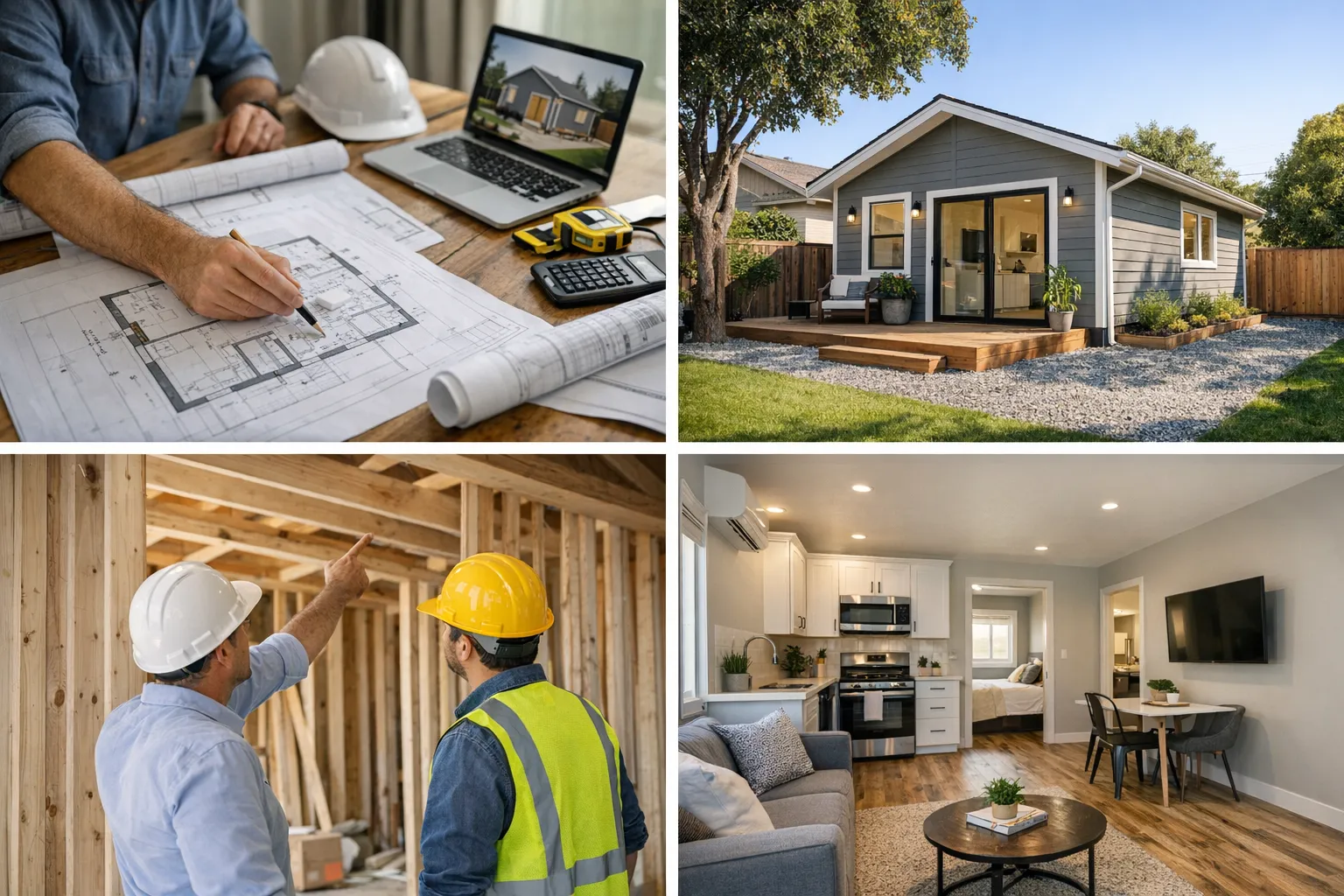
What is SB79?
SB79 is the latest milestone in California’s push to ease housing shortages by making it easier for homeowners to build Accessory Dwelling Units (ADUs). Specifically, SB79 refines and strengthens statewide ADU policies from previous laws, with a major focus on streamlining permits, reducing red tape, and standardizing what local governments can regulate. If you’re looking to build an ADU in Sacramento—or simply want to maximize your property’s value and flexibility—understanding SB79’s implications is essential in 2026 and beyond.
Why Sacramento Homeowners Should Pay Attention
SB79 isn’t just another piece of housing legislation; it’s a game changer for how ADUs are conceived, approved, and constructed in Sacramento and across California. This law directly impacts everything from your construction timeline to design choices, utility connections, and long-term rental potential. Golden State ADUs unpacks what these changes mean for Sacramento homeowners, so you can make the smartest possible decisions for your project.
SB79 enables faster, more predictable ADU approvals without sacrificing quality or design flexibility—making it easier than ever for Sacramento homeowners to expand housing options on their own property.
SB79 Explained: Key Provisions for ADUs
Streamlined Permitting & Faster Approvals
One of the cornerstones of SB79 is its mandate for a truly expedited permitting process. Whereas past ADU applications in Sacramento could get bogged down in months of review, SB79 limits cities and counties to clear, universal timelines. Under the new law, agencies must review and act on a completed ADU application within 60 days—eliminating former gray areas that allowed ‘delays by default.’ This greatly benefits homeowners by shrinking the waiting period and providing much-needed certainty.
Changes to Design and Lot Size Requirements
SB79 further standardizes which design and dimensional restrictions local authorities may impose on ADUs. For instance, minimum lot size requirements for ADUs are now largely prohibited, opening up new opportunities for smaller or irregularly shaped Sacramento lots. The law also curtails subjective ‘aesthetic’ design review that can lead to unpredictable denials. Instead, objective standards—like height limits, set distances from the main house, or exterior materials—are now the rule.
Potential Shifts in Utility Hookups and Fees
Another critical area addressed by SB79 involves how local governments handle utility connections and related fees for ADUs. The intention is to prevent municipalities from using high infrastructure fees to effectively block ADU construction. Now, if your ADU is within the existing footprint or adds less than 800 square feet, cities must restrict utility connection fees to what is ‘proportionate’ to the impact. This change creates a more predictable, budget-friendly process for Sacramento homeowners, especially on older or smaller parcels.
Impact on Owner-Occupancy and Rental Flexibility
SB79 continues to prohibit most owner-occupancy restrictions for new ADUs—meaning you don’t need to live on-site to rent out either the primary home or the ADU. Combined with new rental-matching programs and fair housing standards, the law gives Sacramento landlords and investors significantly more rental flexibility (subject to local vacancy ordinances).
Quick Comparison: SB79 vs. Previous ADU Laws
- Permitting Deadlines: Reduced from 120+ days to 60-day max response.
- Lot Size Minimums: Abolished for ADUs statewide (unless health/safety).
- Utility/Impact Fees: More transparent and restricted under SB79.
- Design Review: Only ‘objective standards’ allowed—no more subjective denials.
SB79 fundamentally shifts the ADU playing field by standardizing timelines, cutting permitting headaches, and prohibiting many local restrictions that historically blocked Sacramento homeowners from adding usable square footage.
How Sacramento is Implementing SB79
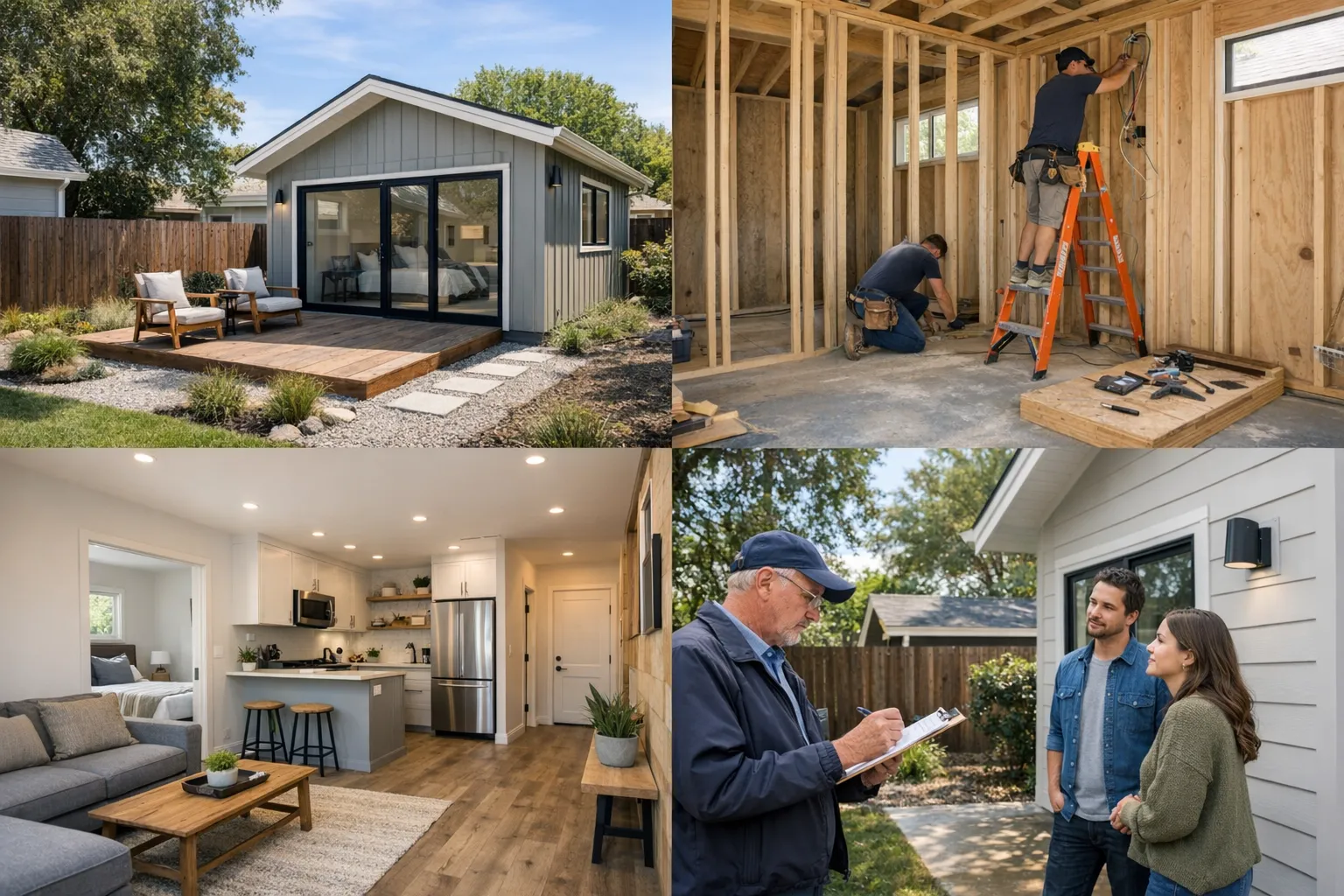
Local Ordinances vs. State Law: What Takes Precedence?
With SB79, state law now overrides any local ordinance that is less permissive or more restrictive. Cities like Sacramento must update their local zoning codes and processes to comply with these state standards. This means even if local rules appear more complicated, the streamlined pathways of SB79 take priority—you get the benefit of the faster, fairer state process. Golden State ADUs stays up-to-date on every code update and works closely with local planners to keep your project on track.
Practical Impacts for Homeowners in 2026
The reality for Sacramento homeowners in 2026 is a more transparent, manageable experience when building an ADU. You’ll no longer have to navigate contradictory setback rules or arbitrary design preferences imposed at the municipal level. For most projects, provided you follow the published objective standards and submit a complete application, your ADU should move rapidly through the pipeline.
How City and County Departments Are Adapting
Sacramento’s Planning and Building departments are updating training, checklists, and even digital submission tools to reflect SB79’s mandates. Expect clearer communication, faster pre-application meetings, and less back-and-forth over minor plan tweaks. Still, complexity remains when individual parcels have overlays, are in floodplains, or have utilities pre-dating modern codes. That’s where experienced partners—like Golden State ADUs—are indispensable.
Real-World Scenario: Navigating Site Plan Reviews Post-SB79
Imagine submitting plans for a detached studio ADU on a tight Midtown Sacramento lot. Under SB79, staff can only analyze your proposal based on objective design rules clearly stated in the municipal code. Provided your plans align, approval is largely automatic—and any required changes are spelled out within a strict timeline.
Detailed Steps: Submitting a Sacramento ADU Permit in 2026
- Pre-application research (review professional ADU examples in Sacramento’s diverse neighborhoods).
- Prepare a site/plot plan and objective design data.
- Complete digital application through city/county e-permitting system.
- Submit for plan review; receive specific feedback or approval in 60 days or less.
- If required, address health/safety or utility comments only.
- Obtain construction permit and begin building with confidence.
As of 2026, Sacramento homeowners have unprecedented clarity, speed, and predictability when launching an ADU project—provided you understand how to leverage SB79’s protections in your favor.
Addressing the Gaps: Real-World Considerations Unique to Sacramento
Historic Districts, Tree Preservation, and SB79 Exemptions
While SB79 covers the vast majority of single-family and multifamily lots, certain historic districts or special overlays (like tree preservation or creek setbacks) still hold sway for Sacramento homeowners. These exceptions can layer on additional review or require special documentation. Golden State ADUs is skilled at negotiating even the most complex circumstances—partnering directly with historic review boards or arborists to satisfy all criteria without derailing your project.
Climate Goals and Neighborhood Resilience
SB79 specifically supports Sacramento’s climate resilience by encouraging sustainable ADU design. This can mean higher energy performance standards, drought-friendly landscaping, and stormwater management integration—often without triggering additional procedural burdens. We work closely with clients to turn these requirements into value-adds for resale and long-term durability, not roadblocks.
Managing Infrastructure Stress: Utilities, Parking, and Public Resources
Infrastructure is a spotlight issue: ADUs introduce new loads for water, sewer, electrical, and road use, especially for older neighborhoods. SB79’s guidance limits excessive fees, but you may still face modest upgrades or new meters on certain sites. For a prospective budget, our detached ADU cost breakdown remains a reliable reference. Parking requirements are generally loosened—but consult us early if you’re near a transit corridor or have sidewalk constraints.
Neighborhood Pushback: What Homeowners Need to Know
Even with strong state backing, neighborhood anxiety can impact ADU projects. Common concerns include privacy, shading, and on-street parking. SB79 requires Sacramento to process valid ADU applications, but savvy homeowners can smooth the process by proactively sharing plans, addressing landscape buffers, or choosing context-appropriate ADU models. Our experienced team helps you stay both compliant and neighborly.
Case Study: Applying SB79 on a Historic Midtown Lot
Consider a 1940s craftsman with protected trees near the curb. Previous ADU attempts failed over subjective design reviews. Post-SB79, the homeowner worked with Golden State ADUs to select a compact ADU plan that respects tree root zones and historic scale. By addressing both objective design codes and historic preservation up front, the permit was secured within the 60-day window—proving that informed strategy beats endless negotiation.
Internal Link: Learn More About ADU Rules in Sacramento Neighborhoods
For an in-depth exploration of ADU styles and real permit wins, see our Sacramento ADU portfolio with local highlights.
SB79 solves many traditional pain points for Sacramento homeowners but doesn’t erase real-life complexities—especially on historic, small, or infrastructure-constrained parcels. That’s why expert guidance is irreplaceable.
Golden State ADUs: Your Guide Through the SB79 Transition

Our Design-to-Build ADU Process Tailored for Sacramento
At Golden State ADUs, we don’t just design and build—we provide planning expertise specifically tailored to Sacramento’s evolving requirements. Our team incorporates SB79 standards into every step, from feasibility analysis and site-specific design to application submission and construction oversight. We turn legal changes into real homeowner benefits, minimizing delays and maximizing value.
How We Help Homeowners Navigate New Regulations
We begin every ADU journey with an in-depth review of your site’s deed, zoning overlays, utilities, and neighborhood regulations—now cross-referencing precisely where SB79 preempts local hurdles. When special issues arise (historic overlays, tree protection, or multifamily conversions), we bring in focused expertise so your application meets both state and city priorities.
Examples: Recent Projects Adapting to SB79
Since SB79’s passage, we’ve seen a wave of projects previously deemed ‘impossible’ now moving forward. Compact lots are now buildable. Application timelines are reliable. Design restrictions are transparent. No matter your property, our integrated design-build process lets you focus on your future ADU—not paperwork headaches.
Internal Link: Explore Our Full-Service ADU Planning Process
Curious how our ADU process works from concept to keys? Visit our About Us page for details on what sets Golden State ADUs apart.
Golden State ADUs is your Sacramento ADU advocate through every step of the SB79 transition—delivering expertise, peace of mind, and true added value, every time.
Next Steps for Sacramento Homeowners Considering an ADU
Checklist: What to Review Before You Start
- Identify objective ADU standards in Sacramento city/county code (or consult us for a summary)
- Review your lot for any overlays or historic district status
- Assess utility access and preliminary infrastructure needs
- Consider privacy, shading, and access for both main home and ADU users
- Estimate project budget with contingencies for utilities or specialized reviews
Timeline: What to Expect from Planning Through Move-In
- Planning/Conceptual: 2-4 weeks (site walk, design options, rough budget)
- Design & Application: 4-8 weeks (working drawings, submission through permitting tools)
- Permitting: 2 months max (by law, post-SB79!)
- Construction: 4-6 months (module delivery or ground-up build)
- Total to Occupancy: 6-12 months average from initial contact
Getting a Consultation with Golden State ADUs
Whether you’re ready to break ground or just brainstorming, the best first step is a direct conversation. We offer site-specific feasibility assessments and practical advice for navigating SB79—plus an inside look at project timelines, budgets, and design samples.
Book your personal ADU consultation with Golden State ADUs today.
Deciding to build an ADU in Sacramento is easier—and smarter—under SB79. Leverage the experience of a trusted partner to make your investment work for you, for your family, or as a rental opportunity.
Conclusion: Empowering Sacramento Residents to Build Smart
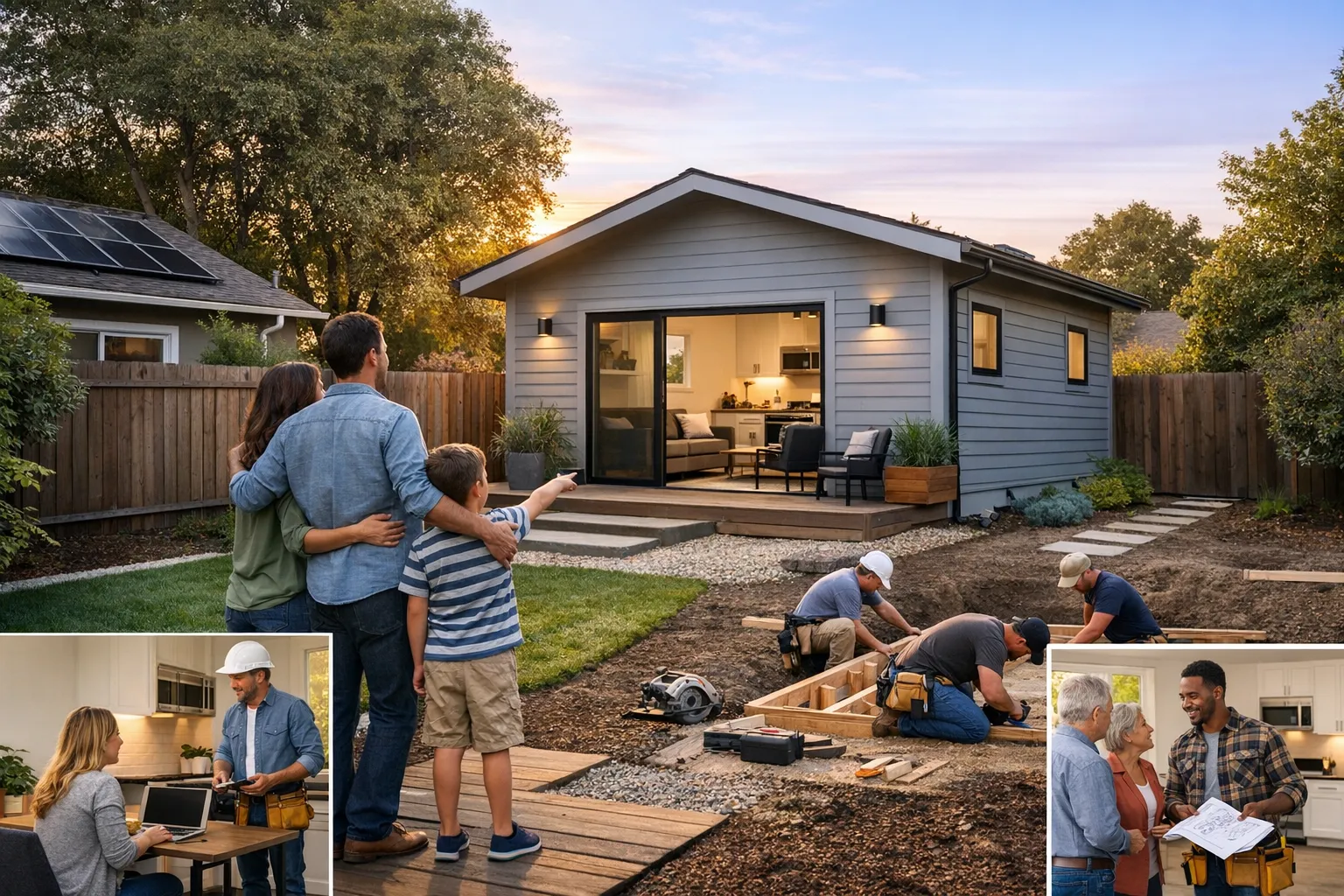
SB79 represents more than legislative change—it’s a direct investment in Sacramento neighborhoods, creating new paths to accessible, affordable housing and long-term property value. With the right information and a clear-headed partner, Sacramento homeowners have more opportunity, flexibility, and control than ever before. At Golden State ADUs, we’re dedicated to making the process smooth, transparent, and tailored to your exact property. The landscape has changed; your options have expanded. Let’s build something lasting, together.