

In Partnership With
What Are the Common Uses for an ADU?
19 Jan
- Golden State ADUs
- Comment 0
What Are the Common Uses for an ADU?
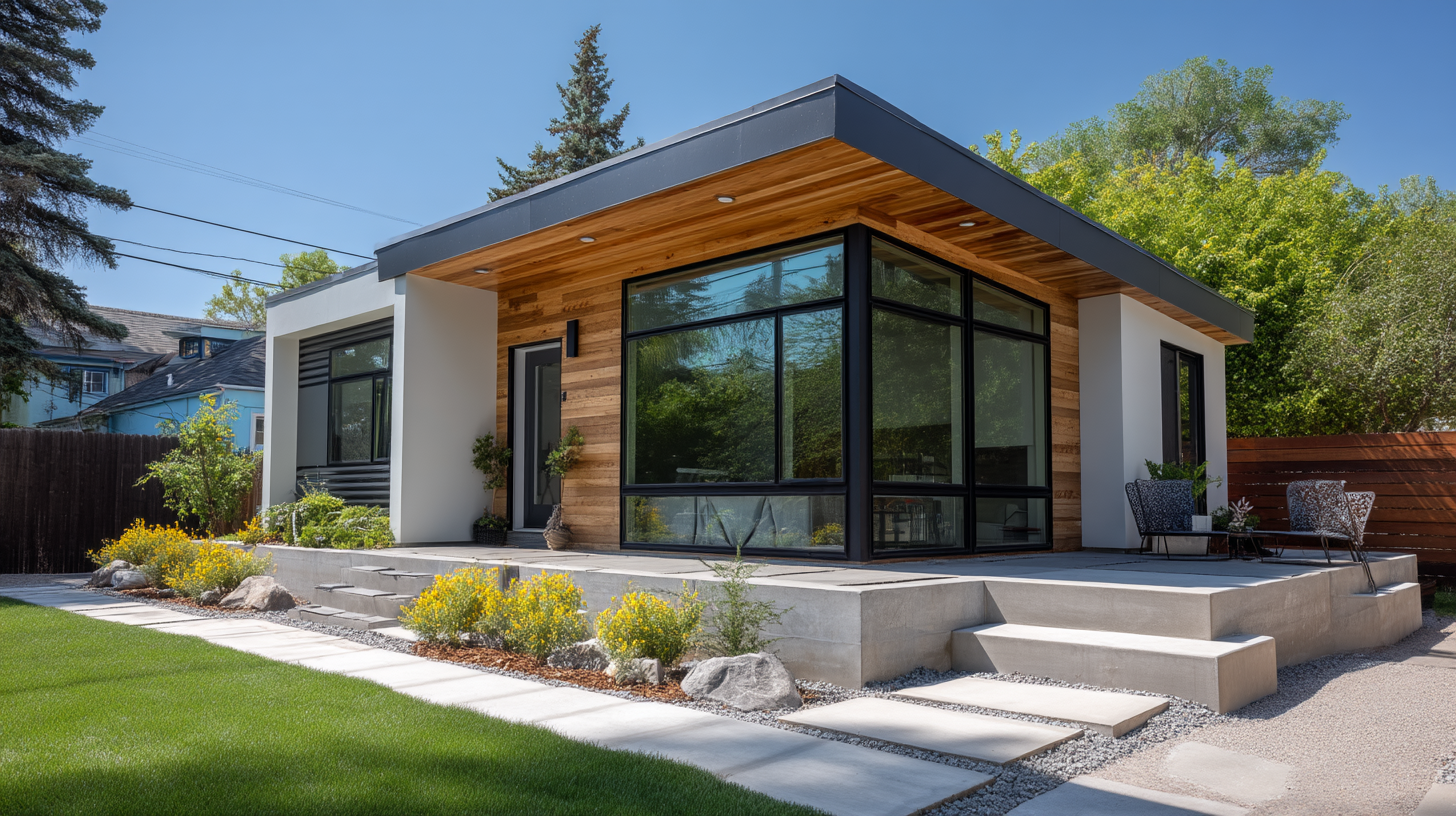
Accessory dwelling units adus have become one of the most impactful ways for homeowners to add additional space on the same property as a primary residence, and the question we hear most often is, what are the common uses for an ADU? From rental income to private space for family members, from creative studio space to a dedicated home office, accessory dwelling units adus offer unmatched flexibility for modern living arrangements, providing everyone with their own space, and they continue to transform how people think about space, value, and lifelong housing goals.
Whether you live in Sacramento, San Diego, or anywhere in California with evolving local laws around secondary housing unit design and construction, what follows is a comprehensive look at how most homeowners in 2025 are choosing to use accessory dwelling units adus and why each use matters for your lifestyle, your future buyers, and your financial goals.
Generate Rental Income With Long Term and Short Term Rental Uses
One of the primary and most financially strategic uses an owner can choose for accessory dwelling units adus is to generate rental income, either through long term housing or short term rental options like vacation rentals. Many homeowners prioritize building an ADU to serve as a rental unit managed independently or by a third party, and this use helps offset mortgage expenses or homeowner costs while adding passive income to household cash flow.
Long term rental units are great for consistent monthly income, and they also help owners plan around property taxes, insurance, and maintenance. Short term rental options provide flexibility, and they may appeal to travelers, remote workers, or college visitors seeking affordable housing near campuses.
To generate rental income with your ADU project, design matters. Features like a separate entrance, own kitchen, full bathroom facilities, and thoughtful layout help rental units feel like a true home, and they help attract and retain tenants. One bedroom ADUs or small ADUs with efficient space usage can perform especially well for rental income, making accessory dwelling units adus a valuable addition to any property.
Private Space for Aging Parents and Multigenerational Living Arrangements
Another of the most common uses for an ADU is to create a private space for aging parents as part of multigenerational living arrangements. Multi generational living allows families to stay connected, share daily routines, support health needs, and extend independence for aging parents. Many homeowners consider ADUs as modern in law suite alternatives.
When you design for aging parents, focus on aging in place features like zero step entries, wider doorways, and accessible bathroom facilities. Providing a detached ADU or a converted existing space with elements like a Murphy bed and accessible design helps ensure that parents live comfortably and safely when family support is nearby.
This use of an ADU appeals to families who want independent living for their loved ones while fostering daily connection, shared meals, and peace of mind. It also adds a valuable living area that appeals to future buyers who may be thinking about their own multi generational living plans.
A Guest House That Feels More Like Home Than Your Main House
Most homeowners find that when they build accessory dwelling units adus, they can use the additional space as a guest house for family and friends long before they consider other uses. A dedicated guest house, whether attached or a detached ADU, provides more space, privacy, and comfort than a spare guest room in the main house.
Guests staying in an ADU enjoy a separate space with a kitchen, living area, and bathroom facilities, and this makes hosting for holidays, weekends, or extended visits easy and comfortable. A guest house with a separate entrance also gives visitors the privacy they crave while keeping your daily routine uninterrupted.
Because guest use does not necessarily require a tenant contract, it also gives homeowners flexibility to convert the unit later to rental income or a dedicated space for adult children returning from college, job changes, or life transitions.
ADUs as Home Office or Creative Studio Space
The shift to remote work and hybrid schedules means that more homeowners are choosing to use their accessory dwelling units adus as a dedicated home office or creative studio, rather than just extra living space. A home office in an ADU creates a professional environment separate from household distractions, and it also makes your workflow and daily tasks more efficient because work and home become distinct.
For creative pursuits, an ADU art studio, writing space, or creative studio gives you the quiet, light‑filled space you need to focus. Whether you need clean walls, open square footage, large windows, or sound insulation, designing a creative studio space lets you pursue hobbies, artistic work, crafts, or personal businesses without invading your primary home’s daily living areas.
Investing in an ADU for these professional and creative uses also adds great appeal for future buyers who may want the same flexibility for their routines.
Housing for Adult Children and Students
Many homeowners use accessory dwelling units adus to provide affordable housing for adult children or college students. With rising rent prices in California, having a secondary housing unit on the same property allows adult children to live independently but close by, with their own entrance and their own kitchen. This is particularly valuable near college campuses, where demand for affordable housing from students is high.
Parents who choose this use for their ADU find it gives young adults a comfortable living space while helping them save money and build independence, and it also strengthens family bonds through proximity.
Because this kind of ADU use supports both independence and connection, it often becomes one of the most meaningful uses homeowners choose when they decide what are the common uses for an ADU.
Boost Property Value Through Strategic Additional Space
One of the most long term and financially beneficial uses of an ADU is its ability to boost property value. Adding accessory dwelling units adus increases your total square footage, and real estate professionals recognize secondary housing units as valuable enhancements that can put a property above its competition when it comes time to sell.
Whether an ADU serves as additional living space during your ownership or as a rental unit that generates rental income, a well designed ADU can boost property value and make your home more attractive to future buyers. Investors often seek homes with detached ADU units, house hackers leverage accessory dwelling units adus for upside, and families value the flexibility that additional space offers.
Even with owner occupancy requirements and proper permits secured, ADUs remain a strong way to expand living area and make positive returns on investment, and financing options have expanded in recent years to help homeowners make their ADU project a reality.
Bonus Uses Homeowners Are Exploring in 2025
As accessory dwelling units adus grow in popularity, creative uses continue to expand. Beyond rental income and private living space, homeowners are using ADUs as:
Home gyms with free weights and wellness rooms where daily workouts happen without interruptions
Home theaters or media rooms for immersive entertainment experiences
Practice studios for music lessons, dance, or multimedia creation
Guest suites that double as a remote work space when not hosting company
These uses show that while the core answers to what are the common uses for an ADU remain rooted in financial, family, and living needs, owners also recognize the potential of these spaces to enhance lifestyle, health routines, and creative pursuits.
Mistakes to Avoid When Planning Your ADU
Even the best accessory dwelling units adus can fall short if planning mistakes are made. Here are the most common:
Focusing only on living arrangements today without thinking ahead to rental income or resale
Skipping the step of checking zoning regulations, square footage limits, and floor area ratio rules before design
Overlooking the importance of a separate entrance for rental units or private space use
Assuming existing garage or existing space conversions will be cheaper without factoring permits
At Golden State ADUs we help you navigate local governments, owner occupancy requirements, and proper permits to keep your ADU project on track and avoid these pitfalls.
Is an ADU the Right Choice for Your Property?
To decide whether an accessory dwelling unit is right for you, ask:
Are you looking for rental income, guest space, or independent living for family members?
Do you want more space for work or creative uses without sacrificing your main house living area?
Is your property suited to a detached ADU or a conversion of an existing structure like an existing garage?
If the answer to any of these is yes, building an ADU could provide significant lifestyle upgrades and financial returns.
FAQs
Can I rent out my ADU in California?
Yes, you can operate your ADU as a rental unit once you meet local rules, secure proper permits, and follow owner occupancy requirements where applicable.
What kind of space is best for a home office?
A dedicated home office with private access and thoughtful layout ensures productivity and allows a clear separation of work and home life.
Will adding an ADU increase property value?
Yes, accessory dwelling units adus are recognized by real estate professionals as valuable additions that enhance total property value and appeal to future buyers.
Can I build an ADU if my lot is small?
Many small ADU designs and small ADUs fit well even on modest properties, but checking zoning regulations and square footage limits is an important early step.
Working With an ADU Builder Who Understands Your Goals
Choosing a local expert ensures that your ADU aligns with regional needs and laws. In California the rules around accessory dwelling units adus differ by city and county, and having guidance through design, proper permits, and construction can make all the difference.
A well built ADU adds not just space but peace of mind and practical value to your home.