

In Partnership With
Types of Tiny Houses: Which One Is Right for Your California Property?
24 Nov
- Golden State ADUs
- Comment 0
Types of Tiny Houses: Which One Is Right for Your California Property?
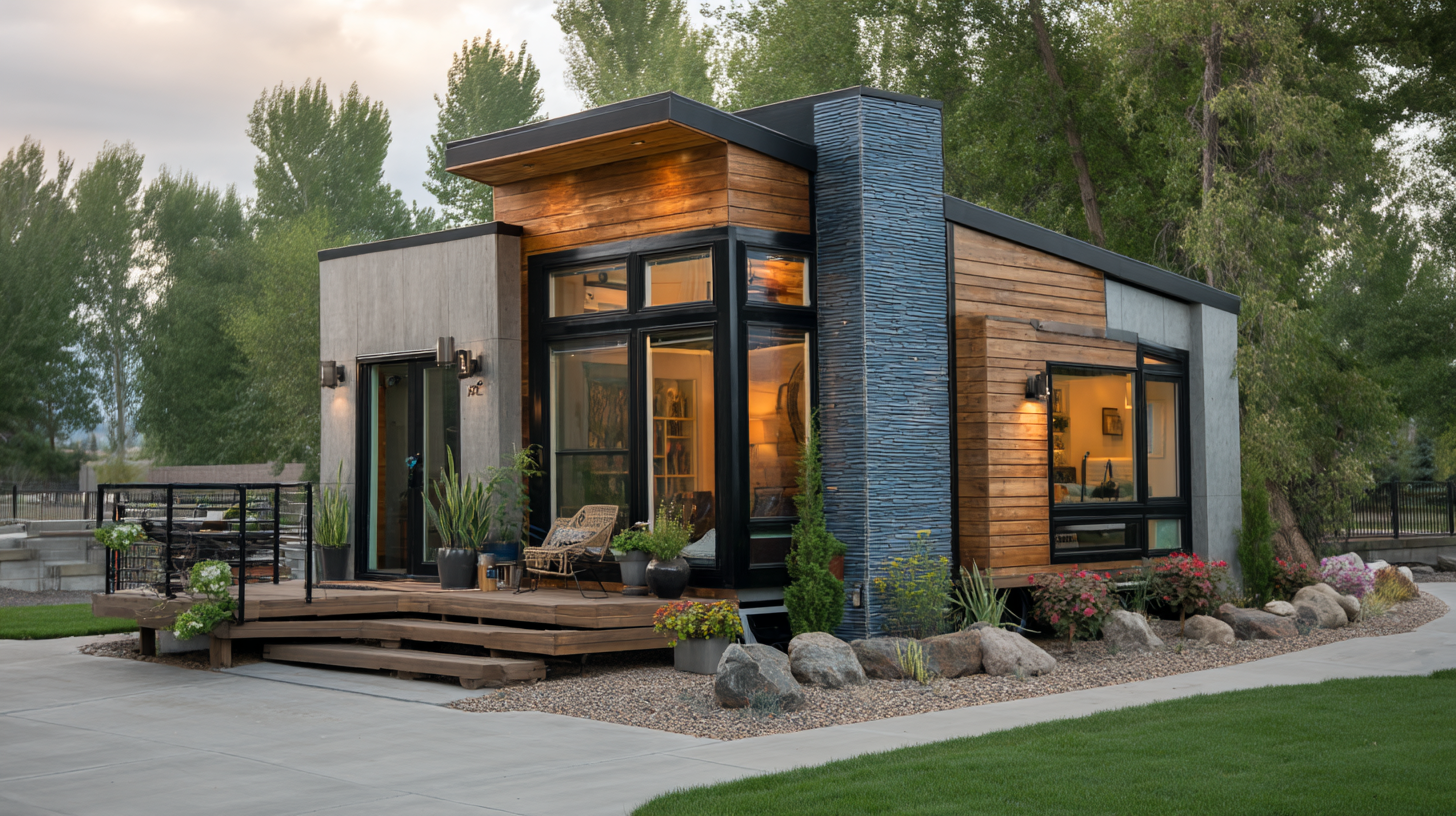
As housing prices continue to rise and homeowners look for smarter ways to add value to their property, the idea of a tiny house living experience has gone from a design trend to a practical solution, especially in California, where regulation around the accessory dwelling unit is becoming more favorable, and space is at a premium. Whether you’re looking to create extra rental income, build a multigenerational living space, or simply add a flexible backyard unit, understanding the types of tiny homes available and which are actually legal and practical in California is the first step toward making a smart investment. If you’re a homeowner in Sacramento, Folsom, Roseville, Elk Grove or the greater Northern California region, this guide will help you understand the major types of tiny houses, how they compare, and which options make the most sense for your property and goals.
What Is a Tiny House?
Tiny houses are typically defined as standalone residential units ranging from roughly 100 to 400 square feet of floor area, though some stretch up to 600 square feet depending on the layout and jurisdiction. The tiny home movement began as a response to rising housing costs, interest in minimalist living, and a desire for sustainable living solutions. Many tiny houses appeal because of their space efficiency and lower overall cost compared to traditional homes, making them ideal for those who want to downsize and live comfortably in a small space.
It’s important to note that not all tiny homes are treated equally under California law and zoning laws. Some fall under RV regulations or mobile homes, others meet residential code standards for a permanent home or a legal accessory dwelling unit. For California homeowners this distinction is key: a mobile tiny house or a tiny house on wheels might look good on Instagram and appeal to the minimalist lifestyle, but that doesn’t mean it will work as a legal, permitted dwelling or rental unit on your land. Permanently installed tiny homes, by contrast, are built to meet residential codes and are more likely to be accepted as a primary residence or legal accessory dwelling unit.
The 5 Most Common Types of Tiny Houses
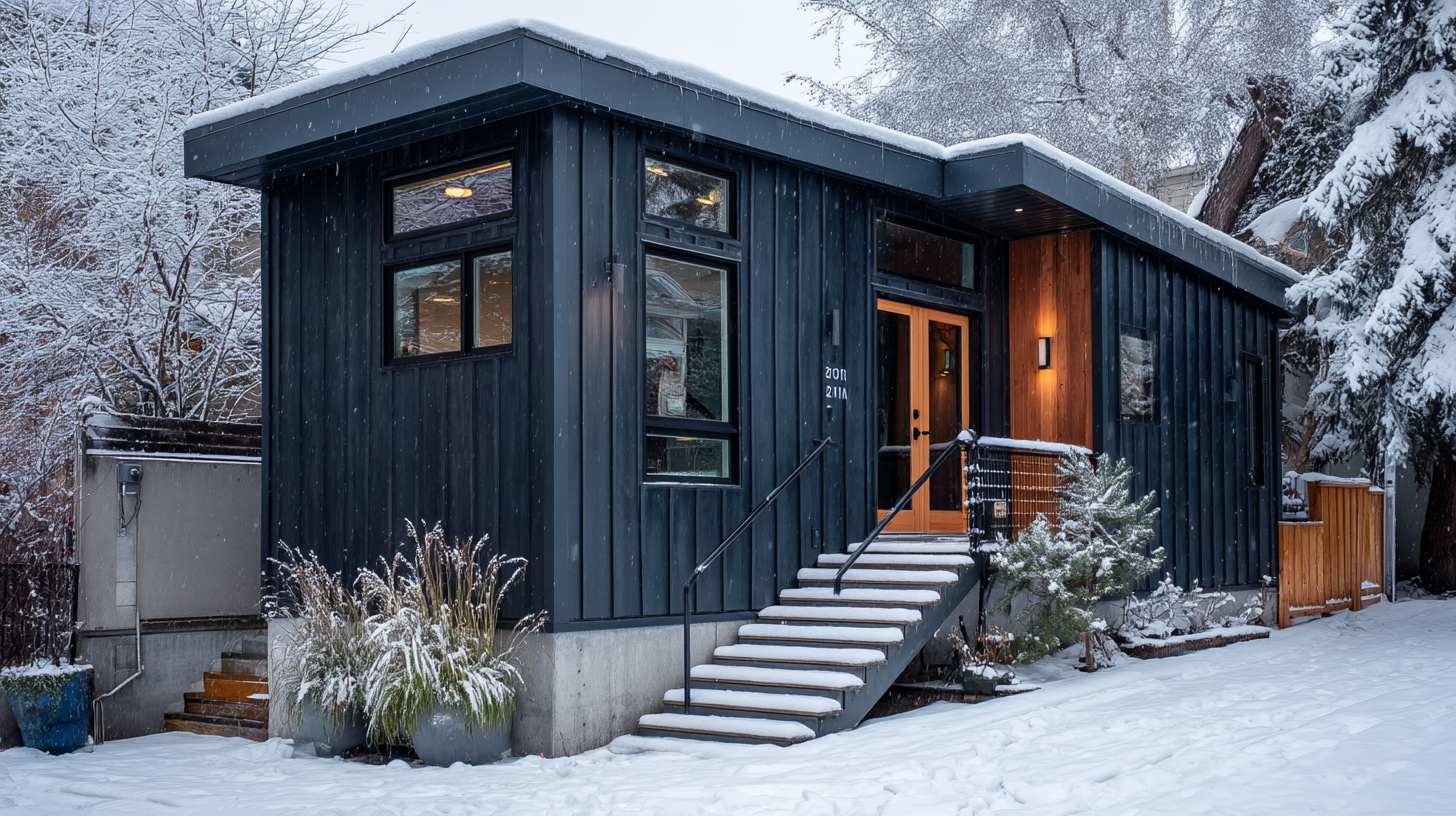
There is no one‑size‑fits‑all when it comes to tiny home living. Each type comes with its own construction method, mobility options, legal considerations, and use cases. Here’s a breakdown of the most common types of tiny houses you’ll encounter.
1 | Tiny House on Wheels (THOW)
Definition & characteristics: A tiny house on wheels is built on a trailer base, making it technically portable or mobile. The width is often limited (for example 8.5 ft) to comply with road regulations. A mobile tiny house typically ranges in size up to about 400 square feet.
Pros: It offers flexibility and mobility, which means it can be transported or relocated. For someone exploring the tiny home lifestyle temporarily or in a rural setting it can be an appealing choice.
Cons: Because it is on wheels and mobile, it may not meet California residential building codes or qualify as a permanent residence or legal accessory dwelling unit. The permitting process may classify it more like a trailer or RV. Utility hookups, site installation and anchoring may be more complex or limited compared to a foundation‑built tiny house. Financing and resale often are more challenging.
Best for: If you are seeking a flexible unit, perhaps for a guest suite, short‑term rental, or off‑grid experiment, and you own land that allows a park model or mobile unit, this may be viable. But if your intention is long‑term rental income, multigenerational living or building property value, you’ll likely be better served by a more permanent structure.
2 | Foundation‑Built Tiny House / Modular Tiny Homes
Definition & characteristics: These dwellings are constructed on a permanent foundation, either slab, crawl‑space or full basement, and are treated as residential dwelling units under the building code. They may be site‑built or delivered modular, sometimes referred to as modular tiny homes or factory‑built.
Pros: Because they meet residential building codes, they are more likely to qualify as legal accessory dwelling units. They are more durable, easier to integrate with utilities, and offer greater resale value and long‑term livability. They better align with the needs of homeowners looking for full‑time living space or rental income. These permanently installed tiny homes are also well-suited for use as a primary residence.
Cons: Generally higher cost than trailer‑based tiny houses due to foundation work, full utility hookups, and full compliance with building permit requirements and codes. The design‑build process may take longer, and the budget must reflect full construction rather than a simplified mobile unit.
Best for: Homeowners seeking to add a legal ADU, guest house, in‑law suite, or rental unit. Because this type is built to permanent home standards it aligns with long‑term goals, steady rental income, and property value appreciation.
3 | Prefab / Container / Expandable Tiny Homes
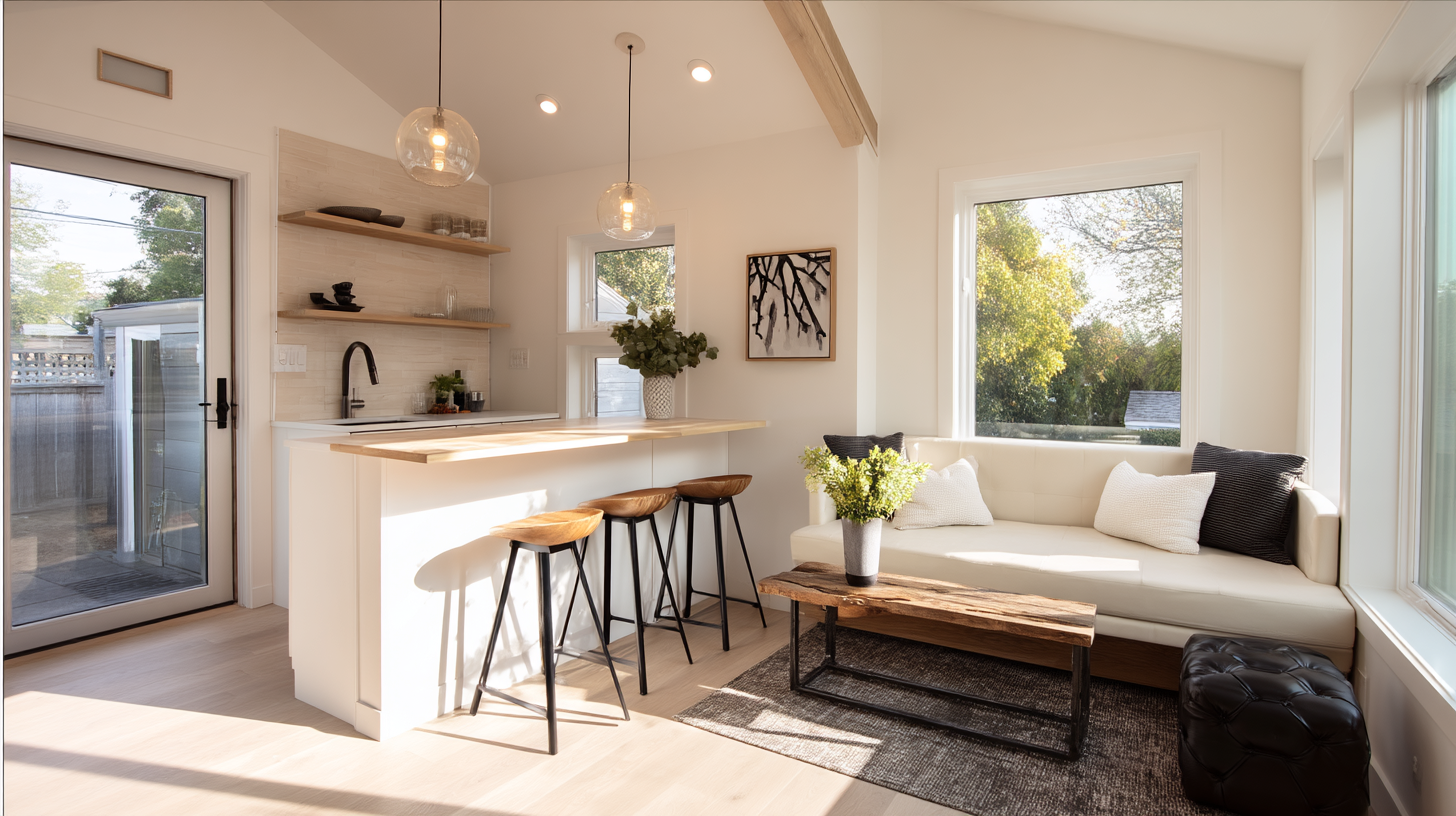
Definition & characteristics: These units use alternative construction methods such as shipping containers, panelized construction, or fold‑out modules delivered on‑site. They may qualify as modular homes or prefabricated dwellings.
Pros: Factory fabrication offers faster build times, exposure to controlled construction quality, and more design flexibility. Some models include energy efficient systems, solar panels, eco‑friendly materials, and clever space planning (lofts, built‑ins, natural light enhancements).
Cons: Permitting is more complex because the materials or methods may diverge from standard building codes; zoning and inspection bodies may place stricter demands. Site preparation and utility integration still matter, and there may be hidden costs in customizing or adapting for full‑time living.
Best for: Homeowners who want a unique design aesthetic, modern finishes, or are comfortable navigating the regulatory path with a professional team. If your goal is a stylish backyard living space or small rental unit and you have a contractor who knows the system, this is an appealing choice.
4 | Park Model Tiny Homes
Definition & characteristics: These are larger units often built on a chassis but with more spacious layouts, often used in resort or vacation contexts. A park model may be termed a mobile home or similar.
Pros: More usable square footage than some smaller tiny homes, nicely furnished, ready for guest use or short‑term rental.
Cons: Because they are built on a chassis and may be classified under RV or mobile home regulations, they may not be eligible as permanent residences or legal ADUs in many California cities. The long‑term rental or resale value may suffer.
Best for: Owners planning a guest cottage, short‑term rental in a vacation zone, or a home on land that allows mobile units, but not ideal for a fully permitted accessory dwelling on a suburban lot.
5 | Specialty Tiny Homes (Treehouses, Off‑Grid Cabins, Floating Homes)
Definition & characteristics: These are niche and creative forms of tiny living: from treehouses and dome homes to houseboats or ultralight units. They represent the outer edge of the tiny house movement.
Best for: Owners of rural land, creative design enthusiasts, experimental living setups. Generally less suitable for suburban California homeowners seeking legal, long‑term rental income or multigenerational living.
Tiny House Communities and Legal Considerations

For those interested in a community lifestyle, tiny house communities are growing in popularity across California and beyond. These communities often feature tiny homes built on permanent foundations and provide shared amenities, fostering a sense of neighborhood and support while still embracing the minimalist lifestyle. However, living in a tiny house community may involve additional zoning and HOA regulations, so it’s important to research local rules in advance.
Tiny House vs Accessory Dwelling Unit in California
One of the most important distinctions for homeowners to understand revolves around the difference between a tiny house or small home and an accessory dwelling unit (ADU). While the term tiny house refers to a small secondary dwelling, an ADU in California must meet specific requirements: it must be built to code, have defined utility connections, meet setbacks, have proper fire safety and foundation standards, and generally be considered a legal dwelling unit on the same lot as a primary home. Many tiny homes, especially mobile versions or those built without full permitting, do not qualify. If your goal is rental income, long‑term rental, property value increase, or creating a legal living space for a family member, choosing a structure that qualifies as an ADU is a major advantage. The benefits include legal compliance, ability to rent long‑term, better financing options, higher resale value, and alignment with state housing policies encouraging ADUs in California.
Choosing the Right Type of Tiny Home for Your Property
Here are key questions homeowners should ask before deciding which type of tiny house is right:
- What is the purpose? Are you seeking long‑term rental income, guest accommodation, multigenerational living, or a short‑term rental?
- What is your budget, and does it include land preparation, foundation work, utilities, permitting, and design?
- What are your local zoning laws and building codes? Does your city allow mobile units, does it require a permanent foundation, does it treat the unit as an ADU?
- Do you need full utility hookups, or are you comfortable with off‑grid or semi‑off‑grid systems such as solar panels and energy efficient systems?
- What timeline do you have – do you want a quick build, or are you comfortable with a full design‑build process?
Working with a design‑build firm experienced in California ADUs helps ensure your project aligns with both your goals and regulatory requirements.
Cost Comparison: Tiny House Types in 2025
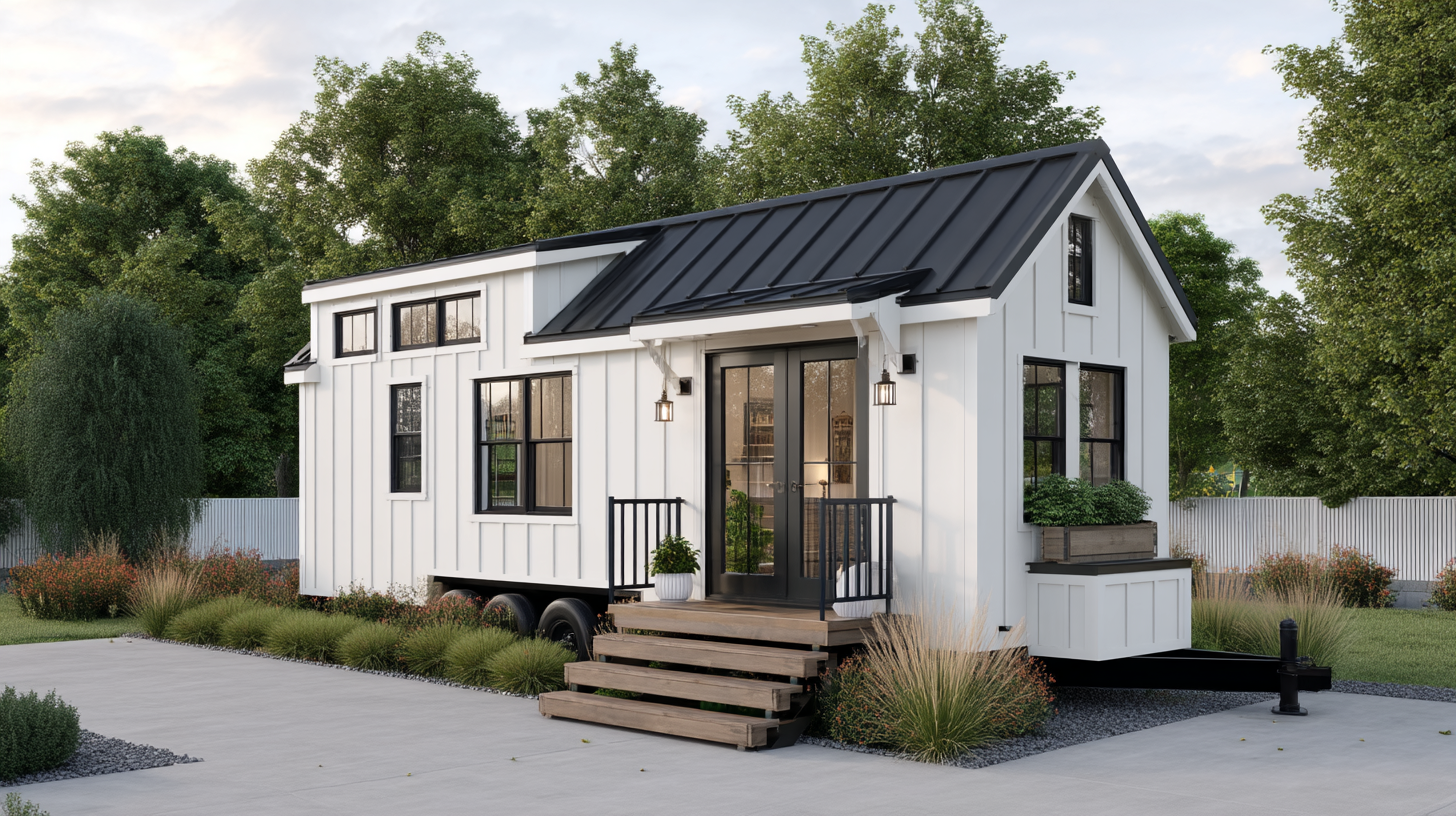
While costs vary depending on location, design, materials, site conditions, and features, here are rough ballparks for what you might expect:
- Tiny house on wheels: $50,000 to $100,000, though utilities, site work and transport add cost.
- Foundation‑built tiny house or modular tiny home used as a legal ADU: $100,000 to $250,000 or more depending on finishes, site complexity and city fees.
- Prefab or container style tiny homes: $75,000 to $200,000 depending on size, finishes and utility integration.
- Park models: $60,000 to $120,000 but often without full utility hookup or code compliance as a permanent residence.
These are ballpark figures and do not include land cost, significant site prep such as foundation work, utility hook‑up, permit and design fees, or ancillary costs like landscaping, parking space or driveway improvements. Cheaper upfront cost may not translate to better value if the dwelling cannot be rented legally, or if resale is limited.
Are Tiny Houses Legal in California?
In short, some are and some are not — it depends on the type, location, foundation, utility hookup and whether the structure meets the residential code or qualifies as an ADU. California legislation has made it easier for homeowners to add ADUs, but that doesn’t mean every form of tiny house living is automatically permitted. Many cities in Northern California such as Sacramento, Elk Grove, Roseville and Folsom have ADU‑friendly policies but still require units to be built on a permanent foundation, meet building codes, and be treated as a residence rather than mobile dwelling. Mobile tiny homes or park models often fall under RV or mobile home rules and may not qualify for full‑time dwelling status, or for the full rental income potential of a classic ADU. That’s why it’s essential to work with a team that understands local zoning laws, building codes, and the difference between a guest‑house style unit and a fully permitted accessory dwelling.
FAQs About Tiny Homes in California
Can I put a tiny house in my backyard in California?
Yes, if it meets local zoning requirements, is built to residential code, is built on a permanent foundation, and is permitted as an ADU. A tiny house on wheels or mobile unit may not qualify as a legal backyard dwelling in many jurisdictions.
Are tiny houses allowed as ADUs in California?
Some are. If the tiny home is constructed with permanent installation, meets building codes, and is treated as a legal dwelling unit, it can count as an accessory dwelling unit. Mobile or temporary tiny homes often do not.
What’s the difference between a THOW and a prefab ADU?
A THOW is a tiny house on wheels that can be transported and is often treated like an RV or mobile home. A prefab ADU is a factory‑built or modular unit installed on a permanent foundation and constructed to meet residential dwelling standards. The latter has much higher eligibility for full‑time living, rental income and value.
Is it cheaper to build a tiny house or an ADU?
A mobile tiny house might be cheaper upfront but may lack long‑term value, rental eligibility or code compliance. A properly designed ADU might cost more initially but delivers better long‑term value, rental potential, resilience, and legal peace of mind.
Do I need a building permit for a tiny home in California?
Yes. If the unit is intended for permanent residence or rental, it must comply with building codes, zoning laws, and require a building permit. Temporary or mobile units might have different or restricted rules but cannot always be used as a full legal dwelling.
Final Thoughts: Picking the Right Tiny Home Starts with Your Goals
A tiny house can be an excellent way to expand your living space, boost your rental income, or support multigenerational living—but only if it aligns with your property, budget, zoning requirements and long‑term goals. For most California homeowners looking for a reliable, legal, high‑value solution, a foundation‑built tiny house or modular ADU is the smart choice. At Golden State ADUs our focus is helping California homeowners design and build accessory dwelling units that meet state and local codes, integrate seamlessly with existing homes, offer excellent craftsmanship and deliver long‑term value. Whether you’re choosing a compact tiny home, exploring minimalist living, or planning a full second dwelling for your lot we guide you through every step from design and permitting to construction and completion.
Get Expert Help From Sacramento’s Trusted ADU Builders
If you’re considering building a tiny house or ADU in Sacramento, Folsom, Roseville, Elk Grove or anywhere across Northern California, our team is ready to help you evaluate the different types of tiny houses, select the right fit for your property, navigate permits, design a high‑quality structure and build it to the highest standard. Contact us for a free consultation and let’s explore how to add meaningful living space—whether it’s 400 square feet or less—to your home and property today.