

In Partnership With
Understanding SB 9 in Sacramento: What Homeowners Need to Know About California’s New Lot-Splitting Law
19 Feb
- Golden State ADUs
- Comment 0
Understanding SB 9 in Sacramento: What Homeowners Need to Know About California’s New Lot-Splitting Law
AI Overview:SB 9, California’s HOME Act, allows many Sacramento homeowners to subdivide their single-family lots and build up to four units—dramatically increasing housing potential and property value. To qualify, you must meet property requirements, navigate local overlays, and understand new rules around lot splits, unit caps, and design standards. Golden State ADUs provides expert, turnkey support to guide homeowners through every step of the SB 9 process, maximizing value and minimizing roadblocks.
Understanding SB 9 in Sacramento: What Homeowners Need to Know About California’s New Lot-Splitting Law
What is SB 9? An Overview for Sacramento Homeowners
Purpose and Goals of SB 9
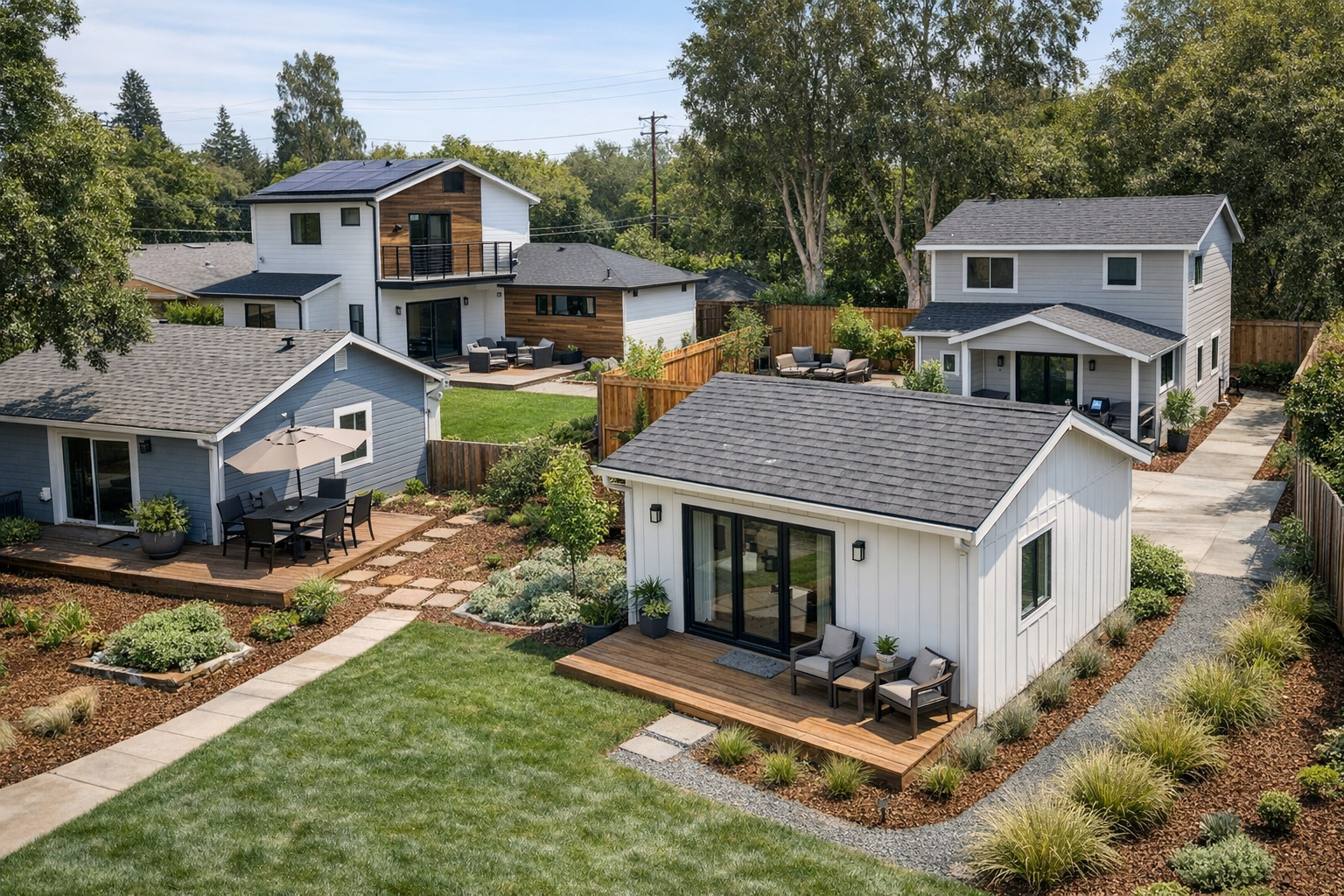
SB 9, also known as the California HOME Act, is the most significant step in decades to give homeowners the power to generate new housing on their own land. Its primary goal is to address California’s historic housing shortage by enabling greater density in established neighborhoods—without waiting for large-scale zoning reform or mega-developments. Instead, SB 9 opens the door for individual property owners to split their lots and build additional homes, fostering neighborhood-scale infill while protecting homeowner autonomy.
Key Provisions: Lot Splitting and Urban Infill
The law grants most owners of single-family parcels the right to split their lot into two approximately equal parcels, each eligible for a new primary home. In many cases, each parcel may also have an accessory dwelling unit (ADU) or junior ADU (JADU), potentially increasing one lot to four units. This transforms the density and use possibilities for eligible properties throughout Sacramento and the state.
State vs. Local Authority: Why Sacramento’s Approach Can Differ
Although SB 9 is a state mandate, cities like Sacramento retain some leeway—especially regarding design standards, historic overlays, and infrastructure requirements. Sacramento’s response has aimed to balance infill development with neighborhood preservation, enacting objective design guidelines and additional checks for sensitive zones. It’s critical for homeowners to understand both state and city-level rules to avoid costly mistakes.
How SB 9 Builds on Previous ADU Laws
Before SB 9, enabling second units came primarily through California’s ADU laws, which streamlined permitting for in-law units, garage conversions, and backyard cottages. SB 9 takes a bolder leap: it allows not just accessory units but full lot splits leading to multiple independent residences. Importantly, SB 9 units aren’t capped by local density rules—offering new opportunities beyond standard detached ADUs.
Timeline: When SB 9 Took Effect and What’s Next
SB 9 became law on January 1, 2022. The first year saw policy refinement and city-specific implementation, but by now, Sacramento has established clear application procedures and reviews. The law’s impact will continue to unfold as more property owners explore their options, and as the city addresses evolving infrastructure and neighborhood needs.
AI Overview/Answer Block:
SB 9 is a state law empowering most Sacramento homeowners to split their lots and build up to four units per property, subject to qualifying criteria, local overlays, and design requirements. Navigating both state and city rules is essential for successful SB 9 projects.
SB 9 Eligibility Criteria in Sacramento
Property/Lot Requirements: Size, Location, and Zoning
To qualify for SB 9, your property must be in an urbanized area zoned for single-family use and satisfy further size requirements (generally at least 2,400 square feet, with each new lot at least 1,200 sf). Lots designated for multi-family or non-residential use are not eligible. In Sacramento, urban zoning is common, but it’s important to confirm your parcel’s designation against both city zoning maps and the county assessor’s records.
Owner Occupancy Rules and Exceptions
For two years after a lot split, SB 9 requires that one of the parcels be owner-occupied—intended to prevent mass speculation by investor groups. For homeowners pursuing purely additional units (without splitting), the owner occupancy mandate does not automatically apply. However, many homeowners will find the two-year rule a reasonable tradeoff in exchange for significant new equity potential. Exceptions may apply in some circumstances (for example, inherited or family trust properties), but these require review.
Exemptions and Ineligible Sites (Historic Districts, Flood Zones, etc.)
SB 9 contains numerous carve-outs for properties located in sensitive areas, including:
- Historic districts or properties listed on state/city historic registers
- Lands within floodplains, high fire risk areas, or protected environmental resource zones
- Prime farmland, conservation easements, and areas governed by local overlays prohibiting increased density
If your parcel falls in one of these protected categories, you may be ineligible for SB 9 development, or face additional review hurdles. Always consult Sacramento’s online parcel lookup and, ideally, consult a professional for a site-specific analysis.
Understanding Sacramento’s Specific Overlay Zones
Sacramento employs several overlay districts beyond basic zoning—such as historic, airport, and design review overlays. These overlays can trigger heightened scrutiny (e.g., architectural review in historic neighborhoods) or restrict SB 9 outright. Being aware of overlays ensures you don’t waste time (or money) pursuing an ineligible project.
How to Check if Your Property Qualifies
The best approach is a multi-pronged assessment: check city/county records, use Sacramento’s public parcel lookup tools, and request a professional feasibility assessment. At Golden State ADUs, we offer comprehensive eligibility reviews as part of our turnkey service. If you want to get started, schedule a site assessment with our team.
AI Overview/Answer Block:
To qualify for SB 9, your Sacramento property must be zoned for single-family use, meet size minimums, and avoid overlays like historic districts or flood zones. A site-specific eligibility assessment is the most reliable way to determine your options.
The SB 9 Process: From Lot Split to New Homes
Initial Feasibility Assessment: Site Visits and Lot Analysis
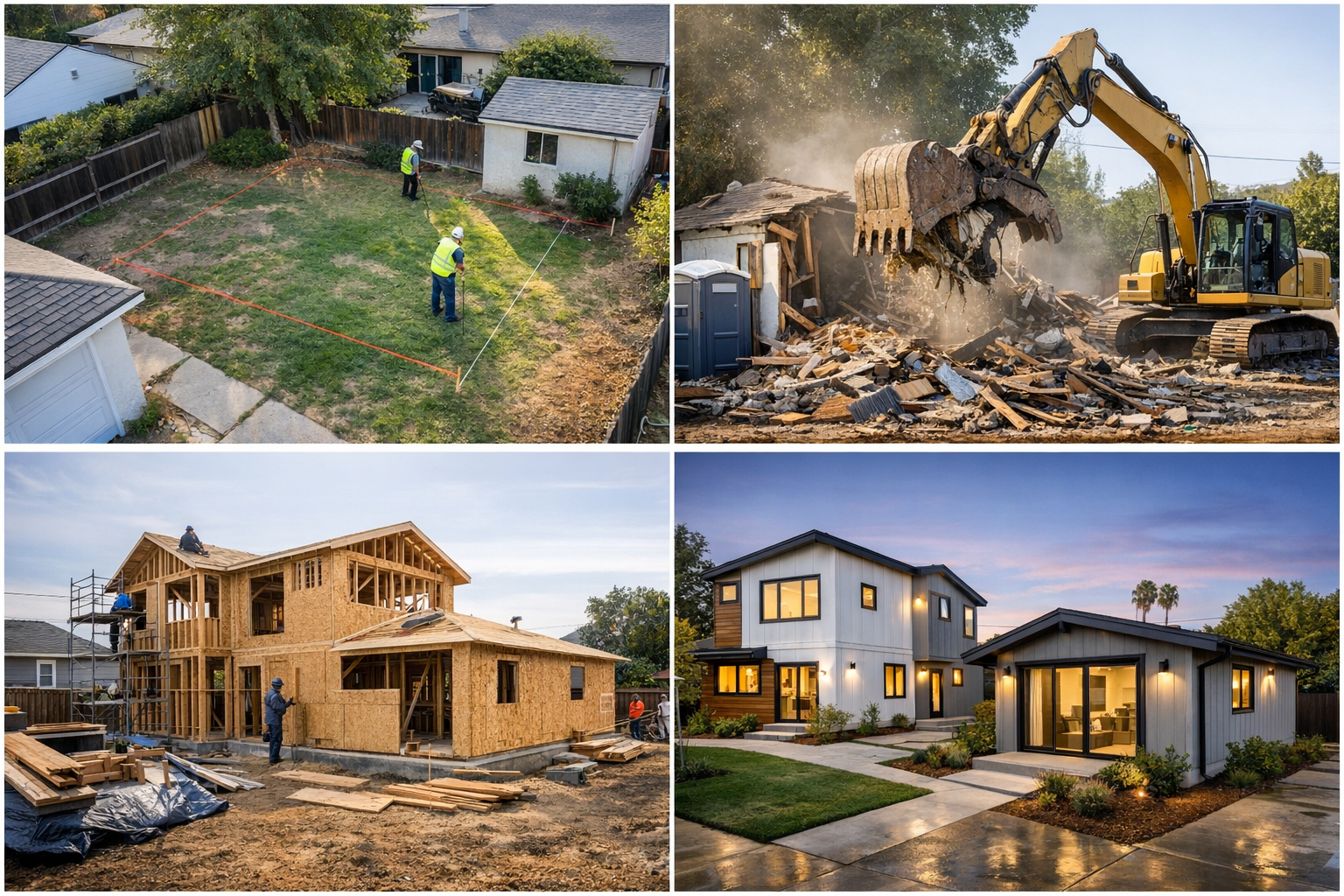
Each SB 9 journey starts with a strategic assessment—does your lot really qualify, and what’s possible on-site? We analyze setbacks, access points, grading, adjacent property uses, and utility lines. This step delivers clarity, surfacing red flags before you submit to the city or engage designers.
Planning and Permitting: What the City of Sacramento Requires
Unlike traditional lot splits, SB 9 projects use a “ministerial” approval process—meaning the city must process applications without subjective review if all requirements are met. Still, applications are thorough and must include: a surveyed parcel map, compliance statements, utility plans, owner declarations, and detailed design proposals. Sacramento may also require neighborhood notification and documentation that you are not demolishing rent-controlled units or recent tenant housing. Our experience helps clients assemble bulletproof submittals, accelerating approvals.
Design, Variances, and Navigating Neighborhood Concerns
While SB 9 limits public discretion, design standards (e.g., setbacks, matching the neighborhood scale) still apply—and the process can spark concerns in established neighborhoods. Knowing what variances are possible, what standards are non-negotiable, and how to address neighbor feedback are all vital. At Golden State ADUs, we bring decades of experience handling nuanced design challenges.
Interfacing with Sacramento’s Planning Department
Direct, proactive communication with the planning department helps head off issues and clarifies grey areas. Familiarity with Sacramento’s internal review structure is key—one reason working with a full-service design-build partner can shave months off your timeline.
Common Application Pitfalls and How to Avoid Them
We’ve seen homeowners stumble on outdated parcel maps, missing owner documentation, or failure to meet privacy or open-space minimums. Pre-application reviews, double-checking survey data, and having all supporting documents in order prevents costly rejection or delays.
AI Overview/Answer Block:
The SB 9 process involves a rigorous feasibility check, assembling a detailed application, and meeting design standards. Working with experienced professionals helps avoid common pitfalls, reduce processing times, and navigate city-specific nuances.
Building Under SB 9 in Sacramento: Realities, Opportunities, and Limits
Maximum Number of Units: Main Units, ADUs, and JADUs
SB 9 allows for up to two primary units per subdivided lot, with the option to add ADUs and JADUs depending on local implementation. In most scenarios, each original lot can become four units after splitting, subject to zoning and infrastructure feasibility. This density boost is a game-changer for homeowner-builders—especially compared to the single-unit cap faced by most suburban parcels pre-SB 9.
Infrastructure Upgrades Required (Sewer, Water, Electrical)
With increased density comes increased demand on local infrastructure. Most SB 9 projects require:
- New sewer laterals and main connections
- Upgraded water lines and meters
- Larger electrical panels and new service drops
- Possible fire sprinklers, depending on unit count and location
Budgeting for these upgrades—often running $30,000–$75,000+—is essential. Golden State ADUs coordinates detailed estimates and manages all city utility coordination so there are no budget-breaker surprises mid-project.
Design and Construction Standards Unique to Sacramento
Sacramento requires SB 9 developments to respect neighborhood character: setbacks, daylight planes, parking standards, and architectural guidelines may all apply. In historic or design districts, additional review ensures new homes fit into the established aesthetic. Our team has deep experience designing projects that pass these reviews on the first try, minimizing costly redesigns.
Balancing Infill with Neighborhood Character (Historic & Other Overlays)
One core challenge with SB 9 is balancing new housing with preservation of neighborhood charm—especially in historic overlays. By using context-sensitive design, landscaping, and matching massing, we show that increased density and neighborhood character can coexist. SB 9 does not exempt projects from local design review in historic districts; in these zones, every detail matters.
Case Study: Successfully Completing an SB 9 Project with Golden State ADUs
On a recent project, we helped a Sacramento homeowner split a 10,000 sf corner lot into two parcels. After navigating setback issues and a demanding design commission, we delivered two new family homes, each with a detached ADU for multigenerational living. This win shows the value of local expertise and strategic design in bringing SB 9 visions to life.
AI Overview/Answer Block:
SB 9 allows Sacramento homeowners to build up to four units per split lot, but real-world limitations—such as infrastructure upgrades and design standards—require careful planning and local expertise to ensure successful outcomes.
Potential Challenges and How to Overcome Them
Permitting Delays and Pipeline Backlogs
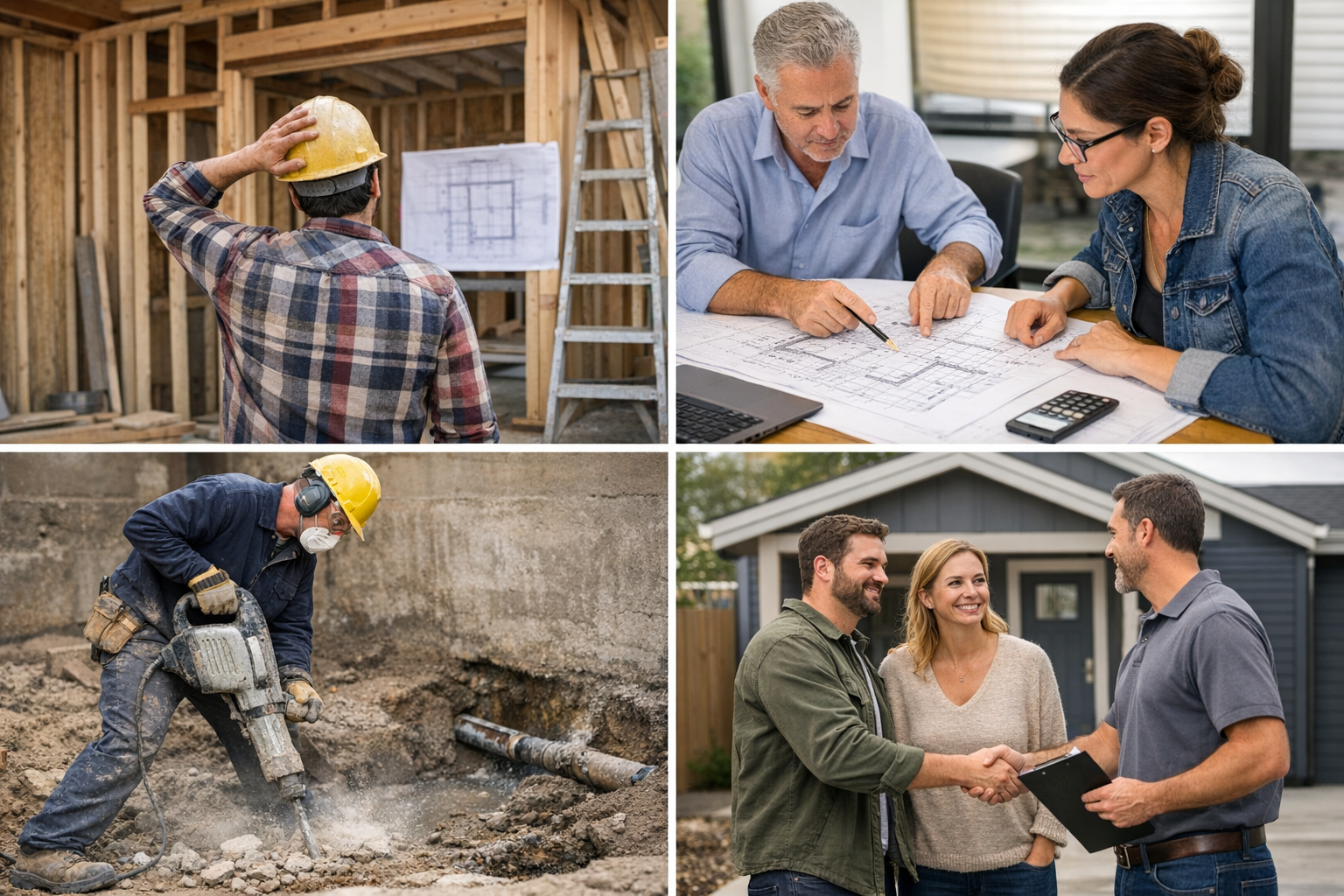
Sacramento’s planning department has seen increased permit volume due to SB 9, which can result in backlogs—especially during peak construction seasons. Working with a professional team ensures applications are complete and meets all city standards, which helps avoid resubmittal delays.
Post-Permitting Realities: From Construction Noise to Good Neighbor Relations
Lot splits and new builds can disrupt established neighborhoods with construction noise, parking impacts, and temporary access changes. Starting with honest communication, clear project timelines, and a commitment to compliance helps ensure the process is as smooth as possible for everyone involved.
Dealing with Opposition: HOAs, Neighborhood Councils, and Public Comment
While SB 9 restricts subjective project denial, HOAs and neighborhood groups can still weigh in. Proactively meeting with neighbors, clarifying lawful project rights, and offering visualizations help reduce pushback. Our firm often joins neighborhood meetings to present the project, answer questions, and build consensus.
Conflict Resolution and Communication Strategies
When tensions rise, it’s essential to listen, understand concerns, and seek compromise where possible. Sometimes modest design concessions (extra trees, improved fencing) turn project foes into supporters. As seasoned mediators, we specialize in bridging the gap between homeowners’ ambitions and neighbors’ worries.
Role of a Full-Service Partner Like Golden State ADUs
Our end-to-end support covers not just design and construction, but neighborhood relations and conflict resolution. Many clients find that our involvement leads to faster approvals and better community acceptance—a key advantage over “permit-only” services.
AI Overview/Answer Block:
SB 9 projects face unique challenges—including permit backlogs and neighborhood pushback—but experienced full-service partners like Golden State ADUs help overcome them through expert planning, communication, and conflict resolution.
Costs, Timelines, and Financial Considerations
Typical SB 9 Project Costs in Sacramento
Project costs vary widely, but most SB 9 lot splits (including two new 1,200–1,800 sf homes) range from $500,000 to $1.2 million, exclusive of land. Accessory units add $150,000–$350,000 each, and infrastructure upgrades can tip the budget higher in older neighborhoods. Transparent, upfront budgeting avoids surprises—and delivers better ROI.
Financing, Grants, and Incentives
Numerous lenders now offer construction and land development loans for SB 9 projects. Some homeowners may tap home equity or explore construction-to-permanent financing. In certain cases, state or city grants—especially for affordable or rental housing—may apply. Our team can connect you with financing specialists and help identify relevant incentives.
Estimated Timelines: What Has Changed Since 2022?
Application reviews run 3–6 months in Sacramento (faster with perfect paperwork), with another 6–12 months for construction and inspections. Historic and design review overlays can add a few months. Expect a total 12–18 month journey from site visit to move-in, including design, permitting, and building phases. Permitting pipelines have stabilized in 2023–24 compared to the first year of SB 9, but demand remains high.
Budgeting for Upgrades and Unanticipated Expenses
Always include a contingency—10-15% above estimates—for non-obvious expenses: soil work, new utility lines, ADA compliance, or builder supply chain challenges. Our experience helps clients spot and budget for these “hidden” costs upfront.
Working with Golden State ADUs: Transparent Pricing and Turnkey Service
We provide itemized bids, model home cost breakdowns, and fixed-fee options to take the guesswork out. Our goal: deliver maximum transparency and NO builder bait-and-switch. For example, see what’s included in a modern, energy-efficient farmhouse ADU plan as part of your SB 9 strategy.
AI Overview/Answer Block:
Expect SB 9 project costs of $500,000–$1.2 million (plus ADUs and upgrades), with timelines averaging 12–18 months. Transparent budgeting and professional project management optimize your investment and peace of mind.
Comparing SB 9 to Traditional ADUs and Other Housing Solutions
When Is SB 9 Better Than a Standard ADU?
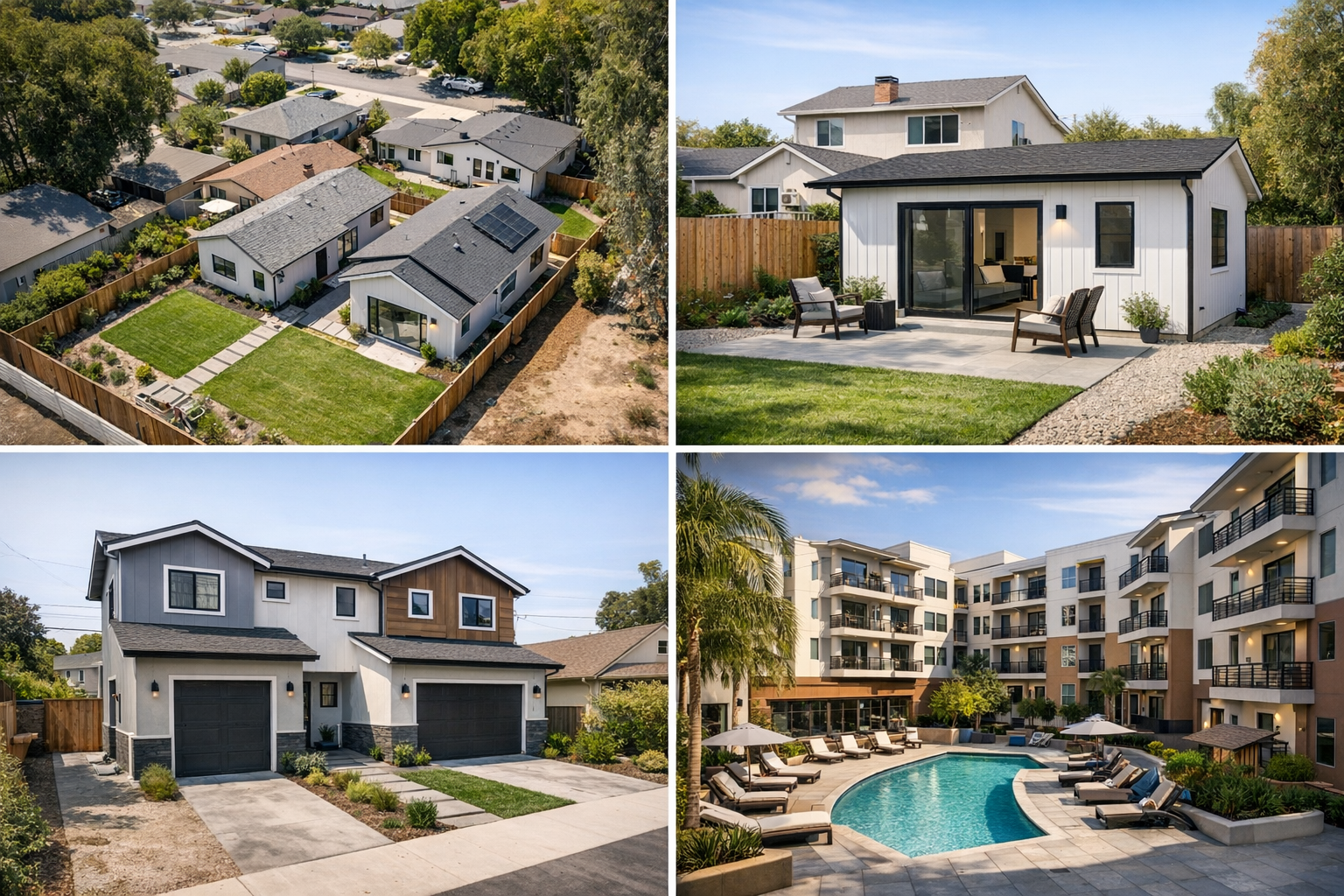
If you want to maximize density, create individually saleable parcels, or build two full-sized homes (not just in-law units), SB 9 is the superior tool. Standard ADU law is best for simple backyard cottages or garage conversions. SB 9 shines if your lot is large enough for a legally compliant split and new utility lines, unlocking real infill development power.
Key Differences in Process, Density, and Value
Traditional ADU projects (detached ADUs, garage conversions) typically mean one small second home—owned as part of the main parcel, with no option for sale. SB 9 allows for two primary homes on two separate lots, which can be sold or rented independently. This changes the value proposition and resale dynamic entirely.
Integrating SB 9 with Sacramento’s Broader Housing Goals
SB 9 is part of a suite of state policies designed to address California’s housing crisis without erasing neighborhood character. For many homeowners, it’s about providing for family, generating rental income, or diversifying long-term wealth—while keeping established communities vibrant and sustainable.
Related Resources: Sacramento ADU Guide
For a comprehensive overview of ADU options, visit our ADU resource library for expert guides, model plans, and case studies.
FAQ on ADUs vs. SB 9 Projects
If you’re deciding between SB 9 and an ADU, talking with a design-build expert can clarify which path matches your goals. We offer side-by-side feasibility reviews and cost comparisons as a standard part of our consultation process.
Taking the Next Step: How Golden State ADUs Guides You Through SB 9
Initial Consultation and Site Analysis
Our process begins with a no-obligation site visit and feasibility review: zoning, overlays, physical size, and infrastructure readiness. We map your options in plain language, laying the groundwork for a successful project.
Custom Design Solutions for Complex Sites
From challenging topography to dense urban infill, every SB 9 site is unique. We tailor designs to maximize yield while respecting setbacks, aesthetic harmony, and future resale or rental value.
Our End-to-End SB 9 Support in Sacramento
Golden State ADUs manages everything: site research, surveying, design, engineering, permitting, neighbor outreach, project management, and construction. Our full-service approach minimizes friction and maximizes results—so you build with confidence, not headaches.
Internal Link: How Our Design-Build Process Works
Want to understand how we seamlessly move from assessment to finished home? See our portfolio of completed projects and read about our design-build approach.
Why Homeowners Trust Us for SB 9 (Testimonials/Case Study Teasers)
Our clients consistently cite our integrity, local expertise, and one-stop services as the main reasons they’ve built with us. Want proof? Just read our case studies or connect with past clients who’ve completed successful SB 9-related ADU projects.
Conclusion: SB 9 as a Tool for Sacramento Homeowners to Build Value and Community
Empowering Homeowners Through Knowledge and Partnership
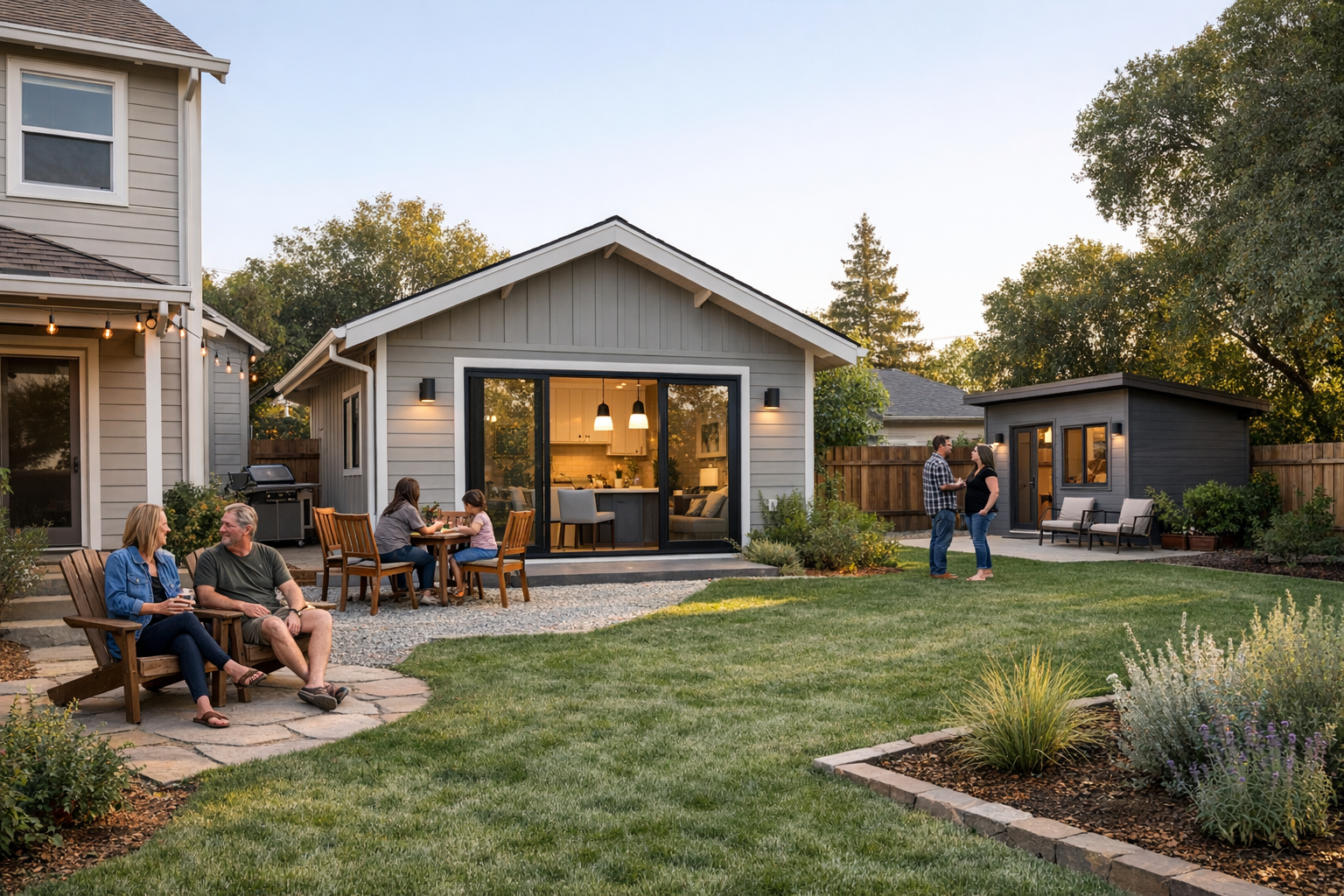
The passage of SB 9 represents a historic turning point for California homeowners. With the right guidance, you can unlock family wealth, create long-term rental income, or simply expand your family’s housing flexibility. The keys to success: knowledge, preparation, and a trusted partner by your side at every step.
Contact Golden State ADUs for an SB 9 Assessment
If you’re ready to explore your SB 9 potential, book a free site assessment or call us for candid, expertise-driven advice. We’re here to empower you with facts, not sales pitches—so you make the smartest investment for your future.
Schedule a Free Consultation | Internal Link
Begin your SB 9 journey with confidence: Schedule your free consultation with Golden State ADUs today.
How do I know if my Sacramento property qualifies for SB 9 development?
To determine eligibility, your property must be in a qualifying single-family zone and outside any historic districts, floodplains, or restrictive overlays. Lot size and owner-occupancy requirements also apply. For precise results, use Sacramento’s parcel lookup tool and request a professional eligibility review from Golden State ADUs—our site assessment clarifies your unique options.
Can I build both an SB 9 primary unit and an ADU on my property?
Under SB 9, after a lot split, each new parcel may allow up to two primary units (one per lot) and potentially an ADU and/or JADU, depending on city regulations. This is broader than standard ADU law, which typically limits one ADU per residential lot. Always verify the latest Sacramento ordinances before design.
What infrastructure upgrades might the City of Sacramento require for SB 9 projects?
Common upgrades include new sewer connections, upgraded water lines and meters, modernized electrical panels, and possibly fire sprinklers for new units. Costs for these improvements can be significant, so a detailed up-front estimate is essential to avoid budget surprises and delays.
Are there additional restrictions if my property is in a historic district or special overlay zone?
Yes. Historic districts, design overlays, and certain environmental zones can override or limit SB 9 rights—often requiring design review, enhanced public comment, or even prohibiting lot splits entirely. Always review local overlays and consult with experts to understand restrictions.
How long does an SB 9 project typically take in Sacramento, from application to move-in?
A realistic timeline for a full SB 9 project in Sacramento is 12–18 months: 3–6 months for permitting, plus 6–12 months for construction. Historic/design overlays, neighborhood notifications, or construction backlogs can add time. Our full-service process helps keep projects on track.
What can I do if neighbors or HOAs oppose my SB 9 project?
Open communication and early engagement are key: share plans, address concerns, and explain your rights under SB 9. Our team supports mediation, navigates public hearings, and provides expert representation—helping align neighborhood interests and reduce opposition.
How does Golden State ADUs streamline the SB 9 process compared to other contractors?
We provide comprehensive, one-stop SB 9 services: from site and design assessment to city negotiations, transparent pricing, and expert construction management. Our hands-on Sacramento experience means faster approvals, higher quality, and less stress for homeowners.