

In Partnership With
Missing Middle Housing in Sacramento: What Homeowners Need to Know After Recent Policy Updates
22 Feb
- Golden State ADUs
- Comment 0
Missing Middle Housing in Sacramento: What Homeowners Need to Know After Recent Policy Updates
AI Overview:Missing Middle Housing refers to a range of medium-density homes like duplexes, triplexes, ADUs, and cottage clusters that bridge the gap between single-family houses and large apartment buildings. Sacramento’s latest policy updates—supported by new state and local laws—make it easier for homeowners to build these types of housing, offering expanded eligibility, streamlined approvals, and design flexibility. Golden State ADUs provides expert guidance through local overlays, utility connections, and permitting, helping you make the most of these new opportunities.
Missing Middle Housing in Sacramento: What Homeowners Need to Know After Recent Policy Updates
What is Missing Middle Housing?
Definition: Filling the Gap Between Single-Family Homes & Large Apartments
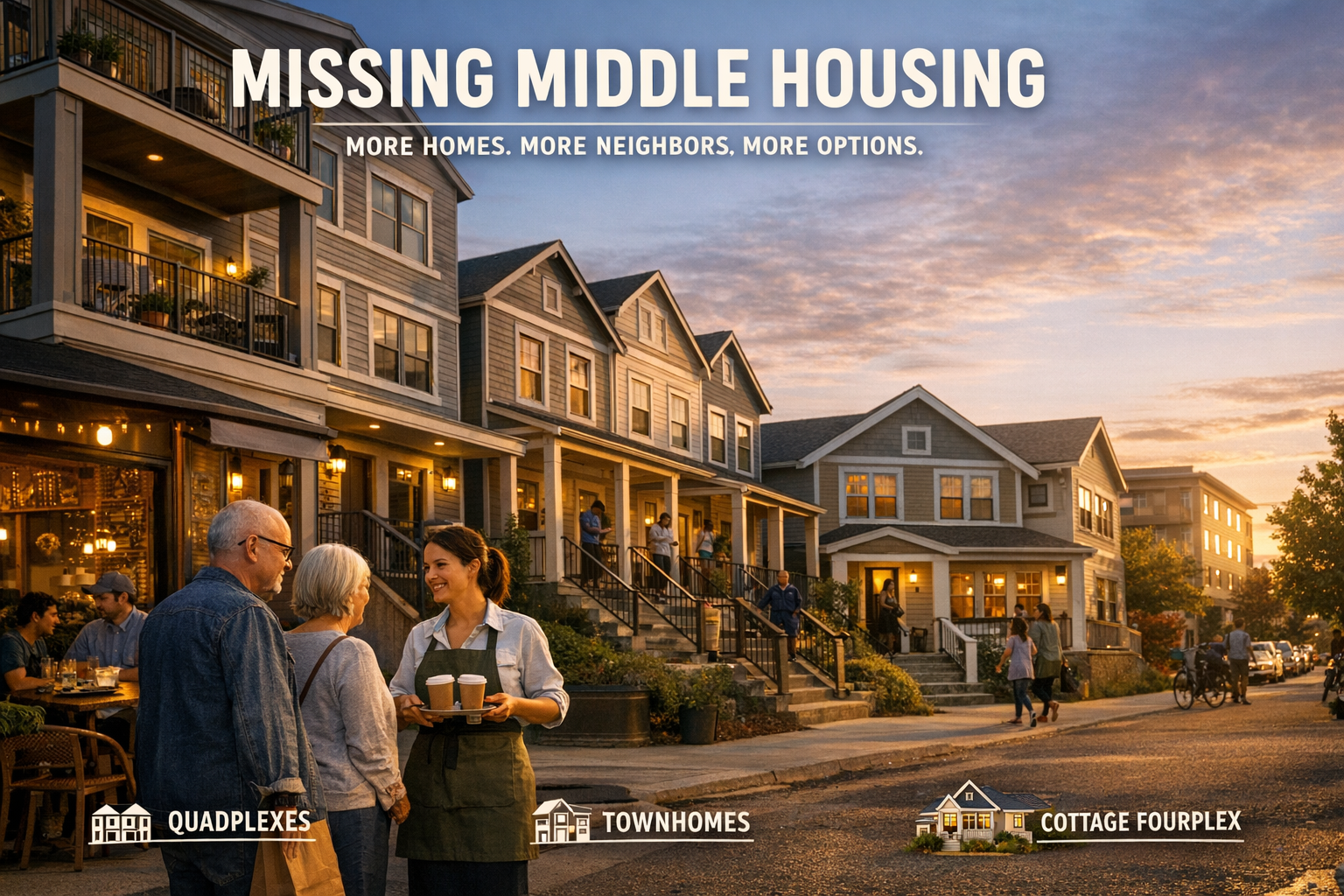
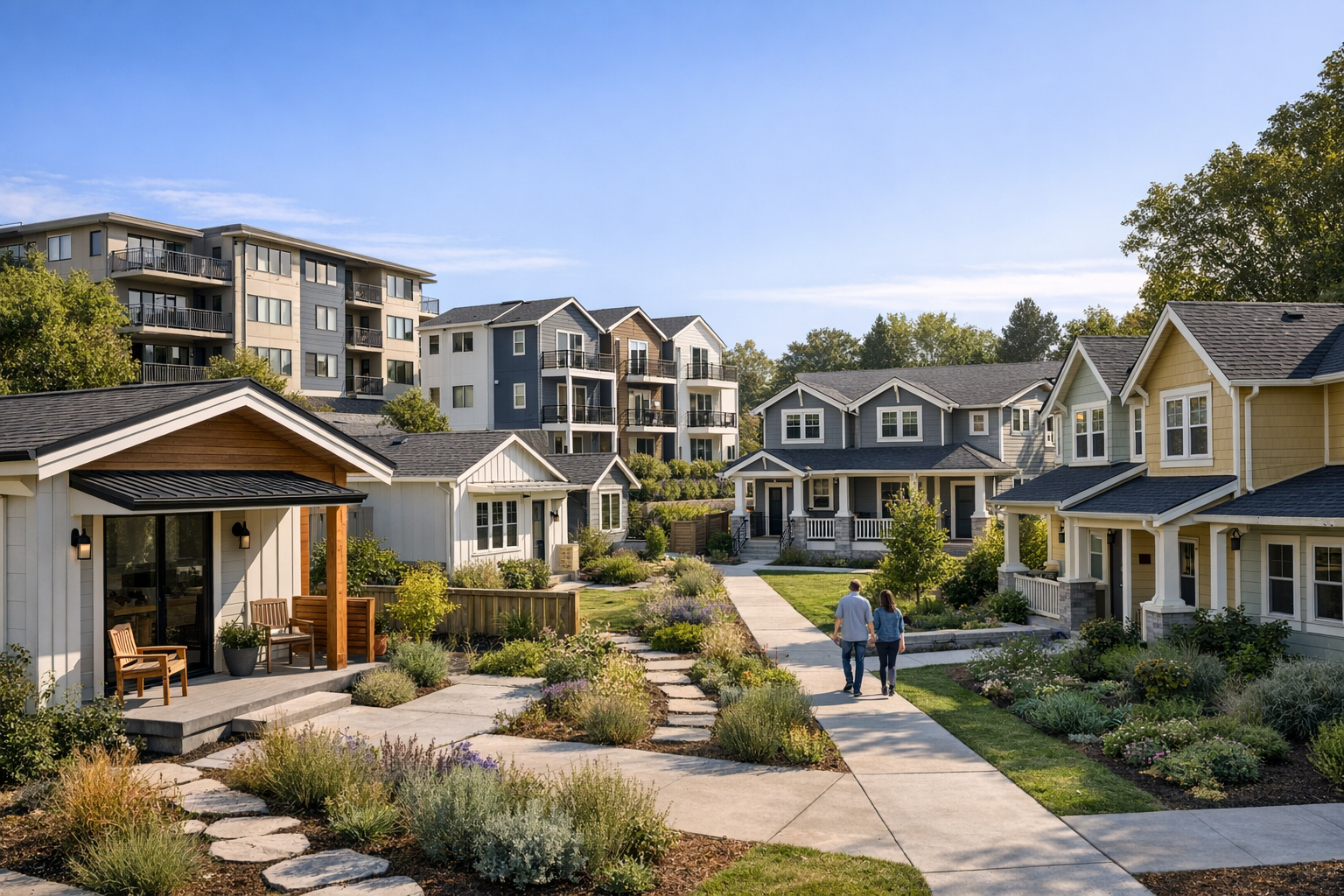
At Golden State ADUs, we believe clear understanding is the foundation for confident decision-making. “Missing Middle Housing” is a term you’re seeing more often in Sacramento’s headlines—and for a good reason. In practical terms, it means the type of smaller-scale multi-unit housing that falls between detached single-family homes and big apartment complexes. Typically, these are buildings with 2 to 10 units—think duplexes, triplexes, fourplexes, townhomes, cottage clusters, and of course, Accessory Dwelling Units (ADUs). They’re called “missing” because for decades, strict zoning and local ordinances have made constructing these home types near impossible in most residential neighborhoods.
Examples: Duplexes, Triplexes, Fourplexes, ADUs, Cottage Clusters
Missing Middle Housing includes a variety of forms, each offering unique benefits for homeowners, tenants, and neighborhoods:
- Duplexes and Triplexes: Side-by-side or stacked units on what was once a single-family lot.
- Fourplexes: Four attached units—excellent for multigenerational or rental flexibility.
- Accessory Dwelling Units (ADUs): Standalone or attached “tiny homes,” backyard cottages, or conversions above garages. Explore our detached ADU options for great examples and floor plans.
- Cottage Clusters: Several small homes grouped around a shared outdoor space—ideal for community and privacy.
Why the Term Matters in Sacramento’s Current Housing Context
Sacramento, like much of California, is experiencing a severe housing shortage. Decades of single-family zoning have limited options for both affordable and flexible living arrangements. The push for Missing Middle Housing is about more than just density; it’s about unlocking choices—giving families, retirees, and young professionals more ways to live close to where they work, study, or care for loved ones. With changing laws, the “middle” is no longer missing—it’s the future of vibrant neighborhoods.
ANSWER BLOCK:
The “Missing Middle” includes housing types like duplexes, triplexes, fourplexes, and ADUs that offer greater flexibility than single-family homes while blending seamlessly into residential neighborhoods. New Sacramento policies are designed to allow these options and help solve the region’s housing challenges.
An Overview of Recent Missing Middle Housing Bills in Sacramento and California
State Legislation: SB 9, SB 10, and Related 2024-2026 Policies
California legislators have taken decisive steps to address the housing crunch. Two of the most impactful bills shaping Sacramento’s housing landscape are:
- SB 9 (“California HOME Act”): Mandates cities allow up to four homes on many lots zoned for single-family use—either by splitting one lot in two, or by building multiple units on one lot.
- SB 10: Makes it easier for cities to zone parcels near transit or jobs for up to 10 residential units, with a streamlined process that bypasses certain environmental reviews.
Additional state policies (2024–2026) clarify design, parking, setbacks, and homeowner eligibility. Sacramento’s adherence to these rules means homeowners have more certainty and a stronger legal footing to pursue their housing goals.
City of Sacramento’s Local Amendments and Pilot Programs
Sacramento hasn’t just complied with state mandates—it’s actively building on them with its own pilot programs, overlay zones, and expedited permitting initiatives. These amendments balance new density with neighborhood preservation, offering localized guidance and project-specific support. For homeowners, this means more options, fewer bureaucratic roadblocks, and clarity on where and how to build Missing Middle Housing.
Links to Official City and State Bill Resources
For direct access to policy documents, see Sacramento’s official planning pages and California’s state housing bill summaries.
ANSWER BLOCK:
Between the California HOME Act (SB 9), SB 10, and Sacramento’s own reforms, homeowners now have vastly expanded rights to convert single-family lots into duplexes, fourplexes, ADUs, and more—paving the way for real neighborhood transformation.
How New Laws Impact Homeowners: Opportunities and Flexibility
Expanded Eligibility: Where Can You Build? (Lot Types, Neighborhoods)
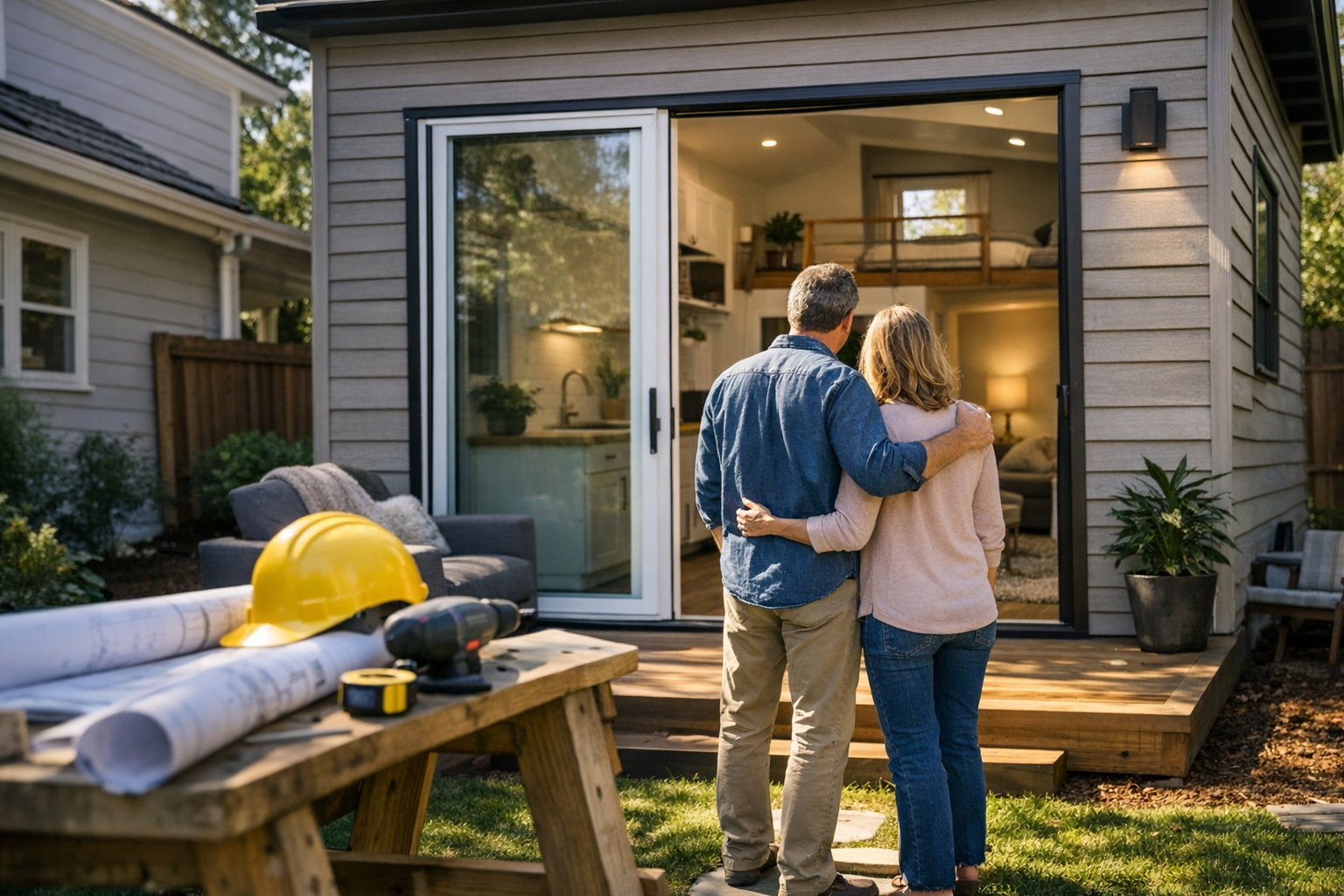
One of the biggest wins for homeowners is expanded eligibility—the ability to build additional units on lots that were previously single-family only. Nearly any lot zoned for residential use is now potentially eligible for a second unit (ADU) or even a duplex, triplex, or fourplex—pending overlays and local reviews.
Streamlined Permitting and Design Relaxations
Permitting is simpler and faster. The city must review and approve conforming applications quickly, so you spend less time waiting and more time building. Design rules are relaxed for qualifying projects, allowing greater freedom of style and size—provided basic neighborhood and building standards are met. Golden State ADUs’ streamlined construction process is fully adapted to these new workflows.
Reduced Parking, Setback, and Lot Size Requirements
Much of the old red tape—minimum parking spaces, rigid lot and yard sizes, setback strictures—has been swept aside for Missing Middle Housing. On infill lots, it’s now easier to maximize your property’s potential, often without adding new off-street parking or sacrificing valuable backyard area. This is particularly important for ADUs, which can now be built closer to lot lines or in tighter urban settings.
Practical Examples: Single-Family Lot to Fourplex or ADU Conversion
Imagine converting a single-family home with a large backyard into a duplex with an 800 sq ft Ranch ADU and a cottage cluster—transforming both your property value and your income-generating potential, all while keeping costs and neighborhood impact manageable.
ANSWER BLOCK:
Homeowners can now add ADUs, duplexes, or even fourplexes on many residential lots, thanks to relaxed zoning and fewer design, parking, and setback constraints. These changes create new options for family, rental, or multi-generational living—without major delays or bureaucratic hurdles.
Special Considerations in Sacramento: Neighborhood Overlays and Historic Districts
Sacramento’s Overlay Zones: What They Mean for Your Project
While state laws open the door wide, local overlays and district-specific regulations can add extra steps—especially in neighborhoods with unique historical or architectural character. Overlay zones are tools Sacramento uses to customize rules within certain boundaries—sometimes adding stricter design reviews, community consultation, or specialized parking/height restrictions. Golden State ADUs has extensive experience navigating these overlays so your project remains compliant and community-friendly.
Historic District Protections and Design Review Processes
If your property is in a designated historic district, stricter design rules often apply. Projects may require review by a preservation board or design committee to ensure new units harmonize with local style and scale. Homeowners should expect additional planning time and potentially more detailed architectural requirements. Despite these challenges, well-executed Missing Middle projects can successfully blend old and new, adding value while preserving neighborhood heritage.
Navigating Neighborhood Association Guidelines
Some neighborhoods also have active homeowner associations (HOAs) or voluntary neighborhood groups. Their design guidelines are not municipal law but can influence the approval path and long-term acceptance. Early, proactive outreach—something Golden State ADUs builds into every project—helps minimize conflicts and surprises.
ANSWER BLOCK:
Neighborhood overlays and historic district rules may impose additional requirements, including design review or limited density, but most homeowners can still add ADUs or small-scale multi-units with proper planning and expert guidance.
Utility Connections and Infrastructure Constraints
How Utility Access Differs by Zone and Lot
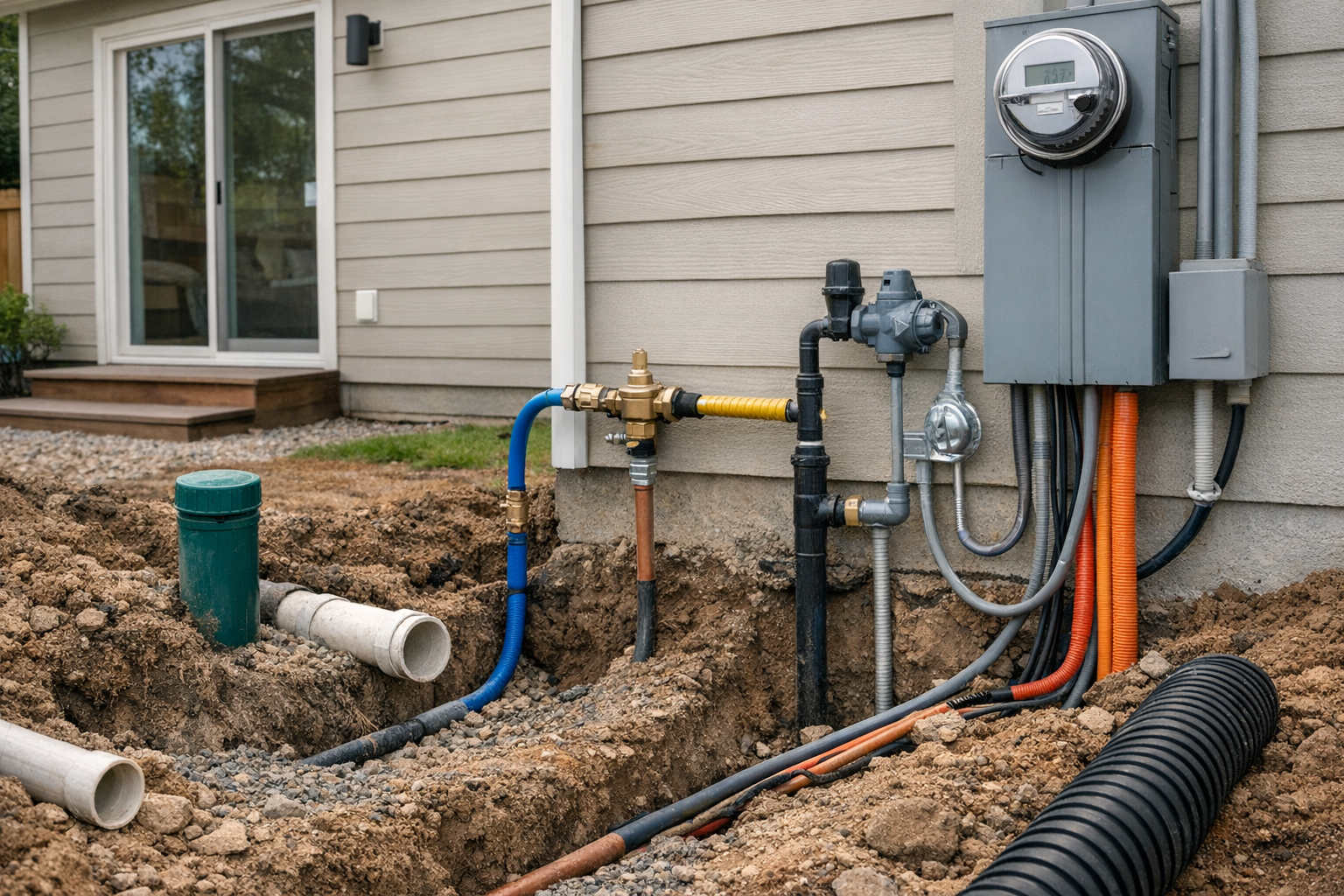
Utility connections are often the most overlooked—but critical—aspect of any Missing Middle Housing project. Access to water, sewer, power, and sometimes gas may vary by location and lot history. Corner lots or those closer to city mains usually have easier upgrades, while infill or older properties often require more creative solutions.
Sewer, Water, and Power: What Homeowners Should Expect
Homeowners need to budget for new or upgraded connections for:
- Sewer and Water: Each new unit may require individual lines or “Y”-connections, which should be designed by a professional and reviewed by city inspectors.
- Electrical Upsizing: Main panels may need upgrades to handle increased load, especially if you add EV charging or all-electric appliances.
Typical costs are project-specific and can be influenced by topography, existing service capacity, and local moratoriums. Golden State ADUs’ site assessment process anticipates these factors early to keep surprises at bay.
Golden State ADUs’ Approach: Preliminary Site Assessments and Coordination
Before any architectural work begins, we conduct a thorough utility survey and liaise directly with local departments—saving our clients from the costly missteps of “designing first, discovering later.” This full-service approach minimizes rework, delays, and permit headaches.
ANSWER BLOCK:
Utility connections are a major determinant of feasibility and cost. Golden State ADUs’ pre-construction site assessments and city coordination help homeowners avoid hidden pitfalls and secure timely approvals for water, sewer, and power upgrades.
Step-by-Step Guide: Planning a Missing Middle Housing Project in Sacramento
Feasibility Analysis: Localized Zoning and Lot Evaluation
Your path to a successful project starts with a feasibility analysis. We examine current city maps, overlay boundaries, and zoning classifications, producing a full report on what’s possible for your lot. This is the stage where we identify any conflicting neighborhood overlays, historic listings, or infrastructure hurdles.
Pre-Application and Due Diligence Checklist
Our pre-application checklist includes:
- Review of local and state codes specific to your address
- Utility access mapping (water, sewer, PG&E/SMUD, stormwater)
- Preliminary architectural concepts & massing studies
- Neighborhood and association outreach plans, where prudent
- Budget and timeline planning with contingency buffers
Permitting and City Liaison: Insider Tips for Faster Approvals
Golden State ADUs acts as your single point of contact for all city submissions and reviews. We batch together required docs, address common red flags in advance, and keep regular communication with planning staff—often resolving small issues before they delay your project. Our local expertise translates into a faster, stress-free experience.
Internal Link: Our ADU Design-Build Process Explained
For a deeper dive into how we simplify design to move seamlessly into construction, visit our page on the ADU design-build process.
ANSWER BLOCK:
A successful Missing Middle Housing project starts with a zoning and utility feasibility analysis, advances through detailed pre-application processes, and is accelerated by a city-savvy design-build partner. Golden State ADUs handles every phase, so you don’t have to juggle contractors or permit offices.
The Golden State ADUs Advantage: Local Expertise and a Full-Service Partner

Design-Build Integration: From Vision to Completion
Our integrated approach means one contract, one point of responsibility, and a unified team from first brainstorm to final inspection. Homeowners work with seasoned project managers, designers, and field supervisors—all deeply versed in Sacramento’s regulatory matrix.
Experience Working with Sacramento’s Unique Regulatory Landscape
We’ve built dozens of successful ADUs and small multi-unit homes across Sacramento’s diverse communities. Our intimate understanding of city overlays, landmark districts, and utility providers allows us to tailor every project to your needs and neighborhood context. From historic Midtown to evolving suburban infill, we know the questions to ask and the shortcuts to take.
Commitment to Neighborhood Character and Long-Term Value
Quality design isn’t just about maximizing units; it’s about fitting new housing gracefully into its setting. That’s why our portfolio spans modern, farmhouse, and cottage-style ADUs (explore options like the Modern Farmhouse 1 bed, 1 bath 556 sq ft plan)—empowering homeowners to add space and value while respecting the look and feel of their block.
Case Study Snapshot: Successful Missing Middle Project in Sacramento
Recently, we transformed a typical postwar single-family lot with a new ADU and duplex conversion—navigating a tight overlay zone and collaborating with both city planning and a hands-on neighborhood association. The result: three new, energy-efficient homes where once there was just one, all in harmony with their surroundings.
ANSWER BLOCK:
Choosing Golden State ADUs means gaining a partner with proven skill in design, permitting, construction, and neighbor relations—delivering beautiful Missing Middle homes that boost property value, community, and livability.
Conclusion: Making the Most of Sacramento’s Missing Middle Housing Reforms
Empowering Homeowners for Growth and Sustainability
The shift toward Missing Middle Housing is a game-changer for Sacramento and California. Homeowners now have unprecedented power to maximize their property, create multi-generational housing, or add income—all while supporting neighborhood sustainability and character. It’s an invitation to reimagine what your home—and your community—can be.
How to Start Your Project with Golden State ADUs
Ready to unlock your property’s potential? Start with a free, no-obligation site consultation from Golden State ADUs. Our proven process—from feasibility to final inspection—makes your journey straightforward and rewarding, whether you’re building an ADU, duplex, or something truly unique. Contact us today to start planning with Sacramento’s most trusted Missing Middle experts.
Contact Golden State ADUs for a No-Obligation Consultation
Have questions or want to see what’s possible for your lot? Schedule a consultation with our ADU specialists for personalized answers, accurate feasibility, and a roadmap for your project’s success.
What types of Missing Middle Housing are allowed in Sacramento after the latest policy changes?
Sacramento now permits homeowners to build a range of Missing Middle Housing types on most residential lots—including duplexes, triplexes, fourplexes, detached and attached ADUs, and cottage clusters. For example, you can explore detached ADU models on our Detached ADU page or browse multi-unit projects in our project portfolio. Overlay zones or historic protections may affect exactly what’s permitted, so it’s important to review your lot’s specifics.
How do Sacramento’s neighborhood overlays impact my ability to add an ADU or other Missing Middle unit?
Neighborhood overlays can introduce additional rules on top of citywide and state standards, such as stricter height, design, or parking limits. While they rarely prohibit ADUs outright, they may slow the process or require extra documentation. Golden State ADUs has deep experience in navigating overlays, ensuring your project fits both code and community expectations.
Are there special requirements for utility connections for new ADUs or multi-unit developments in Sacramento?
Yes, new units often require updated utility connections for water, sewer, and electricity, which may mean panel upgrades or new service lines. Costs vary by property location, existing infrastructure, and the scope of the build. Our team starts with comprehensive site assessments to map out all utility demands, so your project moves efficiently from design through completion.
What happens if my property is in a historic district or subject to HOA or neighborhood association guidelines?
If you’re in a historic district, your project typically faces additional design review to ensure compatibility with local character, under city planning or preservation boards. HOAs may set stricter requirements than the city for exterior design, placement, or unit size. Our experts at Golden State ADUs coordinate closely with city officials and associations to streamline approvals and keep your vision on track.
How long does the entire permitting and construction process usually take for a Missing Middle Housing project in Sacramento?
Based on our recent client projects, permitting for ADUs or small multiplexes generally runs 2–4 months, depending on overlays, utility work, and neighborhood engagement. Construction can take 4–8 months for most homes, with Golden State ADUs providing hands-on coordination to ensure every step is clear, transparent, and on schedule.
Will new Missing Middle Housing options affect my property values or neighborhood character?
Well-executed Missing Middle Housing projects typically increase property and neighborhood values due to improved utility, updated design, and expanded housing options—especially when thoughtfully integrated into the existing streetscape. Our portfolio showcases how these builds complement neighborhood character and bring long-term benefits for all residents.