

In Partnership With
How Long Does the ADU Construction Process Take in California?
01 Dec
- Golden State ADUs
- Comment 0
How Long Does the ADU Construction Process Take in California?
Adding an accessory dwelling unit (ADU) to your property can be a smart move, whether your goal is to create additional living space, generate rental income, or accommodate multigenerational living. Whether you envision a cozy guest house or a functional rental unit, having a clear vision from the outset helps guide the project smoothly. But one of the first questions we hear from homeowners is: how long does the ADU construction process take? At Golden State ADUs, we understand you need a clear picture of the timeline, because a smooth build means peace of mind for you.
In this post, we break down the full timeline of the ADU building process, explain what drives delays, describe how we help you stay on schedule, and highlight tips for homeowners who want to avoid surprises.
Understanding the ADU Construction Timeline
The ADU construction process essentially consists of three major phases: the design phase, the permitting process (or review process), and the construction phase (or build out). Each of these phases involves work by different professionals and various key milestones. Because the accessory dwelling unit you build is subject to local regulations, utility companies and city delays matter. Also, site conditions such as property lines and design complexity affect how long it takes.
This breakdown gives homeowners realistic expectations and helps you plan financing, rental readiness, or occupancy. For example, knowing roughly how long does it take means you can schedule out when the additional living space might be available or when you can begin generating income.
The entire ADU construction process typically takes roughly 9 to 18 months from start to finish, with a more typical range around 10 to 16 months, depending on site conditions, design complexity, and city regulations.
Phase 1 – ADU Design and Planning (2 to 4 Months)
What Happens in the Design Phase?
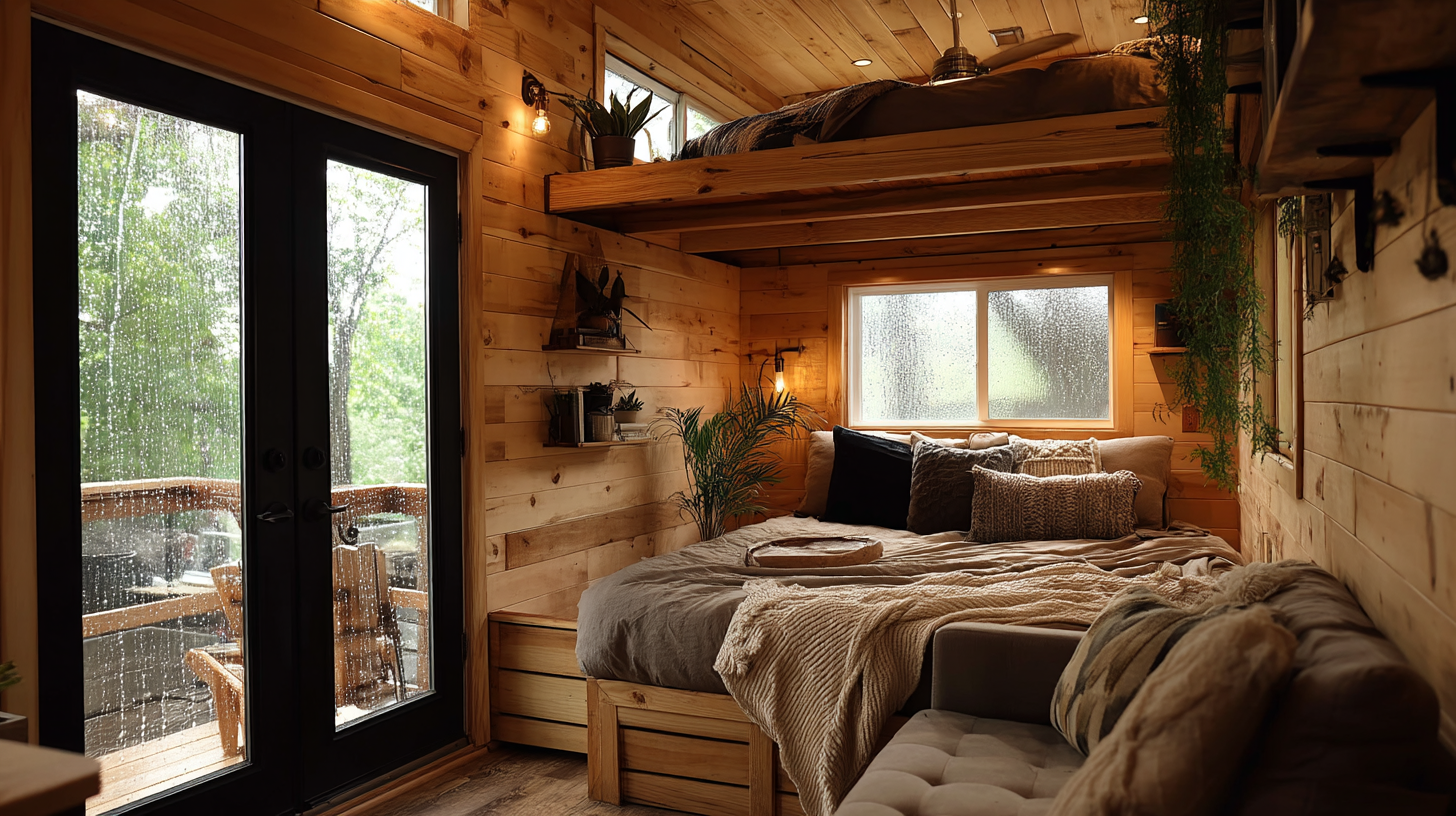
The design phase kicks off the ADU building timeline for your accessory dwelling unit project. During this phase you’ll work with an experienced design team to perform a site assessment, review the property’s utility connections and existing infrastructure, analyze zoning regulations, determine your floor plan, develop construction plans and structural calculations, and select finishes and materials. Because every accessory dwelling unit has unique conditions, from the property’s utility capacity to slope or trees or septic system issues, this phase requires careful planning. According to one digest, feasibility and initial design can take a few weeks while the full design process may extend into a couple of months.
What Can Impact the Design Timeline?
While many ADU projects move through design in 2 to 4 months, several factors can lengthen that timeline. These include design complexity (custom versus pre-approved designs), challenging topography or site conditions, decision‑making delays from the homeowner, and supply chain issues that influence material availability for selection. If you’re building an accessory dwelling unit on a sloped lot, or your site requires significant prep or securing power lines or septic system modifications, or if property lines are unclear and require surveying, that adds time. Working with an experienced ADU builder and ADU designers helps you navigate earlier choices and reduce delays.
Phase 2 – Permitting and Approvals (3 to 8 Months)
What’s Involved in the Permitting Process?
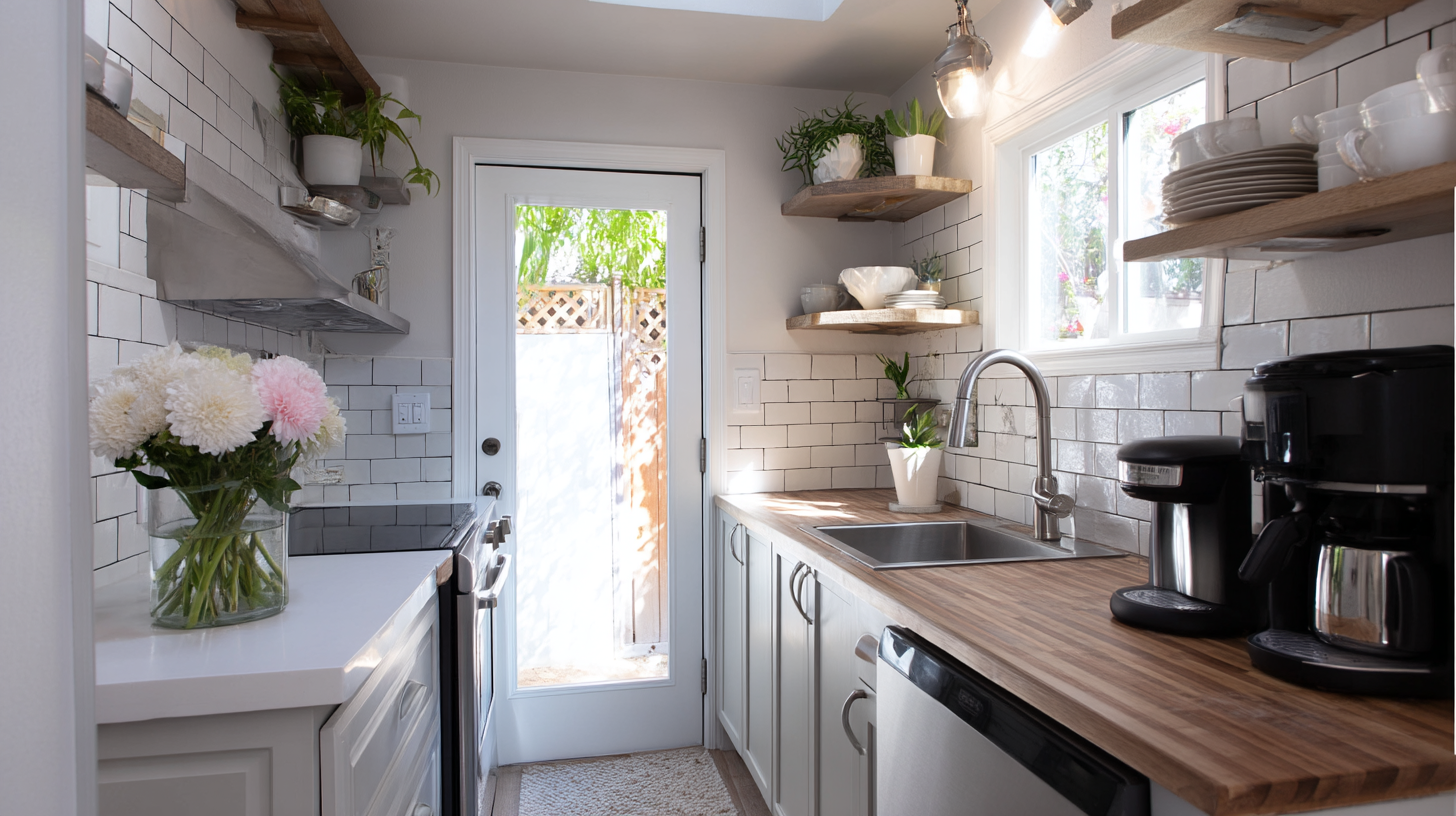
In the permitting process (or review process) we submit your construction plans to both the city and other required jurisdictions, coordinate utility companies, and ensure compliance with building codes, zoning regulations, and any required additional review processes such as a coastal review or homeowners associations review. For an accessory dwelling unit to move forward, both the city and utility companies must review permit application documents, check construction plans, ensure structural calculations are appropriate, and issue the necessary permits. Recent changes in California law require cities to act faster on certain ADU permit submittals.
What Affects the Permit Timeline?
This is the phase where construction timelines vary significantly depending on multiple factors. The permitting process may take anywhere from 3 to 8 months, or in some cases longer, depending on the municipality’s backlog, whether your ADU plans are standard or custom, whether your site requires utility upgrades or septic system work, and whether the project triggers additional review processes. For example, if your property falls under a coastal zone or HOA oversight, that can extend the review cycles.
Why This Phase Often Takes the Longest
The permitting phase often becomes the bottleneck for accessory dwelling unit projects. Even when the design phase goes smoothly and the construction phase is well planned, delays in permit review, utility company approvals, or city corrections can push the project back. Cities with higher volumes of permit applications can have longer wait times. A change in your project after submission can also restart parts of the review process. Because of this, we, as a full‑service company, focus heavily on keeping the permitting process moving.
Phase 3 – ADU Construction (4 to 6 Months)
Breaking Down the Construction Timeline
Once the necessary permits and building approvals are in hand, the construction phase begins. This is when your accessory dwelling unit moves from paper to reality. Typical steps in the ADU building process include site preparation and demolition (if needed), foundation and framing, mechanical/electrical/plumbing work (MEP), interior work like drywall, finishes, and final inspection. For many projects in California, the construction phase can take approximately 4 to 6 months. One recent resource lists about 4‑6 months as typical for construction of an ADU depending on design complexity and site conditions.
Factors That Influence Construction Duration
While the baseline is 4‑6 months, timelines can stretch if the accessory dwelling unit is larger or custom, weather conditions pause work, material lead times or supply chain issues delay finishes, the site prep is extensive, or the project triggers utility upgrades (such as major electrical panel or power lines relocation, septic system changes). If you choose a prefabricated ADU or modular build, you may shorten the on‑site build time, but site preparation and utility connection still matter and the full construction timeline still depends on those.
Total ADU Timeline: Putting It All Together
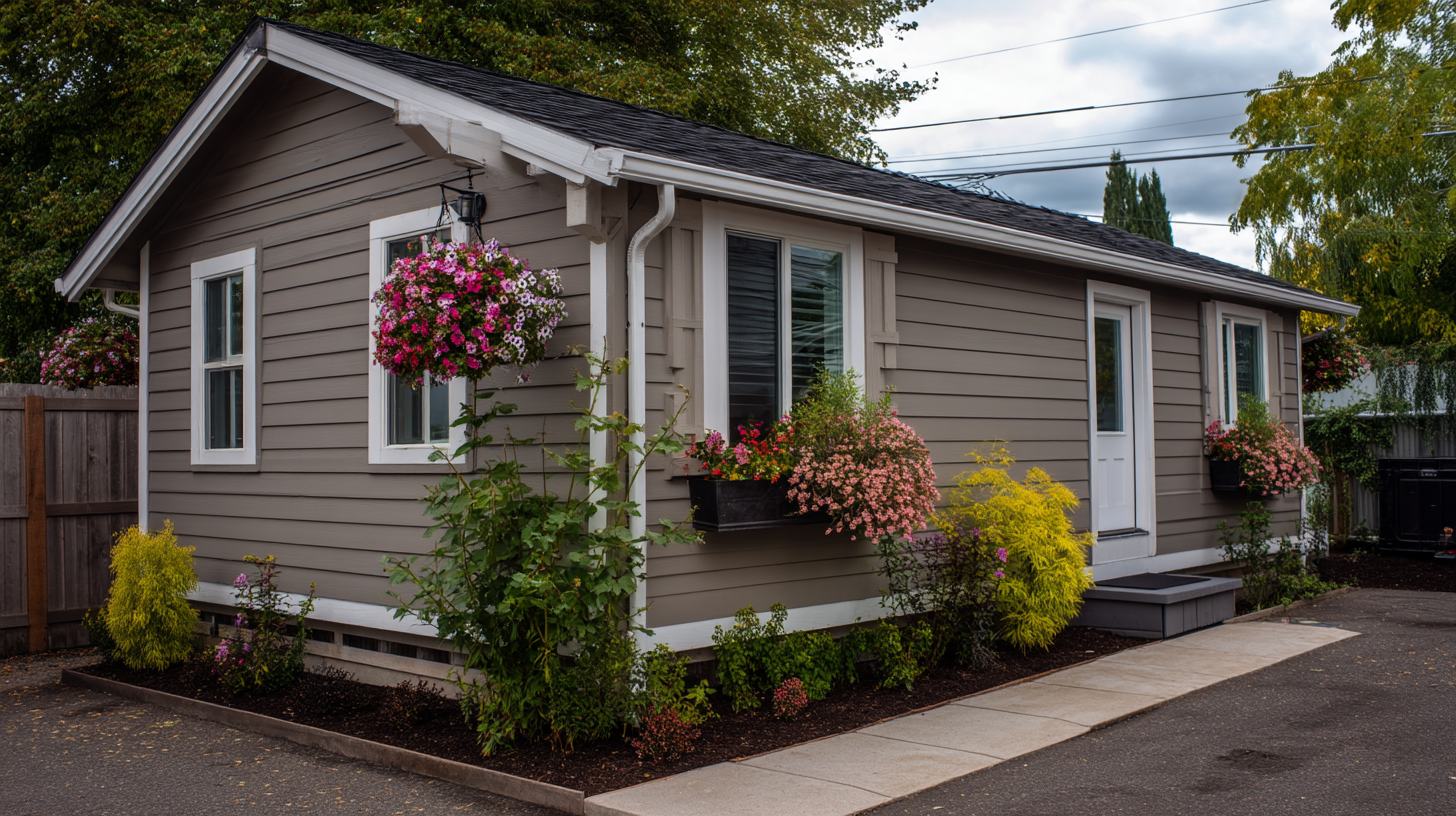
So when you ask how long does the ADU construction process take for your accessory dwelling unit, here’s how the numbers generally stack up:
- Design phase: ~2 to 4 months
- Permitting process: ~3 to 8 months
- Construction phase: ~4 to 6 months
Altogether you are looking at a total of roughly 9 to 18 months from start to finish, with a more typical range around 10 to 16 months, depending on site conditions, design complexity, and city regulations. One credible source for California notes that the entire process will take 10‑18 months depending on the city, site conditions, and design.
Why Some Projects Take Less or More Time
Projects can take less time if you opt for standard or pre‑approved plans, your site is simple (flat, good access, existing infrastructure, no major utility upgrades required), and you’re in a jurisdiction with streamlined review processes. For example, the 2025 California ADU legislation encourages jurisdictions to offer pre‑approved plans and shorter review periods. Conversely, timelines extend when the project is ambitious: larger accessory dwelling units, challenging topography, multiple permits, complex utility upgrades, supply chain issues for materials, or municipalities with slower review resources. In those cases, you might be planning for 15 to 18 months or more.
Visualizing the Timeline
It can help to think of the ADU building timeline as a journey: you begin with your clear vision for additional living space or rental income, you go through design and planning, then the permitting and review process, then finally the construction process where your accessory dwelling unit becomes real. The smoother each phase flows, the sooner you’ll be enjoying or earning from your new space.
How Golden State ADUs Keeps Your Project on Schedule
Full‑Service, Start‑to‑Finish Support
As an experienced ADU builder, Golden State ADUs takes on design, permitting, and construction under one roof. That means fewer handoffs, better communication, and fewer delays due to coordination issues. Our in‑house design team has deep experience with California ADU regulations, local regulations for Sacramento and surrounding cities, utility companies, material lead times, and site preparation logistics.
Project Management and Timeline Transparency
From day one, we set with you a clear ADU building timeline and realistic expectations. We monitor the design phase, track permit submission and review cycles, coordinate any necessary utility upgrades or septic system modifications, manage site preparation and construction crews, and provide weekly updates. Our goal is not just to build your accessory dwelling units but to help you navigate the complex process smoothly and minimize surprises. We also proactively advise on how to avoid delays (see next section).
Tips for Homeowners: How to Speed Up Your ADU Project
If you’re ready to build an accessory dwelling unit, here are some useful tips to help keep the timeline tighter and avoid unnecessary delays:
- Decide promptly during the design phase, quick decision‑making on materials, finishes, and floor plan keeps momentum.
- Consider using pre‑approved designs if your site allows, this can shorten review process and speed the ADU building timeline.
- Respond quickly to city correction notices during the permitting process, delays often come from waiting on homeowner responses.
- Work with an experienced ADU builder from the start so your team is familiar with local regulations, utility companies, and site conditions.
- Address major utility upgrades proactively, if your property’s utility or septic system needs work, getting early quotes and coordination can prevent hold‑ups later.
- Keep change orders to a minimum once construction begins, making big changes mid‑stream often extends material lead times and inspection cycles.
- Monitor weather conditions, supply chain, or material availability issues, especially if your site is in a region with higher material demand or remote access.
With these practices, you give your project the best chance to move through design phase, permitting process, and construction phase efficiently.
FAQ – How Long Does the ADU Construction Process Take?
Can you build an ADU in less than a year?
Yes, it’s possible to build an accessory dwelling unit in less than 12 months, though it’s less common. Projects that use pre‑approved plans, have simple site conditions, no major utility upgrades, minimal customization, and are in jurisdictions with fast review often reach completion in under a year. But most ADU projects are safer to plan for 10‑16 months total.
What takes the longest, design, permitting or construction?
Typically, the permitting process (the review process) is the most variable and can take the longest, especially if your project triggers utility upgrades, septic system modifications, multiple permits, or a coastal review process. Construction phase and design phase are more predictable when your design and builder are solid.
How does a prefab or modular ADU compare in timeline?
A prefabricated ADU can shorten the on‑site construction portion of the ADU building process, but you still must go through site preparation, utility connection, permitting process, and final inspection, so the overall timeline may only shave off some months.
How long does permitting take in my city?
It varies by jurisdiction. Some California cities follow the new 2025 law which says if a plan is pre‑approved, the review must be completed quickly (for example 30 to 60 days) but not all applications qualify. If you are in Sacramento, Roseville, Elk Grove or nearby, a local experienced ADU builder will know the specific typical timelines for your city and situation.
Can I live on the property while the ADU is being built?
Yes, in most cases the homeowner can occupy the main home while the accessory dwelling unit is under construction. Our job is to manage site preparation, staging, and contractors in a way that minimizes disruption to your daily life.
Ready to Get Started on Your ADU? Let’s Talk Timelines for Your ADU
If you’re ready to build an accessory dwelling unit in California and want a partner who knows the entire process, from design phase through the permitting process to construction phase, Golden State ADUs is your experienced full‑service provider. We know how the timeline works, how to monitor and manage the variables, and how to keep your project moving so you can maximize your additional living space or rental income sooner.
Contact our team today and let’s map out your ADU building timeline, tailored for your site, your goals, and your city. The sooner we start the process, the sooner the benefits begin.