

In Partnership With
How Does an ADU Differ from a Tiny Home?
09 Jan
- Golden State ADUs
- Comment 0
How Does an ADU Differ from a Tiny Home?
Understanding how does an ADU differ from a tiny home is essential for homeowners considering alternative housing options on their property. Many homeowners in California and beyond are weighing accessory dwelling unit ADU projects against tiny homes and tiny houses because both options can provide additional living space and rental income potential. Although these housing options share similarities in offering extra living area, they are fundamentally different in terms of legal status, purpose, local zoning laws, construction, and long‑term value.
In this comprehensive guide, we look at ADU vs tiny homes from every angle, including building standards, property value, use cases, minimalist lifestyle appeal, and more. If you want clarity on whether an accessory dwelling unit ADU or a cluster of tiny homes is right for your primary residence, read on.
What Is an ADU and Why Do Homeowners Choose It?
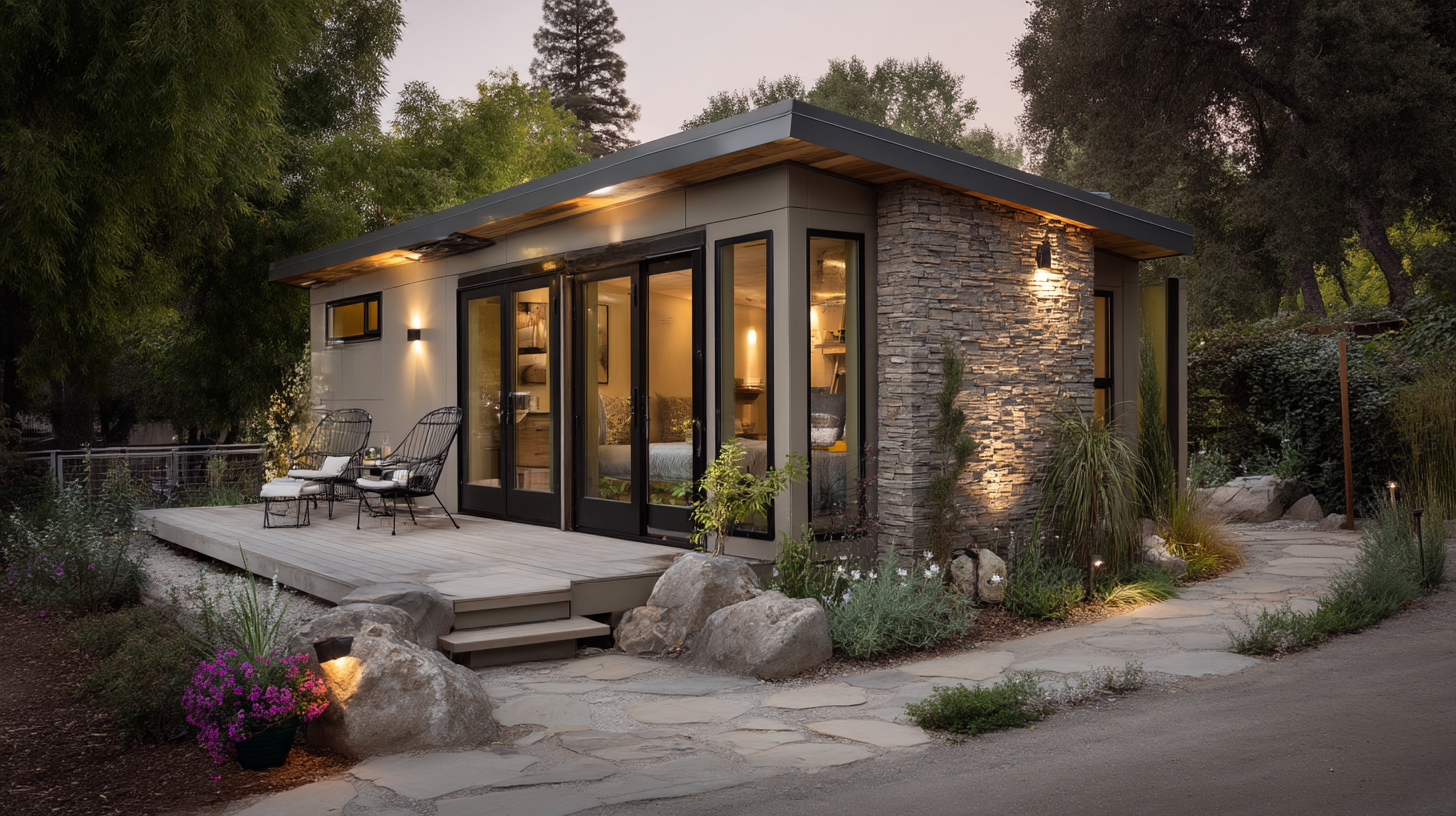
An accessory dwelling unit ADU is a secondary housing unit located on the same property as a primary residence. These units are permanent additions that follow local building codes and must be connected to utility connections, such as water and electricity, like any traditional home. An ADU may also be called a granny flat, guest house, or in‑law suite because it offers guest accommodations, elderly family members a place to live independently, or a source of rental income.
Accessory dwelling unit ADUs are permanent structures built beside, attached to, or within an existing main house. Some common types include:
Detached ADUs
Detached stand alone structures with their own entrance and utility connections. These can be built in backyards or unused areas on a property.
Attached ADUs
Built onto the side or rear of a primary home, providing seamless integration with the existing structure.
Garage Conversions
Old garages transformed into livable space that meets local codes, often adding ample space without expanding the building footprint.
Basement or Interior ADUs
Hidden within the main house but legally classified as a separate accessory dwelling unit ADU with defined living areas.
Homeowners pursue ADUs for many reasons, including generating rental income, providing space for multi generational living, or expanding usable living quarters. Because ADUs are legally recognized and tied to the property as real property, they are viewed as a long‑term investment that can boost property value and resale value.
What Are Tiny Homes and Tiny Houses?
Tiny homes and tiny houses refer to small space, compact dwellings that emphasize efficient designs and minimalist living. While the terms are often used interchangeably, tiny homes usually describe a broader category that includes mobile tiny homes, tiny home communities, and permanent structures.
Tiny homes are typically under 400 square footage and often incorporate multi functional furniture and innovative storage solutions to maximize every inch of space. They appeal to individuals seeking tiny living, a minimalist lifestyle, or lower initial cost housing outside the constraints of a traditional home. Because many mobile units are designed to be towed, tiny homes on wheels may fall into classifications like recreational vehicles or park model homes, depending on local regulations.
Unlike an accessory dwelling unit ADU, tiny homes are not automatically regulated as a secondary housing unit under building or zoning laws. Whether you can place a tiny home on your property depends on rules specific to your city or county.
Key Differences Between ADUs and Tiny Homes
When comparing ADUs and tiny homes, several “head‑to‑head” distinctions matter most for homeowners:
Legal Status and Zoning Laws
An accessory dwelling unit ADU is recognized by local jurisdictions as a permitted structure under an approved zoning regulations framework. This means that in most neighborhoods, an ADU can be built on your property with the right permits and will comply with local building codes. ADUs are often used as legal rental units, and their status as part of your property is protected under law.
By contrast, tiny homes often encounter legal challenges because they are typically classified differently depending on whether they are mobile, on a concrete pad, or permanently affixed. Cities and counties treat tiny houses and mobile tiny homes as separate from traditional housing unless specific ordinances allow them. The result is that tiny homes may require special approvals or variances, and in many areas they are not permitted as rental units on a property that otherwise allows an ADU.
Construction and Foundation
Accessory dwelling unit ADUs are built as permanent structures with firm adherence to local building codes and must be placed on a permanent foundation. Whether detached, attached, or converted from a garage, ADUs are designed to complement the aesthetic of the main house and meet all safety, accessibility, and energy standards.
Tiny homes, on the other hand, may be placed on wheels or a temporary foundation. Mobile tiny homes do not always require a permanent foundation, which contributes to lower upfront construction costs, but also limits where they can be placed legally. These mobile units can sometimes be moved to different locations, which attracts owners who value flexibility but adds complexity when trying to meet zoning laws and permit requirements.
Utilities and Amenities
One of the biggest differences between an accessory dwelling unit ADU and tiny homes is the connection to utilities and the availability of all the amenities expected in residential living. ADUs are required to have full hookups to water, sewer, and electric systems, making them suitable for full‑time occupation. This makes ADUs feel like a complete living space similar to a traditional home, with kitchens, bathrooms, and sleeping areas comparable to those in the main house.
Tiny homes may offer full amenities, but they can also be designed for off‑grid living with composting toilets, solar power, and limited utility access. While this appeals to many in tiny home communities or owners pursuing a minimalist lifestyle, it also means these homes may not fit into standard residential categories without additional permitting effort.
Size and Layout
Size is another key distinction. An accessory dwelling unit ADU often ranges from 400 to 1,200 square footage or more, depending on local building codes and available space. This allows for ample space, multiple rooms, and more comfortable living arrangements.
Tiny homes and tiny houses generally occupy a much smaller footprint, frequently under 400 square footage. Designers rely on efficient designs, multi functional furniture, and creative layouts to make the most of every inch. While cozy and clever, this smaller size limits flexibility and comfort compared to a larger ADU.
Financing and Long Term Value
Building an accessory dwelling unit ADU usually involves higher upfront costs than many tiny homes, but ADUs can be financed through traditional mortgage products, home equity loans, or construction loans. Because ADUs are legally tied to the main house as real property, they typically contribute positively to your property value and resale value, making them a strong investment for future buyers.
Tiny homes, especially if mobile, might offer a lower initial cost, but they do not always meet the criteria that lenders expect for financing. Because many tiny homes are treated more like vehicles than homes, they often depreciate over time and rarely add measurable value to a property in the same way a permanent ADU does.
Which Option Is Right for Your Property?
Choosing between an accessory dwelling unit ADU and tiny homes comes down to your goals for the space:
When to Choose an ADU
- You want to generate rental income with a legal rental unit
- You need extra room for elderly family members, guests, or family members returning home
- You want a structure that boosts property value and resale value
- You envision a full living space with all the amenities expected in everyday life
- You want a solution that complies with local regulations and zoning laws
When Tiny Homes Might Work
- You are committed to tiny living and a minimalist lifestyle
- You like the idea of mobile tiny homes that can move to different locations
- You want to live in a tiny home community or off‑grid setting
- You prioritize a lower initial cost and are less concerned with long‑term property value
Local Jurisdictions and Tiny Homes as ADUs
In some regions, particularly progressive municipalities, tiny homes can be permitted as accessory dwelling unit ADUs if they are built to meet local codes and tied to a permanent foundation. In these cases, tiny homes might integrate into the housing ecosystem similarly to an ADU. However, this is not universally accepted, and many areas still restrict tiny homes due to zoning regulations and building codes that favor conventional construction and fixed foundations.
Consult your city planning office or a housing specialist to understand whether tiny homes and ADUs are treated in a compatible way where you live.
FAQs About ADUs and Tiny Homes
Can a Tiny Home Be Permitted as an ADU?
In some areas, yes. If a tiny home meets local building codes and is permanently affixed with proper utilities and a permanent foundation, it might qualify as an accessory dwelling unit ADU.
Are Tiny Homes Cheaper Than ADUs?
Initially, tiny homes often have a lower initial cost because they are smaller and may not require extensive site work. However, they may not provide the long‑term investment value or rental income potential of an ADU that increases overall property value.
Can I Put a Tiny Home in My Backyard?
It depends on local regulations and zoning laws. Many cities limit tiny homes unless they meet the criteria for an ADU.
Do ADUs Increase Property Value More Than Tiny Homes?
Yes, an accessory dwelling unit ADU typically increases a property’s market value and appeals to future buyers because it is considered part of the permanent property.
Making the Right Choice for Your Property
Understanding how does an ADU differ from a tiny home is the first step toward making a smart investment in your property and lifestyle. While tiny homes appeal to those drawn to tiny living and mobility, ADUs offer a more permanent solution with greater financial upside, legal clarity, and lasting appeal to homeowners and future buyers alike.
Whether you want to generate rental income, provide space for elderly family members, or simply expand your usable square footage, an accessory dwelling unit ADU provides a comprehensive and valuable solution for most primary residence properties.
If you are ready to explore an ADU on your property, talk to a housing expert today to determine the best approach for your goals, budget, and local zoning laws.