

In Partnership With
Are Tiny Homes Cheaper Than ADUs? A California Homeowner’s Guide
12 Dec
- Golden State ADUs
- Comment 0
Are Tiny Homes Cheaper Than ADUs? A California Homeowner’s Guide
Are Tiny Homes Cheaper Than ADUs? A California Homeowner’s Guide
For California homeowners thinking about creating more living space, increasing property value, or generating rental income, two options often rise to the top: tiny homes and ADUs. But the question remains, are tiny homes cheaper than ADUs?
At first glance, the answer seems simple. Yes, a tiny home usually comes with a lower upfront cost. But when you dig deeper into long-term returns, legal issues, and construction standards, the decision becomes more complex. This guide breaks down everything you need to know about tiny homes and ADUs, especially if you’re planning to invest in your primary residence in an urban or suburban setting.
Understanding the Basics: Tiny Homes vs. ADUs
What Is a Tiny Home?
A tiny home is a compact dwelling typically under 400 square feet, designed for minimalist living. Many are built on trailers, making them mobile tiny homes, ideal for a nomadic lifestyle or flexible placement. Others are stationary, placed on a permanent foundation, and connected to utilities.
Tiny homes tend to appeal to those who want a small space with lower maintenance costs and a simpler lifestyle. The tiny homes appeal lies in their affordability and their role as an alternative to traditional housing, offering an option for affordable housing solutions. However, not all tiny home owners realize the limitations that come with these structures, especially around zoning laws, legal status, and utility connections.
Some prefab tiny homes are sold as kits or delivered fully built. Others are custom-designed with lofted sleeping areas, full kitchens, and compact bathrooms to maximize the small living space. Their affordability and simplicity make them attractive, but their rental income potential and resale value may not compare to more permanent residences.
What Is an ADU?
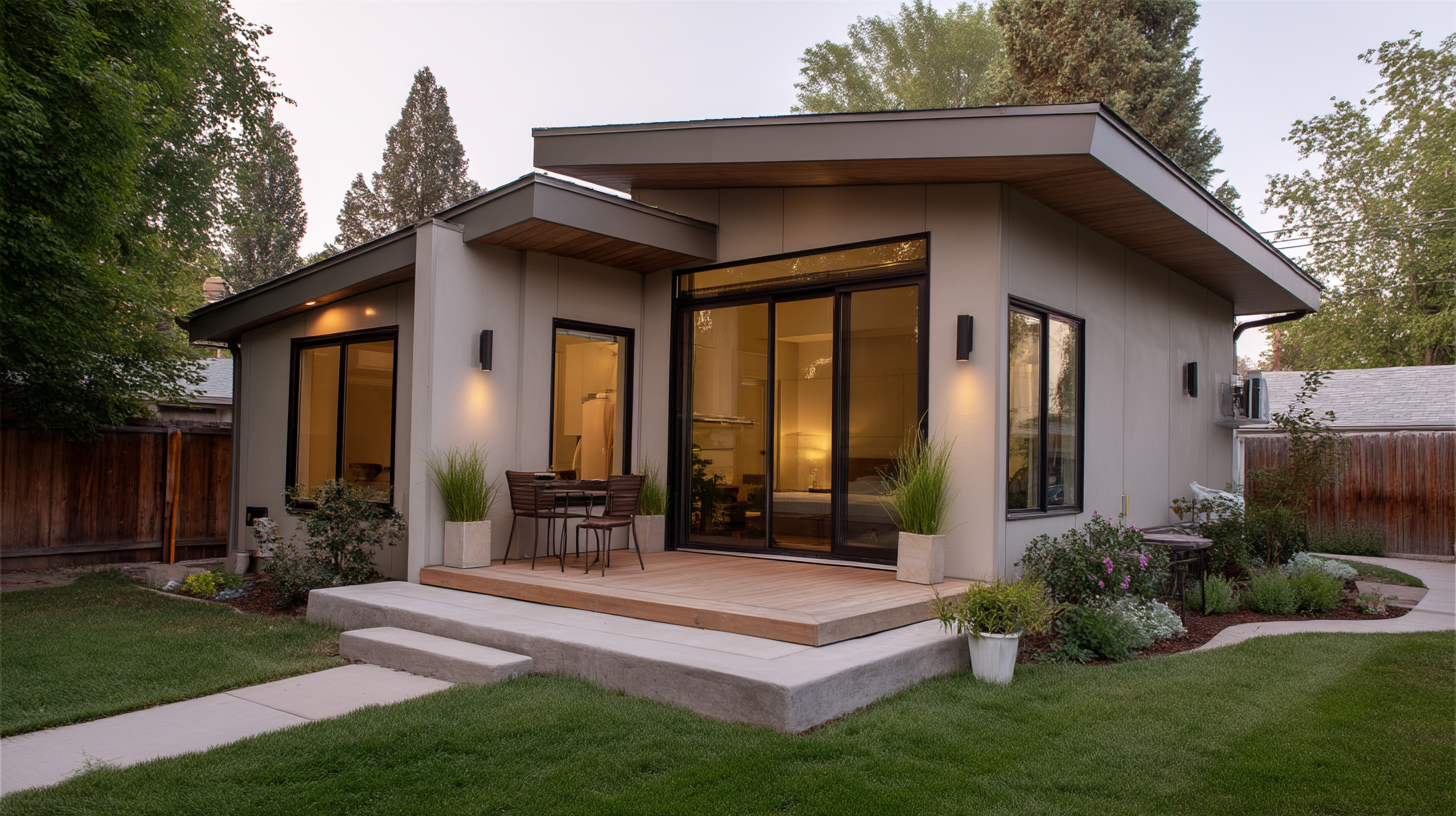
An accessory dwelling unit, or ADU, is a secondary housing unit built on the same property as a main house. Unlike most tiny homes, an ADU is designed and built to meet local building codes, often as a permanent structure with a separate entrance, full kitchen, bathroom, and full utility integration.
ADUs come in several forms:
- Detached backyard units (aka backyard cottages)
- Attached ADUs that extend the main house
- Garage conversions or basement units
- Junior ADUs (JADUs) under 500 square feet
Because ADUs must meet residential standards, they follow the same building codes as a traditional home. This means higher building requirements but also more long-term stability, safety, and value. ADUs are particularly popular for multigenerational living, providing more space and privacy for family members while maintaining proximity.
The Cost Breakdown (2025 Data)
How Much Does a Tiny Home Cost in 2025?
In 2025, tiny homes typically cost between $30,000 and $150,000, depending on:
- Size (often under 400 square feet)
- Mobility (stationary vs. tiny homes on wheels)
- Materials and finishes
- Foundation and utility connections
- Type (custom vs. prefab tiny homes)
While the lower upfront cost of a tiny house is appealing, many hidden expenses can arise:
- Zoning regulations may require special permits
- Foundation work for permanent structures
- Installation of water, sewer, and electrical lines
- Transportation and delivery (especially for mobile tiny homes)
- Compliance with local laws and local regulations
Tiny homes may be financed with an RV loan, but this limits options and generally carries higher interest rates than home construction financing.
How Much Does an ADU Cost in 2025?
An accessory dwelling unit ADU in California typically ranges from $90,000 to over $300,000, depending on:
- Whether it’s detached, attached, or a garage conversion
- Size (usually 400–1,200 square feet)
- Site conditions, grading, and utility connections
- Quality of materials and finishes
- Zoning challenges or city-specific fees
While ADUs have higher upfront costs than tiny houses, they also bring substantial benefits:
- Increase property value
- Create lasting rental income
- Build long term investment in your property
They are treated the same way as other permanent residences, and can often be financed through HELOCs, construction loans, or refinancing.
Why Are ADUs More Expensive?
Permits and Building Standards
ADUs must comply with building codes, local zoning laws, and full residential standards. This includes:
- Fire, structural, and energy compliance
- ADA guidelines in some cases
- Full inspections and plan reviews
This level of oversight results in permanent structures that are safer and more durable than many tiny homes on wheels or temporary buildings.
Utility Connections and Site Work
Connecting an ADU to utility services often requires trenching, meter upgrades, and connections to municipal systems. This drives up costs but ensures your secondary housing unit operates just like your main house, without limitations on water, power, or sewer.
Long-Term Investment
The permanent nature of ADUs makes them a stronger financial asset. They can:
- Increase property resale value
- Be included in appraisal reports
- Deliver consistent rental income
If your goal is to generate rental income while adding more living space, an ADU is more aligned with long-term strategy than a compact dwelling like a tiny house.
Are Tiny Homes Worth It? Pros and Cons
Tiny Home Pros
- Lower upfront cost
- Short build times
- Creative layouts with minimalist lifestyle appeal
- Ideal for minimalist living or part-time use
- Easier to deliver and place, especially in rural zones
Tiny Home Cons
- Not always allowed under local zoning laws
- Often not connected to full utility services
- Don’t typically boost property value
- Limited space, usually under 400 square feet
- May not qualify as permanent residences
Tiny homes are ideal for short-term use, off-grid living, or homeowners seeking flexibility and simplicity in a small house. But they fall short when it comes to stability, value, and legal clarity, especially in densely populated urban or suburban settings.
The Case for ADUs: Why Many California Homeowners Choose Them
Legal Status and Zoning Support
Recent state laws have made ADUs easier than ever to build. New zoning regulations in California cities allow:
- Reduced setbacks
- Streamlined permitting
- Waived impact fees for smaller units
These changes help homeowners legally add a rental unit or guest accommodations to the same property as their primary residence.
Financing and Value Growth
Because ADUs are built to residential standards and installed on a permanent foundation, lenders treat them as part of the home, not an add-on or vehicle.
This allows homeowners to:
- Tap into equity with traditional loans
- Use rental income to offset mortgage payments
- See meaningful gains in property value
Rental Income Potential
Whether you’re creating a space for aging parents, adult children, or long-term tenants, ADUs offer dependable rental income potential. Unlike tiny homes, which may face zoning challenges, ADUs are legally recognized and permitted for permanent occupancy.
For many, they become a pathway to multigenerational living while still preserving independence and privacy.
Which Is Right for You? Tiny Home vs. ADU Decision Guide
Questions to Ask
- Do I need more living space or a temporary solution?
- Am I trying to increase property value?
- Will I rely on rental income from this unit?
- What do local zoning laws allow?
- Do I want to add value to my traditional home or explore a mobile lifestyle?
When a Tiny Home Might Make Sense
- Budget under $100,000
- Short-term or temporary use
- Rural locations with fewer zoning regulations
- You value flexibility or live a nomadic lifestyle
When an ADU Is the Better Fit
- You plan to rent for long-term income
- You want to boost property value
- You’re looking for a long term investment
- You want something that complements your main house and provides more space
Golden State ADUs: Your Local Partner in California
At Golden State ADUs, we specialize in designing and building ADUs that meet your needs, your budget, and your city’s local zoning laws. With over 100 completed projects and deep knowledge of California’s evolving zoning laws and building codes, we’re here to guide you through every step, from design to completion.
We offer:
- Full design and permitting services
- Expert construction that meets residential standards
- Transparent pricing
- A proven track record of success
If you’re looking to add additional living space, accommodate multigenerational living, or create a rental unit that complies with all local building codes, we’re ready to help.
Frequently Asked Questions
Are tiny homes legal in California backyards?
Only if they meet specific local zoning laws and building requirements. In many areas, mobile tiny homes are not legal for permanent residence.
Can a tiny home be used as a permanent residence?
Sometimes, but often not. A tiny home must be placed on a permanent foundation, meet building codes, and comply with local regulations to qualify.
What’s the difference between a tiny home and an ADU?
There are several key differences. An ADU is a permanent structure built to full residential standards, whereas a tiny house may be mobile or temporary. ADUs increase property value, while tiny homes may not.
Do tiny homes add value to your home?
Generally, no. Because most tiny homes are not permanent residences or built to residential standards, they are rarely included in appraisals or considered when calculating property value.
Are tiny homes good for generating rental income?
Not always. Tiny homes often face zoning challenges and local regulations that restrict long-term rentals. ADUs, on the other hand, offer consistent and legal rental income opportunities.
Final Thought
If you’re weighing a tiny home against an ADU, consider the bigger picture, property value, legal status, and long-term benefits. A tiny home may cost less upfront, but an accessory dwelling unit offers unmatched security, stability, and return on investment.
Want expert advice on building your ADU? Contact Golden State ADUs today for a free consultation.