

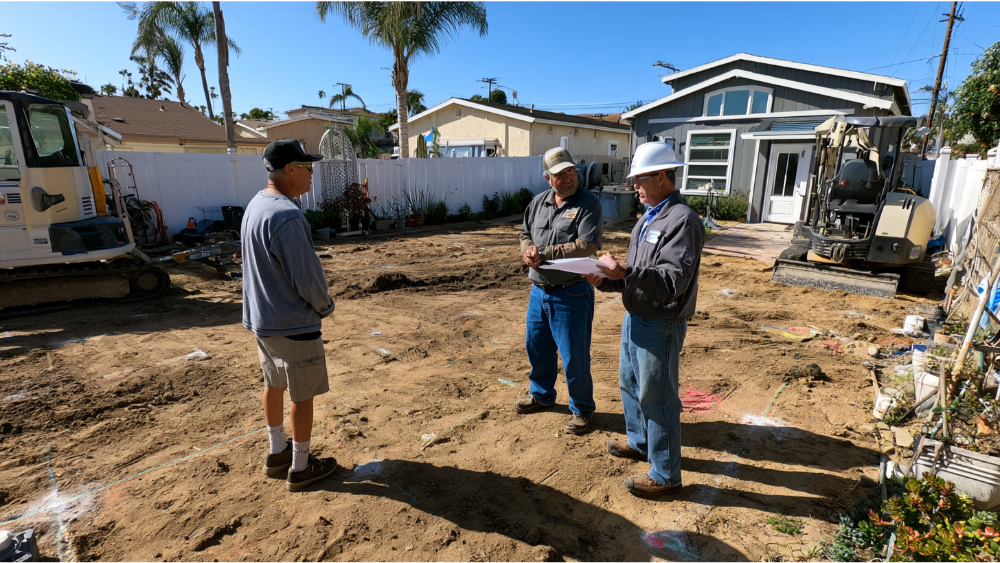
When homeowners ask, “how do homeowners prepare their backyard before ADU construction begins,” the answer starts with planning, not demolition. A successful ADU construction project depends on access, utilities, grading, drainage, permits, safety, and a clear plan before site work begins.
For many homeowners, an accessory dwelling unit is a smart way to create livable space, support aging parents, give adult children more independence, or generate rental income. But before ADU construction begins, the backyard needs to be reviewed as a future job site, not just an outdoor space. The better the site preparation, the smoother the ADU construction process will be from the first day of work through final inspection.
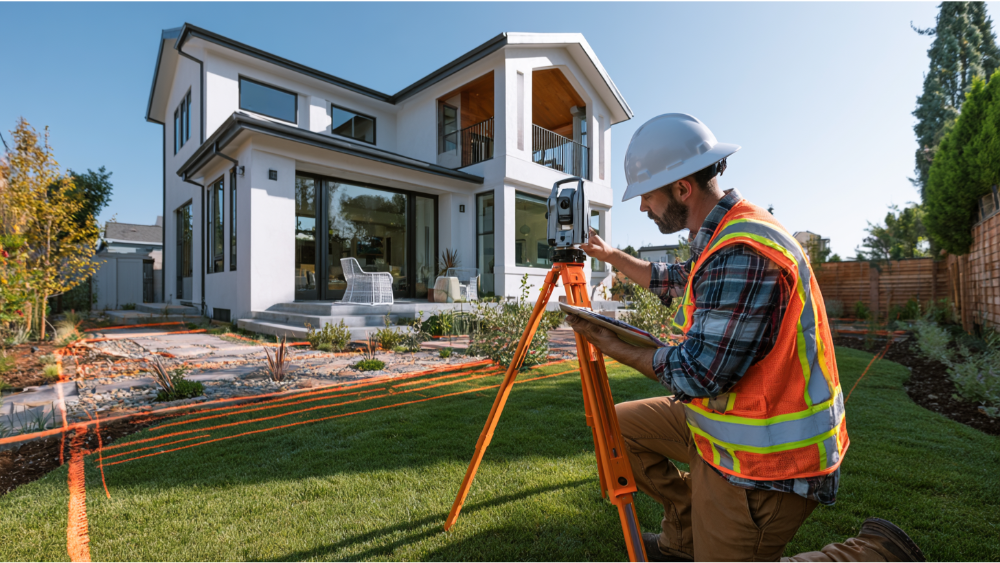
ADU construction is a form of residential construction, and like any other residential construction, it requires careful planning. A prepared backyard helps crews work safely, protects the existing primary residence, and helps reduce avoidable construction costs.
Before you build an ADU, the team must understand the project’s scope, local building codes, local zoning rules, and state and local regulations. These details affect where the accessory dwelling unit can be built, how large it can be, how utility connections will be handled, and what the building department will need to approve before construction begins.
Good site preparation can also help homeowners control ADU construction costs. Clearing the wrong area too early, missing utility lines, or ignoring drainage can increase core costs once ADU construction is underway.
Before removing sheds, patios, trees, or fencing, homeowners should schedule a feasibility study. This helps confirm where the accessory dwelling unit can be placed and what site preparation is needed.
Your ADU building team will review the slope, access, drainage, main house, existing space, and approximate square foot size of the future unit. This helps determine whether the backyard can support the desired ADU construction type.
The building department will review setbacks, the property line, local zoning, and building permit requirements. These details affect where you can build an ADU and whether the accessory dwelling unit fits comfortably on the existing property.
Existing structures such as sheds, garages, patios, decks, retaining walls, and concrete slab areas may affect the project’s scope. A detached ADU may need a different access plan than a garage conversion or attached unit.
Many homeowners want to start demolition right away, but that can create problems. Wait until construction documents, architectural plans, and permit applications are clear. This helps prevent unnecessary work and protects the budget.
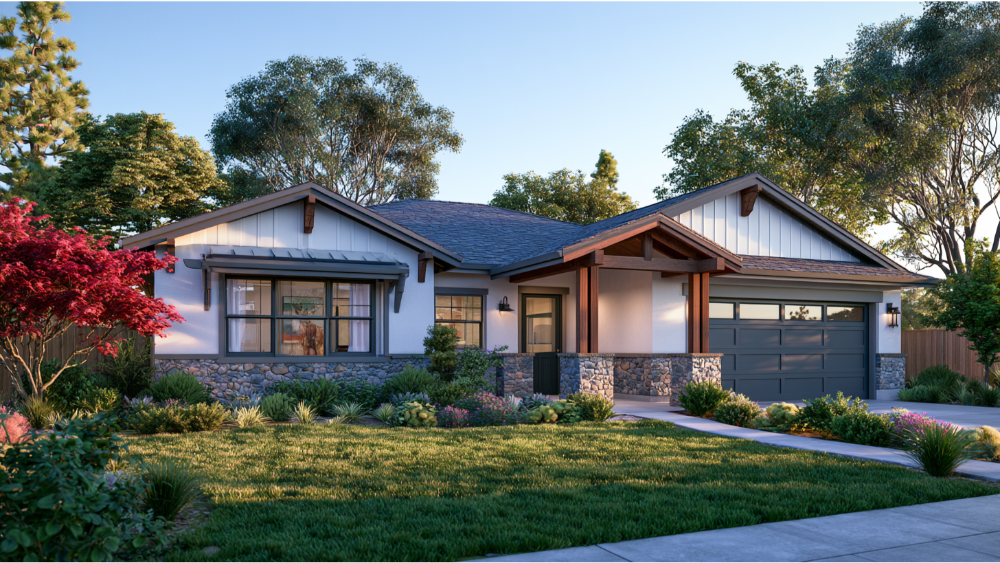
Access is a critical phase of ADU construction. Crews need room for workers, materials, equipment, temporary fencing, construction debris removal, and on-site construction.
Remove patio furniture, toys, planters, tools, storage items, and loose outdoor items from the access route. This helps the general contractor and project manager keep the job site safe and organized.
Some ADU construction types require a fence panel or gate to be temporarily removed. This is especially common when the backyard has tight space constraints or limited side-yard access.
The ADU construction process requires staging areas for framing materials, roof structure components, tile work, interior systems, and equipment. Your team should decide where these items will go before ADU construction begins.
Backyard ADU construction is different from other residential construction because crews often work behind the main house with limited access. A clear access path helps ADU building move more efficiently.
Utility integration is one of the most important parts of site work.
Before excavation, the team must locate utility lines and plan utility connections. Electrical service, electrical connections, plumbing rough-in, and electrical rough-in all need coordination before ADU construction moves forward.
Trenching can affect landscaping, irrigation, hardscape, and the path between the accessory dwelling unit and the primary residence. This is why homeowners should avoid major landscaping changes until the ADU construction process is planned.
Some ADU building projects need electrical service upgrades or new utility connections. This can affect construction costs, the building permit, and the overall ADU construction schedule.
Existing structures should only be removed once the building permit strategy is clear.
A shed, old patio, or concrete slab may need removal if it sits inside the ADU footprint. Removing these items at the right time helps keep the ADU construction process organized.
If the ADU project replaces a detached garage, demolition should be coordinated with permit applications and construction documents. This helps avoid delays with the building department.
Garage conversions use existing space, but they still require ADU construction planning. The team must evaluate the roof structure, foundation, fire safety, energy efficiency, crawl space conditions, and interior systems.
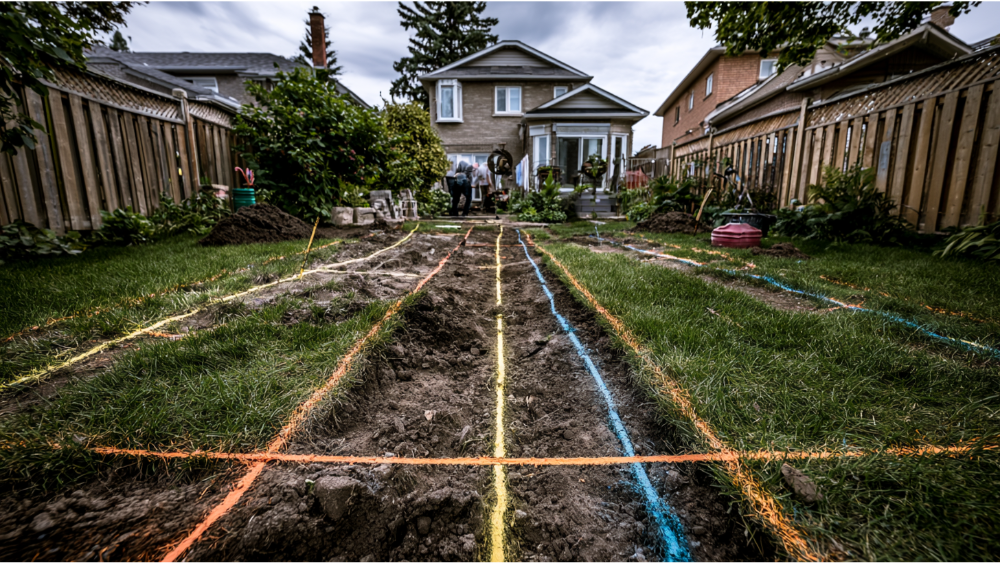
Site preparation is not only about clearing space. It also includes grading, drainage, foundation work, and soil review.
A sloped yard may require added site work, retaining elements, or a specialized foundation approach. This can affect ADU construction costs and the project’s scope.
Water must drain away from the new accessory dwelling unit, the existing property, and neighboring yards. Good drainage protects the ADU, the main house, and surrounding outdoor space.
Foundation work depends on soil, slope, crawl space conditions, and the project’s scope. These details must be understood before ADU construction begins.
Poor drainage, old concrete, tree roots, narrow access, uneven soil, and a tight property line can all affect ADU construction. Addressing these conditions early helps the ADU construction process stay on track.
Your backyard may include landscaping worth preserving.
Before you build an ADU, decide which trees, garden areas, patios, and outdoor space should remain. This helps the design team plan around important features when possible.
Tree roots can be damaged by trenching, foundation work, and equipment. Contractors specializing in ADU construction can help plan around sensitive areas.
Irrigation, lighting, drainage, and planting areas may need adjustment before site work begins. These details are part of proper site preparation.
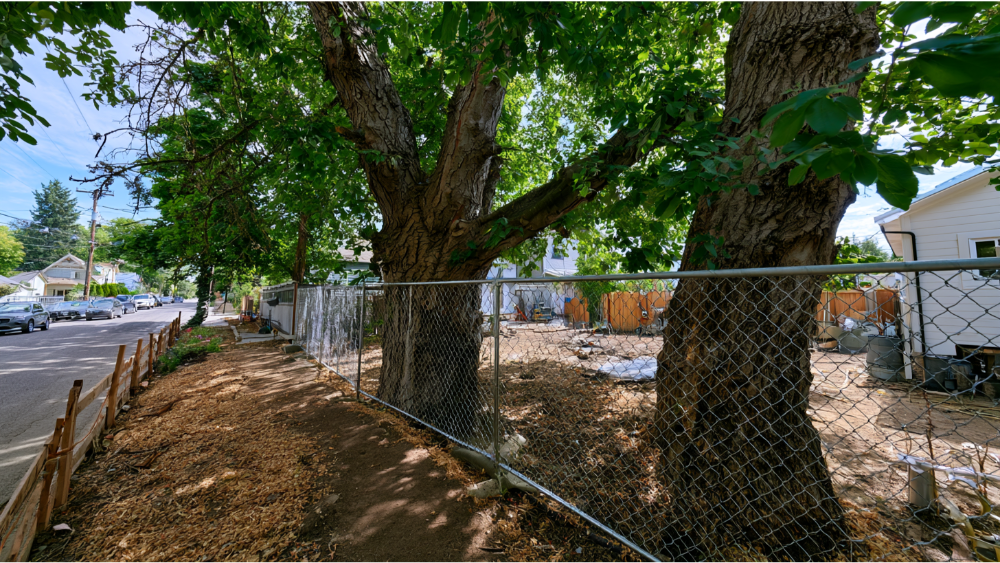
ADU construction affects daily routines, especially when work happens close to the main house.
Use temporary fencing or clear boundaries to keep children, pets, guests, adult children, and aging parents away from active work areas.
Material deliveries, workers, and inspections may affect parking near the main house. Discuss this with your project manager before construction begins.
It is helpful to explain that ADU construction will create some noise, dust, and activity. Good communication can reduce concerns about parking, deliveries, and work near a shared property line.
A building permit must be approved before construction begins.
The building permit confirms that the accessory dwelling unit meets local building codes, energy efficiency standards, fire safety requirements, and local zoning.
Each building department may review permit applications differently. The permitting process can vary by city, even when state rules support ADU building.
The final inspection confirms the ADU was built properly. Before final inspection, the building department may inspect foundation work, framing, roof structure, utility connections, plumbing rough-in, electrical rough-in, insulation, and finishes.
Confirm your goals, rental income plans, potential rental income, square foot needs, architectural style, and whether the unit is for aging parents, adult children, guests, or tenants.
Review construction documents, permit applications, utility connections, site preparation, grading, drainage, demolition needs, and the project’s scope.
Clear personal items, prepare access, confirm staging, review the building permit, secure pets, discuss parking, and confirm communication with the project manager.
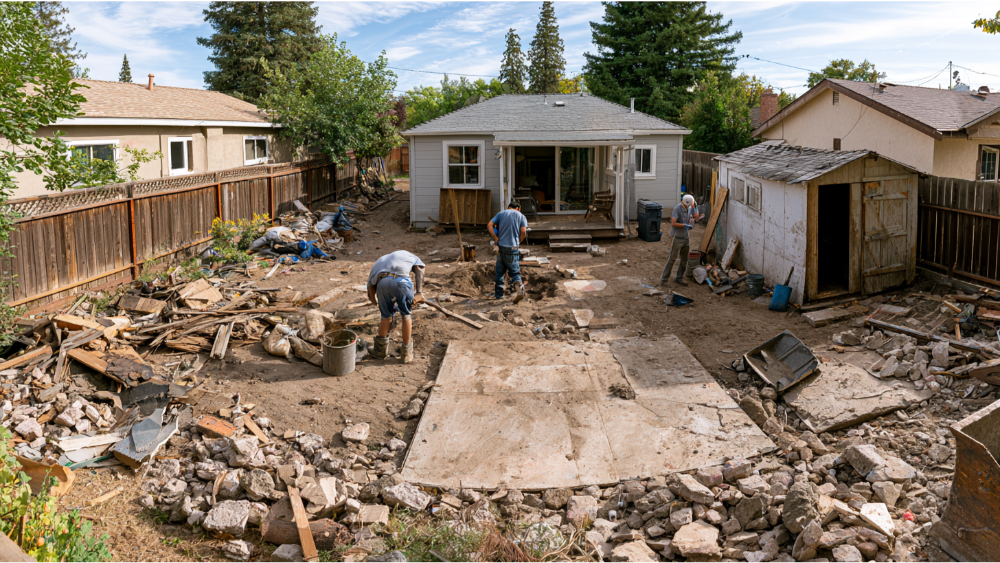
Do not remove existing structures before the ADU construction plan is complete.
An empty yard still needs site preparation, utility integration, drainage review, and building department approval.
Utility connections can affect ADU construction costs, construction loans, construction costs, and the full project’s scope.
Drainage problems can damage the accessory dwelling unit and the existing property.
A well-designed ADU building plan still needs practical access for construction.
Golden State ADUs helps homeowners build an ADU with design, permitting management, site preparation, and ADU construction under one team.
We guide the ADU construction process from early planning through final inspection. Whether your goal is rental income, an independent living space, an accessible dwelling unit, an auxiliary dwelling unit, or more room for family, our team helps align the project’s scope with your property, budget, and goals.\
As an experienced ADU building company, we help homeowners understand the building permit process, local zoning, ADU construction types, and the practical steps needed before site work begins. We also help homeowners avoid owner builder challenges by providing professional guidance from start to finish.
No. Contact an ADU building team first so they can review site preparation needs before anything is removed.
Remove loose personal items, patio furniture, toys, tools, storage bins, and anything your contractor confirms.
Sometimes. Fence removal depends on access, equipment, and the square foot size of the ADU.
Yes. Utility lines must be identified before excavation, trenching, and ADU construction.
Often, yes. It depends on tree location, roots, access, and the detached ADU layout.
It depends on site work, demolition, utilities, grading, crawl space needs, and the project’s scope.
Yes. It can help reduce concerns about noise, parking, dust, and construction activity.
Yes. Golden State ADUs helps with site preparation, design, permitting, ADU construction, and final inspection.
Preparing your backyard for ADU construction is about more than cleanup. It is about site preparation, access, utility connections, safety, permits, drainage, and construction readiness.
When many homeowners build an ADU, they are trying to solve real needs, from rising housing costs to rental income, aging parents, adult children, or more flexible living space. With the right planning, ADU construction can turn unused backyard space into a valuable accessory dwelling unit.