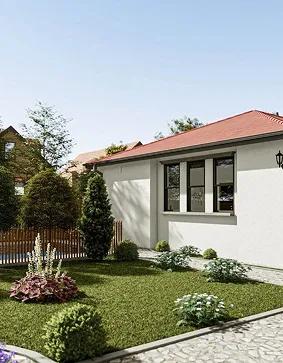
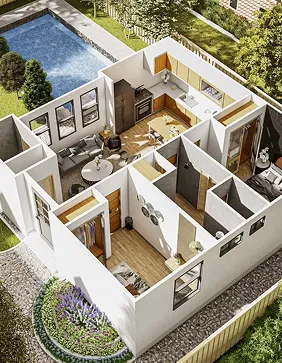
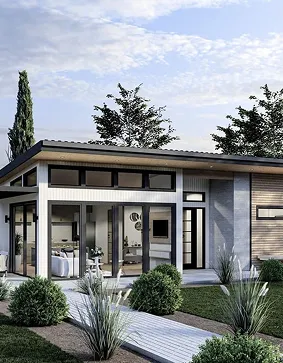
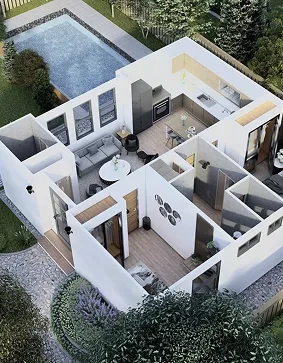
Before building an ADU, many homeowners ask the same important question: what decisions should homeowners make before starting ADU design? The short answer is that homeowners should define the purpose, budget, layout goals, site location, utility needs, local rules, and long-term use before ADU plans begin. An accessory dwelling unit is a significant investment, and early planning helps protect property value, control construction costs, and create living space that works for years.

An accessory dwelling unit (ADU) is more than a small backyard home. It is a complete living space with permitting requirements, building codes, utility connections, zoning laws, and design considerations. A successful ADU project starts with clear goals before the design team begins architectural plans.
Building an ADU can provide additional living space, support family members, create rental income, and help address housing shortages. It can also increase property value when the ADU construction is planned carefully.
Local regulations, zoning laws, building codes, and homeowners association requirements may affect the project scope. An experienced ADU builder can review the existing property, explain local rules, and help move the project forward through the entire process.
The first decision is the purpose of the accessory dwelling unit. Homeowners may be building an ADU for aging parents, adult children, a guest house, passive income, or a future rental unit. This choice affects the size, layout, finishes, privacy, separate entrance, and full project scope.
For potential rental income, the ADU should feel like a true rental unit with a private bathroom, kitchen, storage, durable finishes, and efficient living space. For family members, the design may focus on comfort, accessibility, and connection to the main house.
Aging parents may need wider pathways, safer bathrooms, fewer steps, and energy efficiency features that help reduce utility bills. Adult children may need privacy, storage, parking access, and a flexible living space that feels independent from the primary residence.
The right accessory dwelling unit depends on the existing property, budget, yard space, local regulations, and long-term goals.

Before ADU plans begin, homeowners should think carefully about square footage.
Bigger is not always better. A well-planned 650 square foot ADU can feel more comfortable than a poorly designed 850 square foot unit. Storage, natural light, kitchen flow, bathroom access, and livable space all matter.
The best ADU design should support current needs and future flexibility. An ADU may serve aging parents now, adult children later, and become a rental unit in the future.
Placement affects privacy, property value, outdoor spaces, utility connections, construction costs, and daily use.
Detached ADUs are often placed in the backyard, but the best location depends on zoning laws, local rules, trees, drainage, setbacks, existing structures, and access.
A separate entrance is especially important for a rental unit, adult children, or guests. Residents should be able to reach the accessory dwelling unit without disrupting the main house or private outdoor spaces.
Outdoor spaces should also be planned early. Patios, fencing, walkways, lighting, and landscaping can make the ADU feel like intentional additional living space instead of an afterthought.
A realistic budget should be established before architectural plans begin.
Building an ADU includes design, engineering, permitting requirements, city fees, site preparation, utility connections, materials, labor, and finishes.
Many homeowners only think about the structure, but the full project scope may include demolition, grading, trenching, sewer service, electrical upgrades, drainage, water lines, and outdoor spaces. Financing options should also be reviewed early.
Because building an ADU can create rental income, passive income, housing options, and long-term property value, it is often a smart investment. An experienced ADU builder can provide valuable insights and help align the project scope with the homeowner’s realistic budget.
Utility connections should be reviewed before ADU design is finalized.
Electrical service, water, sewer service, heating, cooling, laundry, and kitchen placement can all affect the ADU build.
Energy efficiency should also be part of the planning process. Efficient windows, insulation, appliances, HVAC systems, and lighting can reduce utility bills and improve comfort. This is especially important for aging parents, tenants, and long-term property value.
If utility connections are complicated, the design team may recommend a different layout or location. Early planning helps keep ADU construction more predictable.

Privacy should be considered before ADU construction begins.
The accessory dwelling unit should feel comfortable for the resident while protecting the privacy of the main house.
A separate entrance helps create independence. Window placement should allow natural light without creating awkward views into the existing home. Fencing, landscaping, lighting, and outdoor spaces can help define each living area.
For rental income, privacy can make the rental unit more attractive. For family members, privacy helps aging parents and adult children feel independent while staying close.
Many homeowners build an ADU for one reason and use it differently later.
An accessory dwelling unit may start as a guest house, become housing for adult children, support aging parents, and later become a rental unit.
That is why flexible living space matters. Wider doors, accessible bathrooms, durable finishes, good storage, and efficient layouts can make the living space more useful over time. These choices support property value and help make the ADU a practical solution for changing household needs.

Even when local rules reduce parking requirements, daily access should still be planned carefully.
Homeowners should think about where residents will park, how they will reach the separate entrance, and whether the route is safe at night.
Walkways, lighting, gates, and outdoor spaces affect everyday comfort. A rental unit should feel easy to access. Family members should feel safe moving between the ADU and the main house.
Good access can also support property value because it makes the accessory dwelling unit feel functional and well integrated with the existing property.
Homeowners should decide whether they want custom ADU plans, pre-approved plans, or a more standard design.
Pre-approved plans can be cost effective in some cases, but they still need to fit the existing property, local regulations, zoning laws, utility connections, and building codes.
Custom ADU design is often better when the site has limited yard space, unusual existing structures, or specific family needs. A custom accessory dwelling unit can match the architectural style of the existing home and create better livable space.
The design team should also consider natural light, storage, vertical space, energy efficiency, and outdoor spaces. These details make the ADU more comfortable and useful.
Permitting requirements should guide the design from the beginning.
Local regulations, zoning laws, building codes, setbacks, height limits, fire access, and utility standards can all affect what is possible.
Homeowners should not finalize ADU plans before understanding the approval process. If the plans do not align with local rules or zoning laws, revisions can delay the ADU process and increase costs.
Owner occupancy requirements may also apply in certain situations depending on the property and ADU type. An ADU expert or experienced ADU builder can help homeowners understand local rules before submitting plans.
Building an ADU requires more than a designer.
A strong ADU project needs a design team, permitting support, construction planning, and a licensed contractor who understands accessory dwelling unit requirements.
An experienced ADU builder is a valuable resource because they can connect design choices to construction costs, local regulations, financing options, building codes, and the full project scope.
With the right team, homeowners can move from early planning to ADU construction with fewer delays and better decisions.

Before building an ADU, homeowners should be ready to answer several key questions:
Golden State ADUs helps Sacramento and Northern California homeowners make confident decisions before building an ADU.
Our team reviews the existing property, explains local rules, helps define the project scope, and creates ADU plans that support each homeowner’s goals.
Whether the goal is additional living space, rental income, a guest house, housing for aging parents, housing for adult children, or a smart investment that increases property value, we help guide the process from planning through ADU construction.
As an experienced ADU builder, we help homeowners avoid common mistakes and create living space that works for today and tomorrow.
Before designing an ADU, decide the purpose, ADU type, size, location, budget, utility connections, privacy needs, local regulations, zoning laws, and long-term use. These decisions help shape the accessory dwelling unit and keep the ADU project realistic.
You should have a general size goal, but the final square foot layout should be based on the existing property, local rules, budget, building codes, and intended living space.
Detached ADUs usually offer more privacy and flexibility, while garage conversions can be cost effective when the garage is in good condition. The best choice depends on existing space, existing structures, local regulations, and project scope.
Utilities should be reviewed before ADU plans are finalized. Electrical service, sewer service, water lines, utility bills, and energy efficiency can all affect ADU construction.
Yes. Working with an experienced ADU builder or licensed contractor early helps align the design with construction costs, local building codes, and permitting requirements.
Yes. Golden State ADUs helps homeowners with ADU design, permitting, and ADU construction throughout Sacramento and nearby Northern California communities.
Building an ADU is one of the most practical ways to create additional living space, support family members, generate rental income, expand housing options, and increase property value. The key is making the right decisions before design begins.
By clarifying the purpose, budget, location, utility needs, local rules, zoning laws, and full project scope early, homeowners can create an accessory dwelling unit that is comfortable, code-ready, and built for long-term value.
Ready to explore what is possible on your property? Golden State ADUs can help you plan a smart investment from first idea to finished ADU construction.