

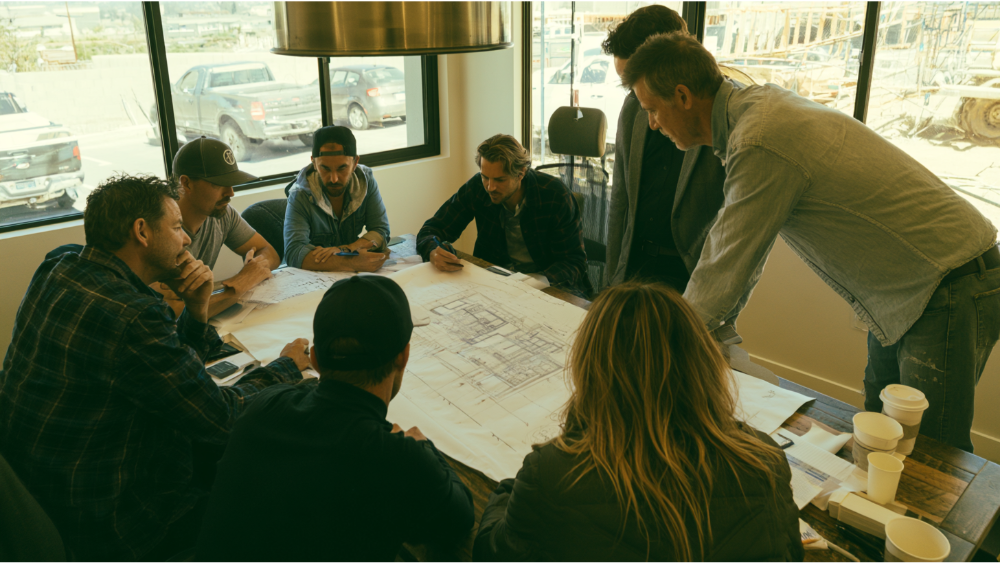
Many homeowners ask, how do ADU builders coordinate design engineering and construction when an ADU project includes so many moving parts? The answer is careful planning, clear communication, and one organized process that connects ADU design, engineering, the permitting process, and ADU construction from the beginning.
Building an accessory dwelling unit (ADU) is exciting, but accessory dwelling units are complete homes. They require site plans, structural plans, utility connections, building code review, permit approval, inspections, and quality construction. Whether the goal is expanding living space, supporting family, increasing property value, or creating rental income, a coordinated ADU design build team helps protect the budget, timeline, and final result.
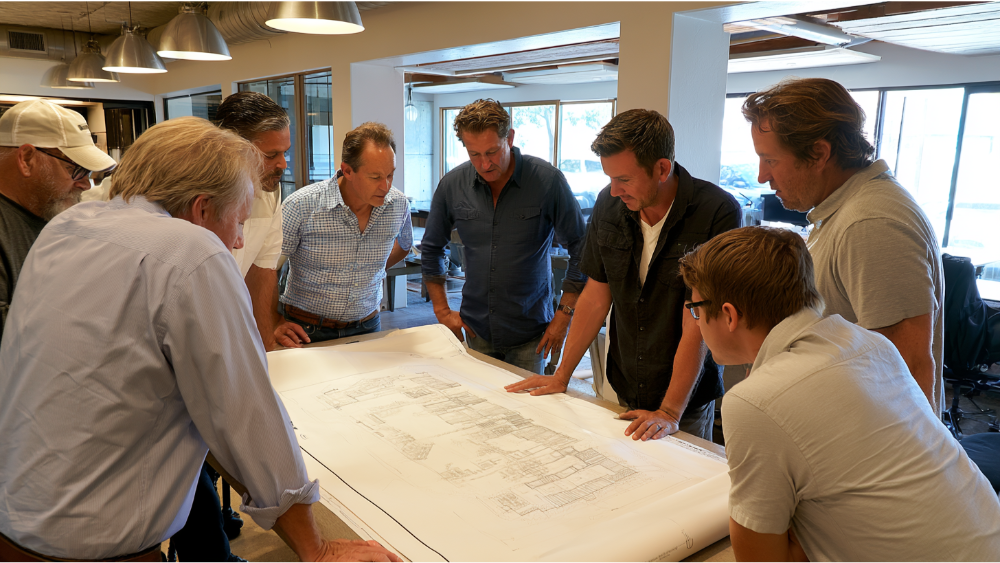
An ADU project works best when ADU design, engineering, permitting, and construction are connected early. Accessory dwelling units may be smaller than a primary home, but they still require building code compliance, mechanical systems, structural design, utility planning, and final inspection.
An accessory dwelling unit (ADU) can be a detached ADU, attached ADU, garage conversion, junior ADU, backyard cottage, or a unit created within an existing structure. Each option has distinct advantages. Detached ADU projects often involve new construction, foundation design, site preparation, and new utility connections. Attached ADUs must connect safely to the main home. Garage conversions require careful review of the existing structure, foundation details, framing, insulation, ceiling height, and building code requirements.
Poor coordination can create project delays, unexpected costs, and permit corrections. If ADU plans do not meet local zoning regulations or local building codes, the building department may require revisions. If a structural engineer is involved too late, structural calculations and structural plans may change after the homeowner has already approved the layout. If utility planning is ignored, construction costs can rise during the construction phase.
A coordinated ADU design build team aligns the design process, structural engineer review, construction documents, permit approval, and field work. Most ADU projects involve designers, engineers, permit reviewers, trades, inspectors, and project managers. Experienced ADU specialists keep those details organized so homeowners do not have to manage multiple contractors alone.
Every successful ADU project starts with site evaluation and feasibility analysis. Before the design phase begins, the builder reviews the property to understand what can be built, where it can go, and what may affect the total project cost.
A builder reviews lot size, setbacks, access, drainage, grading, trees, existing structure conditions, utility locations, and outdoor space. Site plans help show how the proposed accessory dwelling unit (ADU) will sit on the property. For a detached ADU, this may include backyard cottages, private entrances, walkways, and utility routes. For attached ADUs, the builder reviews how the new living space connects to the main home. For garage conversions, the team studies the slab, framing, roofline, and code requirements.
California law has made accessory dwelling units easier to build, but local regulations still matter. Cities review ADU plans for objective standards, safety, and building code compliance. In Sacramento and nearby communities, the local building department process may differ from city to city.
San Diego is often discussed because San Diego’s ADU regulations have influenced conversations about ADU development, affordable housing, and independent living spaces across California. However, San Diego is not the same as every Northern California city. Local knowledge is essential.
Cities must follow California law and cannot improperly deny ADU applications, but they can require complete design documents, accurate site plans, structural plans, and compliance with local building codes.
Feasibility is also where the builder discusses construction costs, pre-construction costs, permit fees, utility planning, and scope. This helps homeowners understand the total project cost before they commit to a final ADU design.
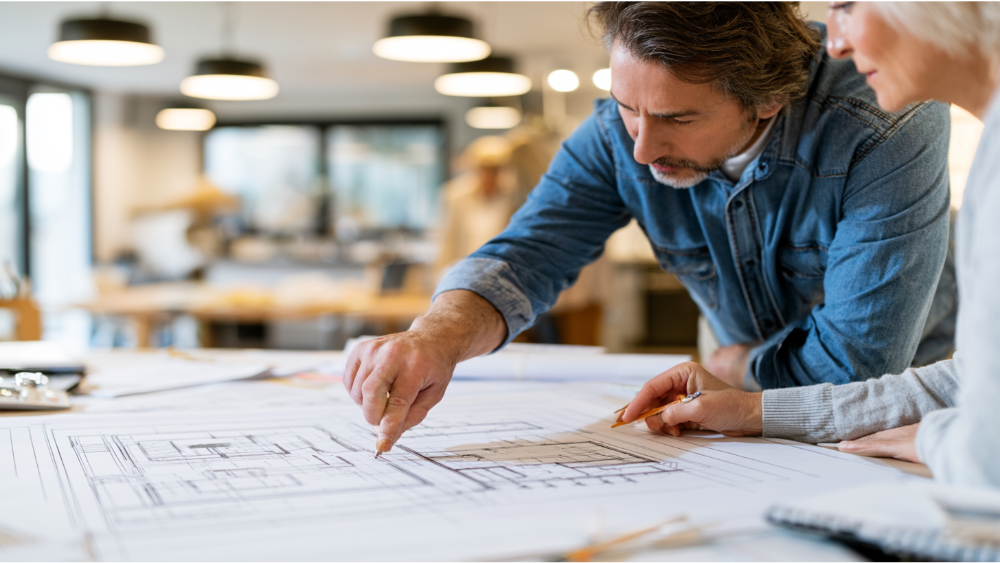
The ADU design stage turns homeowner goals into a practical, attractive, and buildable plan. Good ADU design is about more than square footage. It is about creating living space that works for the property, budget, and long-term value of the home.
Some homeowners build accessory dwelling units to generate rental income. Others want living space for parents, adult children, guests, caregivers, or a private office. An accessory dwelling unit (ADU) can also increase property value by adding flexible independent living spaces.
During the design process, the builder considers bedroom count, kitchen placement, bathroom layout, laundry, storage, privacy, natural light, and accessibility. A detached ADU may feel like a small backyard cottage, while attached ADUs may be designed as extensions of the primary home. Garage conversions often require more creativity because the existing structure controls much of the layout.
Strong ADU design must reflect real site conditions. A detached ADU placed far from existing utilities can increase construction costs. Attached ADUs may require additional structural design where the new unit connects to the main house. Garage conversions may need upgrades for insulation, windows, doors, fire separation, and energy efficiency.
This is where ADU design build coordination becomes valuable. The design team can create a layout that supports the homeowner’s goals while the construction team reviews buildability.
A beautiful ADU design should still be practical. Rooflines, windows, cabinets, fixtures, flooring, siding, and finishes all affect cost. A full-service ADU design build team helps homeowners make smart decisions before construction begins, which keeps the ADU project realistic and helps protect property value.
Engineering is where the concept becomes a safe, code-compliant structure. The structural engineer reviews the ADU design and prepares the structural calculations and structural plans needed for permit approval.
A structural engineer evaluates foundation design, framing, roof loads, shear walls, lateral resistance, seismic considerations, and structural connections. In California, structural design matters because accessory dwelling units must meet building code requirements and local building codes.
For a detached ADU, the structural engineer may create foundation details for new construction. For attached ADUs, the engineer reviews how the new unit connects to the existing structure. For garage conversions, the structural engineer may determine whether the current framing and slab can support the new living space.
Mechanical systems, electrical layouts, plumbing routes, water heaters, HVAC, ventilation, lighting, and utility connections must be coordinated before construction begins. This prevents conflicts between framing, ductwork, plumbing, and electrical work.
Utility planning is especially important for detached ADU projects and backyard cottages. Garage conversions may use some existing utility locations, but upgrades are often needed for code compliance.
Accessory dwelling units must meet applicable building code and energy efficiency standards. This may affect insulation, windows, HVAC equipment, ventilation, lighting, and water heating. The builder and structural engineer coordinate with the design team so the ADU plans meet code requirements before submittal.
Engineering should not be delayed. When the structural engineer is involved early, structural calculations, structural plans, foundation details, and architectural drawings can be coordinated before permit submission. This supports a smoother permitting process and helps reduce corrections from the building department.
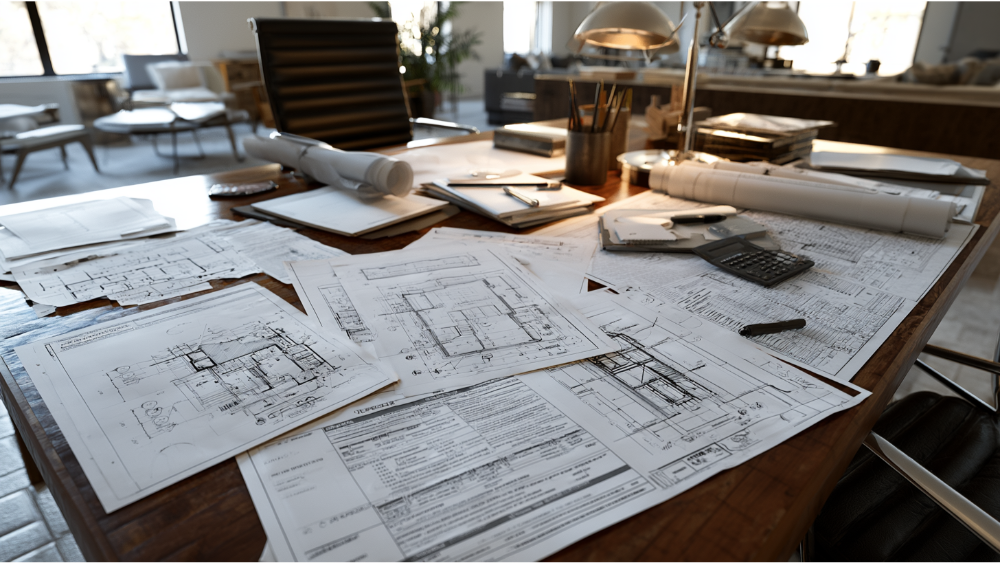
After ADU design and engineering are aligned, the builder prepares construction documents for permit review. This is a critical part of ADU development because incomplete plans can slow permit approval.
A permit package may include architectural drawings, structural plans, structural calculations, site plans, foundation details, design documents, Title 24 energy forms, utility information, and other construction documents required by the local building department.
For garage conversions, the package may include details showing how the existing structure will be upgraded. For a detached ADU, the plans may show new construction, foundation design, roof framing, utility connections, and site preparation. For attached ADUs, the plans must show the connection to the primary home.
The permitting process includes plan check, corrections, resubmittals, and permit approval. Local regulations can vary, so the builder must understand the rules in each jurisdiction. San Diego, Sacramento, Roseville, Folsom, and Elk Grove may each have different review steps, even though all must follow California law.
San Diego’s ADU regulations are often discussed statewide because San Diego has seen strong ADU development and interest in accessory dwelling units. Still, every property must be reviewed based on its own city, site conditions, and building department process.
When a designer works separately from the contractor, the homeowner may receive ADU plans that look good but are difficult to build. A design may require expensive structural changes, complicated utility connections, or materials that do not fit the budget. An ADU design build team reduces this gap by connecting design, engineering, and construction planning early.
Pre-construction planning prepares the ADU project for field work. This step protects the schedule, budget, and quality of the build.
Before construction begins, the builder confirms the final scope, approved plans, material selections, subcontractor scheduling, and inspection sequence. This is where the team reviews construction costs, pre-construction costs, and any remaining decisions that could affect the timeline.
ADU construction includes excavation, concrete, framing, roofing, siding, plumbing, electrical, HVAC, insulation, drywall, cabinets, flooring, tile, paint, and finish carpentry. A builder must schedule each trade in the right order. If materials are missing or trades are not coordinated, the construction process can slow down quickly.
Site preparation may include access planning, staging, temporary fencing, protection for the main home, demolition, trenching, and utility planning. This is especially important for homeowners living on the property during ADU construction. A stress-free process depends on communication, clean scheduling, and realistic expectations.

The construction phase is where design and engineering become a finished accessory dwelling unit (ADU). Strong field coordination keeps the work aligned with the approved plans.
During ADU construction, the project manager ensures that crews follow the approved plans, structural plans, and building code requirements. If field questions arise, the builder coordinates with the structural engineer, designer, and inspector. This helps protect quality and reduce avoidable changes.
Subcontractors must be scheduled carefully. Foundation work comes before framing. Rough plumbing, electrical, and mechanical systems come before insulation and drywall. Inspections must happen at the right time. The building department may inspect foundation, framing, utilities, insulation, drywall, and final work before final inspection.
Even well-planned accessory dwelling units can reveal surprises. Garage conversions may uncover damaged framing or slab issues. A detached ADU may require utility adjustments. Attached ADUs may need additional framing or structural design at the connection point. The builder’s role is to document the issue, coordinate the right professionals, and keep the construction process moving.
Quality control happens throughout the ADU construction process. The builder reviews workmanship, verifies materials, checks details against the plans, prepares for inspections, and confirms that the finished living space meets expectations. Final inspection is the last major milestone before the unit is ready for use.
ADU design build delivery is valuable because it brings the major pieces of the project under one coordinated system. For homeowners, that means fewer handoffs and more accountability.
Instead of hiring multiple contractors, a separate designer, a structural engineer, and a permitting consultant on their own, homeowners can work with one ADU design build team. The builder coordinates ADU design, engineering, the permitting process, and ADU construction.
When the office and field teams communicate, the project becomes more efficient. The design team understands construction costs. The construction team understands design intent. The structural engineer can review details before they become field problems. This coordination supports successful ADU projects.
No builder can guarantee that every variable will be perfect, but strong planning reduces risk. Feasibility analysis, site plans, structural calculations, code compliance, permit approval, and pre-construction planning all help create a clearer path forward.
Most homeowners do not want to manage the entire process alone. They want a builder who can explain options, coordinate professionals, communicate with the local building department, and deliver a finished ADU with confidence.

Choosing the right builder is one of the most important parts of the project.
Ask whether the company is truly full-service. A strong ADU design build company should explain how ADU design, structural engineer coordination, permitting, and construction are connected.
The builder should explain how they work with the building department, respond to corrections, and manage permit approval.
Permit corrections are common. The key is having a clear process for updating ADU plans, revising structural plans, and resubmitting information quickly.
Ask when the structural engineer becomes involved. Early engineering can reduce project delays and improve the quality of the final construction documents.
A reliable builder should discuss construction costs, finish selections, site conditions, and possible risks before construction begins.
The builder should coordinate trades, inspections, building department communication, and final inspection.
Golden State ADUs helps homeowners plan and build accessory dwelling units with a clear, full-service process. Every ADU project is different, and every homeowner deserves a practical plan.
As a Sacramento-based ADU design build company, Golden State ADUs serves homeowners throughout Sacramento, Folsom, Roseville, Elk Grove, West Sacramento, Citrus Heights, Carmichael, and nearby communities. Many homeowners also compare markets across California, including San Diego, where accessory dwelling units have become a major part of the housing conversation.
San Diego is often used as an example of strong ADU development, but Northern California properties have their own local regulations, site conditions, and building department processes. Local experience helps homeowners avoid confusion and move forward with confidence.
Golden State ADUs coordinates ADU design, engineering, permitting, and ADU construction in one organized process. Whether the project is a detached ADU, attached ADU, garage conversion, backyard cottage, or another accessory dwelling unit type, our team keeps the details connected.
We focus on clear communication, practical recommendations, and transparent planning. Homeowners should understand what is happening, why it matters, and how each decision affects the finished living space, property value, rental income potential, and long-term value.
An ADU should support your goals, whether that means helping family, creating private living space, building backyard cottages, or adding a way to generate rental income. Golden State ADUs helps homeowners create accessory dwelling units that are designed, engineered, permitted, and built with care.
Some ADU builders coordinate engineering, while others expect homeowners to hire a structural engineer separately. A full-service ADU design build company typically coordinates the structural engineer, structural calculations, structural plans, and engineering details as part of the ADU project.
Engineering should happen after the initial ADU design direction is established and before permit submission. This allows the structural engineer to coordinate foundation design, framing, seismic considerations, and code compliance before construction begins.
This depends on the builder. A full-service builder usually prepares the ADU plans, site plans, design documents, structural plans, and construction documents, then submits them to the local building department for review.
Minor changes may be possible, but major changes can require revised ADU plans, structural engineer review, updated structural calculations, or building department approval. Good planning reduces the need for major changes during the construction phase.
ADU design build delivery keeps the design phase, engineering, permitting process, and construction process aligned. It also reduces the need for homeowners to coordinate multiple contractors on their own.
Timelines vary based on property conditions, local regulations, permit approval, building department review, ADU design complexity, and construction scope. Most ADU projects move more smoothly when feasibility, design, engineering, and construction planning happen in the right order.
Garage conversions can be efficient because they use an existing structure, but they are not always simple. Garage conversions may need structural upgrades, insulation, new windows, utility improvements, and building code updates. A detached ADU often requires more new construction, but it may offer more privacy and flexible living space.
California law generally supports the right to build at least one ADU on many residential properties, but each property must still meet applicable local regulations, building code, safety requirements, and site conditions. Cities must follow state law and cannot improperly deny ADU applications, but they can require complete plans and code-compliant construction.
Pre-approved plans are plan sets that some jurisdictions make available to simplify review. They may help in certain cases, but they still need to fit the property, site plans, utility connections, and local building department requirements.
Accessory dwelling units can increase property value by adding usable living space, rental income potential, and flexible housing options. The final impact depends on location, build quality, layout, market conditions, and how well the ADU construction is completed.
A successful ADU is not just designed, engineered, or built. It is coordinated. From site evaluation and feasibility analysis to ADU design, structural engineer review, permitting, construction, and final inspection, every step must work together.
For homeowners, that coordination can make the difference between a confusing project and a stress-free process. The right ADU design build team helps align design, engineering, building code requirements, construction costs, permit approval, and field execution.
Golden State ADUs is here to help homeowners create accessory dwelling units that add living space, support family needs, generate rental income, and improve property value. Schedule a free consultation to start your ADU project with a full-service team that can guide you from planning through construction.