

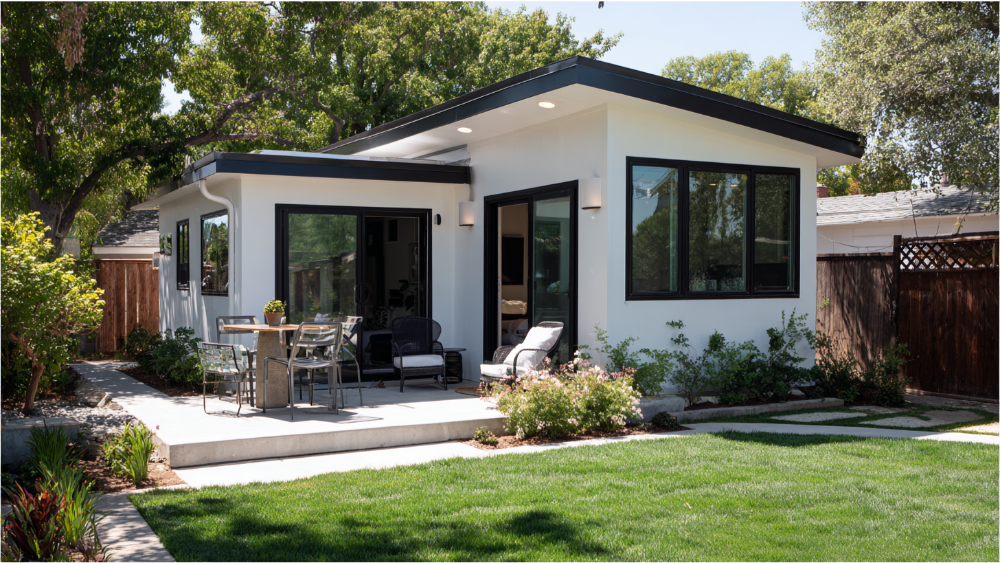
Understanding how much it costs to build an ADU per square foot is one of the most important steps for homeowners planning an ADU in California. ADU costs vary widely across regions, property types, and design choices, and most homeowners quickly realize there is no single fixed price. Instead, the answer depends on construction, permitting, labor, materials, and site conditions. This guide breaks down ADU costs in detail so homeowners can better understand total cost, construction cost, and long-term value when they build an ADU and plan for potential rental income. If you’re wondering how much does it cost to build an ADU per square foot, this guide will help clarify the factors influencing that cost and provide a comprehensive overview to assist in your planning.
The average ADU cost per square foot in California typically ranges from $250 to $400+ per sq ft depending on region, design complexity, and labor rates. ADU costs in San Francisco and San Diego tend to be higher due to higher labor rates, stricter permitting requirements, and increased material costs. In inland California regions, ADU costs are generally lower, often ranging from $250 to $325 per sq ft.
Most ADU construction budgets are influenced by fixed costs such as permitting fees, utility connections, and design requirements. These fixed costs affect smaller ADUs more heavily because they are spread across fewer square feet. As a result, cost per square foot can appear higher for smaller ADU projects even when total cost is lower.
Homeowners should understand that ADU costs are not just about square footage but also about construction complexity, site conditions, and the level of finishes selected.
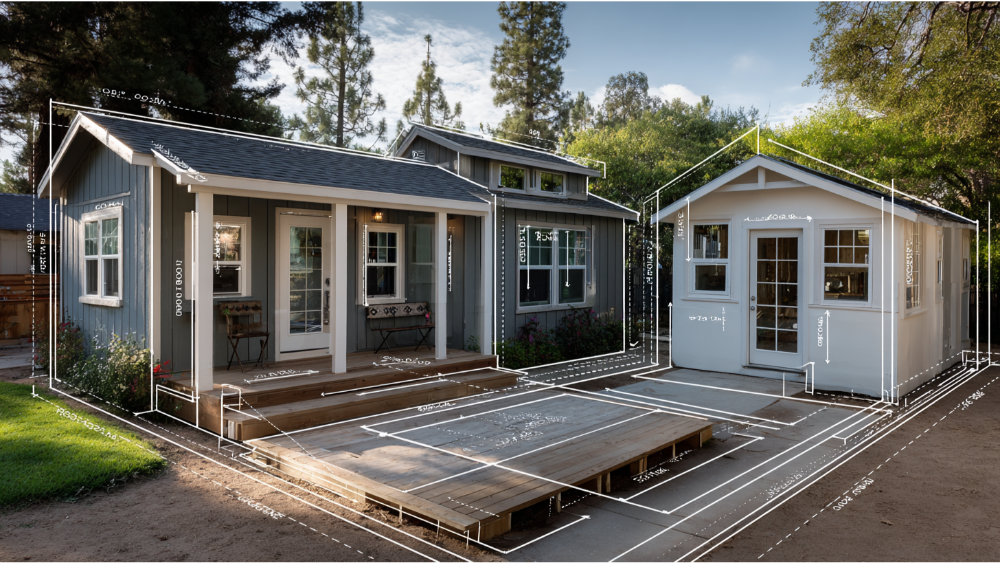
ADU costs vary significantly depending on the type of accessory dwelling units being built. Detached ADUs, attached ADUs, and garage conversion ADUs all carry different pricing structures based on construction requirements.
Detached ADUs are typically the most expensive type of ADU. They usually range from $300 to $500 per sq ft because they require a completely new structure, foundation, and full utility installation. Detached ADUs also involve higher construction costs due to labor, materials, and site work requirements.
Detached ADUs often require full permitting fees, engineering, and utility coordination. These factors increase total ADU costs but also increase long-term property value and rental income potential. Many homeowners choose detached ADUs because they can generate rental income while adding independent living space separate from the main house.
An attached ADU shares structural elements with the main house, which can reduce overall construction cost. Attached ADUs typically range from $250 to $400 per sq ft depending on layout and design complexity.
Because attached ADUs share walls with the main house, some material costs and framing costs are reduced. However, attached ADUs still require full kitchens, bathrooms, and utility systems. ADU costs for attached units remain significant but can be more efficient compared to detached ADUs.
Many homeowners consider attached ADUs a good investment because they balance cost savings with added living space and rental income opportunities.
Garage conversion ADUs are one of the most cost-effective ADU options. They typically range from $200 to $350 per sq ft because they use an existing structure instead of building new construction from the ground up.
Since the existing structure is already in place, construction cost is reduced. However, garage conversion ADUs may still require upgrades to electrical systems, insulation, plumbing, and ventilation. These additional costs can impact total ADU costs depending on the condition of the existing garage.
Garage conversion ADUs are popular because they allow homeowners to save money while still creating functional living space that can generate rental income.
Junior ADUs are the smallest and lowest-cost accessory dwelling units. These units are typically created within the main house and use existing living space, which reduces construction cost and permitting complexity.
Junior ADUs have lower ADU costs because they rely heavily on existing structure and systems in the main house. However, they also offer less living space compared to detached ADUs or attached ADUs.
Several factors influence ADU costs and determine the final price of an ADU project. These biggest cost factors include site conditions, labor, materials, and design complexity.
Site conditions are one of the most important cost drivers in any ADU project. Uneven terrain, limited access, or poor soil conditions can significantly increase site work requirements. In some cases, retaining walls may be required, adding additional costs to the overall project.
Flat, accessible properties typically reduce ADU costs and make construction more efficient.
Utility connections play a major role in ADU costs. Water, sewer, and electrical systems must be extended from the main house or street. Utility connections can significantly increase construction cost depending on distance and infrastructure requirements.
Labor rates in California strongly influence ADU costs. Rising labor and material costs have increased overall construction budgets in recent years. Material costs vary depending on finish level, while design complexity also affects pricing.
A simple layout will cost less per square foot than a highly customized design. A two-bedroom ADU will typically cost more than a studio ADU due to increased square footage and system requirements.
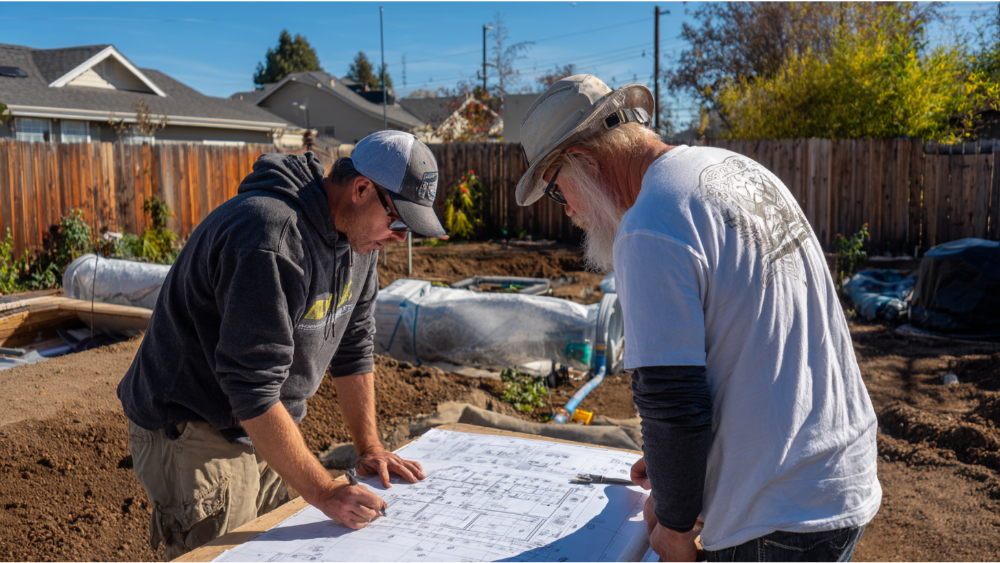
In addition to base construction cost, homeowners must consider soft costs and additional costs that impact total ADU budget.
Permit costs and permitting fees vary by city and are a required part of the permitting process. These fees include plan check fees, inspection fees, and city approval costs. Permit costs are one of the most common fixed costs in ADU projects.
Architectural fees and engineering costs are required to ensure compliance with local building codes. These soft costs are necessary for approval and directly impact total ADU costs.
Site work is another major cost component in ADU construction. Site work may include grading, demolition, or clearing an existing structure. Site work can significantly increase ADU build costs depending on property conditions.
Some jurisdictions require impact fees depending on ADU size. Utility upgrades may also be required if existing systems in the main house are insufficient. These additional costs can impact final pricing significantly.
A typical 700 sq ft detached ADU in California may range from $210,000 to $320,000 depending on design, materials, and site conditions. This includes foundation work, framing, roofing, plumbing, and electrical systems.
Soft costs such as permit costs, architectural fees, and site work add to the total cost. When combined, these elements determine the final price of the ADU project.
This example helps homeowners understand how ADU costs translate into real construction budgets and why square foot pricing is only one part of the equation.
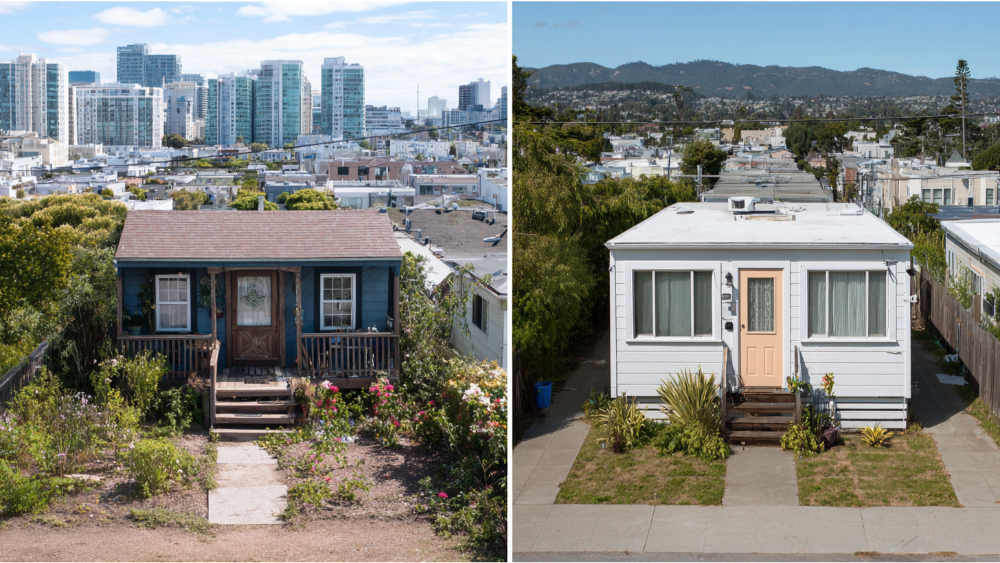
ADU costs vary significantly between cities such as San Diego and San Francisco. In San Francisco, ADU costs are higher due to labor rates, permitting requirements, and construction complexity. In San Diego, ADU costs are also elevated but can vary depending on site conditions and design.
In inland California cities, ADU costs are generally lower, making it easier for homeowners to build an ADU and generate rental income through long-term leasing.
Financing options help homeowners manage ADU construction cost without paying everything upfront. Common financing options include home equity loans, cash-out refinancing, and construction loans.
These financing options allow homeowners to spread costs over time while still moving forward with ADU construction. Financing is often a key step for homeowners planning to build an ADU for rental income or family housing.
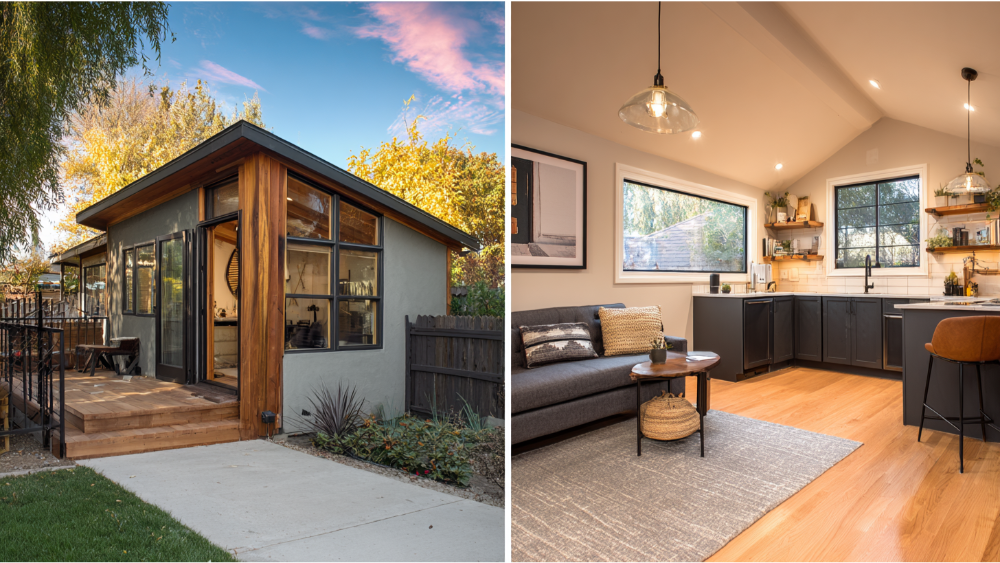
Building an ADU is widely considered a good investment because it can increase property value and generate rental income. Many homeowners build ADUs specifically to generate rental income or provide housing for family members.
ADUs also improve long-term property value by adding functional living space to the main house. While ADU costs can be significant, the long-term investment potential often outweighs initial construction costs.
The final cost varies significantly based on location due to differences in labor rates, permitting fees, and material costs. High-cost cities like San Francisco and Los Angeles typically have higher overall costs compared to inland or rural areas.
Surprise costs can include unexpected site work such as grading or soil remediation, utility connection upgrades, and additional permit fees. Planning a contingency budget helps manage these potential expenses.
Yes, prefab ADUs are built off-site and assembled on your property, which can reduce labor costs and construction time, providing a more predictable project cost compared to traditional builds.
By designing your ADU with rental in mind—such as including a separate entrance and full kitchen and bath—you can rent it out to generate steady income, helping to offset your overall project cost.
Building multiple ADUs can increase the overall project cost but may provide greater rental income potential. Local zoning laws may also impact feasibility and cost.
The foundation and utility connections often represent the most expensive parts of the project, alongside permitting and project management fees.
Understanding how much it costs to build an ADU per square foot is essential for effective planning and budgeting. The overall cost depends on many factors, including location, ADU type, site conditions, and design complexity. While initial expenses can be significant, building an ADU is a valuable investment that can increase property value and provide rental income. Utilizing cost-saving strategies such as prefab ADUs and careful project management can help cut costs and avoid surprise expenses. With proper planning and financing, an ADU can offer long-term financial benefits and added living flexibility for homeowners.