
A complete California guide to tiny house and ADU building costs
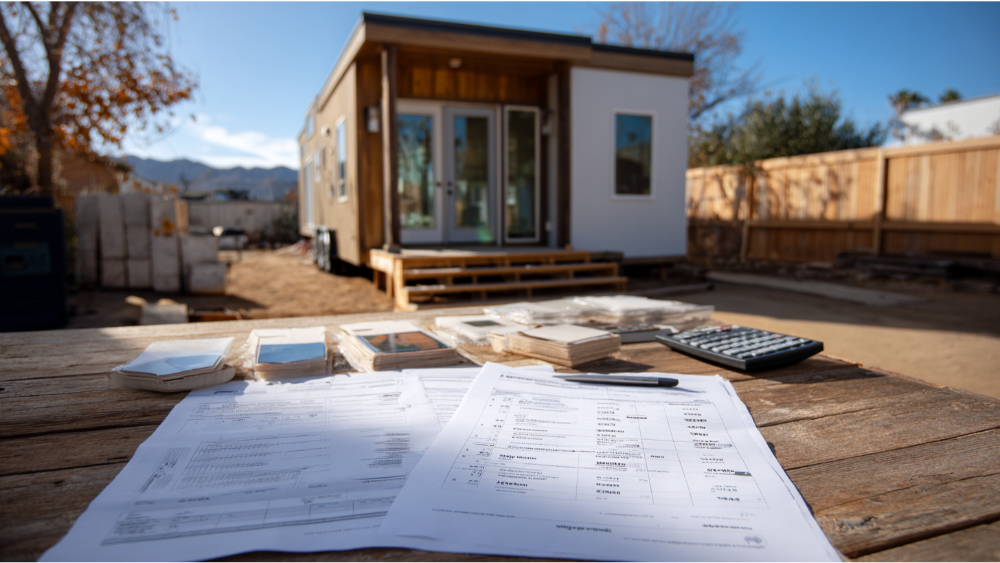
How much does it cost to build a tiny home per square foot is one of the most important questions for homeowners exploring tiny house living, ADU development, or simply trying to understand the real cost to build a tiny home in California in 2026. A tiny home is often seen as a path toward financial freedom, a smaller footprint, and more efficient living space, but the true cost of building a tiny house depends on labor costs, land costs, zoning laws, building codes, permit fees, and utility hookups.
In California, the cost to build a tiny home or tiny house varies widely because of strict building permits, local zoning laws, and higher labor costs compared to traditional homes. Whether you want to build a tiny house for rental income, multigenerational housing, or personal use, understanding tiny home cost per square foot is essential before starting construction. Working with experienced tiny house builders can help optimize your design and control costs based on your preferred tiny house size.
This guide explains exactly how much does it cost to build a tiny home per square foot, along with a complete cost breakdown, financing considerations, and real-world expectations for tiny house construction in 2026.
Average cost per square foot to build a tiny home in 2026
National and California tiny house cost ranges
Across the United States, the cost to build a tiny home typically ranges from $200 to $450 per square foot. In California, the cost of a tiny home is higher due to labor costs, land prices, building codes, zoning laws, and permit fees, often ranging from $325 to $650+ per square foot.
A tiny house in California must comply with strict building codes and local zoning laws, especially when built as an ADU on a permanent foundation. These requirements increase overall cost but also improve long-term durability, property value, and cost effectiveness.
This is why building a tiny home in California is significantly more expensive than in many rural areas or states with fewer regulations.
Why square foot pricing does not tell the full story
Square foot pricing for a tiny home can be misleading because many costs are fixed regardless of size. Kitchens, bathrooms, and utility systems do not scale down with square footage. This means a smaller tiny house often has a higher cost per square foot than traditional homes or larger houses.
A traditional house spreads labor costs and building materials across more square footage, making it more efficient per sq ft. A tiny home concentrates these same systems into a smaller space, which increases per-square-foot pricing. Therefore, two homes of different tiny house sizes might cost the same price per square foot but result in very different total costs. Sometimes a smaller tiny home can cost the same price as a larger one due to fixed system costs, requiring homeowners to spend more money for less space.
Tiny home cost breakdown by construction type
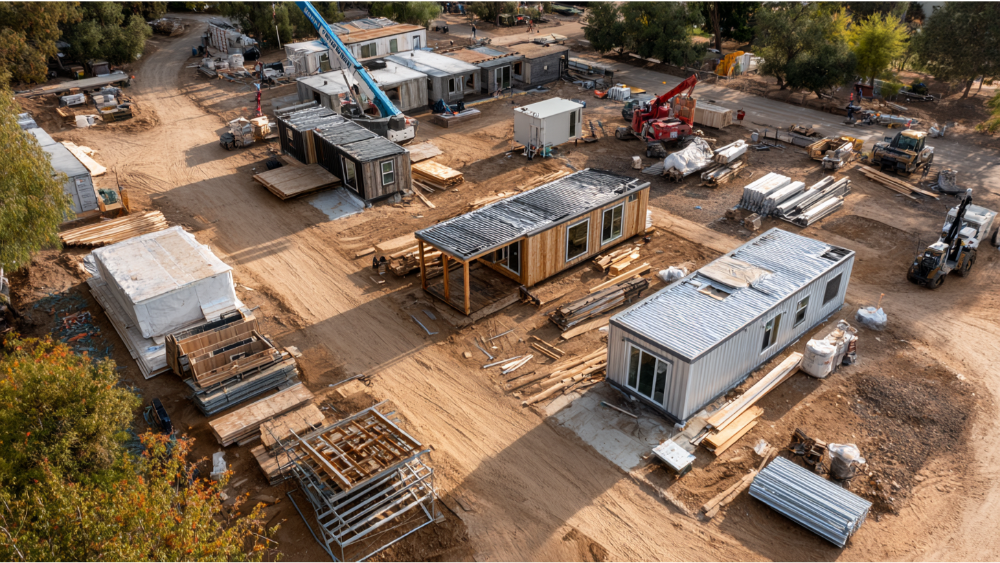
Prefab and park model tiny house options
A park model tiny house or prefab tiny home is typically the lowest upfront cost option. Base pricing ranges from $150 to $300 per square foot before installation. However, once utility hookups, land preparation, building permits, and transportation are included, the overall cost increases significantly.
Prefab tiny houses are popular in the tiny house movement because they can save time and reduce construction timelines, but they may still require permanent foundation upgrades depending on zoning laws and local building codes.
Custom build tiny house construction
A custom build tiny home allows homeowners to design a space tailored to their needs. The cost to build a tiny house using a custom build approach typically ranges from $300 to $500 per square foot.
This type of tiny house construction includes architectural design, building materials, labor costs, and compliance with California building codes. Many tiny homeowners choose a custom build to maximize living space efficiency and achieve more financial freedom through long-term rental use or personal housing solutions. Working with professional tiny house builders ensures your project meets your expectations and budget constraints.
ADU compliant tiny home construction
In California, many people build a tiny home as a legal ADU. These homes must meet strict zoning laws, building codes, and energy requirements. Because of this, the cost often ranges from $350 to $700+ per square foot.
ADU tiny homes typically require a permanent foundation, upgraded insulation, solar panels or solar-ready systems, and full utility hookups. While more expensive, they offer long-term benefits including rental income potential, financing options, and increased property value.
What affects the cost of building a tiny home
Land costs and land prices
Land costs are one of the most important factors when you build a tiny home. Whether you purchase land in rural areas or suburban neighborhoods, land prices significantly affect the overall cost. Many tiny homeowners use a land loan or construction loan to purchase land before they build a tiny house.
Utility hookups and site preparation
Utility hookups such as water, electricity, septic system, or sewer connections can significantly increase the cost of building a tiny home. Site preparation also impacts cost, especially when grading, excavation, or access improvements are required. Some tiny homeowners choose off grid options like composting toilets and solar panels to reduce utility costs and environmental impact.
Labor costs and building materials
Labor costs in California remain high, which directly impacts tiny home construction. Building materials also vary depending on quality and design choices. These two factors alone can significantly shift the total cost of a tiny house project.
Building permits and zoning laws
Building permits and zoning laws determine whether you can legally build a tiny home. Permit fees vary by city and project scope, and compliance with local zoning laws is required for any permanent structure. Without proper permits, a tiny house may not qualify as a legal dwelling.
Why smaller houses often cost more per square foot
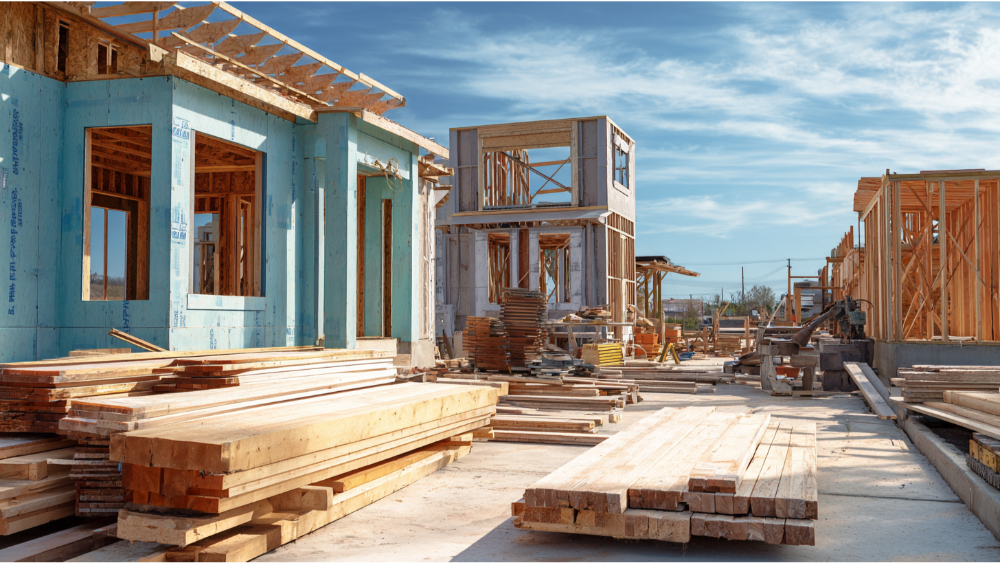
Fixed systems in a tiny house
Every tiny home requires essential systems such as plumbing, electrical, and HVAC. These systems cost nearly the same whether the house is 400 square feet or 800 square feet. This creates a higher cost per square foot for smaller homes.
Design complexity and labor costs
Smaller spaces require more detailed design work and precision construction. Labor costs increase because contractors must optimize every inch of space to ensure functionality and compliance with building codes.
Example cost comparison
A 400 sq ft tiny home may cost between $180,000 and $260,000, while a larger 800 sq ft house may cost more overall but less per square foot. This demonstrates how building a tiny home can sometimes result in higher sq ft costs even when total cost is lower.
Total cost to build a tiny home in California
Entry level tiny house builds
Entry level tiny homes typically range from $120,000 to $180,000. These are often prefab units with basic finishes and minimal customization. They are common for those looking to enter the tiny house lifestyle on a small budget.
Mid range tiny home construction
Mid range tiny homes typically cost between $180,000 and $300,000. These include full building permits, standard finishes, and compliance with California building codes and zoning laws.
High end custom build tiny homes
High end tiny homes can exceed $300,000 to $500,000 or more. These projects often include custom build designs, premium building materials, solar panels, advanced energy systems that use less energy, and expanded living space features.
Tiny home vs traditional house investment
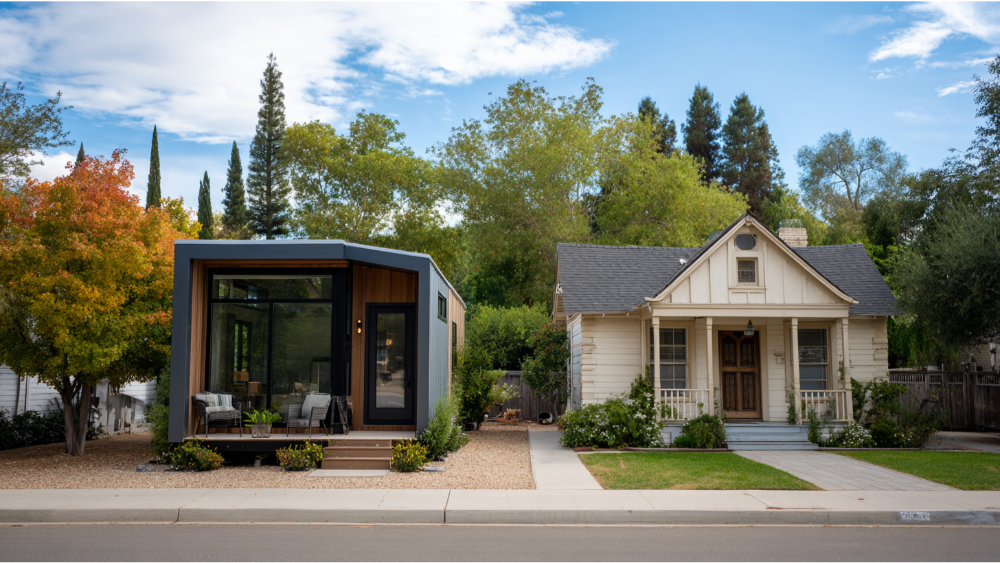
Financial freedom and long term value
A tiny home offers more financial freedom through reduced living costs and efficient use of space. However, traditional homes still provide more square footage and long-term stability for larger households.
Financing options for tiny homes
Financing a tiny home may include a construction loan, personal loan, or land loan depending on credit score and lender requirements. Some lenders such as Rocket Mortgage may offer financing options for ADU-style homes, though approval depends on project type and compliance.
Property taxes and value impact
Property taxes for a tiny home ADU depend on assessed value and local real estate taxes. A well-built tiny house can increase overall property value compared to pre owned tiny house alternatives or non-permitted structures.
California regulations for tiny home building
Building codes and zoning laws
California building codes and zoning laws require most tiny homes to meet strict safety and energy standards. A tiny house must comply with structural requirements, especially when built as a permanent foundation ADU.
Tiny home building permits process
Tiny home building permits are required for most permanent structures. Permit fees and approval timelines vary by jurisdiction, and compliance is essential for legal occupancy.
Utility systems and energy efficiency
Many modern tiny homes include solar panels and energy-efficient systems to reduce long-term utility costs. These upgrades support sustainability and help homeowners save money over time.
Is building a tiny home worth it in 2026?
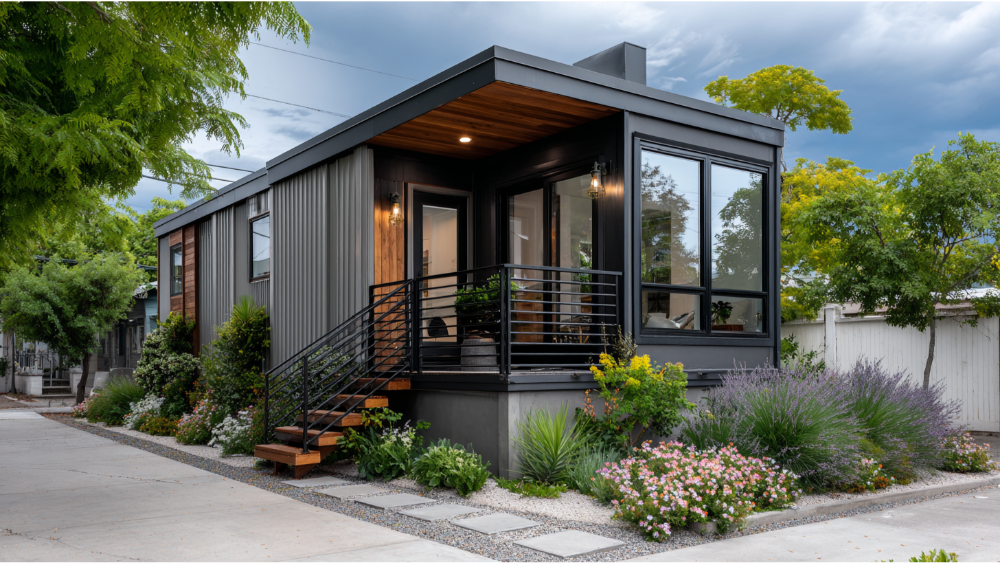
Building a tiny home in 2026 can be a cost-effective path toward homeownership, rental income, or multigenerational living. While the cost of building a tiny house varies widely, many tiny homeowners find the long-term benefits outweigh the initial investment.
A tiny home can reduce long-term expenses, support financial freedom, and provide flexible housing solutions in high-cost California markets where traditional homes are increasingly expensive. For those with enough room on their property, building a tiny home as an ADU can be a smart investment.
Frequently Asked Questions
How much does it cost to build a tiny home per square foot?
The average price to build a tiny home in 2026 ranges from $200 to $450 per square foot nationally, with California prices typically between $325 and $650+ per square foot due to higher labor and land costs.
Can I finance the construction of my tiny home?
Yes, financing options include personal loans, land loans, construction loans, and home equity lines of credit (HELOC). Having a good credit score and a detailed project plan can improve your chances of loan approval.
What are the typical permit costs for building a tiny home in California?
Permit fees vary widely but generally range from $500 to $3,100 depending on the city and scope of the project. Proper permits are essential to ensure legal occupancy and compliance with local building codes.
Is it cheaper to build or buy a tiny home?
Building a tiny home yourself (DIY build) can be more affordable, often costing between $20,000 and $80,000 depending on materials and labor. Prefabricated tiny homes usually range from $30,000 to $100,000 but can save time and effort.
How do utility hookups affect the total cost?
Connecting to utilities like water, electricity, and sewer can add between $3,000 and $25,000 to your budget, depending on site conditions and proximity to existing infrastructure. Choosing off grid options such as composting toilets can reduce ongoing utility expenses.
What factors influence the cost of building a tiny home?
Many factors affect cost, including land prices, labor, building materials, design complexity, permits, utility hookups, and whether you opt for a DIY build or hire professional tiny house builders. Unforeseen expenses can also arise, so budgeting a contingency is wise.
Conclusion
Building a tiny home in 2026 offers an affordable and sustainable housing alternative, especially in high-cost areas like California. While the cost per square foot is higher than traditional homes due to fixed systems and design complexity, tiny homes provide financial freedom, reduced environmental impact, and a minimalist lifestyle. Understanding the many factors that influence cost—from land and labor to permits and utilities—is crucial for budgeting effectively. Whether you choose a custom build, prefab option, or DIY approach, thorough planning and awareness of local regulations will help ensure your tiny home project is a success. With growing interest and increasing tiny house communities, now is a great time to explore this innovative way of living.