
Understanding how long it takes to build a detached ADU from start to finish in California is one of the most important steps before committing to an accessory dwelling unit project. A detached ADU is a major investment in your property value, long-term flexibility, and potential rental income, but the ADU timeline depends on many factors including permitting approvals, design complexity, site conditions, and construction efficiency. Most homeowners are surprised that even with streamlined California zoning laws, the full ADU building process still takes several months to over a year from concept to completion. If you’re wondering how long does it take to build a detached ADU from start to finish, the answer typically ranges from 9 to 15 months, though this can vary based on project specifics and local regulations.
Quick Answer: Average Time to Build an ADU in California
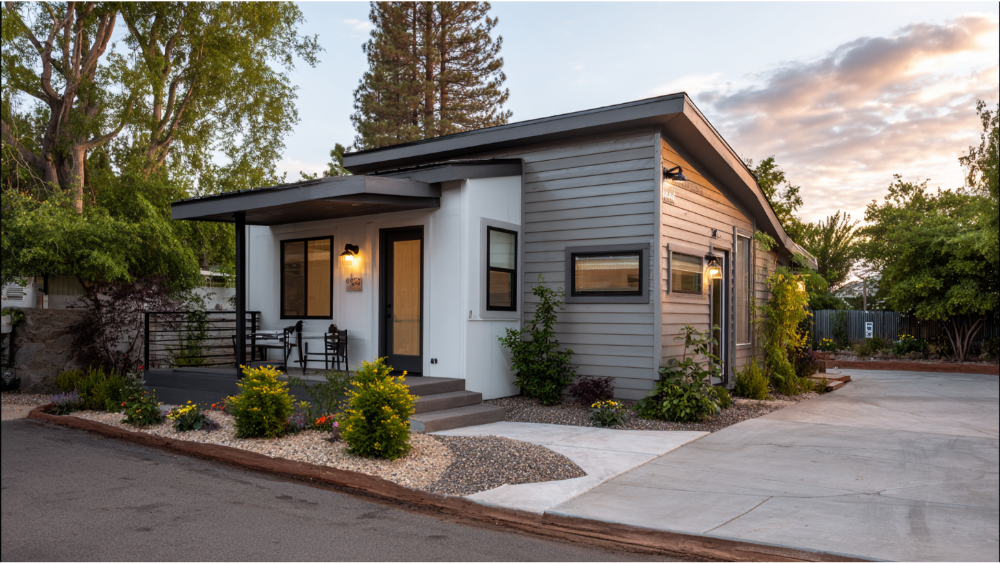
Most homeowners asking how long it takes to build a detached ADU want a clear expectation before starting. On average, a detached ADU takes about 9 to 15 months from initial design to final inspections, although the full construction timeline can be shorter or longer depending on the complexity of the accessory dwelling unit and local requirements.
A faster ADU project can be completed in 6 to 9 months when using approved plans, simplified ADU design choices, and minimal utility upgrades. More complex projects, such as those involving garage conversion, significant utility upgrades, or strict local rules, may take 15 to 18 months or more. The overall ADU construction schedule is heavily influenced by permitting approvals, construction drawings, and how efficiently decisions are made throughout the entire process.
Step 1 | Feasibility and Initial Planning (2–4 Weeks)
The first stage in any ADU project is feasibility planning. This is where homeowners determine whether they can build an ADU on their property under zoning regulations, building codes, and local rules enforced by the local building department.
During this phase, professionals evaluate site conditions, setbacks, and utility access to determine whether the project is viable. This step also helps establish a realistic budget and accurate estimate of the ADU timeline before design begins. Properties with an existing garage or planned garage conversion require additional review during this phase.
Strong early planning helps avoid delays later in the permitting process and ensures the accessory dwelling unit aligns with local building codes and zoning regulations. This stage is essential to the overall ADU building process and helps homeowners understand what it will take to successfully build an ADU.
Step 2 | ADU Design Phase and Construction Drawings (4–10 Weeks)
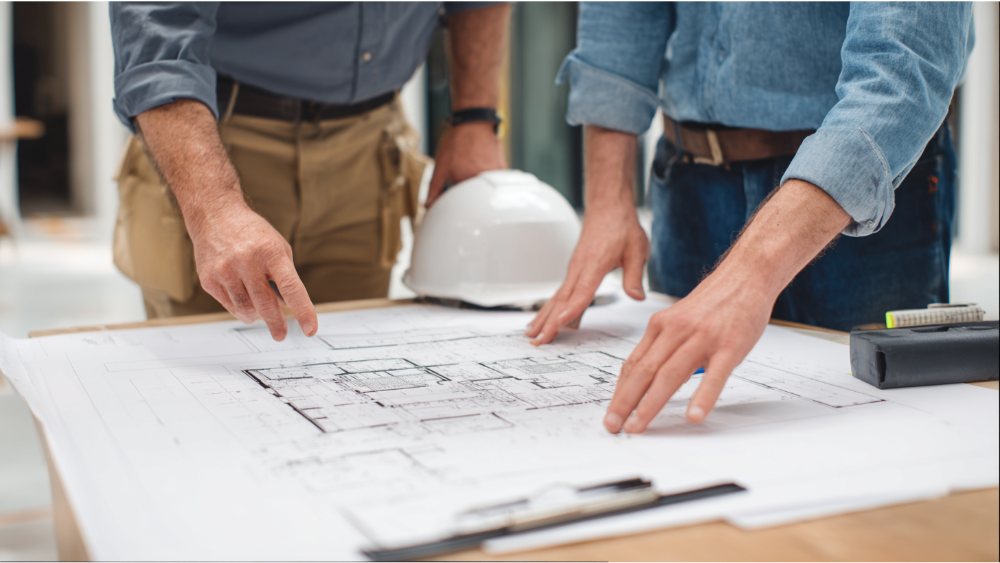
The design phase is where the accessory dwelling unit begins to take shape through detailed ADU plans and construction drawings. Architects and designers translate the homeowner’s goals into a functional living space that complies with building codes and city requirements.
This phase includes structural design, floor plans, and coordination of plumbing lines, electrical systems, and foundation work. It also includes preparation of construction documents required for permitting approvals.
Homeowners often decide between a prefab ADU or a fully custom detached ADU during this stage. The choice can significantly impact how long it takes to build an ADU because prefab options may shorten design and approval time. Multiple revisions may occur, but reducing changes helps keep the ADU project on schedule and avoids delays in permitting.
This stage is one of the most important parts of the ADU construction process because it directly affects the approval process and construction timeline.
Step 3 | Permitting Process and Building Permit Approval (6–16 Weeks)
The permitting process is one of the most critical and variable phases in the entire ADU timeline. During this stage, construction drawings are submitted to the local building department for review. City officials evaluate compliance with building codes, zoning laws, and safety standards before issuing a building permit.
The permitting phase can vary widely depending on city workload, local rules, and how complete the initial submission is. Some projects move quickly through permitting approvals, while others require multiple revisions and additional review cycles. The permitting phase is often where potential delays occur if construction documents are incomplete or require correction.
Even though California has streamlined ADU laws, permitting timelines still depend on coordination with city officials and the efficiency of the approval process. Once approved, necessary building permits are issued, allowing construction to begin.
Step 4 | Site Preparation and Utility Upgrades (2–4 Weeks)
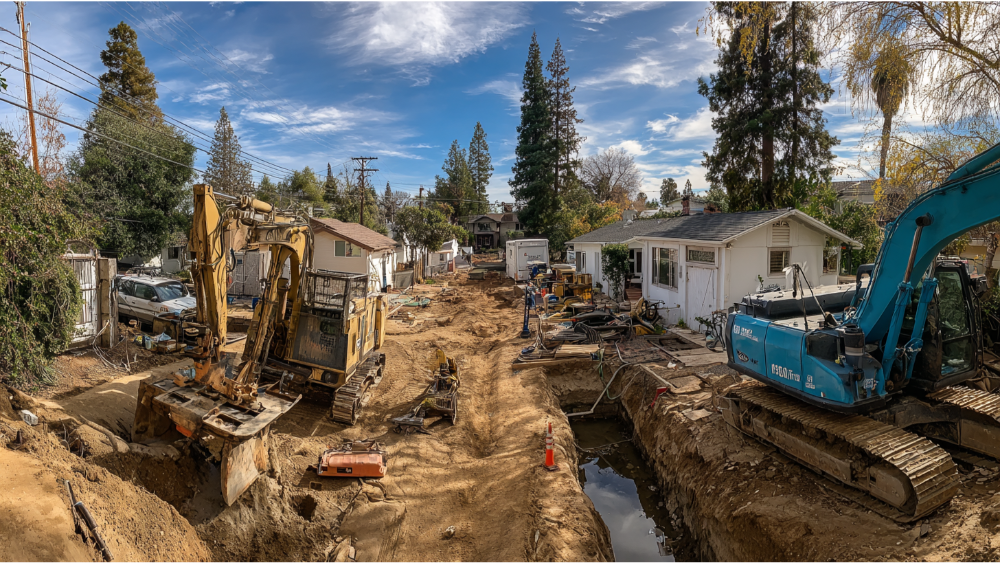
Once permits are approved, site preparation begins. This stage includes clearing the site, preparing the foundation work, and completing utility upgrades such as water, sewer, and electrical systems.
Site conditions play a major role in this phase. Properties with challenging layouts or limited access may require additional work before construction begins. Utility upgrades are especially important because they directly affect whether the ADU can support full livable space.
Garage conversion projects may require modifications to an existing structure before new work begins. Proper site preparation ensures the construction phase moves forward smoothly and helps avoid costly delays later in the ADU construction process.
Step 5 | Construction Phase (4–8 Months)
The construction phase is the longest part of the ADU building process and represents the main construction milestone in the ADU project. This is when the detached ADU is physically built from foundation to completion.
Work begins with foundation work, followed by framing, roofing, and exterior construction. Once the structure is enclosed, plumbing lines, electrical systems, and mechanical components are installed. Interior work such as insulation, drywall, flooring, and finishes completes the living space.
This construction phase is influenced by many factors including weather, material availability, and coordination with a general contractor. City inspections also occur throughout construction to ensure compliance with approved plans and building codes.
A well-managed ADU construction process reduces delays and ensures the project stays aligned with the expected construction timeline. Projects that include prefab ADU components may move faster, while traditional builds remain the most common approach for detached ADU projects.
What Impacts the Construction Timeline
Several key factors influence how long construction takes. Site conditions, utility upgrades, and design complexity all play a role. Garage conversion projects can sometimes be faster, but unexpected issues with an existing garage may increase timelines.
Experienced professionals help reduce potential delays by coordinating inspections, materials, and subcontractors efficiently throughout the construction process. This helps maintain schedule consistency across the ADU project.
Step 6 | Final Inspections and Project Closeout (2–4 Weeks)
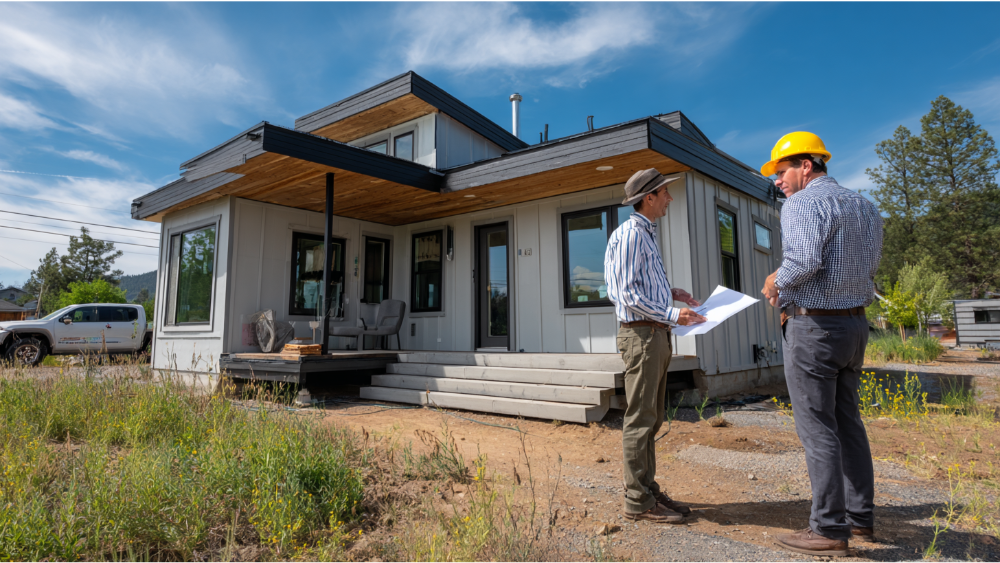
The final stage includes city inspections, final inspections, and project closeout procedures. City officials verify that the accessory dwelling unit meets all building codes, zoning laws, and safety standards.
Once final inspections are approved, the ADU receives final certification, allowing it to be used as livable space. This stage includes finishing punch list items, testing systems, and ensuring all components such as electrical systems, plumbing, and structural elements are fully functional.
Final inspections are essential because they confirm the ADU is safe and compliant. After completion, homeowners can use the extra living space for rental income, family housing, or long-term rental income opportunities.
Key Factors That Affect How Long It Takes to Build an ADU
Many factors influence the ADU timeline from start to finish. City workload, permitting approvals, and local building department requirements are among the most significant. Site conditions and utility upgrades also play a major role in scheduling.
Design complexity, including whether the project is a prefab ADU, detached ADU, or garage conversion, also affects how long it takes. The approval process can vary depending on zoning regulations and local building codes.
Multiple revisions during design or permitting can extend timelines, while approved plans that move efficiently through city review help shorten the overall project timeline. Careful coordination throughout the entire process helps homeowners avoid costly delays.
How to Avoid Delays in Your ADU Project
To successfully build an ADU without delays, homeowners should begin with careful planning and a complete feasibility review. Starting with accurate ADU plans and clear expectations helps streamline the approval process.
Addressing utility upgrades early, finalizing design decisions before permitting approvals, and minimizing revisions all help reduce delays. Working with experienced professionals improves coordination with city officials and ensures construction documents meet requirements the first time.
Avoiding unnecessary changes during construction helps maintain momentum and keeps the ADU project aligned with its expected timeline.
Frequently Asked Questions (FAQs)
How long does it take to get an ADU permit?
The ADU permit process typically takes between 6 to 16 weeks, depending on the local building department’s workload, completeness of your application, and whether revisions are required. Some cities may take longer, especially if zoning approvals or special permits are needed.
Can I build an attached ADU instead of a detached one?
Yes, many homeowners choose an attached ADU, which shares a wall or roofline with the primary residence. Attached ADUs often have a shorter construction timeline due to simpler foundation and utility connections but still require the same permitting process.
What is the impact of site conditions on the ADU timeline?
Site conditions such as soil quality, topography, and access can significantly affect the construction timeline. Challenging sites may require additional site preparation or a raised foundation, which can add weeks to the project duration.
How soon can construction start after receiving permits?
Construction typically starts within a few weeks after obtaining the ADU permit, depending on contractor availability and site readiness. Prompt start construction helps maintain the overall project timeline.
Will building an ADU provide steady rental income?
An ADU can generate steady rental income once completed and properly rented. However, the timeline to start earning depends on how quickly the ADU is designed, permitted, built, and passes final inspections.
Are there common delays to watch for during the ADU build process?
Yes, common delays include permit approval wait times, utility upgrade challenges, weather interruptions, material lead times, and changes to plans after construction starts. Early planning and working with experienced professionals help minimize these delays.
Conclusion
Building a detached accessory dwelling unit (ADU) is a complex process that involves careful planning, design, permitting, and construction. Understanding how long it takes to build a detached ADU from start to finish helps homeowners set realistic expectations and make informed decisions. Most projects take between 9 to 15 months, with factors such as design complexity, site conditions, local regulations, and coordination with local officials playing critical roles in the timeline. By preparing thoroughly, choosing the right ADU type—whether detached or attached—and working closely with experienced professionals, homeowners can navigate the complex process efficiently. Ultimately, a well-planned ADU not only adds valuable extra space to your property but also offers potential for steady rental income and increased property value.