
Missing Middle Housing in California: Rethinking Neighborhoods Through Smarter Design
03 Nov
- Golden State ADUs
- Comment 0
Missing Middle Housing in California: Rethinking Neighborhoods Through Smarter Design
What Is Missing Middle Housing?
Missing middle housing is a transformative concept that describes a range of house scale buildings that sit between detached single family homes and larger apartment complexes. These missing middle housing types include duplexes, triplexes, fourplexes, courtyard apartments, cottage courts, bungalow courts, and accessory dwelling units. While often overlooked in traditional development models, these housing types are designed to be compatible with existing single family neighborhoods while providing a higher density of housing units in walkable neighborhoods.
The term missing middle was popularized by urban planning firms like Opticos Design and supported by organizations like Strong Towns and Island Press. These groups have long emphasized the importance of creating more diverse housing options within cities to address the growing demand for affordable housing and more housing options across California and beyond. The concept of missing middle housing represents a time proven solution to today’s housing crisis.
Why Missing Middle Housing Matters in California
California is facing one of the most intense housing crises in the country. The shortage of housing units, especially for moderate income families, has created barriers to affordability, homeownership, and housing stability. Many cities in California are zoned exclusively for single family detached homes, which limits the development of multiple units on residential lots. This restrictive land use model has contributed to an undersupply of housing options and a widening affordability gap.
Today’s housing crisis calls for a broader approach to urban planning. The state’s housing stock has not kept up with demand, and lower housing costs remain out of reach for many families. Local governments and city staff are working to revise zoning ordinances and form based codes to remove barriers to development and expand the housing types available in residential areas. Missing middle housing offers a practical, scalable way to increase housing supply without dramatically altering the character of existing neighborhoods.
By introducing gentle density through smaller units like accessory dwelling units and duplexes triplexes, cities can accommodate more residents while preserving the look and feel of single family neighborhoods. This type of infill development helps make urban areas more financially productive, supports locally serving retail, and provides more housing choices for people at different stages of life.
Missing Middle Housing Types: What They Look Like
The strength of missing middle housing lies in the diversity of its housing types. These include:
Duplexes, Triplexes, and Fourplexes
These middle housing types provide multiple units within one house scale building. They often look like large single family homes but contain two, three, or four residential units. These are ideal for urban areas where space is limited but demand is high.
Courtyard Apartments
Courtyard apartments are low rise buildings centered around shared open space. These housing units promote community interaction and can be seamlessly integrated into existing single family neighborhoods.
Cottage Courts and Bungalow Courts
Cottage courts and bungalow courts consist of clusters of smaller units arranged around a central courtyard or walkway. They offer walkable places with shared amenities and are especially attractive for older adults and small households.
Accessory Dwelling Units (ADUs)
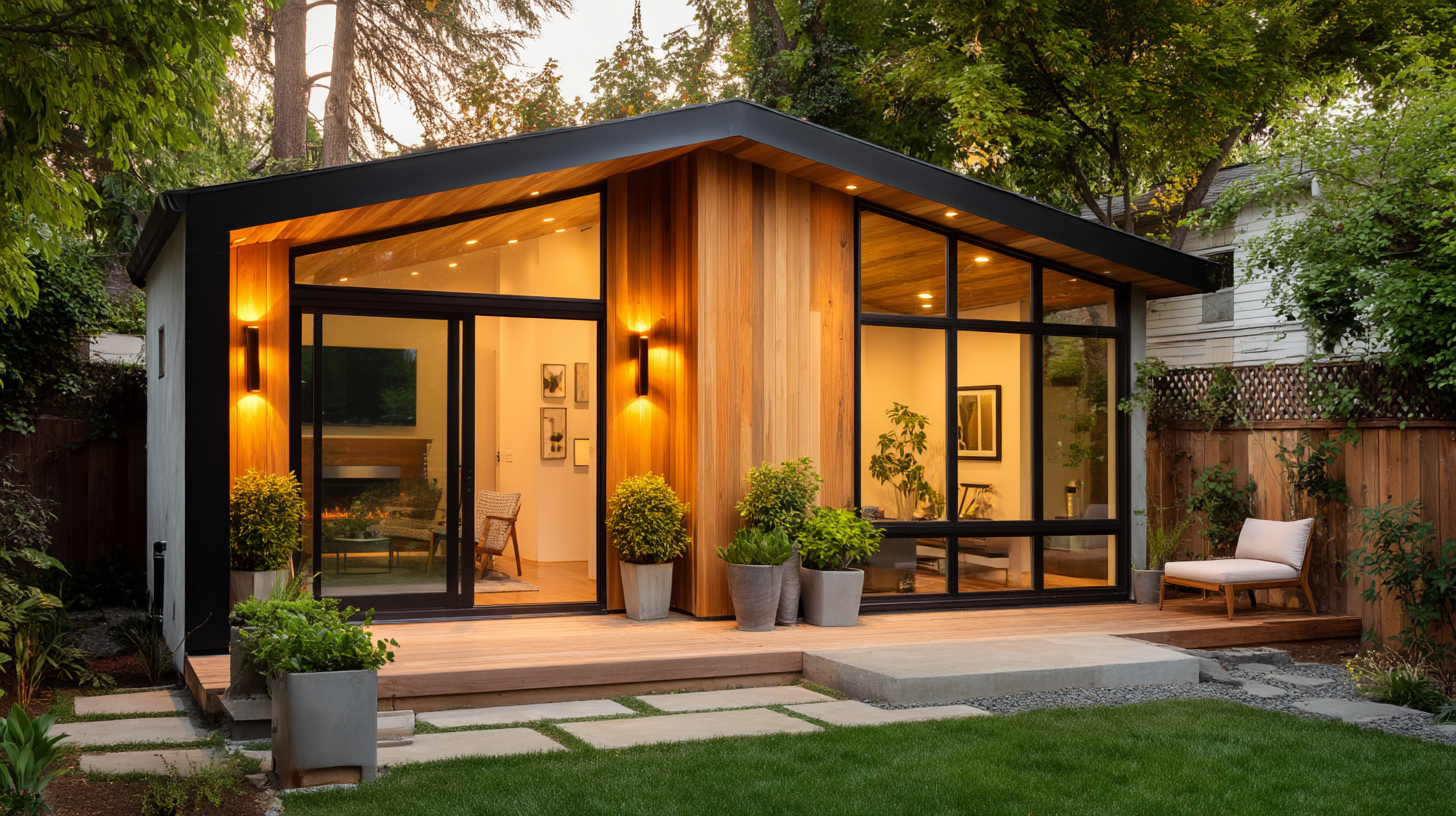
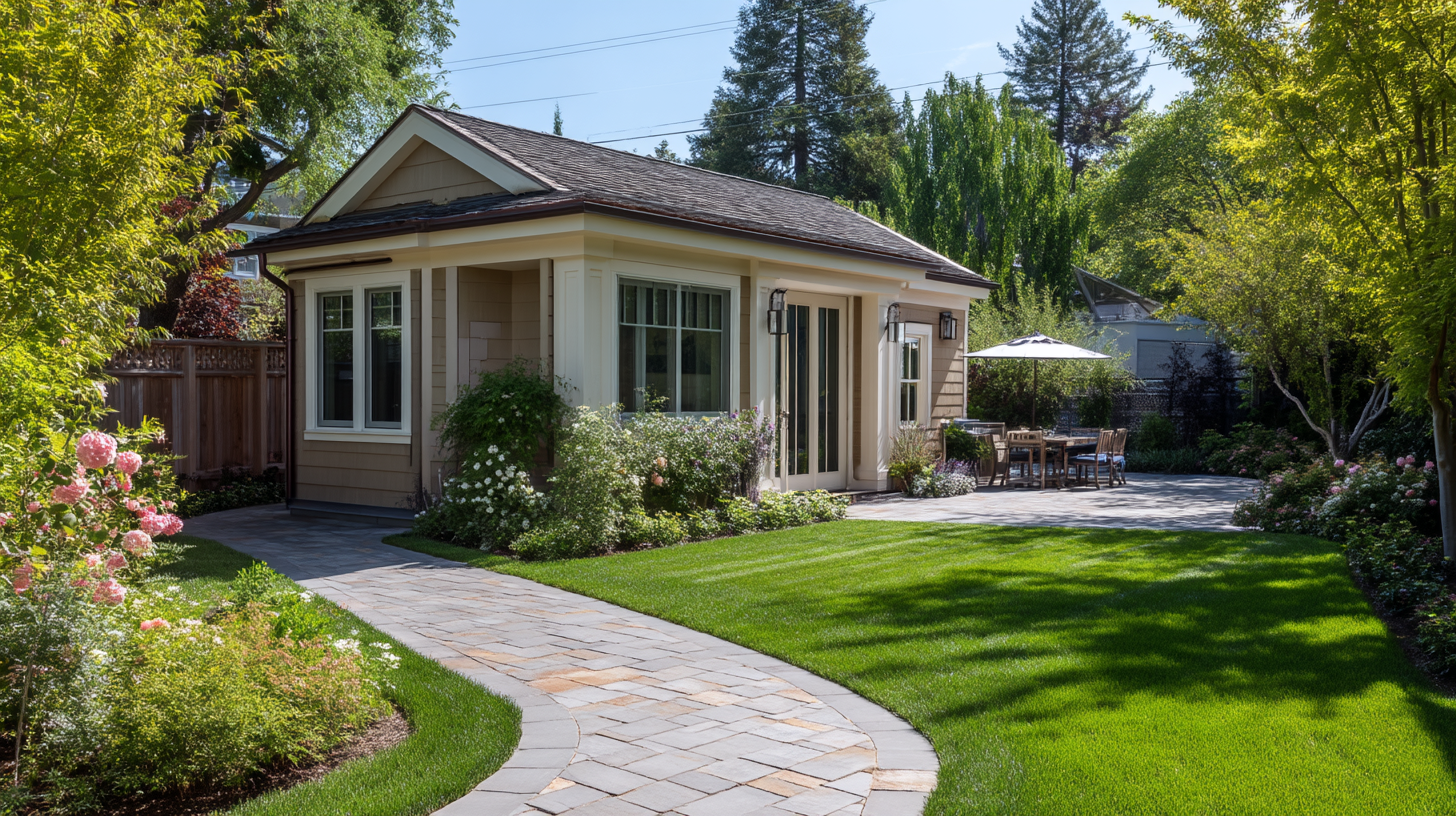
Accessory dwelling units are secondary residential units located on the same lot as a primary home. They can be detached, attached, or converted from existing structures like garages. ADUs are a key part of missing middle housing and are among the most accessible and homeowner-friendly housing options.
How Missing Middle Housing Addresses Today’s Housing Crisis
The appeal of missing middle housing is not just about aesthetics or neighborhood character. It is about addressing systemic issues in housing development. California’s housing crisis stems from decades of exclusionary zoning and limited housing production. By expanding the housing types allowed in single family neighborhoods, cities can increase the number of housing units available, especially for moderate income families.
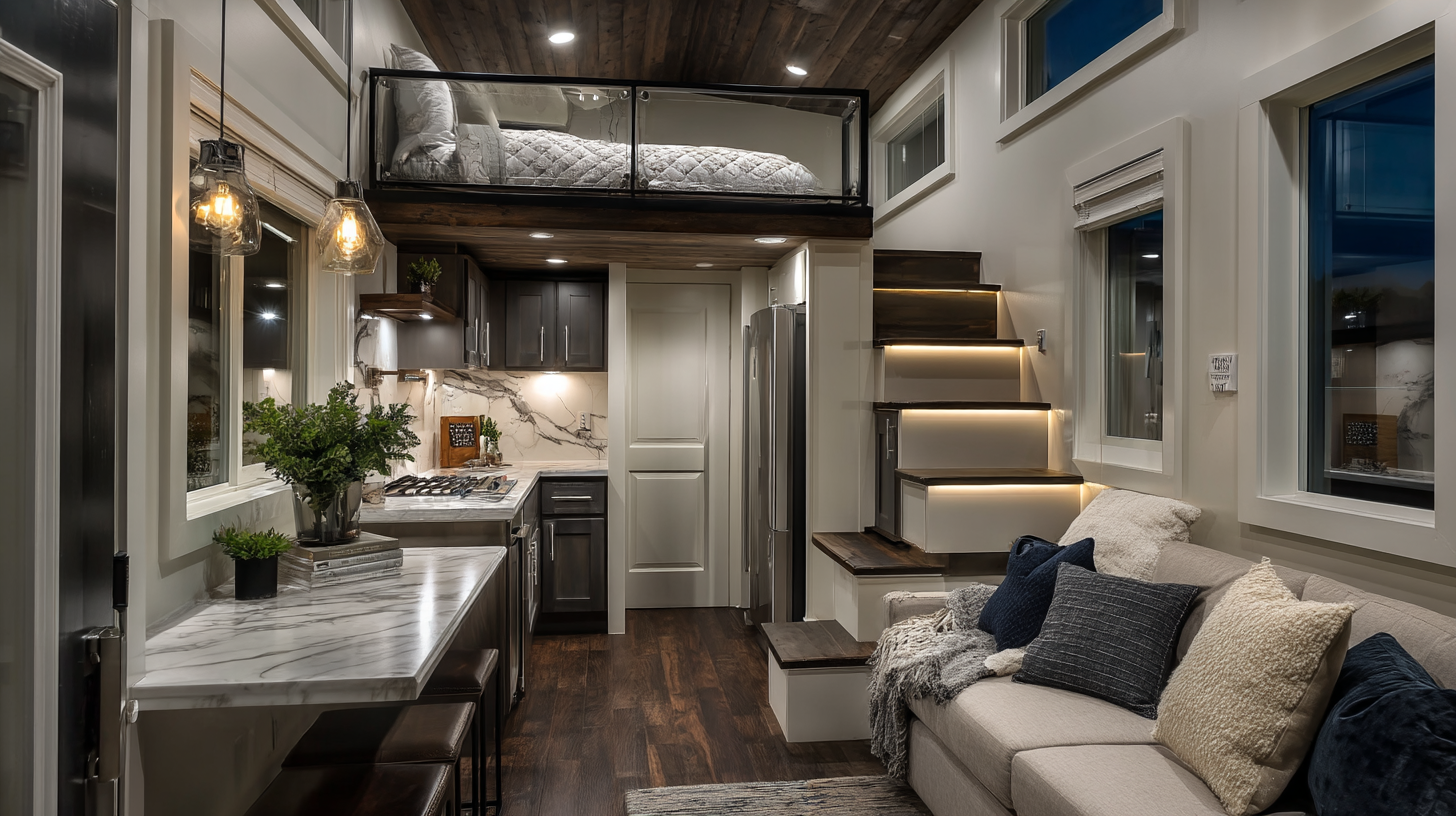
Missing middle housing helps meet the growing demand for diverse housing while offering a more flexible approach to development. These units are smaller, more energy-efficient, and typically lower in construction costs compared to large-scale multifamily buildings. For cities looking to create more housing options without overhauling entire districts, missing middle housing is a transformative concept that balances density, design, and community character.
The Role of Form Based Codes
To support the integration of middle housing, many cities are turning to form based codes. Unlike traditional zoning, which focuses on land use, form based codes prioritize the physical form of buildings and how they relate to the public realm. This allows for a broader mix of housing types while maintaining a cohesive neighborhood look.
Form based codes are essential in removing regulatory barriers that have long limited development in residential areas. By focusing on building scale, placement, and design rather than just use, these codes help encourage the construction of house scale buildings that offer multiple units without overwhelming the neighborhood.
Policy Shifts and Zoning Reform
California has taken significant steps to legalize and encourage missing middle housing. Legislation such as Senate Bill 9 has made it easier for property owners to split residential lots and build up to four units where only one single family home was previously allowed. Similarly, recent bills have reduced parking requirements, streamlined permitting processes, and incentivized the construction of accessory dwelling units.
These policy shifts aim to remove barriers that have historically prevented the development of diverse housing types. While single family zoning is still common, many cities are moving toward allowing a broader range of housing choices in more areas. This trend is reshaping how cities think about land use and density.
The Benefits of Missing Middle Housing for Communities
Increased Affordability
By adding more housing units to the same community, missing middle housing helps stabilize housing costs. With more supply available, there is less upward pressure on rents and home prices. This makes it easier for families to find affordable housing in the neighborhoods they already live in.
Multigenerational Living and Flexibility
Middle housing types like ADUs and duplexes are ideal for families who want to accommodate aging parents, adult children, or extended family. These units allow for privacy and independence while keeping loved ones close.
Walkable Neighborhoods and Local Economy
Missing middle housing supports the creation of walkable neighborhoods by increasing the number of residents within walking distance of schools, parks, and locally serving retail. This density helps support small businesses and reduces reliance on cars.
Neighborhood Compatibility
Because missing middle housing focuses on house scale buildings, it integrates well with the character of existing neighborhoods. These homes don’t disrupt the visual rhythm of the street but still offer multiple units on a single lot.
Challenges and Misconceptions
Despite its many benefits, missing middle housing still faces opposition. Some stakeholders involved in local planning worry about parking shortages, traffic congestion, or changes to neighborhood character. However, studies from organizations like Island Press and the American Planning Association show that these concerns are often overstated and can be mitigated with good design and community engagement.
Another challenge is financial viability. Building small can be more difficult to finance than large developments, especially when zoning ordinances are still catching up to demand. However, cities that adopt form based codes and provide technical support to property owners are seeing successful outcomes.
The Future of Missing Middle Housing in California
As more cities embrace the principles of missing middle housing, we will likely see a shift in how neighborhoods evolve. Urban planners, city staff, and policymakers are working together to support a broader mix of housing choices, remove barriers to development, and respond to today’s housing crisis with real solutions.
Organizations like Opticos Design and Strong Towns continue to educate cities and residents about the long-term benefits of diverse housing. Their advocacy has helped mainstream the idea that building small, allowing more units per lot, and rethinking single family zoning are critical to solving California’s housing challenges.
What Homeowners Should Know
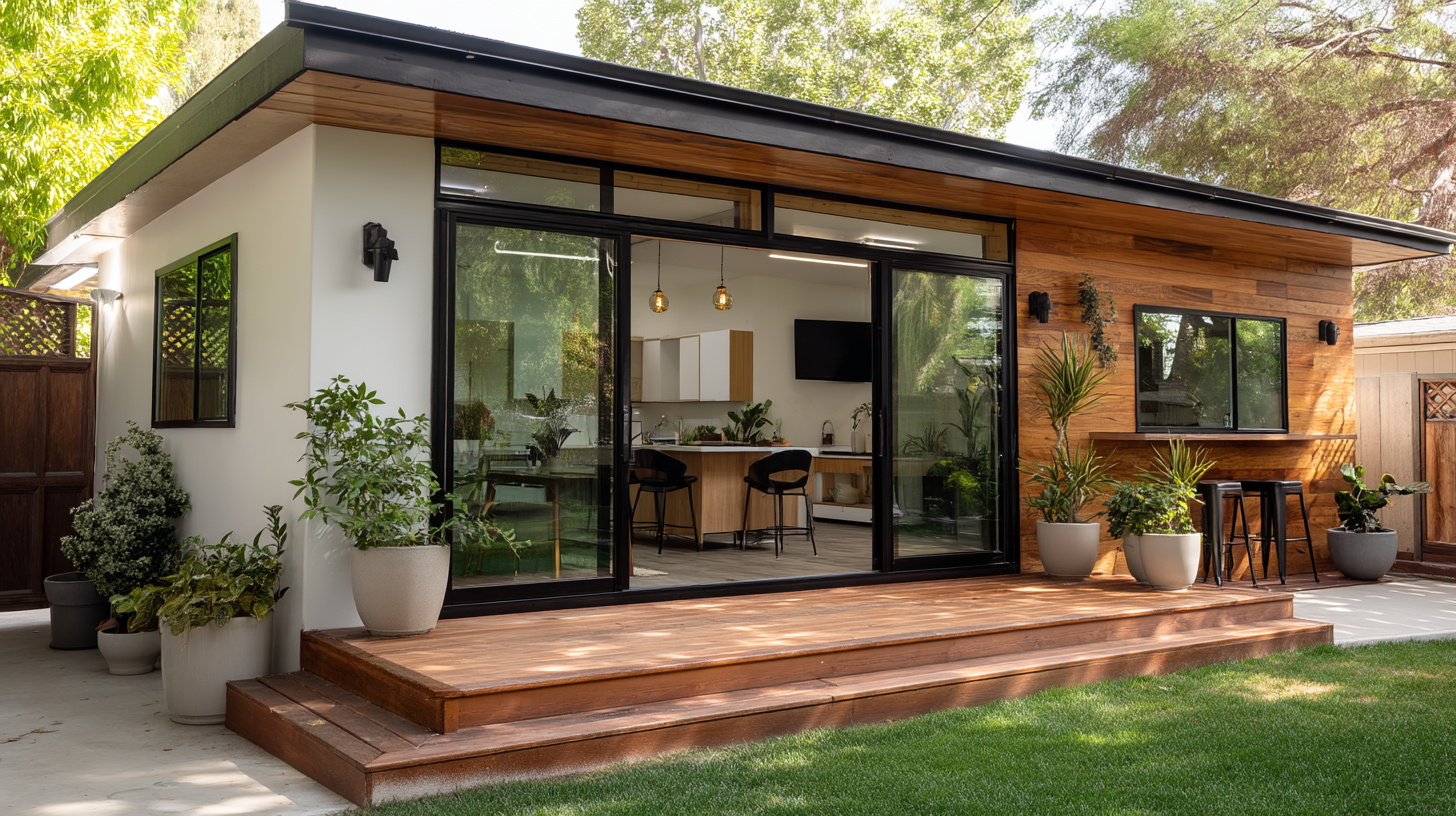
For California homeowners, the shift toward missing middle housing presents a major opportunity. Whether you’re interested in building an accessory dwelling unit, converting your home into a duplex, or adding a cottage court to your property, the possibilities are expanding.
Property owners who act now can take advantage of financial incentives, updated zoning rules, and growing demand for alternative housing options. Building middle housing is not just a personal investment, it is a way to contribute to a more inclusive, resilient, and sustainable community.
Frequently Asked Questions (FAQs)
What is missing middle housing, and why is it important?
Missing middle housing refers to a range of house-scale buildings with multiple units that fit between single-family homes and larger apartment complexes. It is important because it provides diverse housing options, supports walkable neighborhoods, and helps address housing affordability and supply challenges in urban areas.
How does missing middle housing help with housing affordability?
By increasing the number of housing units within existing neighborhoods without dramatically changing their character, missing middle housing increases supply and lowers per-unit land costs. This helps stabilize housing costs, making it easier for moderate income families to find affordable housing options.
What types of buildings are considered missing middle housing?
Common missing middle housing types include duplexes, triplexes, fourplexes, courtyard apartments, cottage courts, bungalow courts, and accessory dwelling units (ADUs). These housing types offer smaller units and gentle density compatible with existing single-family neighborhoods.
How do form based codes support missing middle housing development?
Form based codes prioritize building form, scale, and relationship to the public realm rather than just land use. This approach removes regulatory barriers, encourages compatible multiple-unit buildings, and helps maintain neighborhood character while allowing more housing options.
What policy changes have been made to encourage missing middle housing in California?
California has enacted laws such as Senate Bill 9, which allows property owners to split lots and build up to four units where only one was previously permitted. Other reforms reduce parking requirements and streamline permitting to facilitate the development of accessory dwelling units and other missing middle housing types.
Conclusion: Embracing a Time Proven, Transformative Concept
Missing middle housing offers a practical and people-centered response to California’s housing crisis. By reintroducing a variety of housing types into existing neighborhoods, cities can create more housing options, support walkable neighborhoods, and offer residents of all income levels a place to live.
This is not a radical departure from tradition. In fact, many of these housing forms were common in American cities for many decades before zoning practices began to create barriers. As we move forward, embracing this time proven and transformative concept highlights our ability to build cities that are inclusive, adaptable, and strong.
By rethinking our zoning ordinances, updating form based codes, and prioritizing gentle density, we can meet the growing demand for housing while protecting the charm of our neighborhoods. Missing middle housing is not just about units and buildings, it’s about creating communities where everyone can thrive.