
How Much Does It Cost to Build an ADU in Sacramento (2025 Guide)
13 Oct
- Golden State ADUs
- Comment 0
How Much Does It Cost to Build an ADU in Sacramento (2025 Guide)
When Sacramento homeowners ask how much does it cost to build an ADU, they’re really asking about total construction cost, permit fees, engineering costs, labor costs, and adu construction costs, all wrapped together. In this in‑depth guide, we’ll walk through realistic cost ranges, a cost breakdown, real examples, and the levers you can control. Our goal is to help you forecast your final cost, understand construction expenses, and see how an accessory dwelling unit can generate rental income and boost property value over time.
Why Sacramento Homeowners Should Consider an ADU
Sacramento homeowners have a great opportunity, adding an accessory dwelling unit (ADU) helps with flexible living arrangements, lets you generate passive income, and increases property value. Because of new state laws, local regulations in Sacramento are more ADU‑friendly, making the process smoother. With rising housing demand and limited space, building an ADU is one of the most cost‑effective ways to expand living space without moving.
Many homeowners view an ADU not just as extra square footage but as a smart investment, a project that, once complete, can generate rental income and pay for itself over time. But success depends on careful planning and understanding all the costs involved.
Average Cost to Build an ADU in Sacramento in 2025
Typical Cost Ranges
When you ask how much does it cost to build an ADU, in Sacramento today you’ll typically see construction costs and soft costs combining into a total cost somewhere between $200,000 and $400,000 for a detached ADU of 600‑800 sq ft. These figures include permit costs, engineering costs, utility hookups, and labor costs.
On a per square foot basis, most ADU construction costs in our region fall between $250 and $350 per square foot. That estimate assumes new construction, average finishes, and no extremely difficult site conditions. In some cases, especially with higher costs of materials or challenging lots, that per square foot number can creep higher.
ADU Type Comparison
The type of ADU plays a big role in the total cost:
- Detached ADU (a fully separate building) tends to hit the higher end of cost ranges due to separate foundations, utility trenching, and finishing from scratch.
- Attached ADUs or attached units share a wall or footprint with the main house, which can reduce some costs compared to fully detached units.
- Garage conversions or utilizing existing structures (existing space conversion) are generally the most cost effective option, since you need less new framing, fewer site prep expenses, and fewer construction expenses overall.
Because of state law in California, ADUs ≤ 750 sq ft often waive development impact fees, which helps lower the permit costs portion. On larger ADUs, you may be responsible for those additional fees and local fees.
Cost Breakdown: What Makes Up the Final Cost
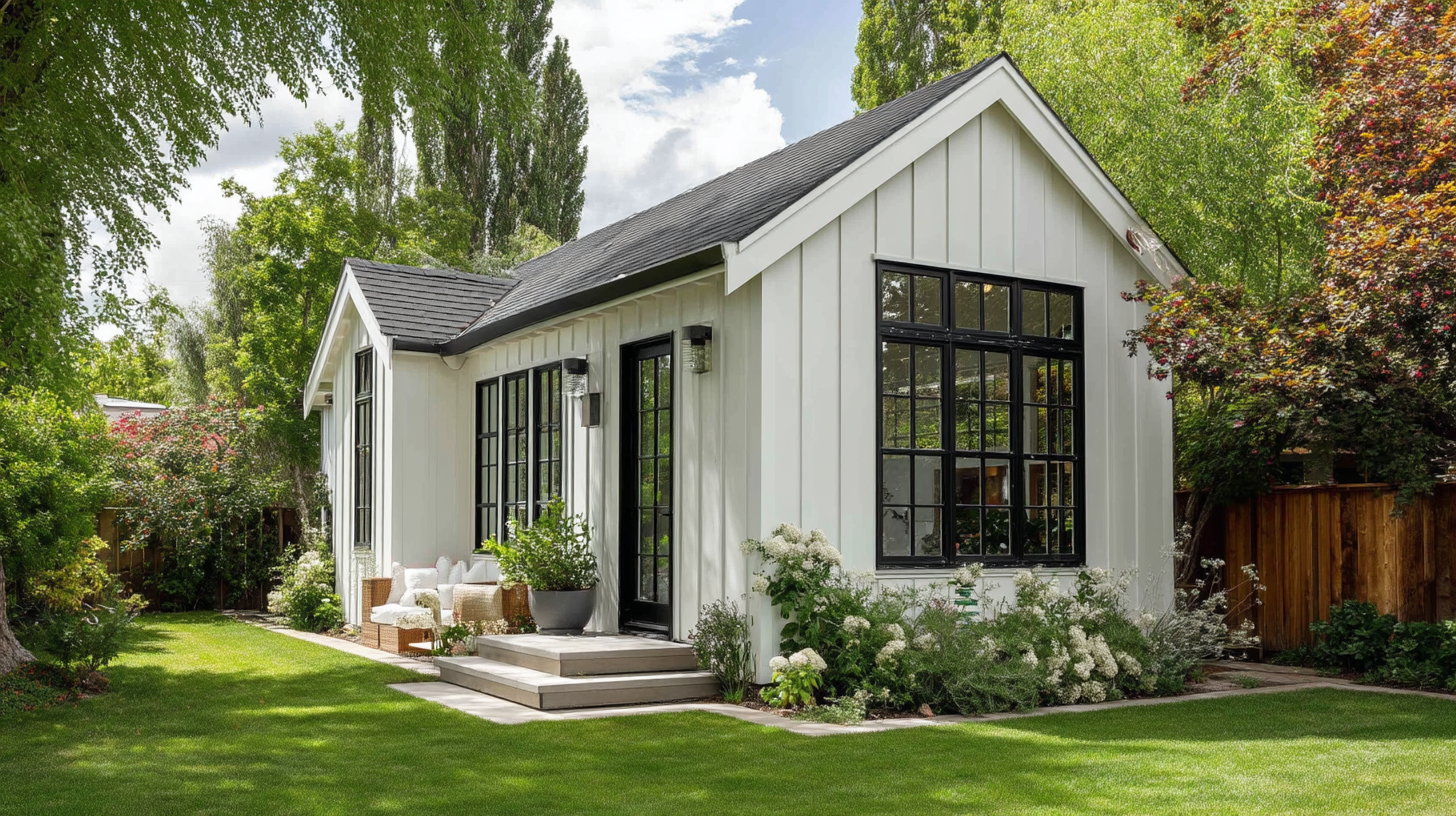
To really understand adu construction costs and construction expenses, let’s break down the major line items. This helps you see where your money goes and which decisions significantly impact your final cost.
Construction Costs (Hard Costs)
This is often the largest portion of your budget, commonly 60–80% of the final cost. Under construction costs, you’ll cover:
- Site preparation, demolition, grading, drainage
- Foundation work (slab, footings) or separate foundations if detached
- Structural framing, roofing, sheathing
- Exterior siding, roofing materials, windows, doors
- Interior work: insulation, drywall, paint, flooring (including hardwood flooring if chosen), cabinetry, fixtures
- HVAC systems, plumbing, electrical
- Finishes (tile, countertops, lighting, etc.)
- Utility hookups (water, sewer, power, gas)
Every choice in materials, finishes, and systems contributes to your construction expenses. A higher-end finish or custom layout will push your costs upward. This is especially true when using specialized materials that can significantly impact the budget.
Traditional construction methods tend to be more costly than prefab ADUs, which can offer a faster and sometimes more cost-effective alternative without sacrificing quality.
Soft Costs: Design, Engineering, Permits
Soft costs often represent 15–25% of your total cost. They include:
- Architectural plans, structural engineering, civil engineering
- Title 24 energy compliance and calculations
- Soil reports, geotechnical studies
- Permit applications, plan checks, inspection fees
- Necessary permits charged by the city
- Development or impact fees if applicable
- Project management, coordination, contingency buffer
Because the engineering costs and building permits are often fixed relative to the size of your project, choosing a smaller ADU or simpler design can reduce your soft cost burden proportionally.
Utility Connections and Site Work
These line items can vary widely depending on your lot:
- Sewer and water line extensions
- Electrical panel upgrades and power line extension
- Gas line connection
- Trenching, conduit, earthwork, retaining walls
- Landscaping, driveway, drainage modifications
If your lot already has easy access to utilities, your costs here will be modest. If you need to significantly impact site conditions or utility hookups far from existing lines, expect a bigger expense.
Major Factors That Cause Cost Variation
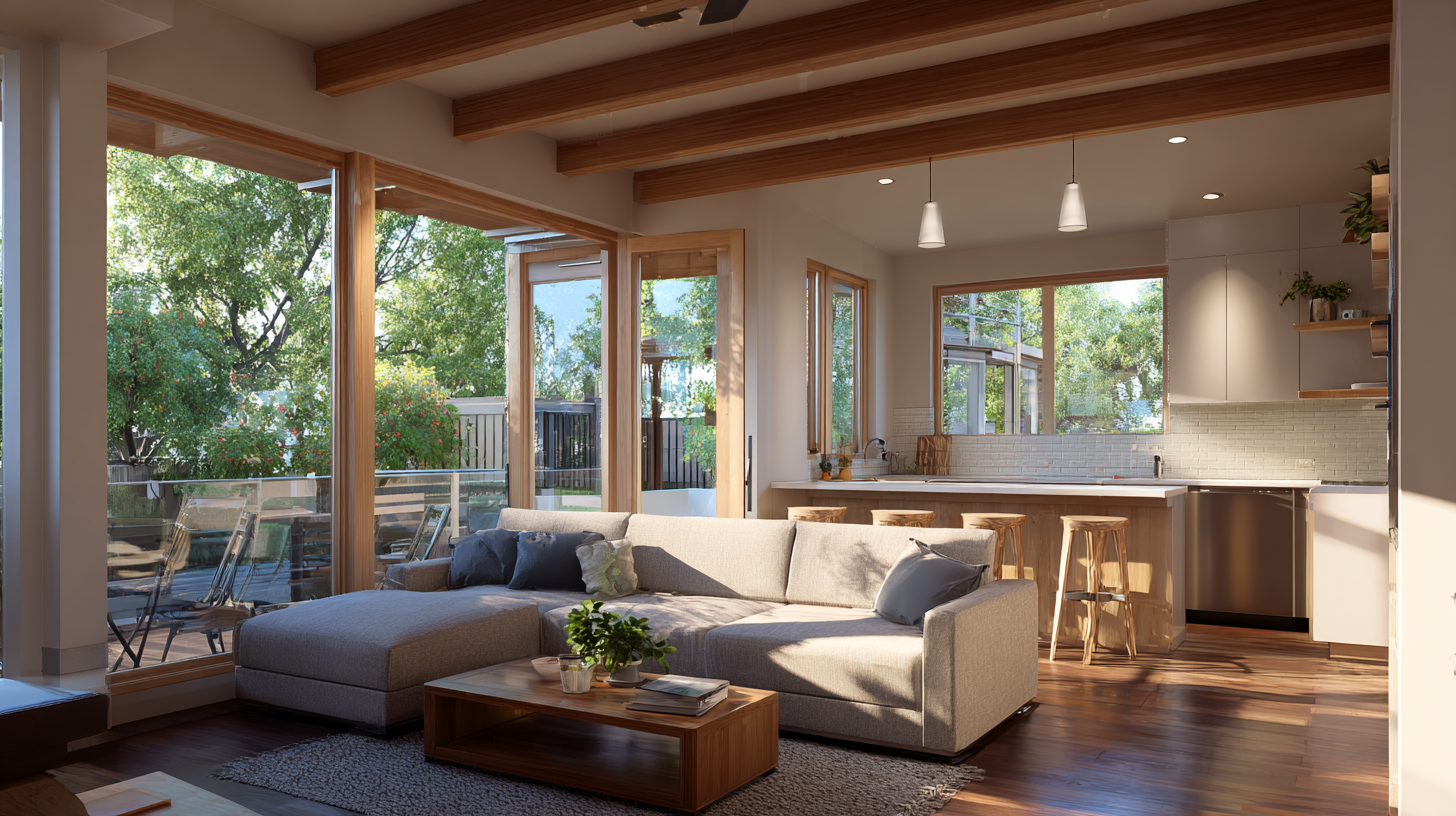
Why do some ADU projects end up far above or below the average? These key drivers explain much of the variation in final cost:
ADU Size and Layout
Larger ADUs tend to have lower cost per square foot, but the overall cost rises. Many Sacramento homeowners find 600–800 sq ft to be the sweet spot, it’s large enough to include a full kitchen, bathroom, and living space without unnecessary overdesign.
Finishes, Materials, and Custom Designs
Choosing high-end finishes, custom cabinetry, imported tile, solid wood floors, premium windows, or specialized materials can push your costs up. If you opt for more modest finishes, you can stay closer to the baseline.
Site Conditions and Topography
Sloped lots, rocky soil, tree removal, or poor drainage all vary based on your property and can vary based on these other factors. These complications add cost. If your lot is flat and clean, you save money.
Permit Constraints, Local Regulations, and Fees
Even though Sacramento is relatively ADU-friendly, local regulations, permit fees, and impact or development fees influence your final budget. Units over 750 sq ft may incur additional fees.
Utility Distance and Infrastructure
If your ADU must be far from existing water, sewer, or power lines, the utility hookups and trenching costs can get expensive.
Real‑World Cost Examples for Sacramento ADU Projects
To ground these numbers in real life, here are three example ADU projects in Sacramento, roughly illustrating how cost ranges and final cost vary.
Example 1: 480 sq ft Garage Conversion
- Construction costs lean lower because structure already exists
- Basic finishes, shared utility lines
- Soft costs limited to design and permit fees
- No impact fees because size is under threshold
- Approximate total cost: $130,000 to $180,000
Example 2: 750 sq ft Detached ADU
- New construction, full foundation, separate utilities
- Mid-range finishes, reasonable site work
- Often qualifies for fee waivers
- Cost per square foot in the $250–$300 range
- Approximate total cost: $225,000 to $300,000
Example 3: 1,200 sq ft Detached ADU with High-End Finishes
- Larger size with premium fixtures, high ceilings, custom elements
- More extensive site work, possibly upgrading the electrical service or utilities
- Impact fees may apply
- Approximate total cost: $350,000 to $500,000+
These examples underscore how final cost shifts when you scale up size, upgrade finishes, or deal with more challenging site conditions.
Strategies to Control Cost Without Sacrificing Quality
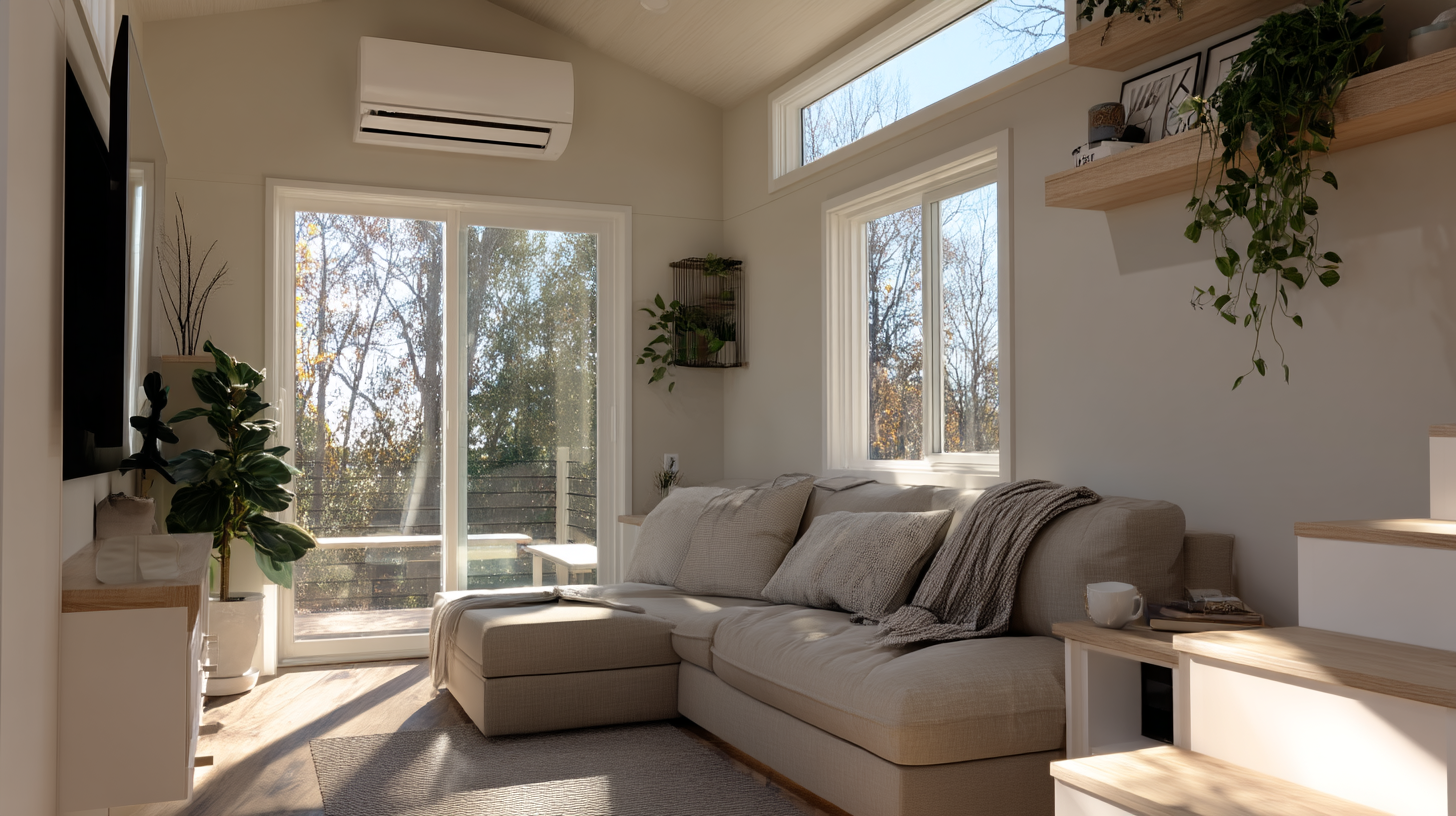
You don’t have to overshoot your budget. Here are ways to keep your ADU costs manageable while still getting a great result:
- Stay under 750 sq ft to avoid impact fees
- Use pre‑designed plans or prefab ADUs rather than entirely custom designs
- Opt for straightforward layouts (square shapes, simple rooflines)
- Choose mid-tier finishes instead of ultra luxury
- Time your build for favorable weather to reduce delays
- Work with a full-service design‑build team that manages permit costs, engineering costs, and construction expenses seamlessly
- Take advantage of grant programs or financing options
Financing Options & ADU Grants in 2025
ADU Grant Programs
In California, some programs reimburse or subsidize pre‑development costs like architectural plans, engineering costs, and permit fees, in some cases up to $40,000. Ask your lender or local program office if your project qualifies.
Home Equity, HELOC, and Refinance
Many Sacramento homeowners fund their project with a Home Equity Line of Credit (HELOC) or a cash-out refinance. These allow you to spread out payments while adding long-term value to your property.
Is Building an ADU Worth the Investment?
Once complete, your ADU can generate rental income that helps offset its costs. Depending on location and amenities, many ADUs in Sacramento rent between $1,500 and $2,500 per month. Over time, that income contributes to paying down your investment.
An ADU also increases property value, buyers love flexible additional living space or rental potential. Because the demand for housing is high, an ADU often boosts resale appeal and total home valuation.
When you weigh total construction cost against income potential and value uplift, many homeowners find their ADU pays for itself over a decade or less. This makes sense for many Sacramento homeowners, just as it does in places like San Diego and throughout California.
How to Get Started with Your Sacramento ADU Project
Choose a trusted design‑build ADU team that handles everything from start to finish, architecture, engineering costs, permits, and construction. A full-service firm looks out for your budget, offers transparent estimates for construction costs and soft costs, and keeps surprises to a minimum. Ensure your property complies with all local regulations and that you secure the necessary permits early to avoid delays.
If you’re ready to understand exactly what your ADU might cost, we offer a free consultation and no-obligation estimate.
FAQs About ADU Cost in Sacramento
What is the cheapest type of ADU to build?
Garage conversions and utilizing existing structures are usually the lowest cost options, as many construction expenses are already in place.
How much does it cost to convert a garage into an ADU?
Expect a range from $130,000 to $200,000, depending on finishes, permits, and utility work.
Are there hidden fees when building an ADU?
Not if your builder is transparent. But watch for development impact fees, local fees, and unexpected site work.
Can I get an ADU under $150,000?
You might with a simple garage conversion in a favorable situation, but detached ADUs almost always exceed that threshold.
Does Sacramento waive ADU development fees?
Yes, for ADUs ≤ 750 sq ft, impact fees are often waived. Above that, fees may be assessed.
How long does it take to build an ADU here?
From design through final inspection, plan for 8 to 12 months. Simpler conversions can be faster, while large custom ADUs may take more time.
How much does an ADU cost in California overall?
Costs vary based on location, size, finishes, and other factors, but Sacramento’s ranges are similar to those in other parts of California, including San Diego.
Are attached ADUs more cost effective than detached ADUs?
Generally, yes. Attached ADUs share some infrastructure with the main house, which can reduce construction costs compared to fully detached ADUs.
What role do specialized materials and traditional construction play in cost?
Using specialized materials or opting for traditional construction methods can significantly increase your budget compared to prefab ADUs or standard materials.