
What Utilities Are Needed for an ADU in California: Your Complete Guide

17 Oct
- Golden State ADUs
- Comment 0
What Utilities Are Needed for an ADU in California: Your Complete Guide
Building an accessory dwelling unit is an exciting opportunity to add value to your property, increase rental income, or provide flexible living for family members. But before you break ground the biggest unknowns often come down to utility connections. If you don’t plan properly, what seems like a minor task can balloon into months of delays and tens of thousands of dollars in unexpected costs.
In this guide we’ll explain in clear terms what utilities are needed for an ADU in California, including power, water, sewer, gas, plus low voltage and ventilation systems. We also dive into permitting, local regulations, shared vs separate utilities, how much costs vary depending on your site and design, and how Golden State ADUs helps you manage it all. We’ll also point you to government websites and tools like module search and search terms categories to help you save form progress and manage notification subscriptions during your permitting process.
Core Utilities Every ADU Needs
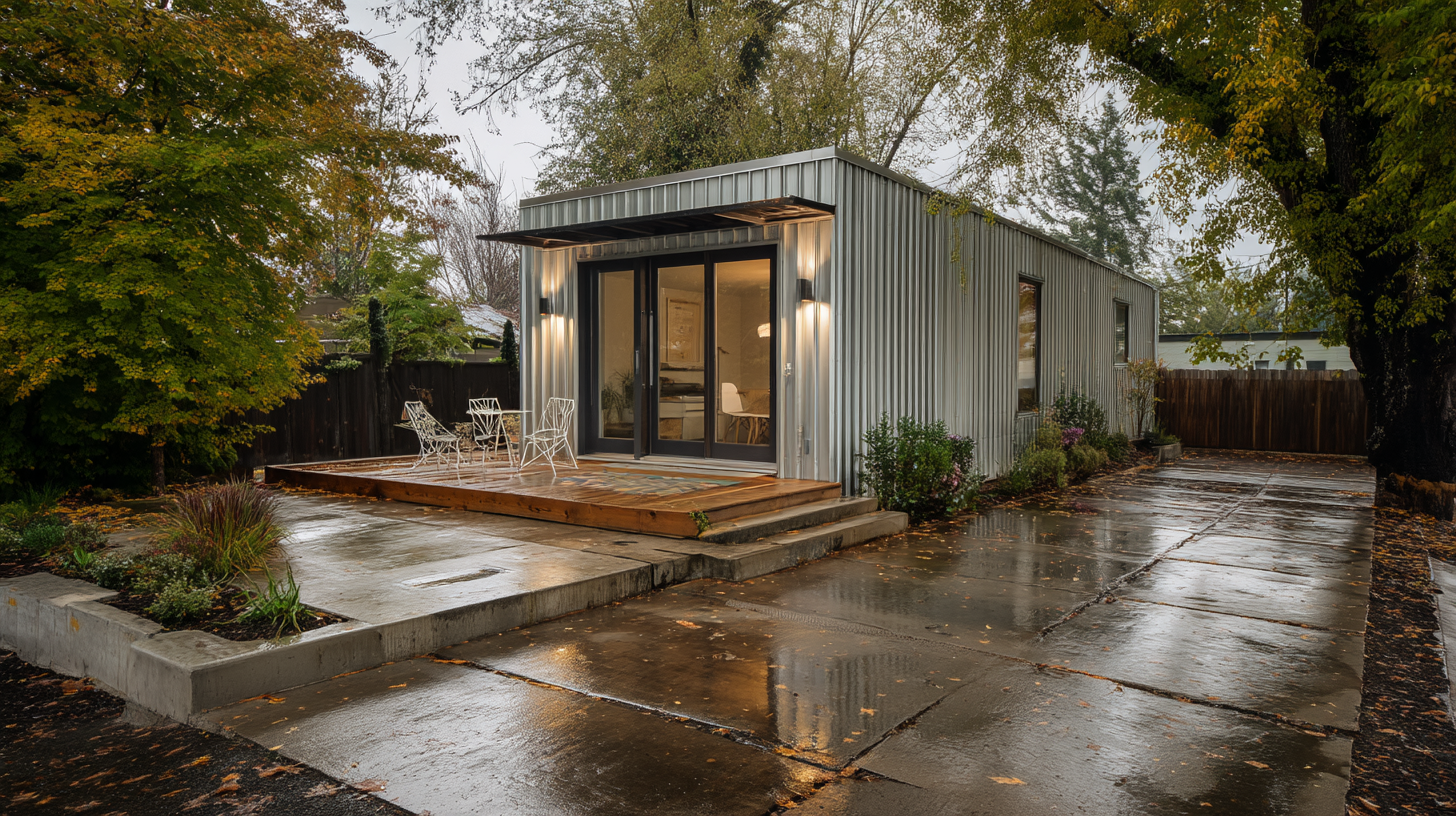
To be a true living unit, an ADU must be fully connected, just like any primary home or single family residence. That means the following utility systems are necessary:
Electrical Service & Electrical Connection
Your ADU must be tied into a reliable electricity service. In many cases that means tapping off the main line serving the primary home or extending from existing infrastructure on the same property. In more complex ADU projects, such as basement conversions, you’ll install a separate electrical connection and even a separate meter.
If your existing infrastructure is insufficient, you may need to upgrade your meter size, panel, or conduit routing. Because many ADU builds include HVAC, electric water heaters, or even EV charging, planning electrical capacity is critical.
California’s building codes now require new construction, including detached ADUs, to be “electric‑ready.” That means your ADU utilities must allow for future battery storage or solar equipment.
Water Supply & Water Line
The ADU must connect to a potable water source. Typically that means extending a water line from the primary home or from the public water main on the same property. The water meter may be shared or a separate water meter may be installed, depending on local requirements and whether you plan to rent the unit.
Trenching to run the water line is often one of the cost drivers, especially if the distance is long or the route crosses pavement or landscaping. Your plumbing system will also need to accommodate laundry facilities and other fixtures.
Sewer or Private Sewer Service Line / Sewer Lateral / Sewer Service
Wastewater disposal is one of the trickiest parts of ADU utilities. If you are on a municipal sewer you’ll tie into the existing sewer via a sewer lateral or private sewer service line. If sewer access is not available you’ll instead use a septic system.
When tying into an existing sewer or sewer main the slope and grade matter. Gravity must carry waste downward, so the ADU’s location relative to the existing sewer lateral is critical. If the ADU sits lower or far away, a pump or lift station may be required, adding cost and maintenance needs.
If you need a new private sewer service line, that involves trenching, permits, pipe, cleanouts for easy access, and careful coordination with local sewer districts.
Natural Gas
If your ADU will use natural gas appliances, gas stove, gas furnace, or gas water heater, you need to run a gas line from your primary home or from the main gas service. In some jurisdictions new gas connections are restricted or outright prohibited because of decarbonization efforts and local regulations. In those areas your ADU may need to be all‑electric.
If gas is allowed, depth, setback, venting, and permitting all come into play, so early coordination is needed.
Heating, Cooling & Ventilation
An ADU must provide heating, cooling, and ventilation for health, comfort, and code compliance. Common choices include ductless mini‑split heat pumps, wall units, or compact ducted systems.
Ventilation means exhaust fans in kitchen and bathrooms, fresh‑air intake, and in some cases heat recovery ventilators (HRV) or energy recovery ventilators (ERV). Proper ventilation is nonnegotiable under current building codes.
Low‑Voltage & Telecom Systems
While not always regulated by building codes, most homeowners want internet, cable, security, and smart home wiring in the ADU. It’s best to plan for conduit or routing from the main property to simplify installation when the time comes.
Shared vs Separate Utilities: What Makes Sense
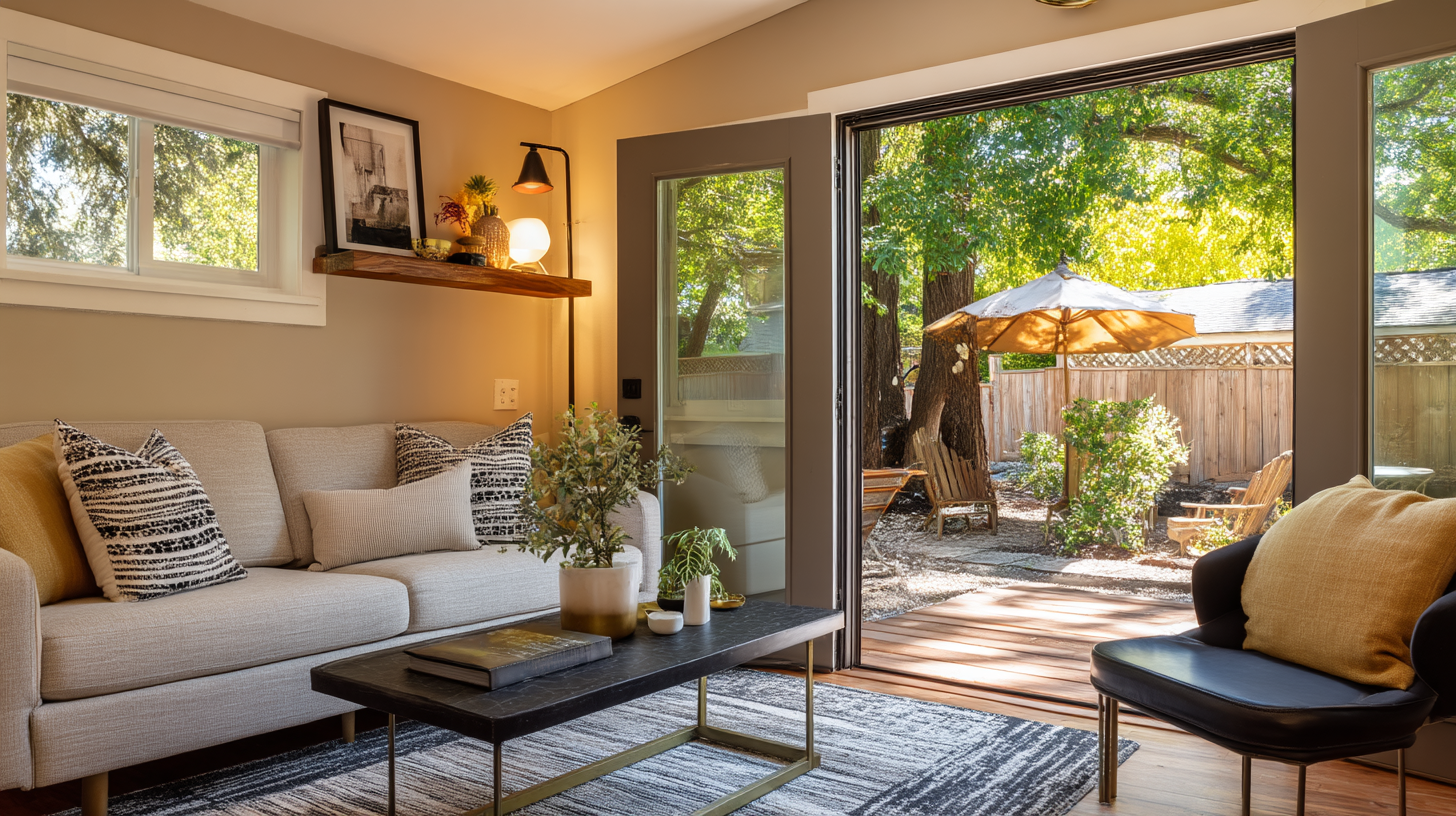
One of the first decisions you’ll make is whether your ADU will share utilities with the primary home or function with separate utilities and meters.
Advantages of Shared Utilities
- Lower initial cost, since you reuse existing infrastructure on the same property
- Fewer trenching runs or solar conduit runs
- Simpler permitting in some jurisdictions, which you can track using government websites and tools
Advantages of Separate Utilities & Separate Meter
- Easier billing and cost allocation, especially for rental ADUs
- Greater flexibility and independence
- Clearer accounting for tenants and property owners
- Better resale flexibility
In many towns, a separate meter is allowed and sometimes encouraged by local regulations. But in other cases the local rules may vary depending on the location or restrict how far a meter can be extended. Always confirm with your local municipality during the permitting process.
Local Regulations, Permitting, and Building Permit Implications
Building Permit & Permitting Process
Before you can make any utility connections or trenching, you must go through the building permit process. The building permit ensures you meet code for structure, fire, plumbing, electrical, and utility services.
Expect plan review by city or county departments, utility departments, and fire departments. The cost of those reviews shows up in building permit fees, plan check fees, and related impact fees.
Many jurisdictions have started to waive or limit impact and connection fees for ADUs under certain size thresholds. Under California law local agencies generally may not treat an ADU as a new dwelling for the purpose of charging sewer or water connection fees when you use existing infrastructure.
New legislation such as SB 1210 also requires that utility connection fees be transparent and posted publicly on government websites to provide accurate information.
Because of these regulatory shifts many ADU projects that require no new connection beyond the existing infrastructure pay lower utility fees.
Local Requirements & Fire Codes
Your ADU must satisfy local regulations, building codes, fire codes, and meet current building standards. Fire departments often review access, hydrants, sprinklers, and utility routing.
Setbacks, easements, and public right of way constraints may affect how utilities are routed across your lot or adjacent property. These constraints are especially important if utilities traverse the public right of way.
Impact Fees & Connection Costs
Even when public infrastructure exists nearby, you may owe impact fees, connection fees, or permitting charges if utilities must be extended or upgraded. These costs vary across cities and counties.
By way of example, cities may waive sewer or water connection fees for ADUs under 750 square feet, but still charge inspection or meter installation fees.
In Sacramento the ADU Fee Estimate form includes “Utilities Fee ($205 deposit + hourly)” and “Sewer Development Fee” among the line items.
Utility Planning Considerations & Cost Drivers
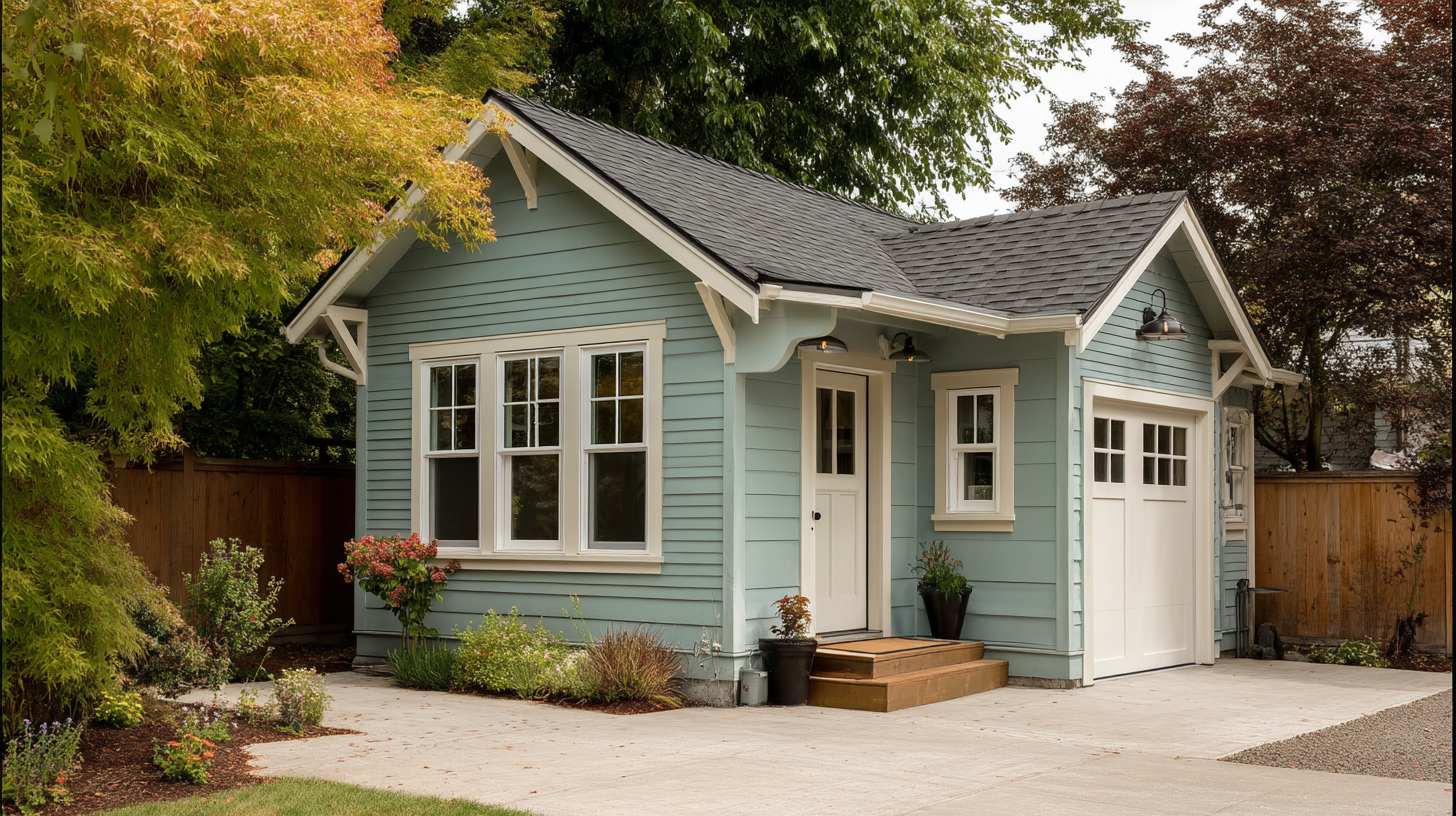
Knowing what utilities are needed for an ADU is just the start, you must analyze site constraints, routing, and cost variables.
Trenching, Routing & Distance
Long trench runs drive up cost significantly, especially when crossing sidewalks, driveways, or existing landscaping. Each additional linear foot of trench could add hundreds or more to your cost. SnapADU estimates separate meter installation and long runs as major hidden costs.
If utilities must cross over or under pavement, concrete, or large trees the routing may need to change entirely.
Service Upgrades & Meter Size
If your electrical service from the utility is undersized, you may need to increase the meter size or upgrade your panel. That may require work by the utility provider and additional permitting.
Similarly, water or sewer mains may need upsizing or reinforcement if additional capacity is required.
Gravity vs Pumping for Sewer
If the ADU sits lower than the existing sewer lateral, gravity may not suffice. A pump or lift station may be needed, increasing cost and maintenance. SnapADU suggests $5,000 or more for pump systems in some cases.
Septic System Considerations
If your property uses a septic system you will need to evaluate whether the existing system can support the ADU’s load. If not, you may need a new or expanded septic tank and drain field. That involves soil testing, design, health department approval, and ongoing maintenance.
Septic system costs can be substantial, especially in remote or rural areas.
Solar, Battery & Photovoltaic System Integration
Because new ADU construction must often be solar‑ready or allow for battery backup, integrating a photovoltaic system into the design is a strategic decision. Even if you don’t install solar immediately, conduit, space, and design provisions should be in place.
Maintenance & Replacement Costs
Over time utilities have maintenance needs: sewer laterals can degrade, pump systems need upkeep, electric panels and wiring may require updates, and gas line pressure checks or leak inspections may be needed.
These maintenance needs should be part of your long‑term cost planning.
Other Factors & Permitting Delays
Utility providers such as PG&E or water districts can cause delays in scheduling service, approving work, or pulling permits. In some recent ADU projects PG&E delays have been cited as major bottlenecks.
Unforeseen obstacles like rock, underground obstructions, or conflicting easements can force redesign during construction.
Real‑World Examples from Golden State ADUs
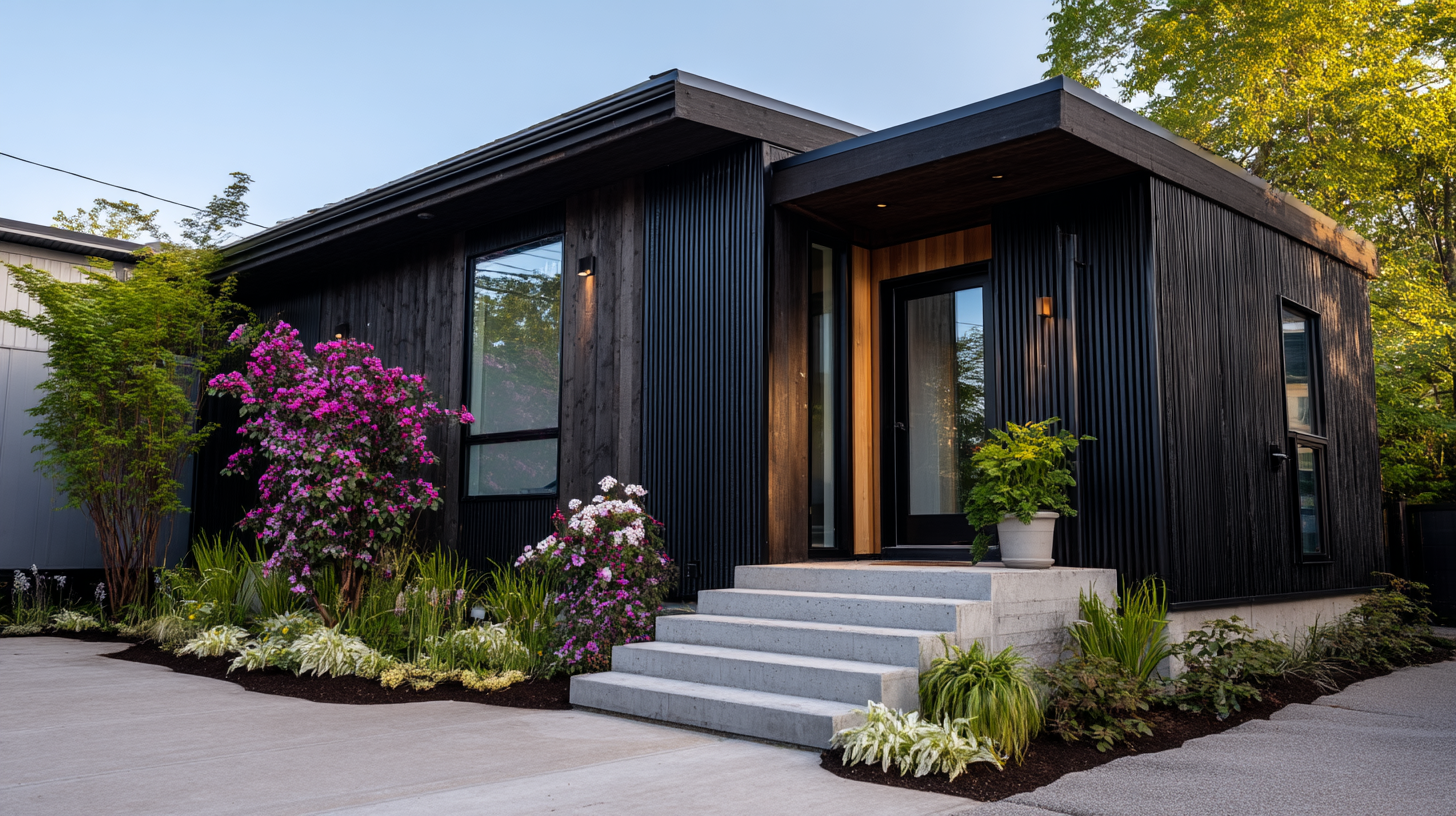
Here are a few illustrative ADU projects where we tackled utility connection challenges head on:
Detached ADU Far from Primary Home
In a Sacramento lot with plenty of space we placed a detached ADU several dozen feet from the primary home. That meant full runs of electrical, water, sewer lateral, and gas lines. We sized the conduit, arranged for a separate meter, and coordinated trenching to avoid landscaping trees. The project also planned for solar panel conduit and battery readiness.
Garage Conversion with Shared Utilities
In Roseville we converted an existing garage into an ADU. Because it was an existing legal structure and had existing infrastructure nearby, we reused the sewer line, plumbing system, and electrical system from the primary home. No new utility connections were needed, so fees were lower and permitting smoother. We did a small reroute for plumbing fixtures including laundry facilities and installed a subpanel for the ADU load.
Rural Parcel with No Public Sewer
On a parcel in El Dorado County the primary residence was on septic. For the ADU we had to design a septic system expansion, submit plans to the health department, and route a new private sewer service line across soil with challenging percolation conditions. We placed the ADU so that both units’ plumbing systems tied into a shared drain field while maintaining legally separate fixtures and systems.
Each of these projects required utility mapping, trench planning, verifying local regulations, and working through building permit reviews. You can see more of our solutions in our ADU project gallery.
Frequently Asked Questions
Do ADUs need a separate meter?
Not always, but for rental ADUs or when utility usage must be divided cleanly, a separate meter is often ideal. Local regulations may allow or require it.
Can an ADU share utilities with the main house?
Yes, many accessory dwelling units share existing infrastructure. That simplifies utility connections in many cases.
How much does utility trenching cost for an ADU?
It depends on distance, site obstacles, soil conditions, and local labor rates. Long runs can cost hundreds per foot in some areas.
Can I build an ADU if I’m on a septic system?
Yes, but you must verify the capacity and possibly upgrade or expand the septic system or drain field during permitting.
Will I need a separate water meter for my ADU?
Only if local regulations require it or you prefer separate billing. Many ADU projects use the existing water meter when permitted.
Are natural gas appliances allowed in California ADUs?
It depends on local policies. Some jurisdictions restrict new gas connections in favor of all‑electric designs.
How long does utility work typically take during construction?
Utility work may take several weeks to months, depending on approvals, trenching, scheduling, and utility provider responsiveness.
Final Thoughts
Getting utility connections right is one of the most critical steps in an ADU project. With careful planning, early coordination, and an experienced team to manage permitting and installation, you can avoid costly delays or surprises. As you start your ADU journey remember: utilities are not an afterthought, they are foundational infrastructure that must be integrated from day one.
Golden State ADUs specializes in full‑service ADU design, permitting, and construction in Sacramento and Northern California. We take care of the connections, the trenching, the meters, and the code compliance so you can focus on design and living.
Ready to start your ADU utilities planning? Schedule a free consultation or browse our project gallery to see how we’ve tackled utility challenges in real homes.