

In Partnership With
What Are the Benefits of an ADU in 2025

20 Oct
- Golden State ADUs
- Comment 0
What Are the Benefits of an ADU in 2025
If you have ever asked, what are the benefits of an ADU, you’re starting down an important path toward unlocking your property’s full potential. Accessory dwelling units (ADUs) are rapidly becoming a go‑to strategy for homeowners seeking supplements to their income, additional living space, or ways to support family members. In this guide, we’ll explore numerous benefits of ADUs in 2025, and show how building an ADU on your property can be one of the most cost effective, flexible living arrangements you adopt.
An ADU is a self contained living space on the same property as your primary residence. It may be a detached ADU, a garage conversion ADU, or an attached unit. Across single family home lots, ADUs help address housing shortages, expand housing supply, and give homeowners new ways to generate rental income. The benefits of ADUs extend far beyond extra space, they can significantly increase property value, provide affordable housing options, and allow multigenerational living in a respectful, private way.
Here we break down, in detail, why ADUs are such a powerful tool, how they interact with local zoning laws and financing options, and how Golden State ADUs can support you every step of the way.
What Exactly Is an ADU?
An ADU, or accessory dwelling unit, refers to a secondary, smaller housing type on the same lot as a primary residence. That may include: a detached ADU behind your main home, a garage conversion, or a separate structure built using existing structures or new construction. It’s self contained living spaces, meaning it has its own entrance, kitchen, bathroom, and utilities. You can think of it as an additional living space, or a backyard home, built on the same lot.
Many local governments have updated local zoning laws to allow more ADUs per lot, relaxed setback rules, and made it easier to build ADUs. Because ADUs are built on property you already own, you avoid the cost of acquiring new land. That fact alone makes ADUs a cost effective strategy for homeowners.
By placing ADUs on underused yard space or converting existing structures such as garages into garage conversions, homeowners create in law suites or independent apartment units without the major disruption of full home addition. This growing trend is especially relevant in cities with high housing demand, housing shortages, and increasingly unaffordable housing stock.
Benefit 1 | Increase Property Value
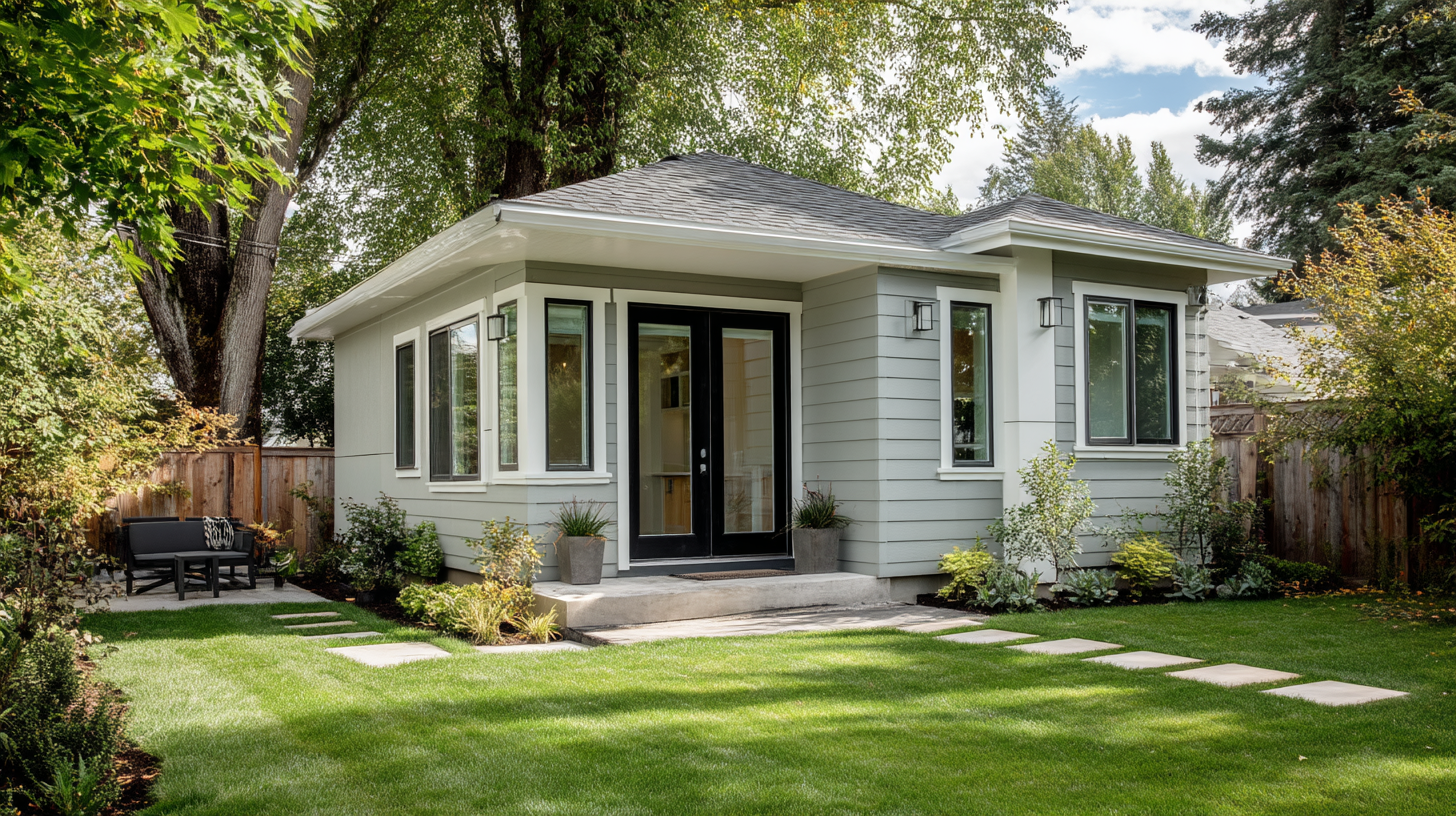
One of the most tangible advantages among the benefits of ADUs is how they boost your property value. An ADU gives you extra permitted square footage on your same property, which appraisers increasingly recognize. When built with quality finishes and proper permitting, an ADU can significantly increase property value of a single family home.
Studies show that homes with ADUs enjoy higher appreciation rates than comparable properties without. Because an ADU is considered part of the property, it enhances your property’s appeal to buyers who value flexibility, extra income, or multigenerational living options.
If you’re building an ADU behind your main house, or as a detached ADU, that added unit can convert underutilized land into high‑value real estate. Your real estate portfolio also benefits: you are essentially converting part of your property into an income asset without buying additional land.
Benefit 2 | Generate Rental Income & Rental Market Participation
One of the strongest motivators for many homeowners is the ability to generate rental income. With an ADU, you’re effectively adding a rental unit to your property, enabling you to capture extra income above what you might derive from a single family home alone.
You can rent the ADU long term, or offer short term rentals if local regulations permit. The flexibility to rent gives you ongoing revenue. Especially in high housing demand areas, you’ll find many prospective renters seeking self contained living spaces with their own entrance, privacy, and amenities.
Because the ADU is built on your same lot, your overhead is lower. You don’t pay for new land acquisition. You don’t have to take on entirely new infrastructure costs. That means a higher net yield on rental income compared to buying a separate investment property.
In effect, an ADU helps your primary home produce income, turning your home into a dual-purpose asset. The extra income can help you save money, pay down mortgages, or reinvest into maintenance or upgrades for both structures.
Benefit 3 | Provide Affordable Housing & Address the Housing Crisis
When many homeowners build an ADU on their property, the collective impact is meaningful for the broader housing market. Accessory dwelling units contribute to affordable housing by increasing housing supply in existing neighborhoods, without requiring new land development.
In areas suffering from housing shortages, ADUs serve as a practical solution and housing solutions that blend seamlessly into established single family neighborhoods. By converting garages, building detached ADUs, or placing ADUs in available lot space, you help densify gently. That supports the notion of preserving neighborhood character while adding housing stock.
Many cities promote ADUs specifically to relieve pressure on the housing crisis, because accessory dwelling units fill gaps in middle tiers of affordability. Since constructing a small unit is often more cost effective than large multiunit developments, these additional units help expand housing types and give renters more choices.
Thus, a homeowner building an ADU contributes not just to their own property’s potential but to the collective housing supply. The benefits of ADUs at scale include more equitable access to housing and relief in high pressure markets.
Benefit 4 | Flexible Living Arrangements & Multigenerational Living
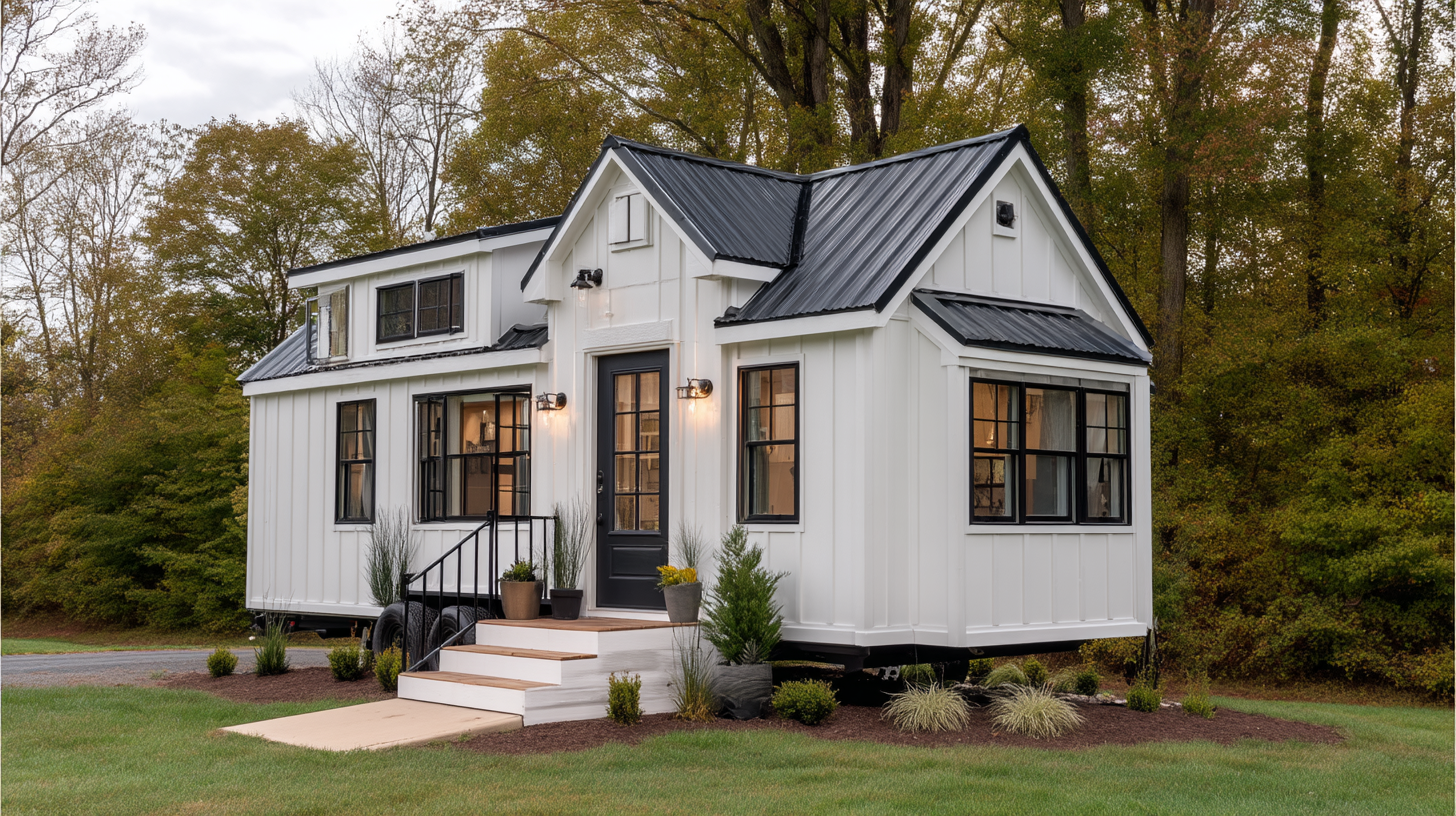
One of ADU’s greatest strengths is flexibility. Because it’s on the same property, you can tailor how you use it over time. Initially it may function as rental income, later as housing for aging parents, or for adult children to live independently while staying close.
Multigenerational living has gained renewed appeal as housing prices rise and families want to support older or younger generations. An ADU allows privacy, independence, and access to family support without everyone living under one roof.
Flexible living arrangements like this let you adapt to life changes. Today it’s a rental unit, tomorrow it’s a home office or guest suite. The ability to repurpose is a core part of the benefits of ADUs.
Because it’s on your same lot, your family members enjoy privacy while staying close. You can maintain your primary home as your main house and still maximize your site.
Benefit 5 | More Affordable Than Full New Construction
Compared to purchasing new land or constructing additional full-size dwellings, ADUs are far more cost efficient. You already own the land, so you bypass the steep cost of acquisition. You’re leveraging existing utility connections, access roads, and infrastructure.
Labor costs and materials scale with size; when your project is smaller and well-planned, you reduce waste. That makes the incremental cost of building an ADU more manageable. The ability to convert an existing structure, like a garage, into a garage conversion ADU further reduces cost and construction time.
With thoughtful design, efficient layouts, and smart finishes, your cost per square foot can remain lower than large-scale new builds. Financing options tailored to ADU projects are also becoming more available, making your investment more accessible.
Benefit 6 | Self Contained Living Spaces That Don’t Sacrifice Privacy
One of the beauties of accessory dwelling units is that they are fully self contained living spaces. They come with their own kitchen, bathroom, and often their own entrance and utilities. That means tenants or family members have independence without sharing walls or amenities with the main residence.
Because the ADU is on the same lot, you can manage oversight, maintenance, and utility coordination more easily than with distant properties. It’s a win for both property control and tenant satisfaction.
If your ADU is a detached unit, or even a garage conversion with its own entrance, you preserve privacy for both you in your main home and the occupant. That added privacy is one of several benefits of ADUs that appeals to renters seeking quality living spaces.
Benefit 7 | Help Stabilize the Rental Market
When many ADUs enter the rental market, you increase the supply of smaller rental units in desirable neighborhoods. That helps slow rising rents, especially in markets where high housing demand outpaces supply.
Rather than pushing renters farther into suburbs, ADUs bring rental units into existing neighborhoods, near transit, schools, and services. That disperses housing more evenly, giving renters more choices and helping to stabilize rent pressure.
As more homeowners choose to build an ADU on their property, the collective effect helps with housing shortages and improves housing supply. The more housing types, the more resilience in your local housing stock.
Benefit 8 | Long Term Flexibility & Future Proofing
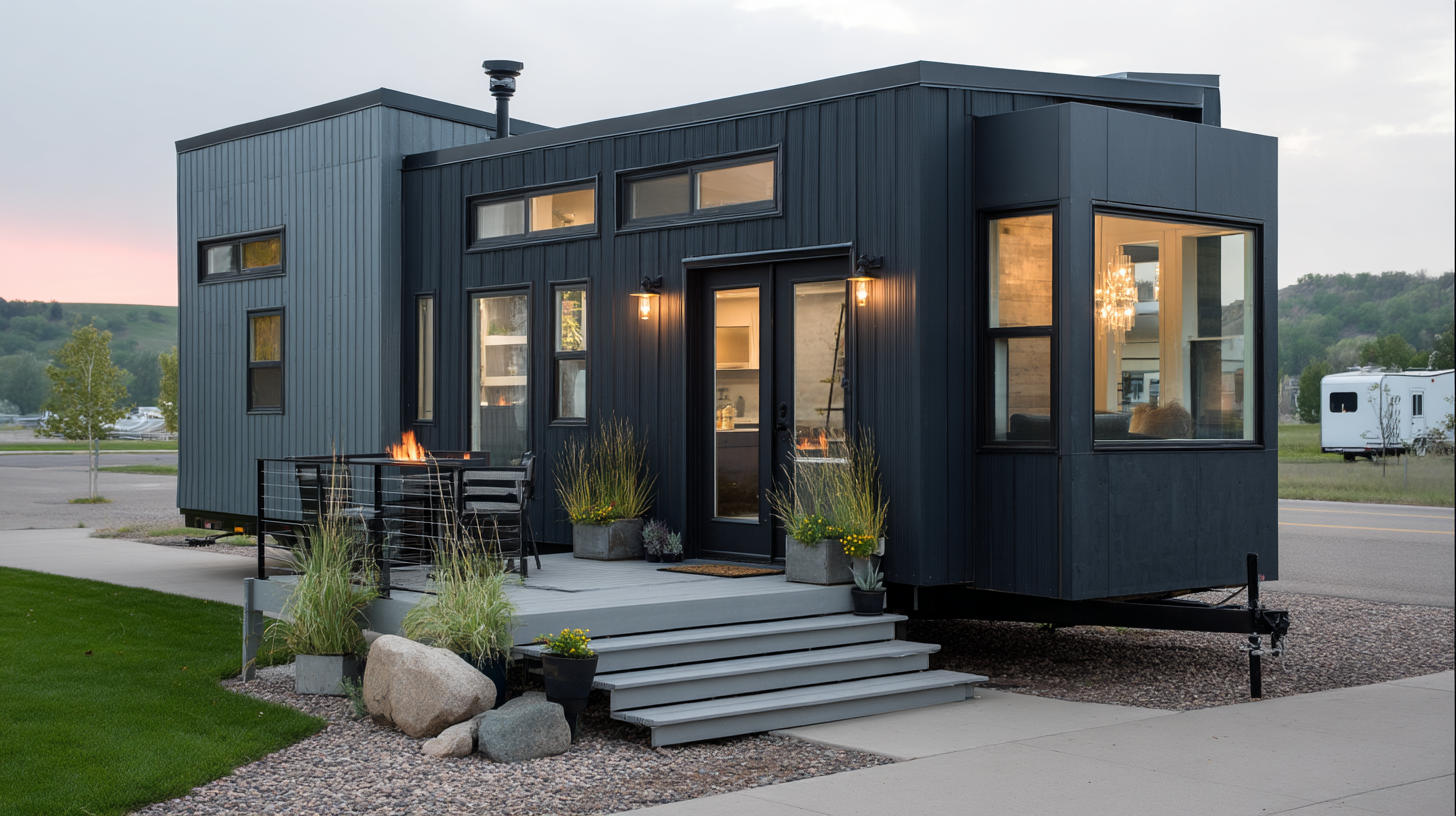
Because ADUs are flexible by nature, you’re not locking into one use forever. Today’s rental unit can become tomorrow’s office space or guest suite. If your needs change, elder care, remote work, or downsizing, you can repurpose.
This adaptability is a key differentiator compared to traditional additions or expansions. When you build an ADU with foresight, you future proof your property. The benefits of ADUs include adaptability, longevity, and resilience in changing housing markets.
Furthermore, if you ever sell, having a permitted ADU demonstrates potential income and utility to future buyers. It can be a selling point, not just an expense.
Benefit 9 | Financing Options & Lower Risk
As ADUs grow in popularity, financing options have evolved. Some lenders now offer construction loans, home equity programs, and ADU‑specific products. This can reduce the barrier to entry and make constructing ADUs more accessible.
Because your underlying property is still your primary residence, lenders may view the project more favorably than new speculative builds. You can bring equity from your home to reduce needed capital.
The risk is also lower: you’re not buying new land, and because the ADU is co‑located, you maintain direct control. That stability is one of several benefits of ADUs many homeowners value.
Benefit 10 | Lower Property Taxes Increase Profitability
When you build an ADU, your property taxes will only increase based on the added assessed value of the unit, not your entire property. Because the ADU is often viewed as an adjunct structure, the tax burden can remain modest relative to the income and value it adds.
You may enjoy a favorable ratio: additional property taxes that are small compared to the additional property value and rental income generated. In other words, the benefits of ADUs often outweigh the marginal tax increase.
Addressing Common Concerns & Challenges
Yes, building an ADU is not without hurdles. You may run into permit review delays, utility connection challenges, or restrictive zoning laws. Lot size, setbacks, and distance from property lines can limit your options.
Labor costs and materials fluctuation may affect budgets. But working with a full service ADU partner can help you navigate those constraints, mitigate surprises, and ensure standards are met.
We see homeowners who shy away because they fear complexity, only to regret when rental markets surge or housing supply tightens further. The benefits of ADUs far outweigh the effort, especially with expert guidance.
Case Examples: Homeowners Using ADUs to Great Effect
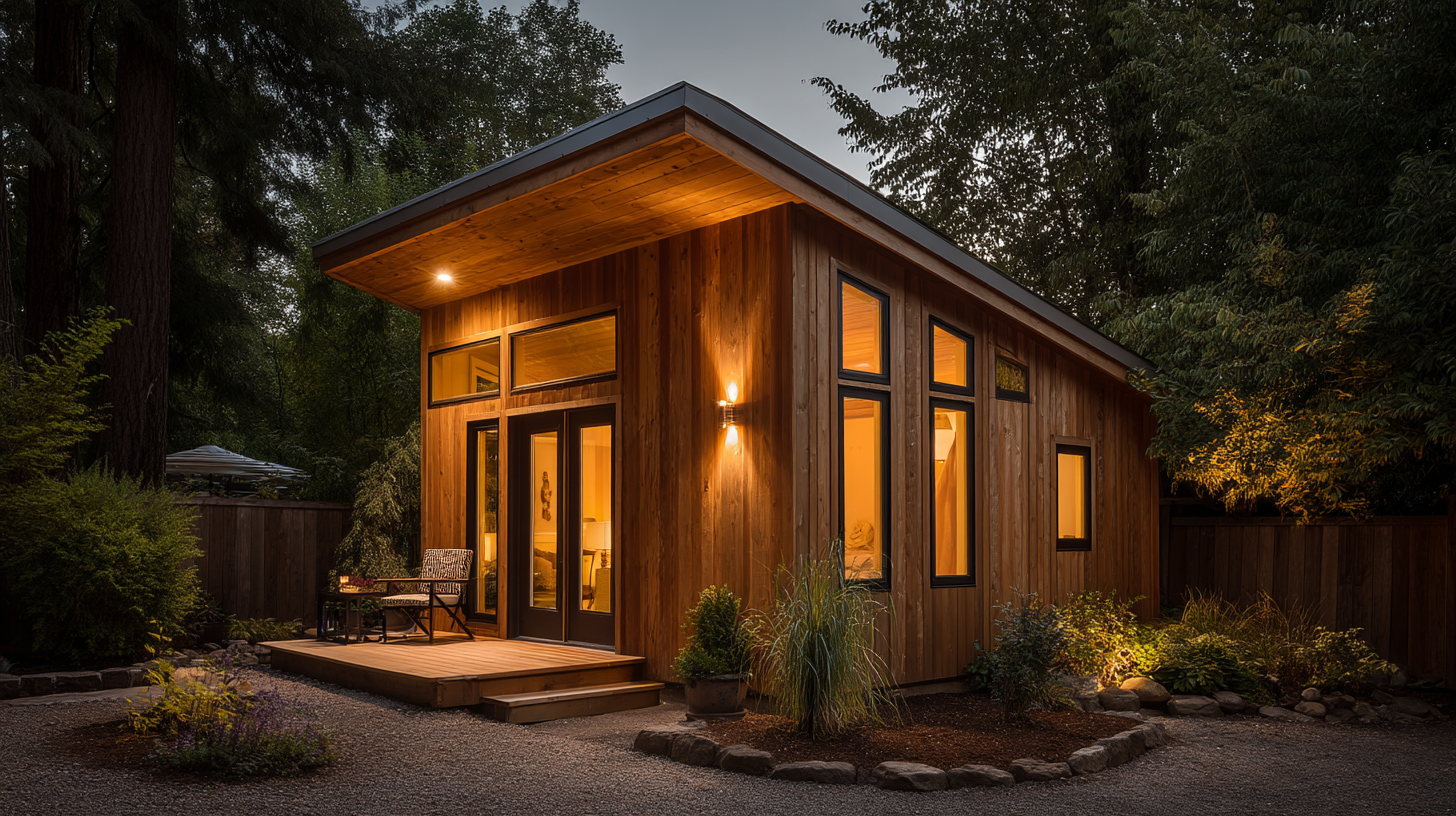
Sacramento homeowner added a detached ADU for her aging mother. The mom enjoyed privacy and independence, while the homeowner gained rental income and increased property value.
Elk Grove resident converted a two‑car garage into a garage conversion ADU. This unit now rents long term, offsetting a large portion of his mortgage.
Roseville family built an accessory dwelling unit behind their existing structure as a guest suite, and later converted it into a short term rental, increasing their income.
Each of these real stories highlights how the benefits of ADUs can manifest in diverse, practical ways for homeowners.
How to Build Your ADU: Step‑by‑Step
- Feasibility & site assessment — check lot constraints, setbacks, utility access, and existing structures
- Design & planning — choose layout, finishes, and whether you want a detached ADU, garage conversion, or attached addition
- Permitting & approvals — navigate local zoning laws, submit ADU plans, respond to requirements
- Construction & oversight — manage labor, materials, inspections, and deliveries
- Rental preparation or occupancy — install fixtures, utilities, obtain certificates of occupancy, market for tenants or move in family
At Golden State ADUs, we accompany homeowners through every phase to make sure the ADU delivers on its promise.
Frequently Asked Questions
How much value does an ADU add to a property in California?
A well built ADU, properly permitted and integrated, can significantly increase property value. Many homeowners see increases in resale value that exceed the cost to build.
Can I rent out my ADU in 2025 without living on the property?
Yes. Many recent state laws now allow homeowners to rent both the main home and the accessory dwelling units. Owner‑occupancy requirements have in many places been removed or relaxed.
Is building an ADU worth it financially?
In most markets, yes. Between the increased property value, the ability to generate rental income, and tax benefits, many homeowners recoup their investment within 7 to 10 years or sooner.
How much does it cost to build an ADU in 2025?
Costs depend on size, site conditions, finishes, and whether it’s a detached ADU or conversion. A rough range is $150,000 to $300,000, but that may vary higher in tight labor markets or difficult lots.
Will my ADU increase property taxes?
Yes, but only on the incremental assessed value of the new unit, not your entire home. Many homeowners find the additional property taxes are modest compared to the benefits.
Conclusion
If you’ve asked what are the benefits of an ADU, know that in 2025, the advantages are more compelling than ever. You can increase your property value, generate rental income, create flexible living arrangements for family members, and contribute meaningfully to alleviating the housing crisis.
Accessory dwelling units are cost effective compared to full new construction, but deliver many of the same benefits of increased housing supply and housing solutions in your city. With smart planning, you tap into the property’s potential and become part of the solution to housing shortages and high housing demand. Whether you turn a garage conversion into a vibrant apartment, build a detached ADU behind your main home, or customize a layout for multigenerational living, ADUs offer a rare combination of flexibility, control, and return.
If you’re ready to explore building an ADU on your property, our team is standing by. We handle everything, from design to permitting to construction, so you can enjoy the benefits of ADUs with confidence.