

In Partnership With
Can a Tiny Home Be Used as an ADU in California?
19 Dec
- Golden State ADUs
- Comment 0
Can a Tiny Home Be Used as an ADU in California?
Can a Tiny Home Be Used as an ADU in California?
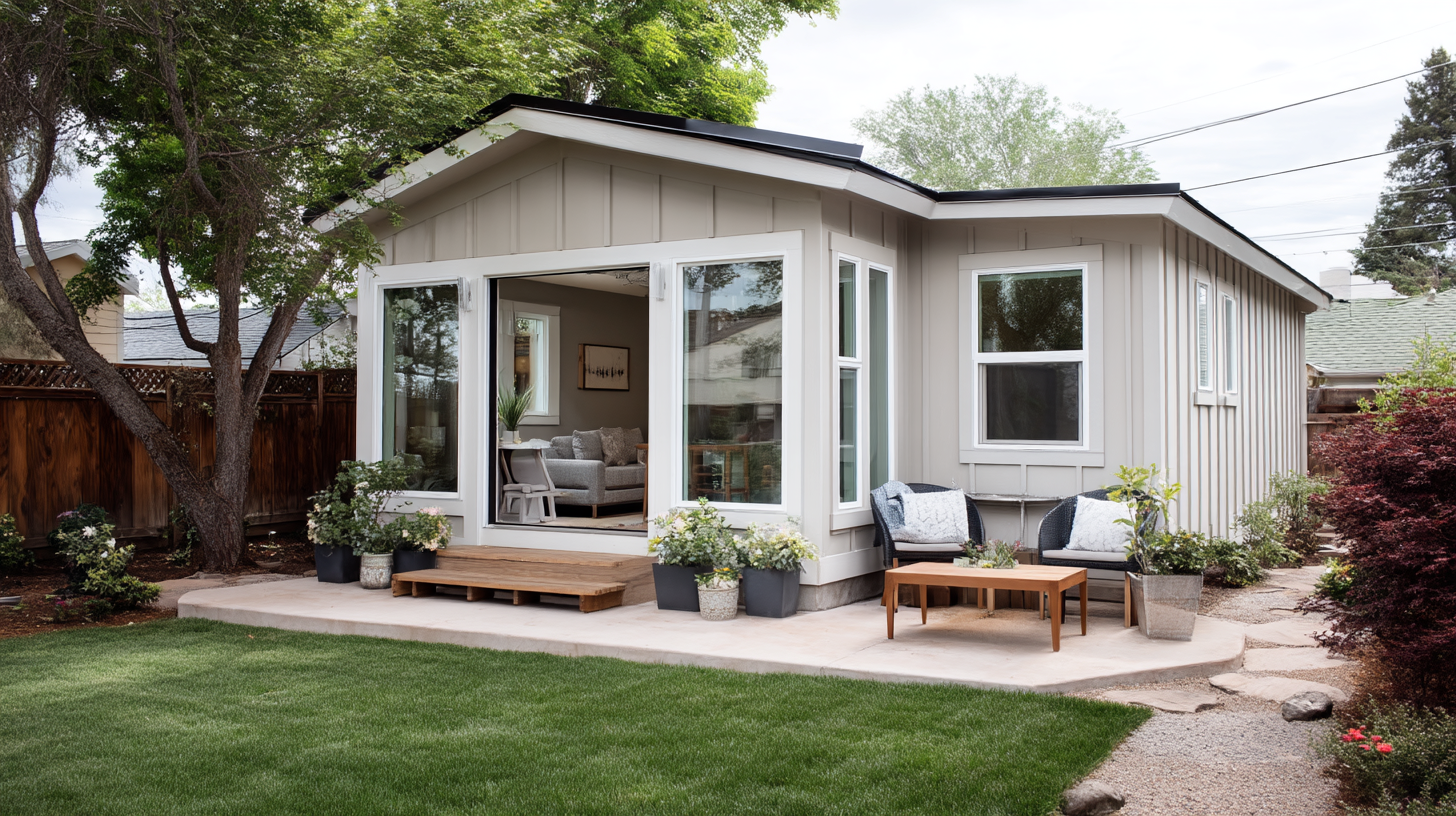
Can a tiny home be used as an ADU on your property in California, meaning can a tiny home be used as a legal accessory dwelling unit in the backyard of your primary residence, creating additional living space, rental income, or multigenerational living solutions? This question is becoming increasingly common as interest in tiny homes, tiny houses, minimalist lifestyle, tiny living, park model homes, and tiny home communities grows across the state. Many homeowners want more space, a rental unit, or a guest house, and are asking if they can place mobile tiny homes, park model tiny homes, or a traditional tiny home near the main house on the same property as a primary residence.
The simple answer is that it depends heavily on local zoning laws, state and local codes, local ordinances, local regulations, and whether the tiny home meets local building codes and other building requirements related to living space and utility connections.
In this comprehensive article, we explore whether a tiny home can qualify as a legal accessory dwelling unit or ADU in California, what factors determine eligibility, what the local jurisdictions require, and how you can approach this project with confidence. We’ll talk about everything from building permit standards to utility hookups, zoning regulations, and the key differences between legal ADU tiny homes and other small structures like sheds, recreational vehicles, or manufactured homes.
What Is an Accessory Dwelling Unit?
An accessory dwelling unit is a secondary dwelling unit located on the same parcel as a primary dwelling or primary home that provides additional living space, typically with its own entrance, kitchen, bathroom, and at least one room for sleeping. ADUs can be:
- Detached ADUs built separately from the main house on the lot
- Attached ADUs that share a wall or roofline with the primary residence
- Converted existing structure ADUs, like garages or basements
- Junior ADUs (smaller units within the primary home)
All ADUs must meet minimum living space standards before they are legally recognized. California law encourages ADU development to help address housing shortages and affordable housing needs, but all ADUs must comply with state and local codes and local laws to receive approval and a building permit.
Every ADU must meet building codes such as minimum square feet, minimum ceiling height, utility connections, and safety standards for habitable rooms, other habitable rooms, and accessible exits from the unit. These regulations ensure quality of life, safety, and durability, and confirm the unit functions as a small home.
What Is a Tiny Home?
A tiny home generally refers to a compact dwelling that ranges from about 100 to 400 square feet. Enthusiasts of the tiny home lifestyle often appreciate its low environmental impact and efficient use of space.
Tiny homes can be built as:
- Mobile tiny homes on wheels
- Permanent structures on a permanent foundation
Park model homes and park model tiny homes are often seen in recreational or community settings but may not automatically qualify as an ADU.
Key characteristics of tiny homes include:
- Efficient design with a focus on small space living
- Sometimes built on wheels or frames that allow relocation
- Usually much smaller than traditional housing
- Designed to be functional with space for sleeping area, kitchen, bathroom, and living area
The key differences between a tiny home and a legal ADU relate to permanence, compliance with building codes, and whether the structure meets requirements for utility hookups, zoning clearance, and a certificate of occupancy.
Can a Tiny Home Be Used as an ADU?
Yes, a tiny home can be used as an ADU in California, but only if it complies with state and local codes, including building requirements, local zoning laws, zoning regulations, and local ordinances.
A tiny home by itself does not automatically become an ADU just because it is placed on a property. The structure must meet the same minimum size, safety, and permanence standards as any other ADU.
In most urban areas and many jurisdictions, tiny homes must:
- Be placed on a permanent foundation rather than remaining mobile
- Connect to required utility connections such as water, sewer, and electricity
- Meet local building codes including minimum ceiling height and other safety requirements
- Comply with zoning laws that allow an additional dwelling on the property
Local zoning regulations may limit the number of units on a parcel or require a certain amount of open space around every structure. Other local regulations might dictate setbacks from property lines or restrict structures to certain sizes or uses. Because of these varying rules, the eligibility of a tiny home to be used as an ADU differs significantly from one city or county to another.
How Local Jurisdictions Affect Tiny Homes as ADUs
Each city or county in California has its own local zoning laws, local ordinances, local regulations, and local building codes that determine how ADUs and tiny homes are treated.
Some jurisdictions make it relatively easy to transform a tiny home into an ADU if it meets building code compliance and lot requirements, while others are more restrictive about mobile tiny homes or structures on wheels.
Local governments often review:
- Whether the property qualifies for a second dwelling under zoning
- Whether the proposed unit is considered a permanent dwelling
- Whether utility connections and safety standards are met
- Whether the design meets aesthetic or other community standards
Some cities explicitly allow tiny homes on wheels to be used as legal ADUs if they remain connected to utilities and have a building permit, while others consider mobile units to be recreational vehicles not suitable for permanent living and thus not eligible to be used as an ADU. In some rural counties like Placer County, local zoning may be more flexible, but they still require a building permit and compliance with building codes.
Building Code and Safety Requirements
To be recognized as an ADU, whether tiny home or traditional structure, the unit must meet strict building codes and safety standards. These requirements ensure the health, safety, and welfare of occupants.
Tiny homes used as ADUs must comply with the same rules as other permanent dwellings, including:
- Minimum square feet and minimum ceiling height for habitable rooms
- Proper utility hookups for water, sewer, and electrical systems
- Foundations that comply with local building permit standards
- Fire safety features such as egress windows and smoke detectors
- Compliance with energy efficiency and insulation standards
Because tiny homes are often designed to be compact, some do not meet these requirements out of the box without modification. Bringing a tiny home up to ADU standards may require structural changes, upgrades to systems, or relocating the unit onto a permanent foundation rather than leaving it mobile.
Tiny Homes on Wheels and ADUs
A common question is whether tiny homes on wheels can be used as ADUs.
In most cases, local jurisdictions treat these homes like recreational vehicles, which are not considered permanent structures and therefore cannot be used as legal ADUs. RVs and mobile homes are not intended for permanent dwelling use, and local zoning laws and building codes typically prohibit their use as long‑term living spaces without meeting the same standards as permanent dwellings.
However, some cities are updating their zoning laws to make exceptions if the tiny home on wheels:
- Is connected to utilities in a permanent way
- Meets all safety and building permit requirements
- Receives approval through the city’s planning process
Consulting with the city’s planning department is essential. Placing a mobile unit without proper approval risks removal or fines for violating zoning laws or local regulations.
Benefits of ADU Tiny Homes
When a tiny home is properly permitted and meets all regulations, it can provide significant benefits to homeowners:
- Creates additional living space for family members or guests
- Offers potential rental income if used as a rental property or rental unit
- Increases property value through added usable square footage
- Supports multigenerational living by providing a separate dwelling on the same lot
- Offers an affordable housing option that uses less material and space
Because tiny homes are often smaller and more efficient than traditional ADUs, they appeal to homeowners seeking simplicity and cost savings, especially in markets with high construction costs.
Challenges and Considerations
Despite the benefits, there are challenges involved in converting a tiny home into a legal ADU:
- Local zoning laws and zoning regulations vary widely and can be restrictive
- Building codes may require modifications to tiny homes that were not originally designed for permanent occupancy
- Utility hookups for water, sewer, or electricity may be costly to install
- Permitting can be complex and time‑consuming, especially with multiple jurisdictions involved
- Financing and insurance for tiny homes can be more difficult than for traditional structures
Some homeowners find that a custom‑designed ADU or modular ADU that already meets code is a more straightforward investment than a converted tiny home.
Permanent Structures vs Mobile Tiny Homes
Tiny home enthusiasts often prefer mobile tiny homes because they can be relocated and represent the freedom of tiny living.
Yet for ADU purposes, a permanent structure on a permanent foundation is far more likely to receive approval from local governments because it aligns with the expectations for a legal dwelling unit. A permanent residence, even a small one, is designed and built to meet building codes from the ground up, which simplifies permitting and inspection. Mobile units, unless specifically allowed, face a higher bar to compliance.
Planning and Next Steps
If you are serious about having a tiny home used as an ADU, the first step is to speak with your local planning and community development office. This will provide clarity on:
- Whether your parcel is eligible for an ADU
- What local laws apply
- What will be required to receive a building permit
You will need a site plan, architectural drawings, and proof that utility connections can be made.
Working with experienced professionals who understand how to navigate local zoning laws, building codes, and zoning clearance can make the process smoother. They can help ensure your tiny home ADU meets every requirement and avoid costly delays or revisions.
FAQs About Tiny Homes and ADUs
Can a tiny home be used as an ADU in California?
Yes, a tiny home can be used as an ADU if it meets all local zoning laws, state and local codes, building permit requirements, and related standards.
Does a tiny home have to be on a permanent foundation to be an ADU?
In most cases, yes. Mobile tiny homes are typically not acceptable unless specific local laws allow it.
Can I rent out my tiny home ADU for income?
Yes, if it is legally permitted as an ADU and meets all local regulations, it can be used as a rental unit or rental property.
Is a tiny home considered a legal dwelling unit?
A tiny home can be considered a dwelling unit if it meets all relevant codes and receives the appropriate permits.
Do tiny homes need utility hookups to be ADUs?
Yes, legal ADUs require proper utility connections including water, sewer, and electrical.
Are park model homes eligible to be ADUs?
Park model homes or park model tiny homes may be eligible if they meet local zoning laws and building standards for permanent dwelling units.
Final Thoughts
The answer to “can a tiny home be used as an ADU” in California is yes, but only when the tiny home is developed in accordance with all applicable regulations, codes, and permits. Converting a tiny home into a legal ADU requires careful planning, adherence to local building codes, and approval from the relevant authorities to ensure safe, comfortable, and compliant living space. With proper guidance and a commitment to meeting the rules, a tiny home ADU can be a rewarding addition that boosts property value, offers rental income, and creates more living space for your family.