

In Partnership With
Are There Size Limits for ADUs in California?
08 Dec
- Golden State ADUs
- Comment 0
Are There Size Limits for ADUs in California?
Are There Size Limits for ADUs in California?
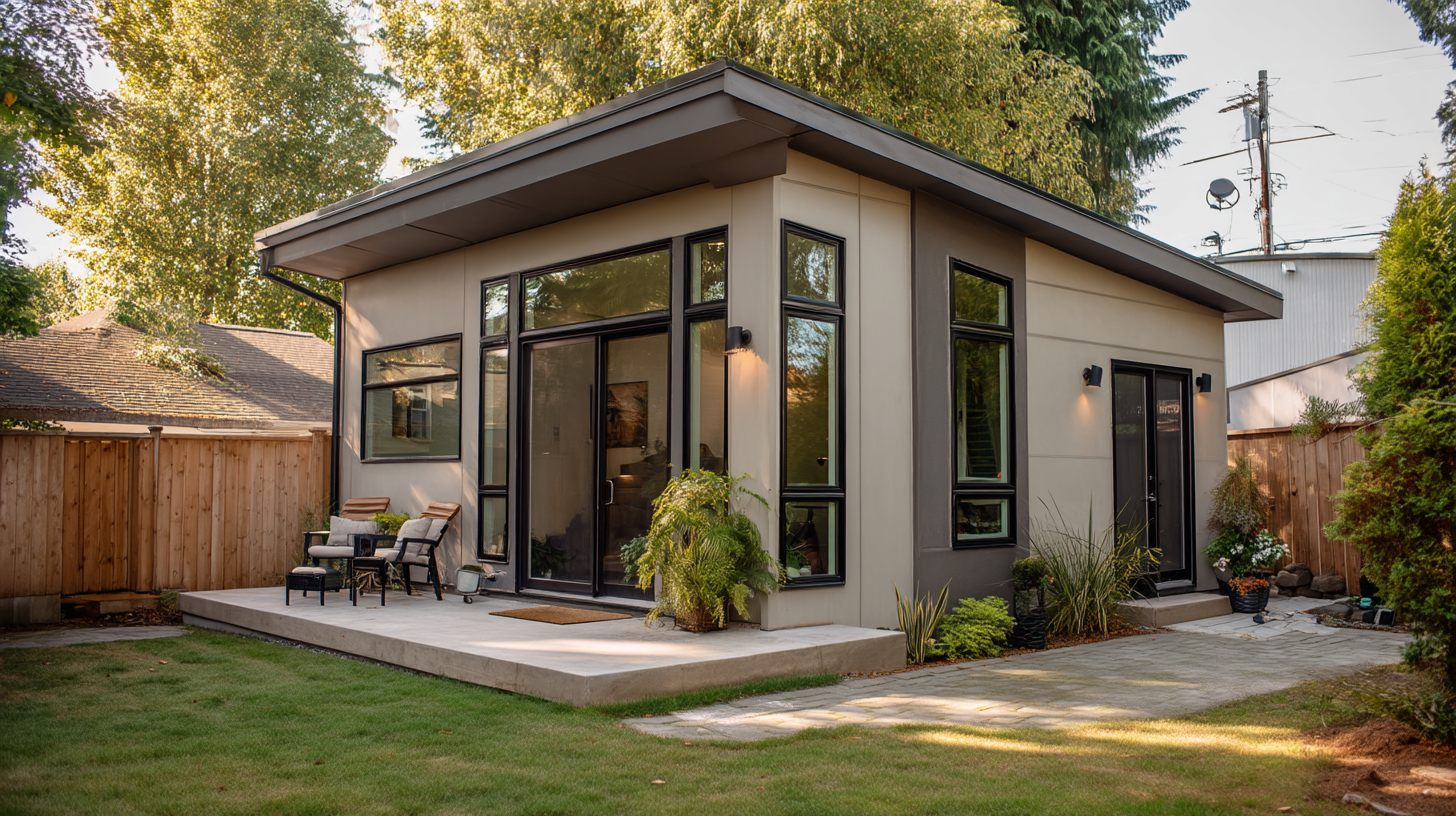
Accessory dwelling units (ADUs) are one of the most impactful ways residential property owners can add additional living space, earn rental income, or provide multigenerational housing. Many property owners ask the question: are there size limits for ADUs in California, and what do the size regulations really mean if I want to add a detached ADU or attached ADU space to my existing primary residence? In this comprehensive guide, we walk through the general ADU size limits, minimum ADU size, maximum size limits for both detached units and attached units, and relevant regulations you need to know before you start your ADU development. We also cover how general ADU size limits fit into California state law and how local ordinances in places like Sacramento County and Los Angeles County affect your project.
What Are Accessory Dwelling Units and Why Size Rules Matter?
Accessory dwelling units provide additional housing options on residential properties by creating a second livable space on lots with a primary dwelling unit. Whether you’re planning a full ADU above a detached garage or an attached unit conversion within your existing living area, understanding ADU size is critical. ADU space affects everything from the permitting process, construction costs, living space quality, property value, and rental income potential. Local planning department approval depends on ensuring compliance with state laws and specific ADU regulations.
ADU types include detached units, attached ADUs, junior ADUs, garage conversions, and conversion ADUs. Each type has different size requirements, permitting processes, and relevant regulations. Property owners must consider both minimum size and maximum ADU size regulations when planning their ADU development so that their project fits within local rules and state guidelines.
California State Law and General ADU Size Regulations
In California state law, there are general ADU size limits that property owners can rely on before local ordinances impose additional criteria. Under California law, property owners are guaranteed the right to build an accessory dwelling unit up to certain square footage that no city can arbitrarily block. For most general ADU development, the minimum ADU size is defined to ensure a livable space for occupants.
One of the first thresholds property owners encounter is the minimum ADU size, which is typically 150 square feet. This minimum size ensures adequate room for living space, bathroom facilities, or kitchenette in both detached and attached units. However, most property owners build larger than the minimum size for real-world livable conditions.
State law also defines a guaranteed maximum size that cities must allow if a project complies with other general rules. For example, California state guidelines require cities to permit an accessory dwelling unit of at least 800 square feet of livable square footage. These statewide provisions promote more housing opportunities and help address housing shortages throughout California.
Detached ADU Size Limits
Detached ADU projects often have more flexible size options compared to attached ADUs because they don’t alter the existing primary dwelling. These detached units are built separate from the main dwelling and can be placed in yards or backyard areas subject to setbacks, height limits, and property line requirements under local regulations.
Under California state law, most detached unit projects must be approved up to 800 square feet as a starting point, but local authorities in cities and counties often allow larger projects. Many local ordinances permit detached ADUs up to 1,200 square feet of livable space, depending on zoning, lot coverage, and existing structures on the property.
Detached ADU size regulations also consider bedroom count. Some jurisdictions allow projects up to 850 square feet for one bedroom and up to 1,000 square feet for two bedrooms, though many local rules still permit the larger 1,200 square feet cap under certain conditions. These size limitations balance additional living space with neighborhood aesthetics and overall density goals.
It is important for property owners to consult both California state law and local regulations to understand how general ADU size limits apply in their community. Detached ADUs often require compliance with building codes, fire safety standards, and utility connections in addition to size regulations set by local authorities.
Attached ADU Size Limits
Attached ADUs provide another effective way for property owners to expand usable space. These units are physically connected to the main dwelling and often offer a smoother permitting process because they utilize the existing structure of the primary residence.
For attached ADUs, California state law sets different size guidelines compared to detached units. The maximum ADU size for attached ADUs is generally tied to the size of the main property’s square footage. In many cases, local rules allow attached ADUs up to 50 percent of the main property’s square footage, but not exceeding about 1,200 square feet of livable space. For example, if your primary home is 2,000 square feet of existing living area, an attached ADU could be permitted up to 1,000 square feet under this ratio. Other local ordinances might still set specific size limitations.
Because these attached units are part of the main dwelling, they are subject to more scrutiny in terms of structural modifications, plumbing, electrical changes, and integration with existing systems. Local authorities often require clear documentation showing how the additional space complies with both the local planning department’s expectations and the state’s ADU size regulations.
While it is possible in rare cases to seek variances for additional square footage, most property owners align their attached ADU plans with standard state guidelines. Proper planning for attached ADUs includes complete architectural drawings, demonstrating how the design respects property zoning, building codes, and energy efficiency standards.
Junior ADUs and Their Size Cap
Another type of ADU is the junior ADU. Junior ADUs are smaller living spaces located within an existing primary home, often created by converting bedrooms, basements, or other previously built space. These units are often less expensive to build than full ADUs because they adapt existing structures rather than embarking on a new build from scratch.
In California, the size regulations for a junior ADU are clear and uniform across most local ordinances. A junior ADU must be no larger than 500 square feet of livable space. This ensures that junior ADUs remain secondary to the primary dwelling and provide affordable housing options without excessive impact on the existing property.
Key requirements for a junior ADU include an efficiency kitchen and separate entry. Because these units are created from existing space, they typically require fewer alterations to the external footprint of the property. Local planning departments also consider whether the conversion ADU preserves the integrity of the existing primary residence, complies with ADU size regulations, and meets building codes that govern fire safety standards and energy efficiency.
Minimum Size and Livable Space
As mentioned earlier, the minimum size for accessory dwelling units under California state law is typically 150 square feet. Minimum size regulations are designed to ensure that ADU development provides safe and usable areas with necessary living space, bathroom facilities, and basic functions. When planning your ADU design, think not only about minimum size, but also how you will use the ADU space most effectively for tenants or family members.
While state law sets a minimum threshold to protect livable conditions, most property owners choose designs that exceed minimum requirements. ADU space below 400 square feet is often considered too small for most renters or family uses, especially when considering furniture placement, storage capacity, and comfortable living conditions.
Minimum ADU size rules also include considerations for natural light, ventilation, and building codes that govern habitable areas. Local authorities often integrate these factors into the permitting process to ensure the final ADU works as an inviting living space.
How Local Ordinances and Local Rules Influence ADU Size
While California state law provides general ADU size regulations and protections, local ordinances still play a significant role in determining how an ADU project moves through the approval process. Cities and counties have the ability to shape local regulations around ADU development to reflect community planning goals, property zoning, and neighborhood character.
Local rules may include restrictions on setbacks from the property line, maximum height limits for detached units, driveway access requirements, and design review criteria. In places like Sacramento County and Los Angeles County, these local requirements vary and can affect the maximum ADU size and placement of your unit.
Some local authorities allow detached units up to 1,200 square feet or more based on lot size and existing structures, while others enforce more conservative size limitations. Understanding your city’s specific ADU regulations, size restrictions, and approval process is critical to ensuring your project complies with all relevant local and state requirements.
Because local ordinances change frequently, property owners need to work with professionals who understand both California state law and specific regulations in your area. This ensures the ADU development process moves forward smoothly.
Design Considerations for ADU Space Beyond Size Regulations
When planning your ADU project, size is only one of many considerations. Thoughtful design can maximize the functionality of your ADU space regardless of whether you are building a detached ADU, attached ADU, or conversion ADU.
One common strategy is exploring garage conversions. If you have an existing garage or detached structure, converting this space into an ADU can help you stay within size limitations while still offering a generous livable area. Garage conversions often require less new construction and can take advantage of existing utilities.
Another strategy is building two-story detached units. This approach can help you achieve a high square footage without exceeding property zoning limits for lot coverage. Two-story designs remain subject to local height limits, but offer a way to create comfortable living space with multiple bedrooms and full ADU features.
Combining a junior ADU with a larger unit on one property also increases rental income potential or multigenerational living options without breaking general size limitations. This combination meets state guidelines while optimizing the overall ADU space available on a lot.
Design elements like open floor plans, larger windows for natural light, built-in storage solutions, and efficient use of vertical space transform smaller ADUs into highly livable units that attract renters and residents.
Real-World Examples of ADU Size Limits
In Sacramento County, detached units are often permitted up to 1,200 square feet with standard setbacks and local regulations, while attached ADUs follow the 50 percent rule of the main dwelling’s square footage. Junior ADUs remain capped at 500 square feet in most cases. Local rules are similar in Los Angeles County but may include additional design review criteria.
Because California state law continues to evolve to promote housing opportunities, many property owners find that general ADU size limits set statewide provide a reliable baseline. However, local authorities also shape the details that influence your final permitted ADU size, livable space quality, and overall project success.
Frequently Asked Questions (FAQs)
Are there size limits for ADUs in California?
Yes, California state law sets general size limits for accessory dwelling units. Detached ADUs can typically be up to 1,200 square feet, while attached ADUs are limited to 50% of the primary residence’s square footage or 1,200 square feet, whichever is smaller. Junior ADUs have a maximum size of 500 square feet. Local ordinances may impose additional restrictions.
What is the minimum ADU size required by California law?
The minimum ADU size mandated by California state law is generally 150 square feet. This minimum ensures that the unit provides adequate livable space, including essential features like bathroom facilities and a kitchen or kitchenette.
Can a junior ADU share bathroom facilities with the primary residence?
Yes, junior ADUs often share bathroom facilities with the existing primary residence. They must include an efficiency kitchen and typically have a separate entry, but sharing bathrooms is allowed under California regulations.
Is it possible to build a two-story ADU in California?
Yes, many local jurisdictions permit two-story ADUs, though they must comply with local height limits and zoning regulations. California state law allows two-story detached ADUs, but height restrictions usually range between 16 and 18 feet, depending on the location.
How do local regulations affect ADU size limits?
While California state law provides baseline size limits, local governments can enforce additional rules such as setback requirements, height restrictions, and design standards. Property owners should consult their local planning department to understand specific regulations that may impact their ADU project.
Conclusion
Accessory dwelling units are a powerful way for property owners to add value to their land, create additional living space, and generate rental income. Understanding whether there are size limits for ADUs in California is critical before beginning your ADU development.
From minimum ADU size to the maximum size limits for detached units, attached units, and junior ADUs, this comprehensive guide demonstrates how state laws and local regulations work together. While state laws provide strong protections and clear guidelines, local ordinances still play a significant role in shaping how your ADU project moves through the permitting process.
By knowing the ADU size regulations, working closely with local planning departments, and applying thoughtful design strategies, property owners can successfully plan and build ADUs that meet their goals. Whether you choose a smaller unit for family living or a larger space for rental income, proper planning and informed decisions ensure your ADU project delivers real value.
Are you ready to explore building an accessory dwelling unit on your property? Start planning today and make informed choices about ADU size, local rules, and your best path forward.