

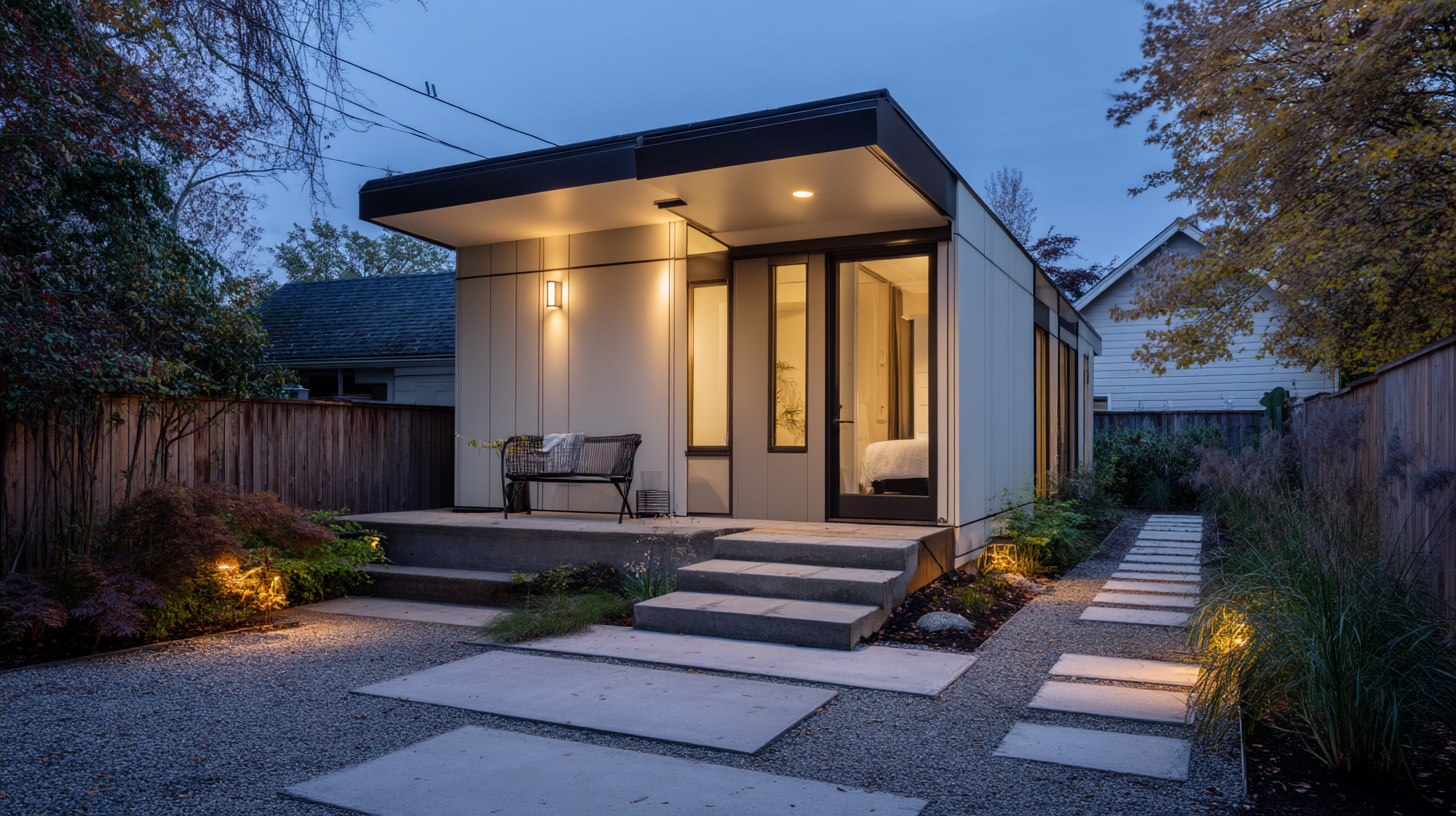
Accessory dwelling units (ADUs) have become an essential part of California’s response to the housing shortage. These small, self-contained homes offer flexibility, private space, and increased property value while helping address rising housing costs. However, many homeowners still ask: Is owner occupancy required to build an ADU in California?
As of 2025, owner occupancy is no longer required for most types of ADUs. State laws now override local ordinances and local regulations that previously required property owners to live on the same property when building an ADU. This is a major shift for property owners, investors, and families alike. In this article, we’ll break down current ADU owner occupancy requirements, explain how they’ve changed, and help you understand what this means if you’re planning to build an accessory dwelling unit.
 Definition and Historical Context
Owner occupancy refers to a regulation that requires the owner of a property to live on site, either in the main residence or in the accessory dwelling unit. This was once a common local ordinance used by local governments and local agencies to maintain neighborhood character and limit short term rentals. For example, cities often required homeowners to live in either the main dwelling or the ADU as a condition of approval for permits.
Historically, these restrictions made it harder for many homeowners to take advantage of ADU construction opportunities. Many homeowners who wanted to build an ADU for rental income or to house family members were blocked by local owner occupancy requirements.
California began reducing these restrictions in 2020, passing state laws that temporarily removed owner occupancy requirements for ADUs permitted between 2020 and 2025. This was part of a broader effort to encourage more housing options and increase the number of ADUs permitted across local housing markets.
With the passage of AB 976, these changes are now permanent. This 2025 update to state law ensures that local authorities can no longer require owner occupancy as a condition to build an ADU. The updated legal definition of acceptable ADU use now provides fewer restrictions and greater clarity for property owners across the state.
Assembly Bill 976 extends the prior ban on owner occupancy requirements for all newly constructed ADUs. Effective January 1, 2025, property owners in California are no longer required to live on the same property as their proposed accessory dwelling unit in order to obtain permits. This law applies across all cities and counties, removing any inconsistent or conflicting local regulations.
Whether you are building a detached unit, converting a garage, or adding square footage for an attached ADU, you do not have to reside on the property. These owner occupancy requirements have been permanently lifted for ADUs, making it easier for homeowners and investors to move forward with ADU development plans.
Without the requirement to live on site, California homeowners now have much more freedom in how they use their properties. You can rent both the ADU and the main house without violating any owner occupancy restrictions. This is a significant benefit for property owners seeking to generate rental income or downsize into a smaller space while renting out the main dwelling.
Real estate investors also benefit from this change. ADU construction is now a more viable strategy for rental property owners who want to add long-term housing units to their portfolio. The statewide law encourages both housing production and rental opportunities across communities, without requiring the owner to occupy the main house or ADU.
 What Is a JADU?
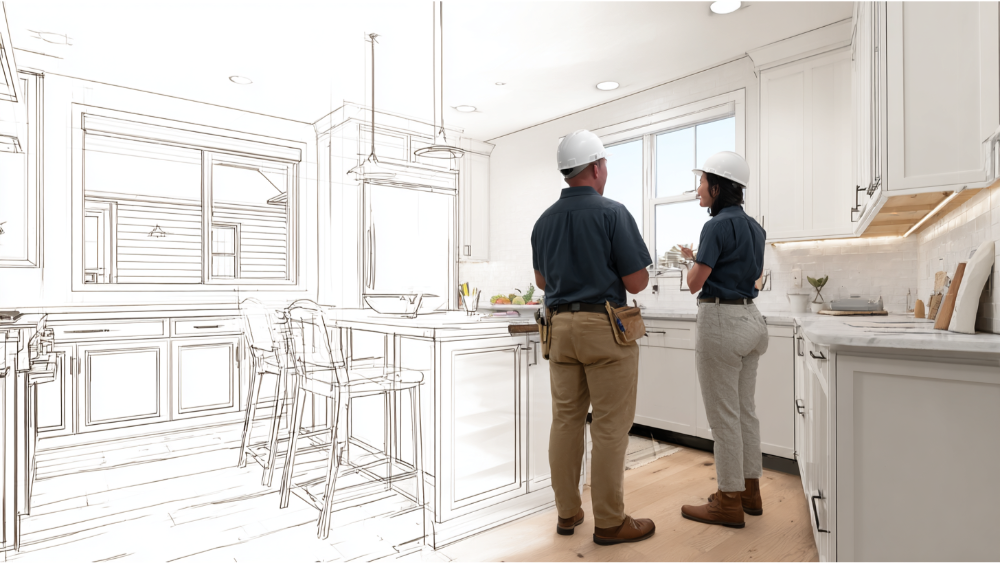
Junior accessory dwelling units, or JADUs, are a specific type of ADU limited to 500 square feet and created within the footprint of the existing primary residence. A junior accessory dwelling typically shares certain utilities or spaces with the main house, which makes them distinct from full-size ADUs.
JADUs are a smart solution for homeowners looking to create integrated living spaces, especially for aging parents or adult children. However, the laws governing these units come with slightly different requirements.
JADU owner occupancy requirements still exist under California law. If your junior accessory dwelling shares bathroom facilities with the main dwelling, the property owner must live in either the primary dwelling or the junior accessory dwelling. This rule reflects community concerns around privacy, shared amenities, and the compact size of these units.
However, if the JADU has its own private space for sanitation, meaning a separate bathroom, the owner occupancy requirement does not apply. Understanding these specific regulations is important when planning any ADU or JADU project. We recommend homeowners seek legal advice or consult with a full-service ADU builder to ensure they comply with all applicable rules.
Local ordinances used to vary widely when it came to ADU owner occupancy requirements. However, as of 2025, state laws override all local regulations regarding owner occupancy for accessory dwelling units. This means that even if your city’s zoning code still lists occupancy restrictions, they are not enforceable.
California’s ADU policy has shifted to a statewide law approach, ensuring that local agencies and local governments cannot impose additional rules or require owner occupancy for ADU permits. This provides a uniform legal environment for homeowners across the state.
Although owner occupancy requirements have been lifted, you still need to comply with other local regulations such as:
Homeowners must stay informed and ensure their proposed accessory dwelling unit complies with both state laws and local rules that remain in effect. Golden State ADUs has extensive experience navigating these requirements, helping property owners throughout the entire process of ADU permitting and construction.
 More Flexibility for Homeowners
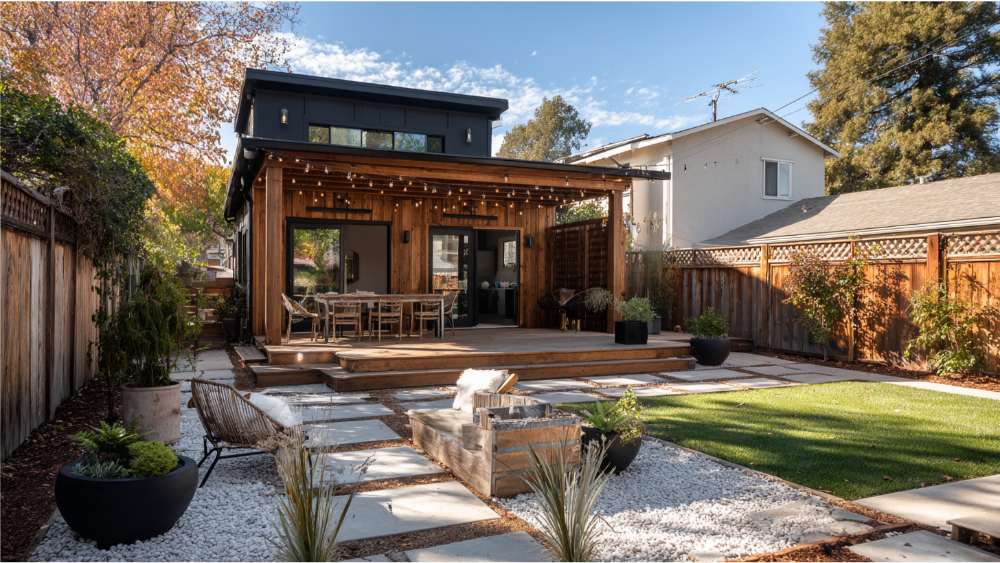
With fewer restrictions in place, many homeowners now have more housing options. You can:
This flexibility allows property owners to adapt to changing life stages, family needs, or financial goals without being tied to a specific unit.
Real estate investors can now add accessory dwelling units to rental property across California without needing to live there. This supports the development of long-term rental housing in areas where demand is high and supply is limited. These units can increase property value and offer consistent rental income while supporting housing options in local housing markets.
The ability to build an ADU on a rental property also aligns with broader goals to address the housing shortage while making better use of existing lots and infrastructure.
Accessory dwelling units are ideal for families looking to live closer together while maintaining privacy. ADUs and junior accessory dwelling units provide an affordable and independent living option for aging parents, adult children, or extended families. Without the burden of owner occupancy requirements, families have more control over who lives where, and how they use their space.
Whether you’re creating an in law suite for relatives or a secondary residence for long-term tenants, the relaxed occupancy rules support more personalized housing solutions.
Outdated information is common. Many homeowners report seeing owner occupancy requirements still listed on their city’s website or hearing about them during initial permit inquiries. However, these references are no longer valid under current state laws. As of 2025, cities and counties cannot require owner occupancy for ADUs.
While a homeowners association may impose design or aesthetic rules, they cannot block your ability to build an ADU. More importantly, homeowners association restrictions cannot legally require owner occupancy for ADUs. That said, we recommend reviewing your CC&Rs and seeking professional guidance to make sure your project is in compliance.
 Local Knowledge, Statewide Expertise
Golden State ADUs has completed over 100 ADUs across Sacramento and Northern California. We understand how state laws interact with local agencies and how to help homeowners comply with regulations without delays. Our deep familiarity with owner occupancy requirements and zoning codes ensures you’ll never run into preventable roadblocks.
We handle the entire process, from site evaluations and design to permitting, construction, and final inspections. Whether you’re building a unit for family members or creating a rental property, we help you make the most of your lot while staying fully compliant.
No. California law permanently eliminates the requirement for owner occupancy on newly built ADUs.
Yes. JADUs that share bathrooms with the main residence require the owner to live in either the JADU or the primary residence. JADUs with their own bathrooms do not require owner occupancy.
Yes. You are allowed to rent both units, as long as you comply with local lease terms and rental regulations.
Yes. You can build an ADU on a rental property without living on site, thanks to updated 2025 state laws.
No. HOAs may influence design or placement, but they cannot enforce owner occupancy requirements.
California’s ADU laws have evolved significantly, and owner occupancy is no longer a barrier for homeowners and investors. Whether you’re adding space for family members, creating a secondary residence, or building a rental property, you can do so without living on the same property.
Golden State ADUs is committed to helping you navigate every step of the process. We stay up to date on the latest regulations, provide full-service support, and deliver high-quality results that meet your goals. Let’s unlock the full potential of your property, together.
Ready to build your ADU? Contact Golden State ADUs today for a free consultation and personalized project assessment.