

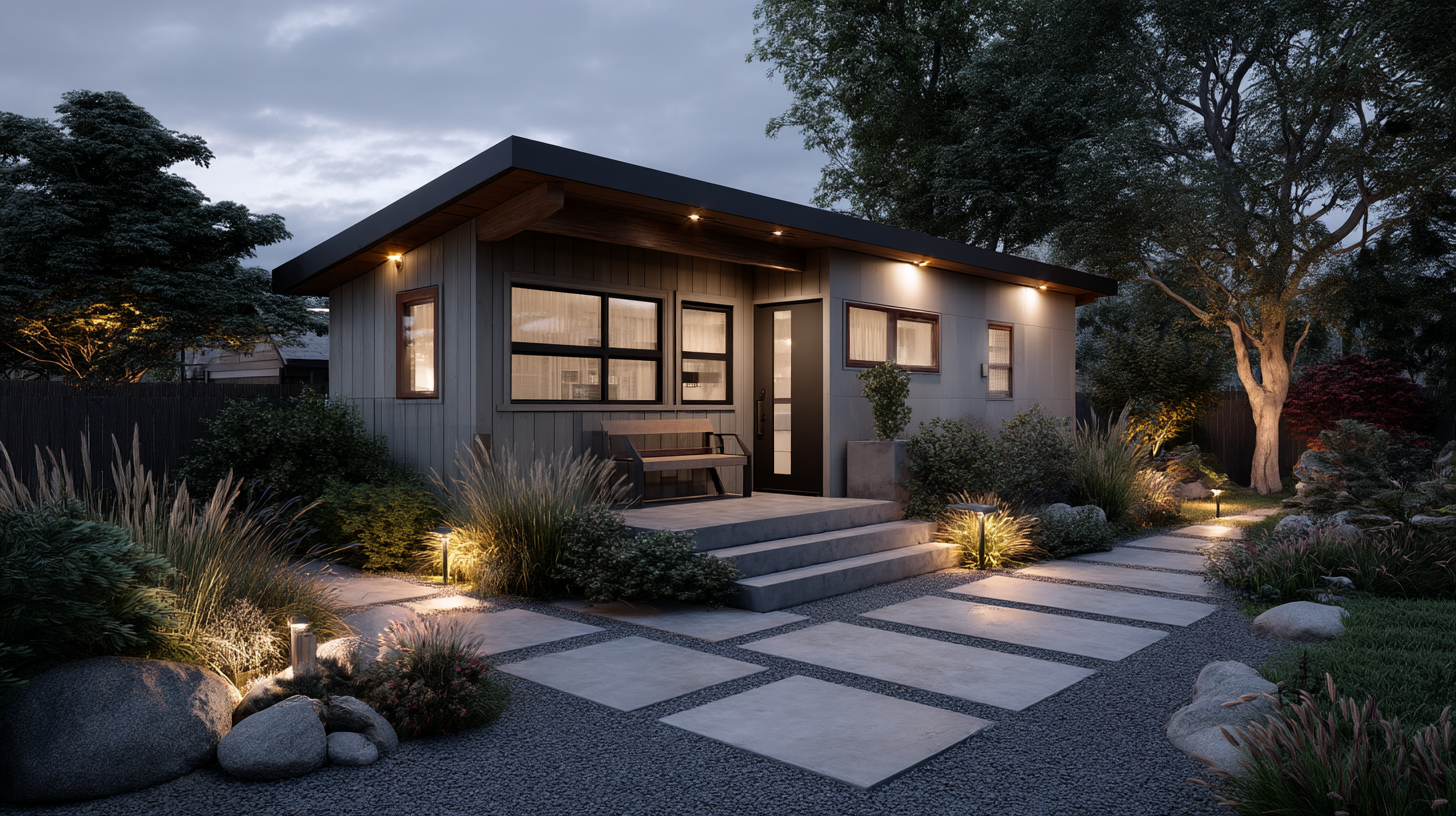
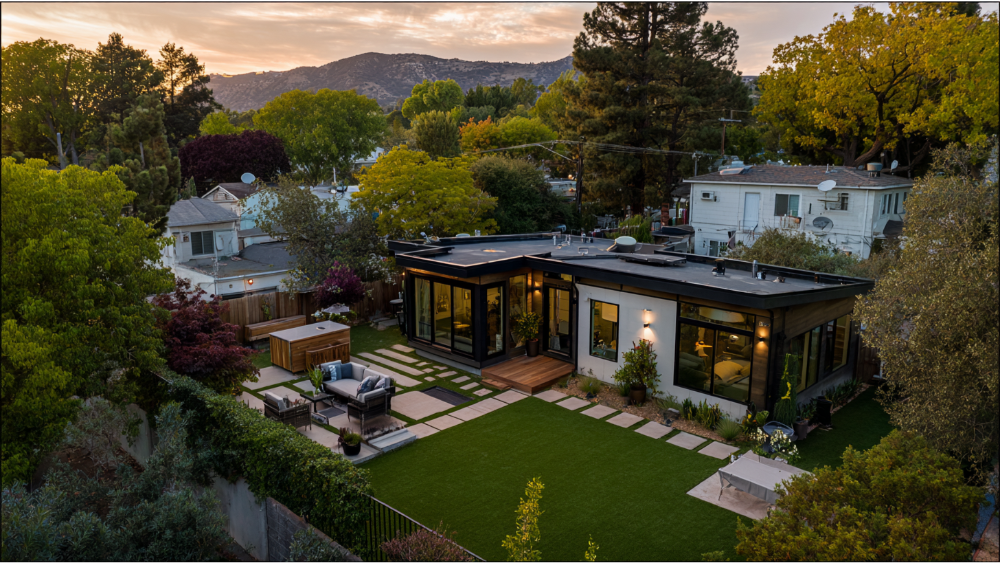
 Accessory dwelling units have become one of the most popular housing solutions in California and across the United States, especially for property owners who want to expand living space, generate rental income, support multigenerational living, or build affordable housing without building a separate house. Many homeowners ask, is an ADU considered a separate house, or is it something different under local zoning laws and state law? In this complete guide, we will define what an ADU is, compare it to a separate house, and explain how accessory dwelling units function in relation to the primary residence, property value, rental income opportunities, and local regulations from San Diego to San Francisco.
An accessory dwelling unit is a secondary housing unit on the same parcel as a primary residence. These units are livable space with kitchen facilities, bathroom facilities, and a separate entrance that allow them to function independently from the main house. Accessory dwelling units can take many forms including a detached ADU, attached ADU, garage conversion ADUs, basement conversion ADUs, or junior accessory dwelling units in existing space within the existing primary residence. Whether it is a detached unit in your backyard, an attached unit connected to the single family home, a converted garage, or a basement conversion, the accessory unit offers many of the same amenities as a guest house or independent unit, but it is not a separate house in the traditional legal sense.
Many local governments refer to accessory dwelling units as granny flats, backyard cottages, or second units, and local agencies and zoning authorities have updated local ordinance and zoning regulations to make it easier for property owners to build ADUs as part of broader affordable housing strategies and housing solutions aimed at increasing housing supply. California state law encourages ADU projects because they expand living space and support rental units without requiring the creation of new lots or separate properties.
 The short answer to the question, is an ADU considered a separate house, is no. Even though an accessory dwelling unit has livable space, an own entrance, separate utility connections, and can be used independently from the main house, local zoning laws and state law define ADUs as an accessory unit to the primary structure. An ADU does not stand on its own as a separate parcel or separate home. It sits on the same lot as the existing primary residence and remains part of the same property. Local governments treat the ADU as a secondary housing unit linked to the main dwelling.
Accessory dwelling units are intentionally subordinate to the primary home. They provide valuable additional living space and offer many of the same benefits as a standalone living space or vacation rental, but they are always connected legally and physically to the existing single family home under the same parcel. Even if an ADU is detached from the main house and designed like a small separate home, it is still an accessory dwelling unit and not a separate house under local zoning laws.
One reason many property owners ask, is an ADU considered a separate house, is because accessory dwelling units are designed to function independently. A detached ADU can include its own bathroom facilities, kitchen, and private outdoor access. These features make ADUs appealing for adult children, family members who need independent unit living, or tenants who will pay rent.
A detached ADU, when designed well, can feel exactly like a separate house to the people living in it. It can generate rental income, provide passive income, and serve as a long-term rental property or vacation rental where local ordinance allows. A homeowner could similarly use an attached unit that connects to the existing home but still feels distinct with its own private entrance.
Despite these features, the key distinction under local zoning, building codes, and property law is that an accessory dwelling unit is not a standalone living space in terms of ownership or parcel designation. It shares the same lot and the same tax bill as the existing home.
 Local zoning laws, local agency guidelines, and state law determine how accessory dwelling units are permitted, built, and regulated. Many local governments have updated zoning regulations and local ordinance to encourage ADU development, reduce barriers like minimum lot size and owner occupancy requirements, and limit the impact of second units on neighborhoods. Cities such as San Diego and San Francisco have their own local zoning rules that follow California’s overarching zoning laws while tailoring specifics to local needs.
Under state law, ADUs are recognized accessory dwelling units and are not subject to the same zoning restrictions as new subdivisions or separate houses. This prevents local governments from imposing arbitrary restrictions that would make it difficult for property owners to expand living space or generate rental income through ADU projects.
Many local governments refer to accessory dwelling units in their municipal codes and zoning regulations. These definitions help both homeowners and builders understand what types of units are permitted, how big they can be, and what standards they must meet. Although terminologies differ, the underlying legal concept is the same accessory unit on the same lot as the primary dwelling.
Local zoning laws dictate where ADUs are allowed, often in single family zones and multi-family zones. They address issues like building setbacks, height limits, parking requirements, and impact fees. They also determine how property taxes apply to the property with the addition of an ADU.
When property owners build an ADU, they often see a significant increase in property value. Because an accessory dwelling unit adds livable space, creates potential for rental income, and responds to housing demand, it can make the overall property more valuable. Real estate professionals frequently point to accessory dwelling units as valuable investments that differentiate one property from a similar single family home without an ADU.
However, while the presence of an ADU increases property value, it does not change the fact that the property is still a single property with two living spaces rather than two separate properties. The property taxes may increase because of the new construction and increased property value, but the parcel remains the same.
 Because accessory dwelling units are not separate houses, financing is tied to the existing property. Property owners looking to build an ADU typically use cash out refinancing, home equity loans, construction loans, or personal savings to pay for building an ADU. The accessory dwelling unit cannot be financed as a separate property because it does not have its own legal parcel.
The existing property owner retains ownership of both the main house and the ADU. This structure has implications for estate planning and investment strategies. For example, while an ADU can be rented out to generate rental income, it cannot be sold separately from the main house unless the property undergoes a rare and complex subdivision process that conforms to local zoning rules. Because ADUs are accessory to the primary dwelling, they are not treated as separate houses that can be sold independently.
Many property owners consider rental property strategies when building an accessory dwelling unit. Because ADUs have the same basic livable space amenities as a small home, they often attract long-term tenants who value privacy and independence. Local regulations across California often allow rentals of ADUs for long-term use, and some local zoning laws and local agency rules also permit vacation rentals or short-term rentals where local ordinance allows it.
Rental income from an ADU can help offset construction costs, pay down mortgage debt, or provide ongoing cash flow. However, local zoning laws may impose restrictions on rentals, including potential owner occupancy requirements or limits on vacation rentals. Property owners should research local regulations before planning to use an ADU as a rental property.
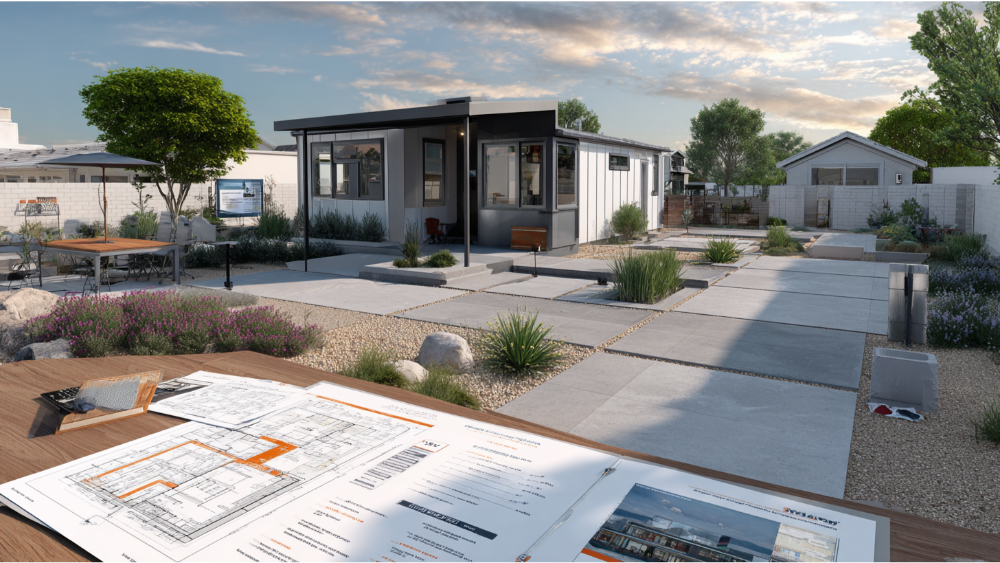 There are rare circumstances where an accessory dwelling unit can transition to something closer to a separate home, but these situations are exceptions rather than the rule. For example, Senate Bill 9 in California allows property owners in qualifying areas to split a lot, potentially creating two separate parcels. In theory, a detached ADU could become part of a separate property through an urban lot split. However, this process is complex, subject to local zoning rules, and not widely used.
Similarly, condominium conversion or formal subdivision of a property can sometimes separate an ADU from the main house for sale, but this is a costly, time‑intensive, and highly regulated process. These kinds of transformations require local agency approval and cannot happen without meeting stringent requirements.
No. An ADU cannot be sold separately from the main house unless the property undergoes a formal and rare subdivision process that meets local zoning rules.
In many cases, ADUs are assigned unique unit numbers or address suffixes, but they still share the same parcel as the main house under local agency and municipal definitions.
Yes, most local zoning laws allow accessory dwelling units to be rented like rental units, providing passive income potential. Some cities also allow vacation rentals where local ordinance permits.
Yes, because the addition expands property value. The property taxes may increase due to the added livable space, but the parcel remains one property under a single tax bill.
Local regulations vary, but many ADUs can have separate utility connections to make rental property management easier, even though they remain part of the same property.
In evaluating the question, is an ADU considered a separate house, it is important to separate the practical experience of living in an ADU from its legal and zoning classification. Accessory dwelling units provide valuable, independent living space that can feel like a separate house to the people living in them, especially when the design includes private entrance, kitchen, and bathroom facilities with thoughtful layout and finishes.
However, accessory dwelling units are legally defined as secondary housing units that exist on the same lot as the primary dwelling and are accessory to the main dwelling. They share the same parcel and property tax bill, are tied to local zoning laws and building codes, and do not have separate legal titles. Property owners still own a single property with two living spaces rather than two separate houses.
Understanding this fundamental difference helps homeowners make better decisions about financing, construction costs, rental strategies, and long‑term planning for their properties. Whether you are in San Diego, San Francisco, or another California city, local zoning laws and local regulations shape how accessory dwelling units are built and used, but the underlying concept remains the same.