
How Long Does ADU Permitting Typically Take in California?
12 Jan
- Golden State ADUs
- Comment 0
How Long Does ADU Permitting Typically Take in California?
Homeowners across California are increasingly interested in adding an accessory dwelling unit to their property. Whether the goal is rental income, housing family members, or creating a private guest house, one of the first and most important questions is how long does ADU permitting typically take. In 2025, the answer is clearer than it has ever been, but timelines still vary depending on city, property conditions, and how well the permitting process is managed.
This guide explains the full timeline, from initial planning through approval, and what homeowners should realistically expect when starting ADU projects in California. It also explains why working with experienced ADU builders, knowledgeable designers, and a clear plan can make a major difference.
Why Permitting Timelines Matter for the ADU Building Process
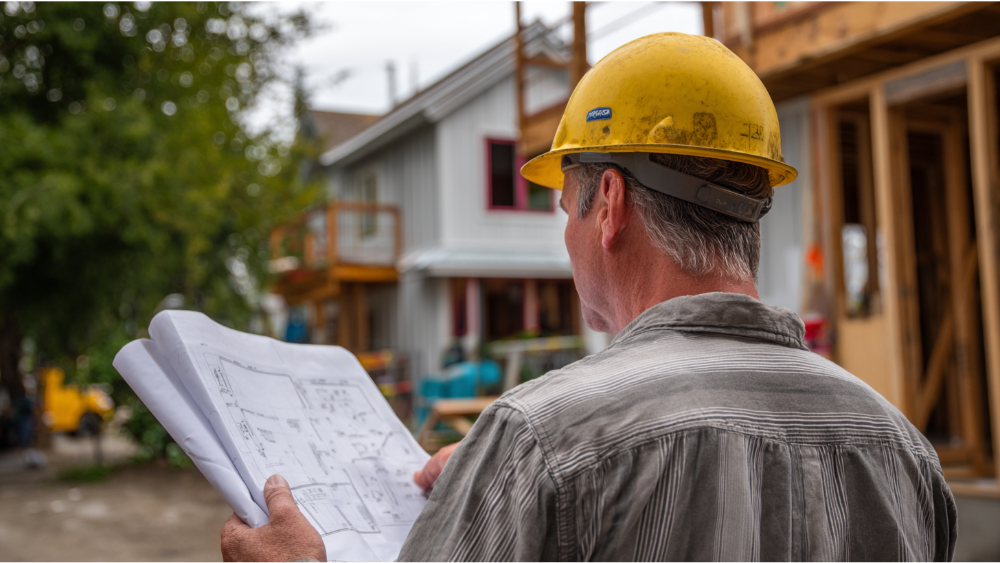 The permitting process affects every part of an ADU build. Before any construction can begin, homeowners must secure the necessary permits from the city. These permits ensure the accessory dwelling unit meets zoning regulations, building codes, safety requirements, and state law.
When homeowners do not understand how long does it take, delays often follow. City delays can push back financing, material ordering, and the construction timeline. In some cases, poor planning can cause projects to stall entirely. This is why understanding the entire process is essential before starting an ADU build.
Permitting timelines also influence how smoothly the ADU building process unfolds. A well managed permitting process helps avoid interfering with daily life in the main house and reduces stress during construction.
What California Law Says About ADU Permit Timelines in 2025
State law has significantly improved ADU approval timelines. Under California ADU legislation, cities are required to review a complete ADU application within 60 days. This rule applies to most accessory dwelling unit ADU projects and is designed to streamline ADU development across the state.
The key word is complete. The city review process only begins once all required documents are submitted correctly. If plans are missing information or violate zoning restrictions, the city can pause the review and request corrections.
In many cases, if a city fails to act within the required timeframe, the project may be deemed approved. While this does not happen often, it demonstrates how strongly state law supports ADU development.
Exceptions That Can Extend the Review Process
Some properties require additional review processes. Homes located in a coastal zone, properties with historic designations, or lots affected by environmental constraints may legally require additional permits. Homeowners associations may also impose HOA’s requirements that require extra review, even though they cannot legally prevent ADUs in most situations.
Projects in the Bay Area, San Diego, or other dense urban areas may face longer review process timelines due to volume and staffing. Different geographic locations across California can experience very different approval speeds.
Real World ADU Permitting Timelines in California
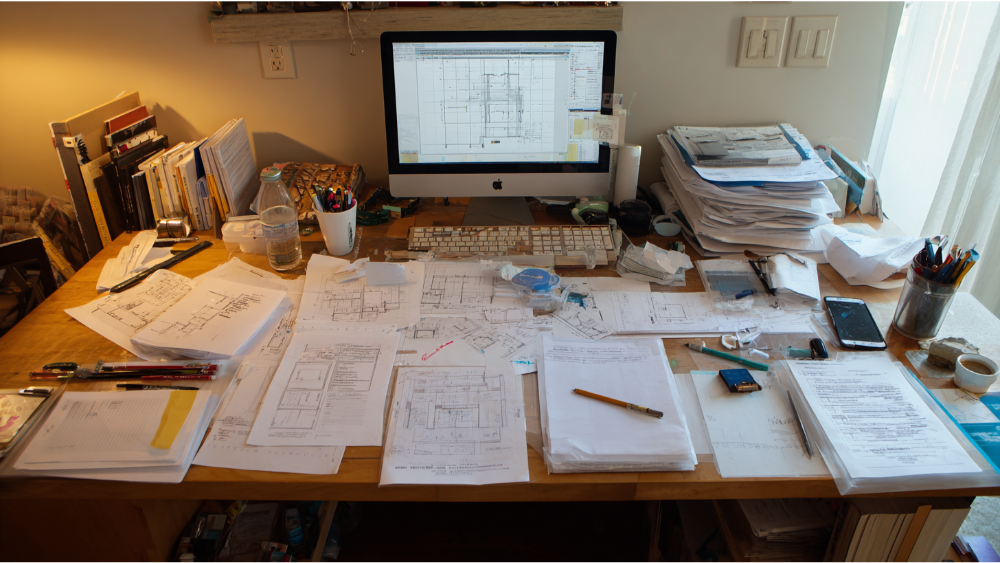 So how long does it take in practice. While state law sets a standard timeline, real world conditions vary.
For straightforward projects using pre approved ADU plans, permitting can take as little as 30 to 60 days. These projects benefit from standardized architectural plans that already meet city requirements.
For most custom ADU plans, homeowners should expect the permitting process to take between two and four months. In busier cities, or when multiple permits are required, timelines can stretch to four to six months.
In rare cases involving topographical challenges, zoning regulations conflicts, or existing infrastructure upgrades, approval may take longer. Understanding this standard timeline helps homeowners set realistic expectations.
Factors That Influence How Long ADU Permits Take
Completeness and Quality of the Application
The single biggest factor affecting approval is the quality of the ADU application. Incomplete submissions cause delays, additional review processes, and repeated correction cycles. Required documents typically include site plans, construction plans, architectural plans, energy calculations, and structural details.
A complete application that meets zoning regulations and building codes moves through the review process faster and reduces city delays.
ADU Type and Design Approach
Detached ADUs, attached ADUs, and conversion ADUs each follow slightly different approval paths. A detached unit may require additional permits related to utilities and site prep. Attached ADUs must integrate with the main house and meet fire separation rules. Conversion ADUs often depend on the condition of existing infrastructure.
Using pre approved ADU designs can significantly shorten timelines. Custom designs offer flexibility in square footage and layout but usually take longer to approve.
Local City Workload and Review Capacity
Every city handles permits differently. Some cities are well staffed and efficient, while others experience ongoing backlogs. Both the city building department and planning department may review the project, depending on local process rules.
Projects in large cities like San Diego or high demand areas in the Bay Area often move slower than those in smaller jurisdictions. Geographic locations matter more than many homeowners realize.
External Reviews and Utility Coordination
Many ADU permits require coordination with utility companies. Utility upgrades for water, sewer, or electrical systems can add weeks to the timeline. Utility hookups, existing infrastructure capacity, and trenching requirements all influence approval speed.
Public works departments may also review driveway access, drainage, or sidewalk impacts. These additional permits must be approved before construction can begin.
How Golden State ADUs Helps Avoid Delays
 Successful ADU development depends on planning. Working with an experienced ADU builder means fewer surprises and faster approvals. Experienced teams understand how to streamline ADU development by preparing compliant plans, coordinating with the city, and managing the entire process.
Expert designers and ADU designers anticipate zoning restrictions, topographical challenges, and utility upgrades before plans are submitted. Knowledgeable designers also help homeowners create a clear vision that aligns with both city rules and long term goals.
This proactive approach reduces delays, minimizes revision cycles, and keeps projects moving forward.
How to Speed Up Your ADU Permit Approval in 2025
Homeowners can take several steps to reduce approval time. Start with a complete plan that includes all required documents. Choose an experienced ADU builder familiar with local zoning regulations and state law. Consider pre approved ADU plans when possible.
Respond quickly to city comments during the review process. Delays often occur when homeowners take weeks to address corrections. Early coordination with utility companies and early planning for utility upgrades can also save time.
Avoid sourcing materials or finalizing construction scheduling until permits are approved, but plan ahead for material availability and material lead times to prevent construction delays later.
Common Permitting Pitfalls to Avoid
 Many delays are preventable. Submitting incomplete ADU plans, misunderstanding zoning restrictions, or ignoring HOA’s requirements can slow progress. Some homeowners attempt to manage the permitting process themselves and underestimate the complexity of multiple permits and additional permits.
City delays are often caused by missing information, poor site prep documentation, or unclear architectural plans. Avoid these issues by preparing thoroughly before submitting the ADU application.
Timeline Example From Planning to Final Inspection
A typical ADU build follows a predictable sequence. First comes feasibility review and planning. Next is design development, followed by plan preparation and permit submission. The city then conducts its review process and issues corrections if needed. Once approved, construction begins.
Construction includes site prep, foundation work, framing, utility hookups, and interior finishes. After construction is complete, the project goes through final inspection. Only after passing final inspection can the accessory dwelling unit be legally occupied.
From start to finish, the entire process often takes 12 to 18 months, with permitting representing a significant portion of the early timeline.
Frequently Asked Questions About ADU Permitting
How long does ADU permitting typically take in Sacramento and nearby cities
In many Northern California cities, approval takes between eight and twelve weeks for a complete application. Projects that require additional review processes may take longer.
What causes the biggest permitting delays
The most common causes are incomplete required documents, zoning conflicts, utility upgrades, and city backlogs.
Are ADUs automatically approved after 60 days
State law allows projects to be deemed approved in certain cases, but this only applies when the application is complete and the city fails to act.
Do homeowners associations affect ADU approval
HOAs cannot legally prevent ADUs in most cases, but HOA’s requirements can still affect design and timeline.
Does ADU size affect approval time
Square footage can influence review complexity, but design quality and compliance matter more than size alone.
Plan Smarter and Build Faster With the Right Strategy
Understanding how long does it take to get ADU permits approved helps homeowners plan with confidence. While California has made major progress in streamlining ADU development, timelines still depend on preparation, location, and expertise.
With a clear plan, complete documentation, and experienced professionals guiding the process, ADU permitting can move efficiently. The right approach reduces delays, protects budgets, and keeps the project on track from approval through construction and final inspection.
For homeowners ready to move forward, smart planning is the key to a successful ADU build in California.