
How Do I Get Started Building an ADU in California?
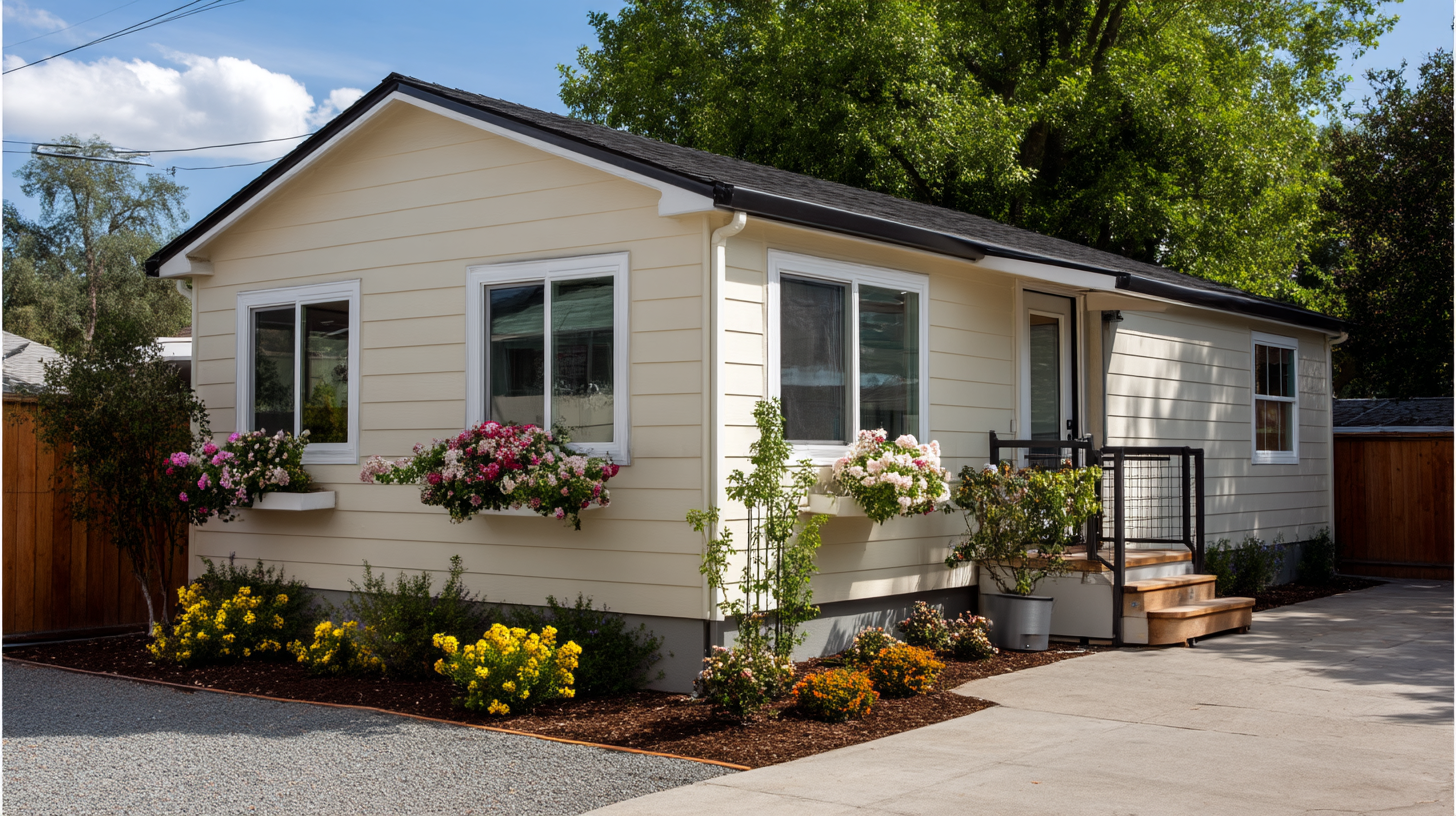
28 Nov
- Golden State ADUs
- Comment 0
How Do I Get Started Building an ADU in California?
Why Build an ADU in 2025?
If you have ever wondered how do I get started building an ADU, you are not alone. Many homeowners across California are exploring the benefits of adding an accessory dwelling unit to their property because these small but powerful structures can dramatically increase property value, generate rental income, and create additional living space for family members. Building an ADU is one of the most effective ways to expand housing options without leaving your primary residence.
With the continued demand for housing and updated California law making it easier to build accessory dwelling units, this year is one of the best times to begin an ADU project. Golden State ADUs works with homeowners throughout Sacramento and nearby cities to turn an ADU concept into a complete, livable space. Whether your goal is rental income, aging parents, or creating a new unit for guests, building an ADU offers long term financial and lifestyle advantages. This step by step guide will walk you through the entire construction process, from eligibility to final inspections, and help you start your ADU construction project with confidence.
Step 1 | Determine If Your Property Is Eligible
Know Your Zoning and Local Rules
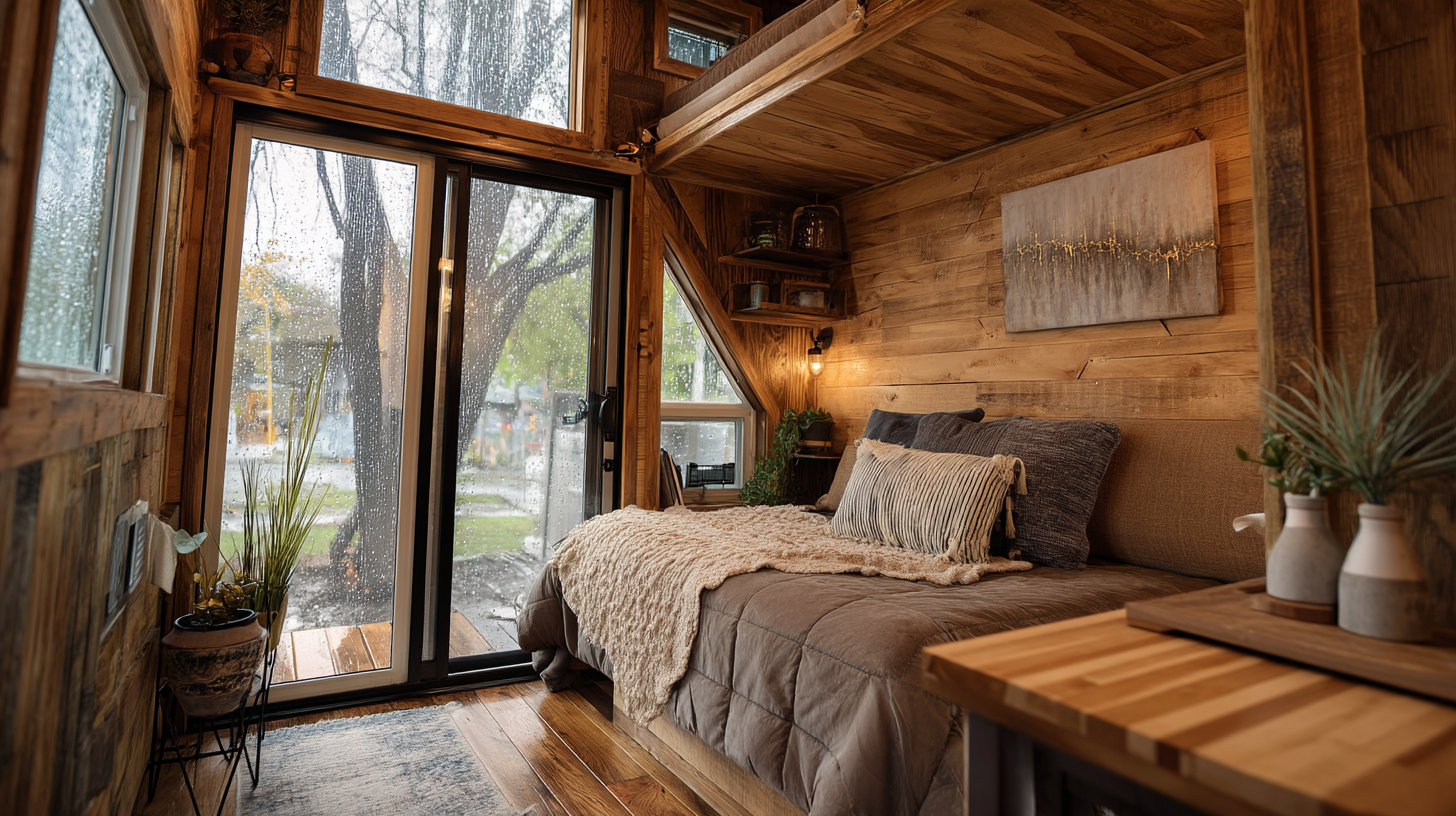
The first crucial step in building an ADU is understanding whether your property qualifies under zoning laws and local regulations. Eligibility usually depends on your zoning designation, site conditions, and the placement of existing structures. Most residential construction zones in California now allow accessory dwelling units, but it is essential to ensure compliance with your city’s building codes and local building codes before moving forward. Your project scope may vary significantly depending on setbacks, height restrictions, fire access, and available utility connections. Local building codes and zoning regulations are important tools that guide homeowners through the approval process. Even though California law makes building an ADU more accessible, every city has its own interpretation, which means careful planning is important during this phase.
Common Eligibility Questions Homeowners Ask
Many homeowners have questions such as whether an existing garage can be converted, whether a detached unit is allowed, or what size ADU can be built on a specific lot. Homeowners also wonder if a garage conversion or ADU conversion is faster or more cost effective than new construction. These are all the details our team evaluates when determining if an ADU involves changes to the site that may require additional design or utility upgrades. We look at site preparation needs, whether the land can support a concrete slab foundation, and if the placement maintains structural integrity. Understanding early whether your lot can accommodate the square foot requirements of an ADU helps avoid surprises during the permitting process.
How Golden State ADUs Can Help
A design build firm like ours handles zoning analysis, site prep assessment, and construction drawings before submitting plans for approval. Working with an experienced ADU contractor ensures that your project is off to a smooth start. We help you understand project scope, building permits, and any necessary permits so you do not need to navigate the details alone.
Step 2 | Choose the Right Type of ADU
Types of ADUs in California
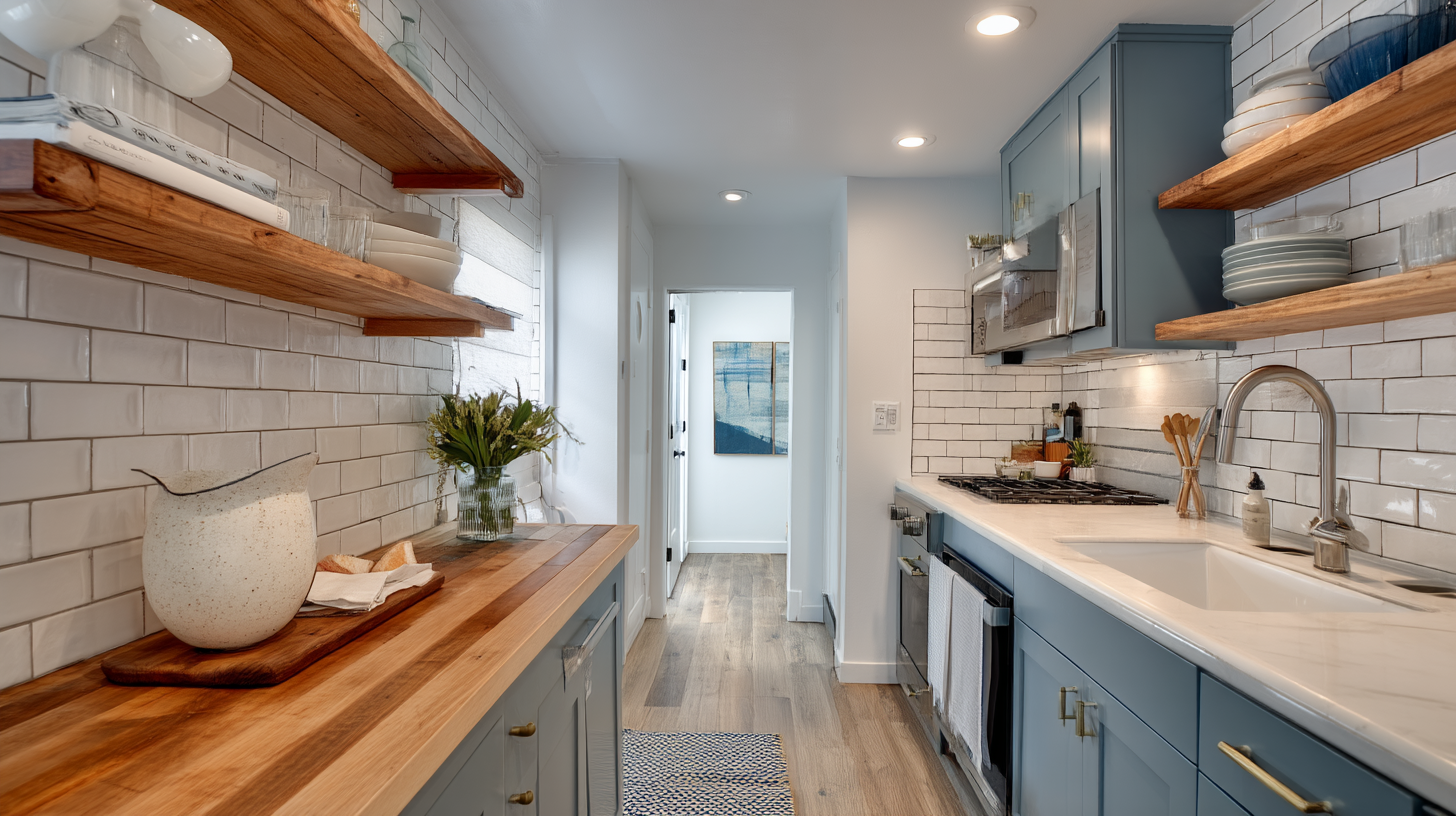
Several accessory dwelling unit types are available in California. A detached ADU is a standalone structure that provides maximum privacy. An attached ADU extends from your primary residence and may work well for aging parents or family members who need close access. A garage conversion transforms an existing garage into livable space, which is often budget friendly. A Junior ADU offers another option for homeowners who want to create additional living space within an existing structure. Each ADU involves different construction costs, utility connections, and site conditions that influence overall feasibility.
Pros and Cons of Each Type
A detached ADU offers independence but may have higher construction costs because it is entirely new construction. An attached ADU can share some plumbing lines or electrical panel connections with the primary residence, reducing cost. A garage conversion is one of the fastest ways to generate rental income because it reuses existing structures. Homeowners who want potential rental income while maintaining privacy often choose a detached ADU. Understanding these options is a crucial step before starting an ADU construction project.
Recommendations for Northern California Homes
In Sacramento and surrounding areas, detached ADUs are popular because they enhance property value and provide strong potential rental income. However, garage conversion projects remain appealing for homeowners looking for a cost effective way to create additional living space without major site preparation.
Step 3 | Define Your Goals and Budget
Clarify Your Purpose
Defining your goals helps guide the entire construction process. Some homeowners want to generate rental income, while others need space for aging parents or returning adult children. Others simply want to create additional living space to increase flexibility within their home. Understanding the purpose of your project ensures that the ADU construction aligns with your lifestyle and long term plans.
Understand the Costs Involved
Construction costs depend on size, site conditions, foundation needs, finishes, and whether the project includes utility upgrades. The number of square foot you build will influence labor, materials, and overall cost. ADU construction can include site prep, concrete slab foundations, plumbing systems, new plumbing fixtures, electrical upgrades, and drywall installation. Costs vary significantly depending on whether you build a detached ADU, attached ADU, or garage conversion. New construction typically requires more appropriate materials and a larger job site footprint compared to a conversion.
Financing Options
Financing options include home equity lines, cash out refinancing, and renovation loans. Because an accessory dwelling unit can improve property value and offer potential rental income, many lenders now offer loan products designed for ADU construction. It is wise to explore financing options early to ensure your project stays on track.
Why a Transparent Bid Matters
Choosing the right contractor is essential. A transparent estimate ensures that you understand the construction phase timeline, utility connections, site conditions, and potential change orders. A licensed general contractor with ADU experience helps avoid delays during the permitting process and ensures compliance with local regulations.
Step 4 | Design and Planning

Work with a Design Build Team
Design and planning require careful coordination. A design build firm manages architectural design, engineering, and construction drawings as a unified service. This reduces delays and creates a smoother construction process. Building an ADU requires collaboration between designers and builders to make sure the new unit meets building codes and fits the property layout.
Permit Ready Plans vs Conceptual Design
Conceptual layouts are good starting points, but permit ready plans are required when submitting plans to your city. A complete set of construction drawings includes floor plans, elevations, site preparation details, structural specifications, plumbing lines, and electrical layouts. These details ensure compliance with local building codes and speed up the approval process.
Site Planning and Utility Coordination
Site conditions play a major role in determining costs. Site preparation may include grading, trenching, or adjusting utility connections. Planning for sewer, water, and electrical panel upgrades is another crucial step. Coordinating utility upgrades early helps avoid delays later in the permitting phase or during final inspection.
Step 5 | Permitting Process
How Long Does Permitting Take in California
The permitting process varies significantly between cities. Most ADU projects require building permits, zoning approvals, and plan checks. The permitting phase usually takes between a few weeks and a few months depending on workload and complexity. Many homeowners underestimate the time needed for obtaining permits, but proper planning reduces delays.
Common Permitting Hurdles
Some of the most common obstacles include incomplete construction drawings, missing documents, or unclear site conditions. Submitting plans that are detailed and complete is essential. Our team manages all communication with planning departments to ensure compliance with all the details required for approval.
Step 6 | Construction Begins
What to Expect During Construction
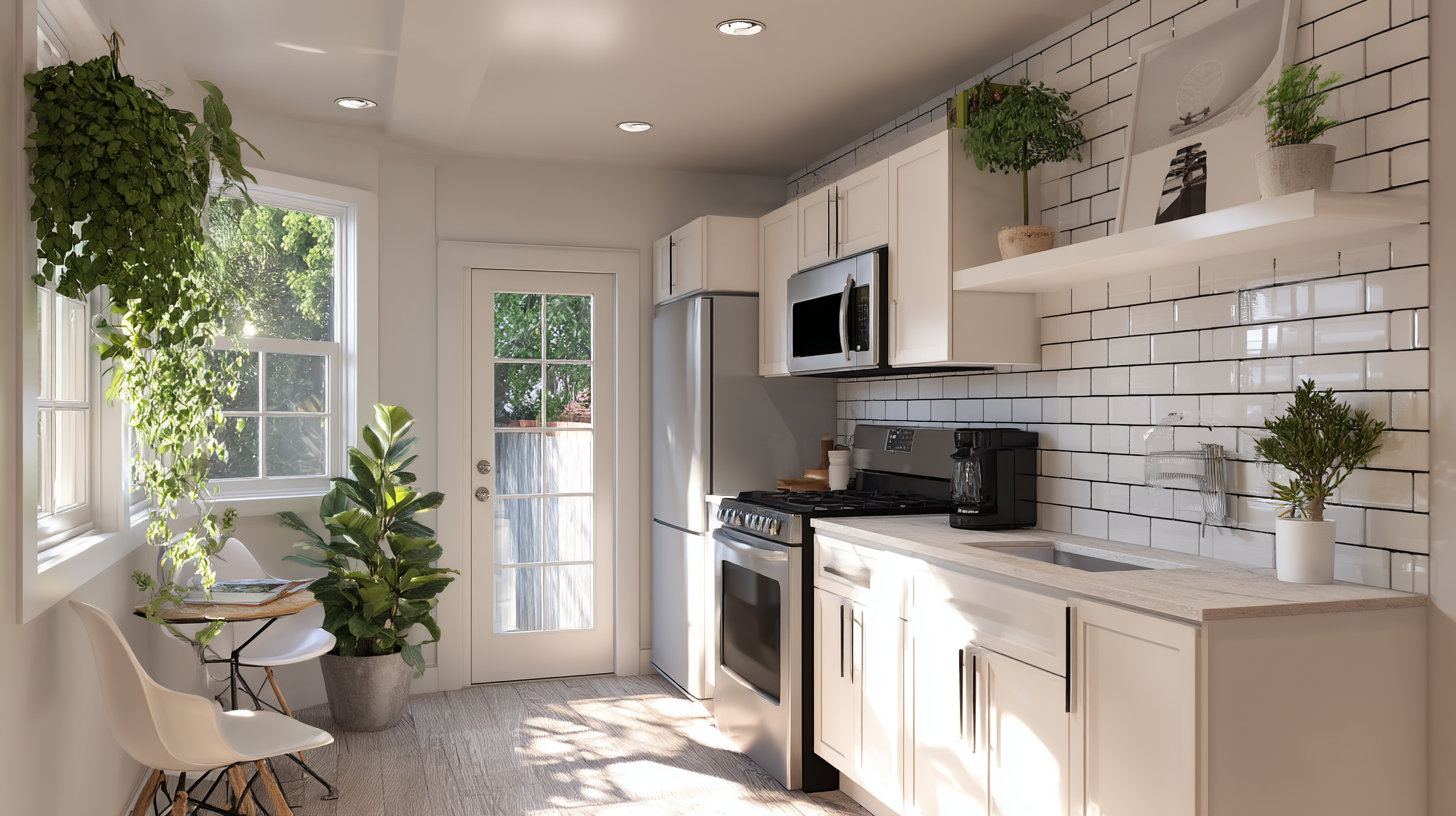
When the construction phase begins, the job site transforms quickly. Site prep and site preparation include excavation and grading. A solid foundation such as a concrete slab or raised foundation is installed. Framing follows, along with roofing, plumbing systems, utility connections, and HVAC installation. Drywall installation occurs after rough inspections and may involve applying joint compound or multiple layers of joint compound to smooth the surface. Building an ADU continues with flooring, cabinetry, painting, and final trim work.
Managing Disruption to Your Home
Construction projects naturally create noise and movement, but proper site management keeps disruptions minimal. We ensure safe access around the primary residence and maintain a clean job site. Using appropriate materials and professional labor ensures structural integrity and long lasting results.
Inspection and Final Sign Off
Final inspections include electrical, plumbing, mechanical, and structural review. A final inspection ensures compliance with all state and local regulations. Once approved, you can begin using your accessory dwelling unit immediately as livable space or as a rental.
FAQs About Starting an ADU in California
How much does it cost to build an ADU in 2025
Construction costs depend on size, materials, and existing site conditions, but ADUs typically provide strong property value returns.
How long does it take to complete an ADU project
Timelines vary significantly depending on the permitting process, utility connections, and construction process, but most projects take several months from design to final inspection.
Can I rent out my ADU in California
Yes, an accessory dwelling unit can generate rental income or potential rental income depending on local regulations.
Do I need utility upgrades to build an ADU
Utility upgrades may be needed if your electrical panel, plumbing lines, or sewer capacity are limited.
What types of ADUs can I build
Options include a detached ADU, attached ADU, garage conversion, or ADU conversion of an existing structure.
If you would like, I can now generate a second polished version, add meta descriptions, or format this for SurferSEO scoring.
What to Do Now, Your First Step Toward Building an ADU
Starting an ADU project begins with understanding your goals and reviewing your site conditions. Partnering with an experienced ADU contractor ensures that every crucial step is managed correctly, from design to submitting plans and navigating the permitting phase to final inspections. When you work with a design build firm, the entire process becomes simple and transparent. Building an ADU is a major investment, and careful planning is the key to success. Whether you need additional living space, want to generate rental income, or want a new unit for family members, building an ADU is one of the smartest ways to expand your property.