
Senate Bill 79: What California Homeowners Need to Know
14 Nov
- Golden State ADUs
- Comment 0
Senate Bill 79: What California Homeowners Need to Know
California continues to face a significant housing shortage, particularly in its growing urban centers. In response, state legislators have passed several new laws aimed at boosting residential development near transit. One of the most ambitious among them is Senate Bill 79, signed into law in 2025. This legislation directly addresses the need for more housing development in areas served by public transportation, including light rail and bus rapid transit, by requiring local governments to allow higher densities and building heights in designated transit oriented development zones.
Senate Bill 79 is not just another adjustment to planning and zoning law. It represents a fundamental shift in how the state views local control, land use, and housing policy. For California homeowners, especially those living near major transit stops, this legislation has the potential to reshape their neighborhoods and increase the value and utility of their properties. Understanding the scope and impact of SB 79 is critical for anyone considering a housing development project, including those thinking about adding an accessory dwelling unit or exploring multifamily housing options.
What Is Senate Bill 79?
Senate Bill 79, also known as SB 79, is a comprehensive housing bill aimed at facilitating residential development in areas served by public transportation. Authored by Senator Scott Wiener, the bill is part of a larger state-mandated local program designed to reduce housing costs, meet the existing and projected need for housing, and align development patterns with climate goals.
SB 79 amends existing law and includes statutory provisions that establish procedures to override restrictive local zoning in specific areas. These areas are known as transit oriented development zones, typically located within one half mile of major transit stops, including light rail, commuter rail, and bus rapid transit corridors.
The legislation supports the creation of transit oriented housing developments by requiring local agencies to allow certain densities and building heights near transit systems. This means that local zoning codes must be updated to be zoning code consistent with the new minimum zoning requirements, or the state’s standards will apply by default. Local governments must also ensure that any disapproval of qualifying projects is based on written findings supported by substantial evidence, reinforcing accountability and transparency in the approval process. This legislation is part of the broader effort to fulfill regional housing needs identified through the final regional housing allocation cycle and align with the objective general plan of each jurisdiction.
Where Senate Bill 79 Applies
SB 79 applies only in counties classified as urban, where there are at least sixteen rail or high-frequency bus rapid transit stations. These counties include San Francisco, Sacramento, Los Angeles, San Diego, Alameda, Contra Costa, Santa Clara, and San Mateo.
In each of these areas, local governments are required to identify transit oriented development stops and allow increased density within a specific radius. The primary zones affected include:
- Areas within one half mile of a Tier 1 transit stop, which includes heavy rail and very frequent commuter rail
- Areas within one quarter mile of a Tier 2 transit stop, including light rail or eligible bus rapid transit routes
Transit agencies and local governments must coordinate to identify qualifying stations and apply the appropriate development standards. If a local agency does not adopt its own compliant plan, the state law’s default zoning rules take effect, ensuring consistent physical development across regions.
Key Provisions of SB 79
Increased Density and Building Heights
One of the core objectives of SB 79 is to establish minimum zoning requirements near transit stops to encourage housing development. These standards preempt local zoning ordinances that may be more restrictive. In Tier 1 zones, projects can reach up to 95 feet in height and achieve residential floor area ratios as high as 8 to 1. Tier 2 zones allow for slightly lower building heights but still represent a significant upzoning from what many local governments currently allow.
Increased density is expected to accelerate the development of housing projects in areas where infrastructure already exists, reducing traffic congestion by promoting transit use. Local governments must adjust their planning and zoning law frameworks accordingly or face state-imposed zoning law changes.
Eligibility Criteria for Projects

To qualify for development under SB 79’s enhanced zoning provisions, a housing development project must meet the following conditions:
- Include at least five residential units
- Achieve a minimum density of thirty dwelling units per acre
- Maintain an average unit size of no more than 1,750 square feet
- Provide affordable housing, including either 7 percent extremely low income, 10 percent very low income, or 13 percent low income units
- Be located within an approved transit oriented development zone
Additionally, the development proposed pursuant to SB 79 must comply with specified labor standards, use skilled and trained workers, and follow all applicable California Environmental Quality Act exemptions for streamlined review.
Importantly, SB 79 restricts developments on sites that include housing subject to rent or price controls, protecting existing affordable housing stock from demolition or conversion without tenant protections.
Local TOD Alternative Plan
Local governments are given an option to adopt a local TOD alternative plan, but it must meet certain conditions. The alternative plan must:
- Establish minimum zoning requirements equal to or greater than those required under SB 79
- Cover at least the same amount of district owned real property or privately held land owned within the transit zone, including transit agency owned land
- Not conflict with the housing element of the local general plan
A local agency adopts an alternative plan through a formal ordinance indicating that the plan meets or exceeds state standards. If the local agency fails to act, the state law automatically applies. This provision ensures maximum community protection while still advancing state housing goals.
Limits and Exemptions
SB 79 contains several protections for sensitive areas and existing communities. Development is not permitted in very high fire severity zones, locations vulnerable to sea level rise, or areas with historic designations unless specifically allowed under local law.
It also prohibits the conversion of land owned by transit agencies into commercial development that does not include housing. Furthermore, the law does not apply to proposed developments that would include hotels or non-residential uses inconsistent with transit oriented housing development objectives.
What Senate Bill 79 Means for Homeowners
While SB 79 primarily targets larger multi family housing projects, it has implications for individual homeowners as well. For those located near major transit stops, the law can lead to increased property value due to enhanced zoning allowances and rising demand for housing near transit.
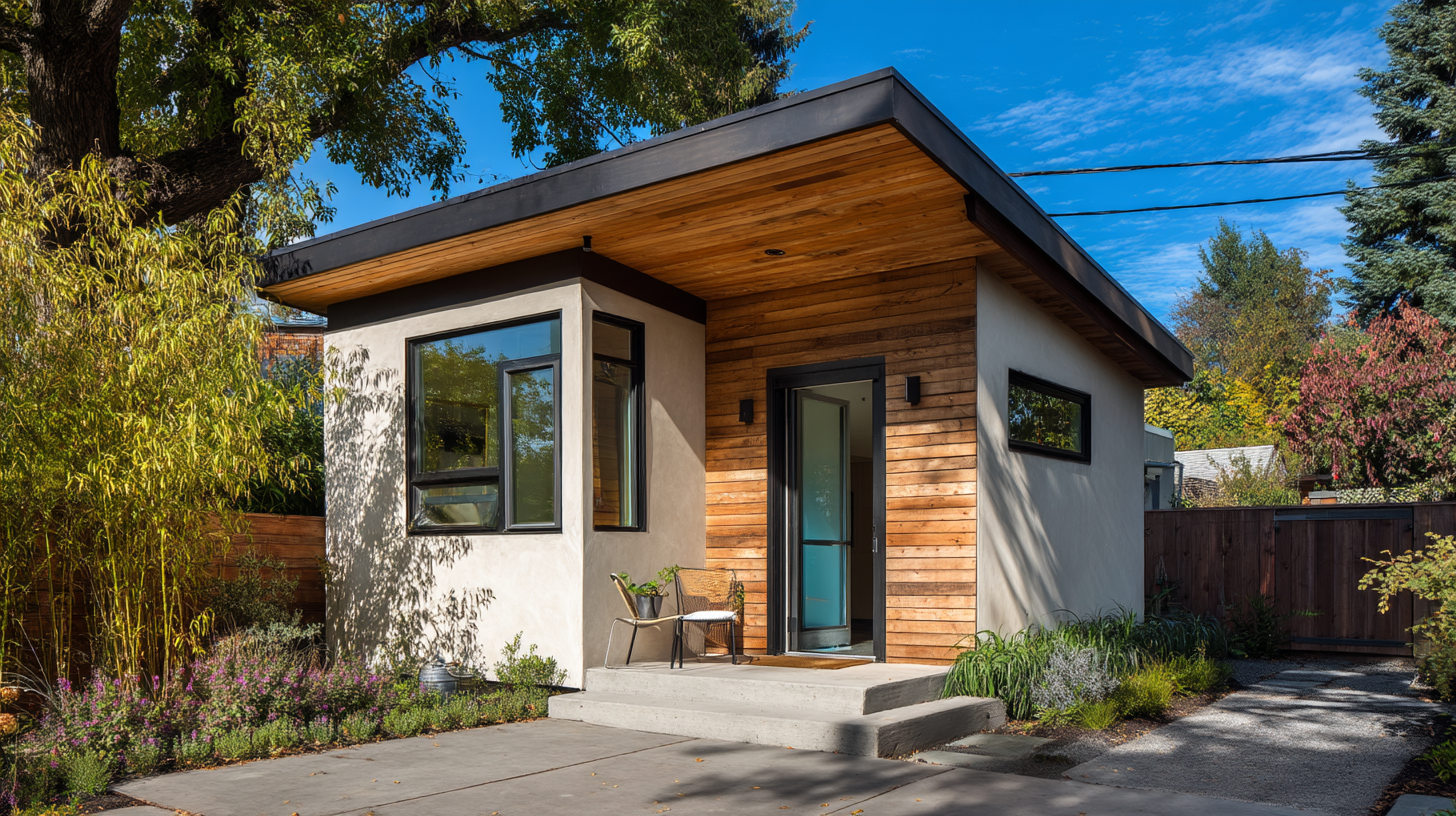
Homeowners considering an accessory dwelling unit should be aware that their property might now be located within a transit oriented development zone. While SB 79 does not change the rules for ADUs directly, it contributes to a statewide shift that encourages more flexible use of residential land.
In some cases, a homeowner may also consider a small housing development project, especially if their lot is large or underutilized. These infill developments can benefit from the streamlined permitting and by-right approvals offered under SB 79, as long as the proposed development is consistent with the applicable zoning code and government code provisions.
Market Impact
The long-term impact of SB 79 on local housing markets is expected to be significant. By reducing restrictions in areas close to transit, the law promotes community development, increases projected housing capacity, and provides opportunities for more affordable housing options. This is particularly important in areas like San Francisco and Sacramento, where housing costs continue to climb, and the existing housing element consists of outdated zoning practices.
As new housing projects move forward, homeowners near these developments may see increased rental demand, improved public infrastructure, and greater overall investment in their neighborhoods.
Implementation and Next Steps

SB 79 becomes effective in July 2026, giving local governments time to adopt a compliant local TOD alternative plan. During this period, local agencies must work with transit agencies and regional planning bodies, such as the metropolitan planning organization, to align their housing element with the new law.
Cities that do not act by the deadline will see SB 79’s default zoning standards automatically take effect. This ministerial approval pursuant to state law will apply to any housing development transit oriented near a qualifying station. Local officials and housing organizations are encouraged to participate in the planning process to ensure local needs are addressed while meeting state mandates.
For property owners, this transitional period presents an opportunity to evaluate how their lot fits into the broader regional housing plan and the allocation of financial resources for community development. Whether planning a new ADU, a duplex, or a more substantial housing development, understanding the new rules and preparing early will be key.
Frequently Asked Questions
What is Senate Bill 79?
Senate Bill 79 is a California housing law passed in 2025 that requires local governments to allow increased residential density and height near public transit stations. It aims to boost affordable housing supply and streamline the approval of housing development projects in designated zones.
Does SB 79 allow ADUs?
SB 79 does not directly regulate accessory dwelling units, but it reflects a broader trend of loosening land use restrictions in favor of housing production. Homeowners near transit may find their property more valuable or more easily permitted for infill projects, including ADUs.
When does SB 79 take effect?
The law takes effect in July 2026 for incorporated cities. Local agencies must adopt a local TOD alternative plan or follow the state’s zoning standards.
How can I find out if my property is in a TOD zone?
Property owners should contact their local planning department or check local GIS maps to determine whether they fall within a designated transit oriented development zone. This is typically within one half mile of a major transit stop.
What types of developments qualify under SB 79?
Qualifying housing development projects must include at least five units, meet minimum density and affordability standards, and be located within a designated TOD zone. Projects must also comply with labor and environmental requirements and be deemed consistent with applicable planning documents.
Conclusion
Senate Bill 79 represents one of the most significant zoning law reforms in recent California history. It reflects the state’s commitment to addressing its housing shortage by prioritizing residential development near public transportation. The law redefines the roles of local governments, local agencies, and transit agencies in shaping housing policy and allows the state to step in when local zoning fails to meet state objectives.
For California homeowners, SB 79 signals a future of greater flexibility and opportunity. Whether you are looking to build a new ADU, explore a small housing development, or simply understand how new laws may affect your neighborhood, staying informed about SB 79 and the broader regional housing context is essential.
As the state continues to implement the Housing Accountability Act and other housing laws, residents can expect additional efforts to streamline development, reduce housing costs, and align land use with climate and transportation goals. Senate Bill 79 is not just a law about buildings—it is a blueprint for the future of community development in California.