

In Partnership With
Are ADUs Legal Everywhere? A Homeowner’s Guide
01 Dec
- Golden State ADUs
- Comment 0
Are ADUs Legal Everywhere? A Homeowner’s Guide
Are ADUs Legal Everywhere? A Homeowner’s Guide
Accessory dwelling units are changing how homeowners think about housing wealth and extra living space, and many people ask: are ADUs legal everywhere? ADU construction is a major trend in response to the ongoing housing shortage and rising costs of traditional homes. As cities seek more housing options in established neighborhoods, affordable housing options like attached ADU, detached ADU, garage conversion ADUs, and junior accessory dwelling units are becoming mainstream ways to increase living space and rental income without changing neighborhood character.
Affordable Housing and the Rise of ADUs
Understanding ADU development and whether municipalities will allow you to build ADUs on your property is essential before you invest in adu plans, adu permits, and new construction. While state rules and state law increasingly support ADU construction, the reality of whether are ADUs legal everywhere depends on where you live and the local jurisdictions that regulate residential zoning districts. This guide explores that reality, what factors matter most, and why California remains one of the most favorable states for ADU development in 2025.
What Are ADUs and Why Are They in Demand?
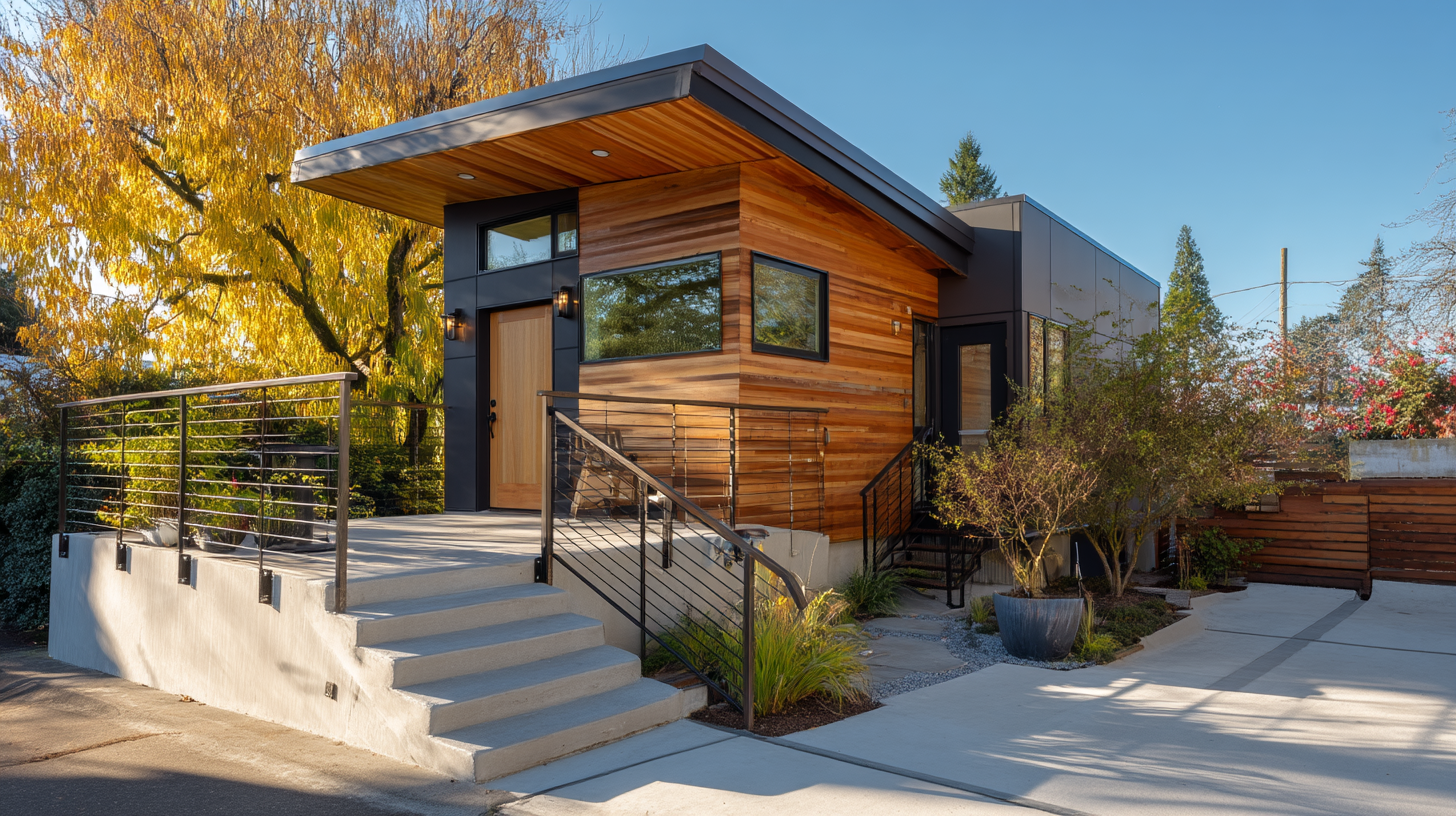
Accessory dwelling units are second living units on the same lot as a primary residence or primary dwelling. ADUs can vary widely in form and size. They may be a detached ADU behind your main home, an attached ADU built onto the side or above a garage, an above garage ADU, or even an existing space that becomes a junior accessory dwelling unit or a full ADU. Some ADUs include a full kitchen, bathroom, separate entrance, and living area, and others may be smaller multi bedroom ADU designs. Regardless of type, accessory dwelling units create affordable housing options for homeowners and renters alike.
The rising demand for ADUs is driven by several factors. Many homeowners want more space for aging parents, family members, or grown children who return home. Others are drawn to ADU development as a source of rental income in a market where traditional housing inventory is limited. For homeowners in places with strained housing markets like San Jose, San Diego, and San Francisco, the chance to build ADUs adds valuable flexibility. ADUs also support multigenerational living and local efforts to expand housing supply without sprawling new developments. As a result, ADU construction has become a significant answer to both household needs and the larger regional housing shortage.
Understanding what ADU means for your property and whether they are permitted where you live starts with the question: are ADUs legal everywhere? That question has a complex answer rooted in federal, state, and local regulations.
Are ADUs Legal in All 50 States?
In short, accessory dwelling units are not automatically legal everywhere you might want to build them. While many states have adopted policies to encourage ADU development, state law varies, and in most states local governments have the power to regulate whether you can build ADUs. Some states require cities to permit ADUs, but others leave it largely to local jurisdictions and their zoning regulations. This means that even inside the same state, two different cities may treat ADUs very differently.
States That Have Legalized ADUs Statewide
In 2025, a growing number of states have taken steps to ensure that ADUs are allowed as part of their housing strategies. Approximately eighteen states have adopted laws that broadly permit ADUs or limit how cities can restrict them. These laws often require cities to allow ADUs in residential zoning districts, clarify the rights of property owners to build them, and reduce barriers like excessive fees or discretionary reviews. However, the existence of a statewide ADU policy does not mean that accessory dwelling units are entirely free from regulations, nor does it mean that building an ADU is the same from place to place.
Some states have embraced ADU construction as part of their housing policy and have state law that generally permits ADUs. In these states, cities are generally required to allow ADUs in most residential zoning districts unless there is a compelling reason not to. In practice, this means that homeowners have greater clarity and consistency about their ability to build ADUs. States where ADUs are broadly legal include California, Oregon, Washington, and a handful of others. These states have made clear that cities must permit ADUs and have standardized certain aspects of the process.
In states with ADU-friendly laws, local governments can still apply objective standards for maximum square footage, floor area, setback requirements, and other safety or design considerations. However, they cannot outright ban ADUs or impose arbitrary rules that undermine the state’s intent. This creates a more predictable environment for homeowners who invest in adu plans, building permit applications, and construction costs.
California continues to be recognized as one of the most permissive states for ADUs, updating its rules multiple times to ensure that local governments cooperate in permitting and approving ADU projects. The California Housing Finance Agency plays a key role in giving homeowners financial support, including grants that cover non-recurring closing costs associated with ADU construction. This makes California one of the most stable places in the country for ADU development, especially in coastal zones where housing demand is high.
States With Partial or Local-Only ADU Legalization
In many states, the rules for ADU construction are not defined at the state level, leaving the matter up to local governments. In these states, accessory dwelling units are legal only where cities or counties adopt supportive policies. Some municipalities allow ADUs by right, meaning they must be approved if they meet objective requirements. Other jurisdictions may require conditional use permits or extensive reviews that make building ADUs more expensive or time consuming.
In these states, even when ADUs are technically allowed, homeowners often face significant hurdles. Local governments may apply expansive impact fees, strict parking requirements, or design standards that limit ADU placement. Some regions require property owners to live in the home or meet other ownership requirements before permitting ADUs. In these situations, whether accessory dwelling units are feasible depends heavily on your specific property location and how your city chooses to interpret zoning regulations.
States Where ADUs Are Rare or Difficult to Permit
There are still states in which ADUs remain uncommon or difficult to build because local governments have not adopted policies that encourage them. In parts of the Midwest and Southeast, for example, ADU policies may be outdated or nonexistent. Local jurisdictions may treat accessory dwelling units as a conditional use or prohibit them entirely in single family dwelling neighborhoods. This means homeowners who want to invest in ADU construction must navigate a patchwork of rules and approvals that can be uncertain and restrictive.
In these areas, homeowners considering ADU development should consult local planning departments early to determine whether accessory dwelling units are allowed on their lot, what adu requirements apply, and how their property’s residential zoning districts classification affects eligibility.
How Local Zoning Still Affects ADU Legality
Even in states that support ADU development at the state level, you still have to comply with your city’s own requirements. This is because each city or county sets its own development standards, which can impact where you can place an ADU, how large it can be, and how the construction process works.
For example, setback requirements specify how far an accessory dwelling unit must be from the property lines. Floor area restrictions limit how much of your lot can be covered by structures. Many cities have specific parking requirements for ADUs, though some have reduced these rules near public transit lines. Local governments also define maximum square footage for ADUs based on property size and the size of the primary residence.
Cities like San Diego and San Jose have developed detailed ADU-related standards that reflect their unique housing needs and planning goals. In some areas, city officials have reduced fees or streamlined reviews to encourage ADU development. In others, local regulations remain more conservative.
It is important for homeowners to research both state law and local zoning rules before pursuing a project. A local planner or experienced ADU consultant can help you interpret your city’s requirements, understand how single family homes and multi family dwellings are treated differently, and develop a path forward.
Case Study: ADU Legalization in California
California continues to lead the nation in ADU policy, making it one of the most favorable states to build accessory dwelling units. California has passed numerous laws intended to simplify and expand ADU rights. The state requires cities to allow ADUs in most single family dwelling and multi-family zones, limits the ability of local governments to impose excessive fees, and creates clear timelines for building permit approvals.
In California, the law also allows for more than one ADU on certain properties, expands garage conversions as ADU options, and clarifies how junior accessory dwelling units fit into the regulatory framework. Cities may still regulate design, safety, and environmental concerns, especially in coastal zones, but they cannot undo the state’s direction that ADUs are part of the solution to the housing shortage.
Because of this environment, California homeowners have a clearer path to ADU construction. Whether you are in San Diego, San Jose, or other regions, you will benefit from predictable rules for applying for adu permits, submitting adu plans, and coordinating with the local planning department.
Key Legal Factors That Affect Whether You Can Build an ADU
Even when ADUs are permitted, several important legal factors still determine whether your project is feasible:
- Zoning classification is one of the first questions planners ask. Accessory dwelling units are traditionally allowed in residential zoning districts, but the specifics can differ. A property in a zone that is not classified for residential use may require a variance or special permit.
- Lot size and floor area restrictions can limit the size of an ADU, including how much square feet of living space you can build. Some cities tie maximum ADU square footage to a percentage of the main house or total property area. In other areas, setback requirements and property line considerations may restrict where you can place a detached ADU or an above garage ADU.
- Building codes and safety regulations influence how ADUs are built. Fire safety, structural code compliance, and utility connections must all meet local standards. Cities may also have impact fees or require proof of compliance with disability access or energy efficiency standards.
- Parking requirements are another consideration. While some cities have relaxed parking rules near transit, others still require additional off-street parking for ADUs. This can affect your property design and construction costs.
Understanding these elements before investing in new ADU construction helps you plan adu development effectively.
What If ADUs Aren’t Legal in Your Area?
If your local government does not currently allow accessory dwelling units, there are still ways to explore opportunities. Working with city officials, you may be able to propose zoning changes or exceptions that would permit ADUs. In many communities, planning departments are actively reviewing policies to ease adu regulations and address housing demand. Engaging with this process early is a practical approach.
Alternatively, converting existing space within a home into a livable unit, or pursuing garage conversions may be easier in areas with restrictive zoning. These options can provide additional living space without requiring the same approvals as a detached apartment structure.
Investing time in understanding your local zoning regulations and connecting with planners can reveal creative paths forward.
Why California Homeowners Have a Head Start
For homeowners interested in accessory dwelling unit development, California offers one of the most supportive legal landscapes in 2025. The state’s policies have helped reduce barriers to ADU construction, leading to more predictable outcomes for those ready to build. With many cities now aligned with state goals for more housing, homeowners have real opportunities to explore ADU options on their property.
California homeowners can choose from a variety of ADU types, including attached ADUs, detached ADUs, junior accessory dwelling units, garage conversion ADUs, and above garage ADUs. Because local regulations must align with state ADU law, many jurisdictions provide clear checklists, fee schedules, and permitting processes that reduce uncertainty.
Choosing an experienced ADU partner ensures that building permits, adu requirements, and construction timelines are all managed with precision.
How Golden State ADUs Can Help
Golden State ADUs specializes in helping homeowners navigate the complexities of accessory dwelling unit development in California. From the earliest feasibility review to final adu construction, our team supports every step of your project. We understand how to interpret state law, local regulations, and how to work with city officials and planning departments to secure the right approvals.
Our services include:
- Onsite evaluation of your property and zoning status
- Customized adu plans tailored to your goals and budget
- Management of building permit applications and reviews
- Full project management through adu construction
With experience in single family residences, multifamily properties, and complex site conditions, we pride ourselves on delivering smart solutions that increase property value and provide meaningful rental income or extra living space.
FAQs About ADU Legality
Do I need a permit to build an ADU in California?
Yes, even in California, you must obtain a building permit before beginning ADU construction. Permits ensure your accessory dwelling unit meets safety and zoning standards.
Are ADUs allowed in HOA communities?
In many cases, yes, but it depends on the HOA’s rules. State policies often override some HOA restrictions, but reviewing your HOA covenants is essential.
Can I build an ADU on a rental property?
Yes, many property owners build ADUs for rental income without living in the ADU themselves.
How do I check if an ADU is legal in my city?
Contact your local planning department to review local regulations and zoning requirements. Professional help can make this process smoother.
Are there limits on the number of ADUs per lot?
Yes, many cities have a maximum number of ADUs allowed per lot, but some allow more than one ADU under certain conditions.
Conclusion
So, are ADUs legal everywhere? The simple answer is not yet. However, with growing recognition of the need for more housing and affordable housing options, more states and cities are permitting ADU construction, and California stands out as one of the most ADU-friendly states in the country.
Accessory dwelling units provide real value to homeowners by creating extra living space, expanding rental opportunities, and addressing part of the housing shortage. If you are ready to explore ADU options for your property, working with experienced professionals ensures a clear path from concept through construction.
Let our team help you turn your property into opportunity with an ADU that meets your goals and complies with local regulations. Contact us today to begin your ADU journey.