
Can ADUs Be Rented Out Long Term in California? Everything Homeowners Need to Know
26 Dec
- Golden State ADUs
- Comment 0
Can ADUs Be Rented Out Long Term in California? Everything Homeowners Need to Know
Can ADUs Be Rented Out Long Term in California? Everything Homeowners Need to Know
Can ADUs be rented out long term is one of the most common questions we hear from homeowners across California. With rising housing costs, a growing housing crisis, and increasing interest in flexible living spaces, many homeowners want to know if an accessory dwelling unit can legally generate steady rental income. The answer in 2025 is yes, but it is important to understand how state laws, local laws, and practical considerations all work together before renting out an ADU.
This complete guide is written for California homeowners, especially Sacramento homeowners, who want clarity, confidence, and accurate information before starting an ADU project or renting out an existing unit.
Can ADUs Be Rented Out Long Term in California?
Yes, ADUs can be rented out long term throughout California. Long term generally means a rental period of 30 days or more, which is treated differently than short term rentals or vacation rentals. When homeowners ask can ADUs be rented out long term, the answer is supported by state laws that actively encourage homeowners to add accessory dwelling units as permanent residence options.
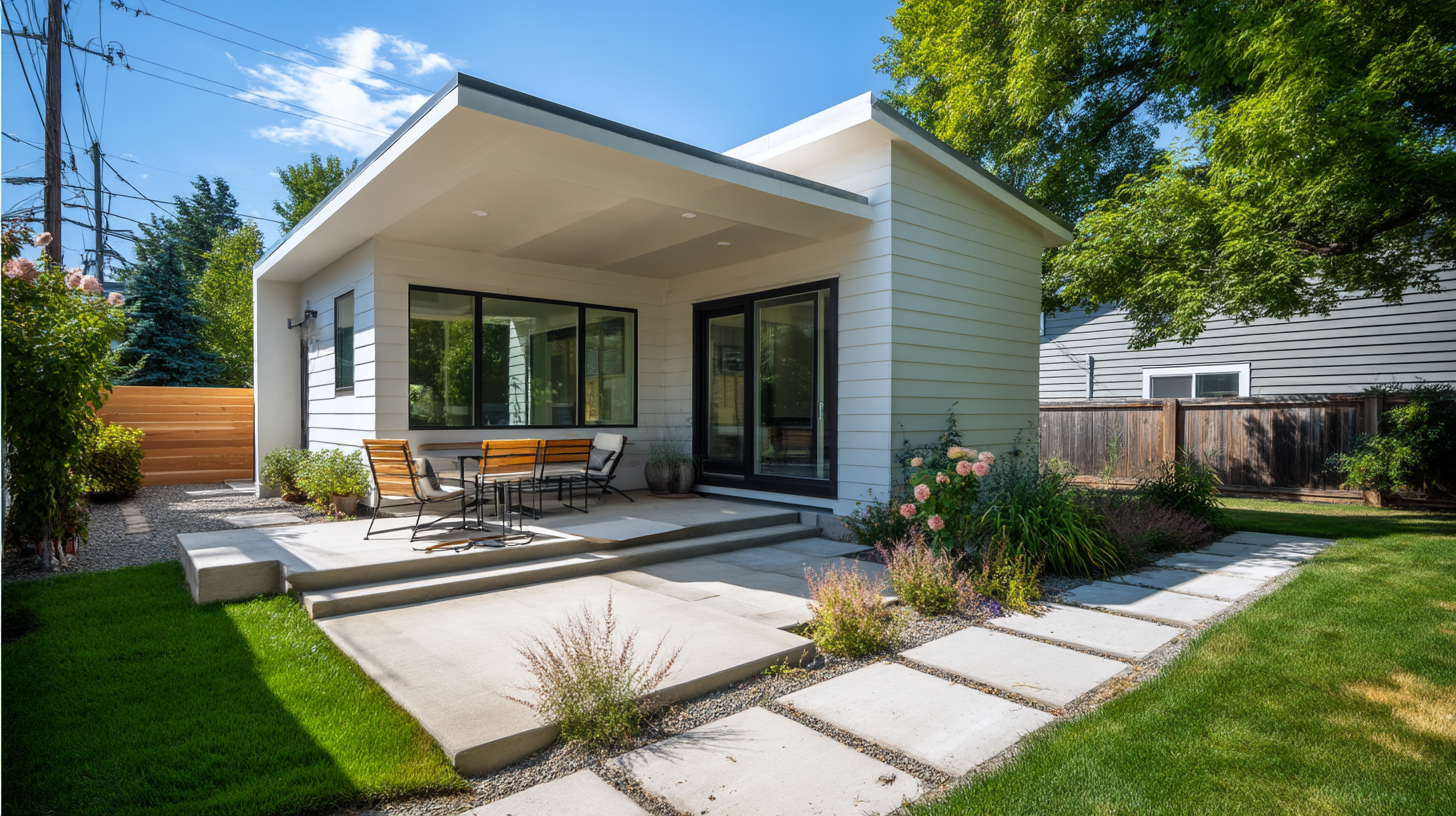
An ADU in California can be rented as a permanent residence, whether it is attached to the main home, built as one of the detached units in the backyard, or created through garage conversions. As long as the ADU complies with building codes, zoning codes, and the permitting process, long term rental use is allowed.
This policy supports affordable housing and expands the overall housing supply by allowing more rental properties within existing neighborhoods.
Update on Owner Occupancy Requirements
One of the most important changes impacting renting out an ADU is the removal of owner occupancy requirements. In 2025, homeowners are no longer required to live on site in either the primary residence or the accessory dwelling unit in order to rent it out long term.
Previously, owner occupancy requirements limited flexibility for property owners, especially those who wanted to move or convert their property into income producing rental properties. With this change, homeowners can rent out both the primary dwelling and the ADU if they choose.
This update applies statewide and overrides many older local ordinances. While local government and local agencies still control certain aspects of development, outright bans on long term ADU rentals are not allowed.
Long Term Rentals vs Short Term Rentals
Understanding the difference between long term rentals and short term rentals is critical when renting out an ADU. Long term rentals involve a rental agreement of 30 days or more. Short term rentals typically involve stays under 30 days and are often associated with vacation rentals.
Many cities regulate or prohibit short term rentals in ADUs. Some cities allow them with restrictions, while others impose outright bans. Local ordinances often focus on limiting vacation rentals to preserve housing supply and neighborhood stability.
Long term rental use is treated differently. State laws prevent many cities from banning long term ADU rentals outright. This makes long term rental the safest and most stable option for homeowners seeking consistent income.
Local Laws and City Rules Still Matter
Even though state laws provide broad protections, local laws and local ordinances still play a role. Cities may regulate design considerations, setback and height restrictions, parking requirements, and the approval process.
Local government agencies can also enforce rules related to fire safety, separate entrances, property line setbacks, and building codes. These rules affect how an ADU is built, not whether it can be rented long term.
In many cities, including Sacramento and even high cost markets like San Jose, local agencies are required to approve ADUs that meet objective standards. Fee waivers and streamlined approval processes are often offered to encourage homeowners to build.
How Renting Out an ADU Works in Practice
Renting out an ADU long term follows a similar process to renting any other residential unit. Homeowners must create a clear rental agreement, screen tenants, and understand maintenance responsibilities.
A strong rental agreement outlines rent, lease length, utilities, maintenance expectations, and rules for the unit. Because ADUs are separate living spaces, many homeowners include details about shared utilities, private outdoor spaces, and access paths.
When renting out an ADU, homeowners must also comply with standard landlord tenant laws. This applies whether the ADU is part of a single family home or a stand alone ADU.
ADUs as Income Producing Rental Properties
One of the biggest motivations for renting out an ADU is rental income. Across California, ADUs generate steady income that can help offset mortgages, reduce financial burden, and increase long term financial stability.
In high demand areas, rental income from an ADU can significantly improve cash flow. Sacramento homeowners often see strong demand due to job growth, healthcare expansion, and the presence of traveling professionals.
An ADU can also increase overall property value. Buyers increasingly view properties with permitted ADUs as flexible assets that offer income potential and multigenerational living options.
Rental Income Potential in Northern California
Rental income varies by location, size, and features. In Sacramento and surrounding cities, ADU rent commonly ranges from moderate to high depending on amenities.
Features like in unit laundry, durable flooring, clean lines, and modern finishes can command higher rent. Separate entrances, private outdoor spaces, and thoughtful design considerations also improve tenant appeal.
Many homeowners design their ADU project specifically for long term rental success, focusing on layouts that feel like complete homes rather than temporary spaces.
Common Myths About Renting Out an ADU
Many homeowners hesitate due to outdated or incorrect information.
- One common myth is that you must live on site. This is no longer true due to changes in owner occupancy requirements.
- Another myth is that cities can ban all ADU rentals. While local ordinances may restrict short term rentals, they cannot impose outright bans on long term rental use.
- Some believe ADUs are only for family members or elderly parents, often called granny flats. In reality, ADUs are open to the broader rental market and support affordable housing goals.
Pros and Cons of Long Term ADU Rentals
Long term ADU rentals offer many benefits. They provide consistent income, lower turnover compared to vacation rentals, and predictable occupancy.
There are also responsibilities. Homeowners must manage maintenance responsibilities, respond to repairs, and comply with landlord laws. However, many homeowners find these obligations manageable, especially compared to the volatility of short term rentals.
Overall, long term rental use aligns with state goals to stabilize neighborhoods while increasing housing supply.
ADU Design Choices That Support Long Term Rental
Design plays a major role in rental success. Detached units often provide better privacy for both tenants and homeowners. Garage conversions can be cost effective but require careful planning.
Features like in unit laundry, durable flooring, fire safety compliance, and efficient layouts are essential. Clean lines and modern finishes attract long term tenants who view the unit as a permanent residence.
Building codes ensure safety and habitability, and a well planned construction process helps avoid delays and added costs.
Permitting Process and ADU Development
The permitting process for an ADU in California is more streamlined than ever. Cities are required to approve compliant applications within set timeframes.
During ADU development, homeowners must meet zoning codes, setback and height restrictions, and utility connection standards. Working with professionals familiar with local agencies helps ensure the ADU complies with all requirements.
Some redevelopment agency programs and local government initiatives offer incentives or fee waivers to support
Frequently Asked Questions (FAQs)
Can I rent out both my primary residence and ADU at the same time?
Yes, in California, including Sacramento, homeowners can rent out both their primary residence and accessory dwelling unit simultaneously. The removal of owner occupancy requirements in 2025 allows for this increased flexibility.
Are there restrictions on short-term rentals for ADUs in California?
Short-term rental regulations vary by city and county. Many municipalities limit short-term rentals to stays of 30 days or longer or may ban vacation rentals in ADUs altogether. It is important to check local ordinances before listing an ADU as a short-term rental.
What are the key design features that make an ADU appealing for long-term renters?
Features such as in-unit laundry, private outdoor spaces, separate entrances, durable flooring, and a full kitchen significantly enhance an ADU’s rental appeal. Thoughtful layouts with clean lines and modern finishes also attract long-term tenants.
How long does the permitting process for an ADU typically take in California?
State laws require that local agencies approve or deny ADU permit applications within 60 days of a complete submission. However, timelines can vary depending on the specific location and complexity of the project.
Do I need a rental agreement when leasing out my ADU?
Yes, a clear rental agreement is essential. It should outline rent amounts, lease duration, maintenance responsibilities, utilities, and rules for the unit to protect both landlord and tenant rights.
Final Takeaway
Renting out an ADU long term in California presents an excellent opportunity for homeowners to generate steady rental income while contributing to the state’s affordable housing supply. Thanks to recent legislative changes, such as the removal of owner occupancy requirements, the process has become more flexible and accessible. By understanding local laws, investing in smart design choices, and navigating the permitting process carefully, homeowners can maximize the benefits of their accessory dwelling units as valuable, income-producing assets.