
Key Takeaway
Smart home ADU designs integrate power, connectivity, privacy, and interoperability into the building plans before construction begins, not after walls are closed. Prioritize life safety and climate control first, then damage prevention, then convenience features. A new build lets you plan wiring, sensor zones, and control locations cleanly so you pay once instead of opening walls twice.
The smartest Accessory Dwelling Unit (ADU) designs plan power, connectivity, privacy, and interoperability before construction, not after the walls are closed. Get the order right: life safety, climate control, leak detection, lighting, and secure access first, then add convenience features that keep working when the technology does not. If you’re a California homeowner weighing an ADU and worried about cost surprises or buying smart devices that go obsolete in two years, that sequence is your protection. At Golden State ADUs, we design, engineer, permit, and build accessory dwelling units, so smart home decisions get planned into the project from the start instead of patched in later.
What Makes an ADU Actually “Smart”?
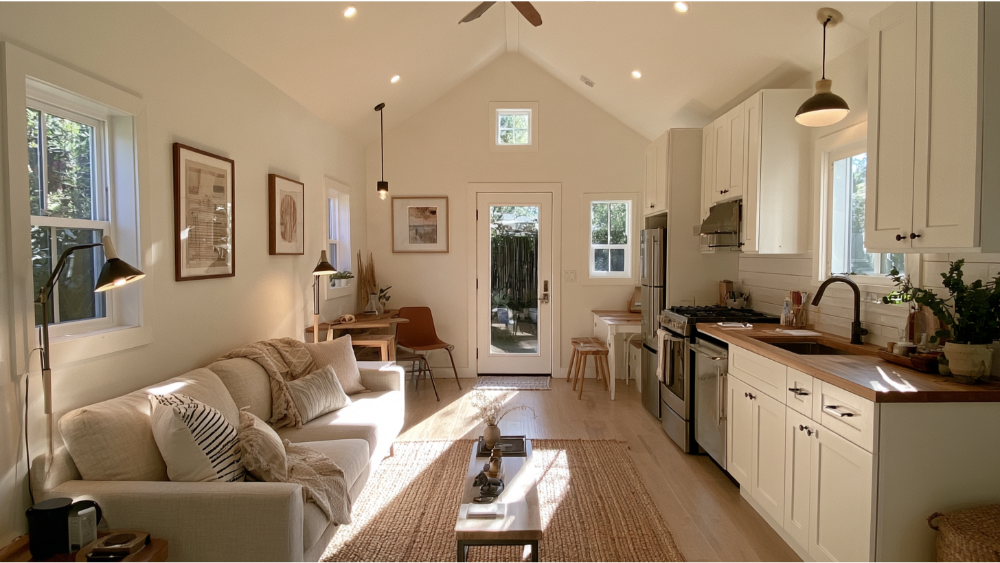
A smart ADU is an independent living space whose technology, utilities, privacy, and daily controls are designed into the building, not a pile of connected devices bought separately. The difference shows up in how the unit lives: controls are easy for the occupant to reach and use, rooms do more than one job, and the systems hold up without someone babysitting an app.
Keep the priorities in order. Safety comes first. Damage prevention second. Comfort and day-to-day management third. Novelty last. You can retrofit an existing unit with smart home technology, and plenty of homeowners do. But a new build lets you plan the wiring, sensor zones, and control locations cleanly, so you pay once instead of opening walls twice. That holds true whether you’re building a detached unit in the backyard, a small ADU studio, or a larger two-bedroom plan.
Start With Who Will Live in the ADU and the Flexible Living Arrangements It Supports
Access, privacy, automation, and account ownership all change depending on who occupies the unit. A long-term renter has different needs than an aging parent, and both differ from a guest. Decide the use case first, because it drives every technology choice that follows and shapes the flexible living arrangements the space can support over time.
| Use case | Access priority | Privacy need | Who controls settings |
|---|---|---|---|
| Long-term renter | Reusable, revocable codes | High | Resident |
| Aging parent / retirement ADU | Simple, reliable entry | Moderate | Resident, with family backup |
| Adult child or family member | Shared, trusted access | Moderate | Resident |
| Guest house / guest unit | Temporary codes | Lower | Owner |
| Home office or flexible space | Owner-managed | Lower | Owner |
This is where tailored design earns its keep. An ADU built for multigenerational living, where family members like a parent or adult child move in, calls for different controls than a rental property. We plan around the person who’ll actually live there, and that additional living space on the same property can serve very different roles over the years.
Design the Smart Home Infrastructure and ADU Floor Plans Before Construction
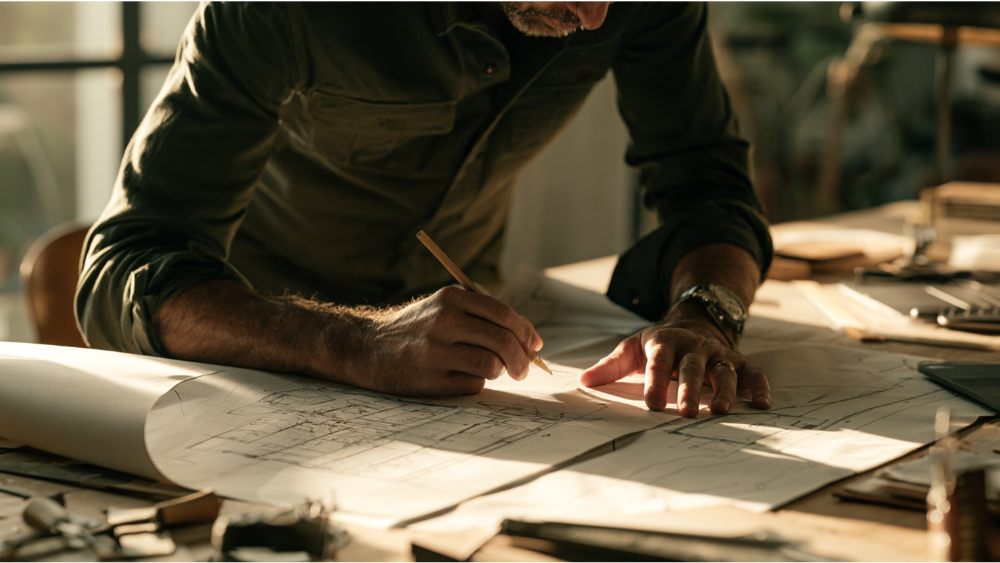
Here’s where most advice goes wrong: it starts with thermostats and speakers instead of the floor plans. The decisions that matter most happen while the walls are open. Structural and systems planning is what lets smart technology integrate cleanly in a new build, and it should be worked out alongside your ADU floor plans, not bolted on afterward. Open floor plans in particular benefit from early wiring and control decisions, since there are fewer walls to hide equipment later.
Work these into the architectural, electrical, mechanical, and low-voltage plans:
- Electrical-load and HVAC-control planning
- Router, access point, and hub locations
- Wired connections or conduit where it makes sense to run them
- Switch, outlet, sensor, and control placement
- Exterior connectivity at entries and an outdoor entertaining space
- Manual controls and backup access at every critical point
- Built in storage and a utility or technology cabinet for equipment
- Documentation of what was installed and where
We don’t prescribe universal cable or panel specs, because the right answer depends on your site, your unit size, and local code, which varies by jurisdiction. That’s exactly why one team planning the whole thing from concept to completion beats stitching together separate firms. Different layouts call for different wiring paths, so the plan follows the drawings.
Smart ADU Design Ideas and Design Options Worth Prioritizing
Organize choices by outcome, not by product category. Start with what protects people and property, then move to comfort. These ADU design ideas apply whether you’re building a modern ADU from scratch or shaping a modular ADU to fit a specific lot. A contemporary ADU can carry any architectural style you like while still keeping the technology sensible.
Life safety and emergency alerts
Code-compliant smoke and carbon-monoxide alarms come first. The U.S. Fire Administration recommends alarms in every bedroom, outside each sleeping area, and on every level, tested monthly and replaced at 10 years. App notifications are a useful second layer. They never replace a working, code-compliant alarm.
Energy efficient climate and energy management
A compatible smart thermostat or heat-pump control handles climate in a small space well, and modern units learn occupancy patterns. ENERGY STAR estimates certified smart thermostats save about 8%, roughly $50 a year, on heating and cooling, though results vary by climate and equipment. Compatibility has to be confirmed during mechanical design, since not every thermostat pairs with every mini-split or heat pump. Add occupancy scheduling, energy monitoring, and lighting controls to round out an energy efficient system that keeps running costs low. Pairing energy efficient appliances and energy star smart appliances with good envelope design improves energy efficiency across the whole unit, and solar panels can offset electricity use where the roof and budget allow.
Natural light and material choices
Large windows and sliding glass doors bring in natural light and connect a living area to the yard, while high ceilings make even a compact plan feel open. Sliding doors also ease movement between rooms. Specifying eco friendly materials supports energy efficiency and keeps the finish looking intentional rather than cheap.
Water and damage prevention
The average household loses nearly 10,000 gallons a year to leaks, per the EPA. Leak sensors near the water heater, sinks, washer, and dishwasher catch problems early, and flow monitoring with an automatic shutoff valve can stop a flood before it starts. Humidity alerts help in tight spaces. Check these systems at least once a year.
Access, security and comfort
Smart locks with individual codes simplify rental turnover and guest access, and modern entry cameras can distinguish people from passing cars. Round it out with door and window sensors, a backup physical key, motion sensors that trigger pathway and bathroom lighting in high traffic areas, and motorized shades where they solve a real heat-gain or privacy problem. Voice commands can tie many of these together for hands-free control.
Should the ADU Have Its Own Wi-Fi and Accounts?
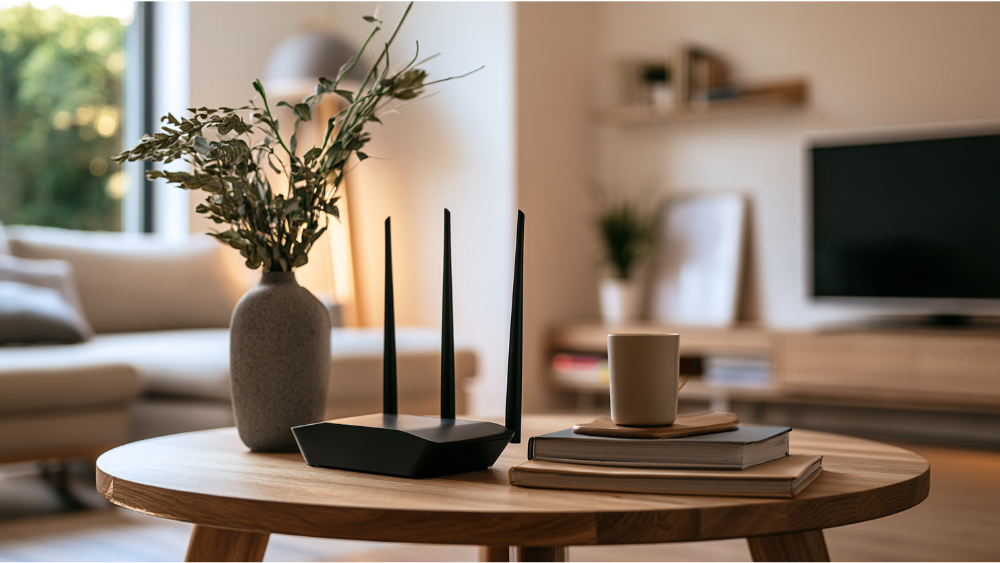
In most rental and multigenerational cases, yes. A separate network, or a dedicated guest network, keeps the two households from sharing every password and device by default. Think of it as a two-household plan: the owner holds administrator privileges over infrastructure, while the resident controls their own living space.
Sort out who owns each device account, where alerts route, and how passwords and accounts get handed off when a renter changes. Residents of the rental unit should keep reasonable control of the thermostat and lights in their own home. Clean account boundaries make that possible and make turnover far less painful.
Matter, Thread, and Interoperability: What Actually Matters
Matter is a standard that reduces platform lock-in and makes multi-ecosystem setup easier, so smart home technology from different brands can work together. Matter 1.6, released June 17, 2026, is the current published specification. What it doesn’t guarantee: certification, device category, platform support, hubs, and software versions all still affect whether a given feature actually works. Fewer apps and hubs generally make a future handoff cleaner. These specs change often, so verify support for your specific devices before buying.
Protecting Privacy in Rental and Multigenerational ADUs
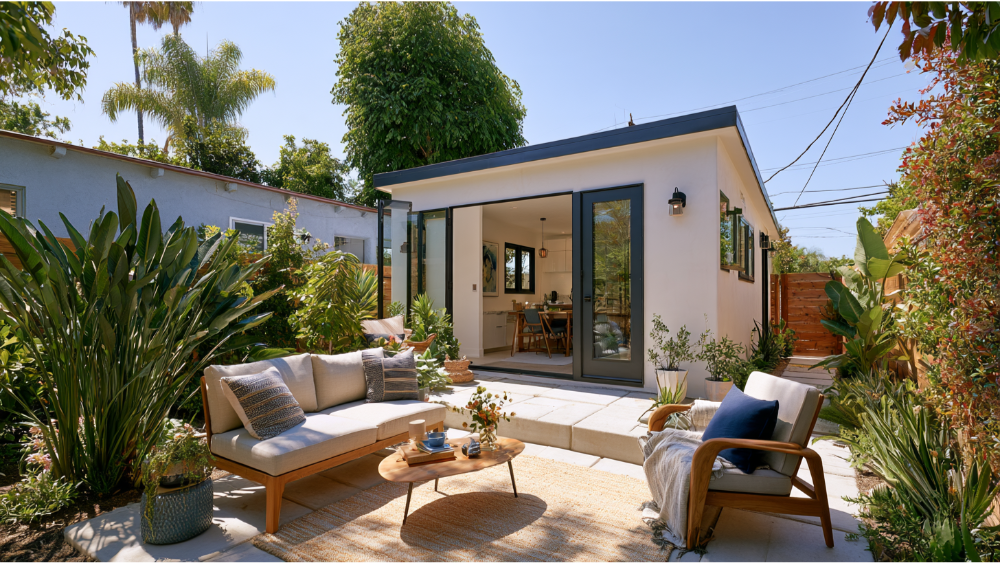
Privacy is more than where you point a camera. Cameras belong outside at entries, not inside a renter’s or relative’s living space. The same care applies to voice assistants and recordings, entry logs, occupancy data, and energy-use histories, all of which reveal more about daily life than people expect.
Disclose any monitored systems clearly, collect only the data you need, and confirm the rental and privacy requirements that apply in your area. Rules vary by jurisdiction, and we’re not offering legal advice here, so check locally before you install.
What Happens When the Internet or Power Goes Out?
Good design absorbs the failure instead of trapping the occupant. A smart ADU should fail well:
- Doors still open with a key or backup method
- Lights still work from ordinary wall switches
- HVAC keeps local controls
- Alarms keep operating as code requires
- Shutoff valves can be turned by hand
- Critical settings survive a router reset or account change
Plan the manual fallback for every system that matters, and an outage becomes an inconvenience rather than a lockout.
Smart Design for Retirement and Aging-in-Place ADUs
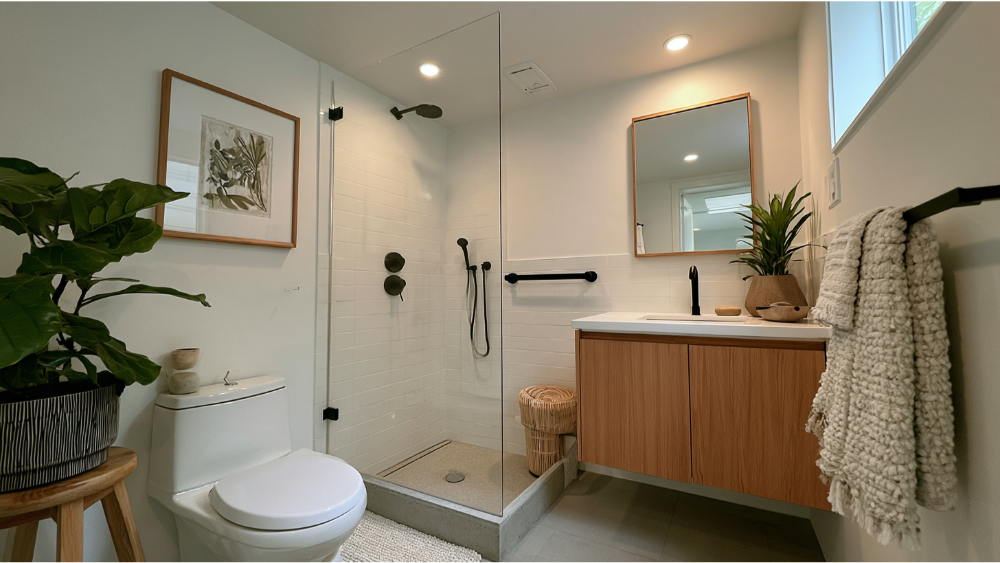
For a retirement ADU, technology should support independence and connection. Whether you call it an in law suite, a granny flat, or a backyard cottage, the same principles apply. The National Institute on Aging points to motion-activated lighting for halls and stairways and voice-controlled devices as a way to reach contacts or emergency services. Pair those with reachable physical controls, alerts that are visual, audible, and tactile, and a dependable way to call for help.
Smart features complement universal design, they don’t replace it. Step-free access, nonslip surfaces, good lighting, and grab-bar planning come first. And a private residential ADU shouldn’t be called “ADA-compliant” without reviewing how it will be used and which requirements apply.
Must-Have, Useful, or Optional? Scoping Your Smart ADU
Sorting features into tiers keeps the budget honest without forcing a fixed price.
- Must-have infrastructure: a connectivity plan, HVAC compatibility, conventional controls, life-safety planning, leak-sensor locations, and an account and privacy plan.
- Useful additions: a smart lock, smart thermostat, exterior entry camera, automated pathway lighting, and a water shutoff.
- Optional conveniences: motorized shades, connected appliances, voice assistants, and elaborate scenes or entertainment controls.
Energy efficient design can lower utility costs and support long-term value, and a well-planned open kitchen that makes efficient use of every square foot prevents wasted space. Still, smart features don’t guarantee property value, rent, or rental income. Every project estimate shifts with site conditions, materials, and finishes, which is why we price after we understand your plans, not before.
From Concept to Completion With One ADU Specialist
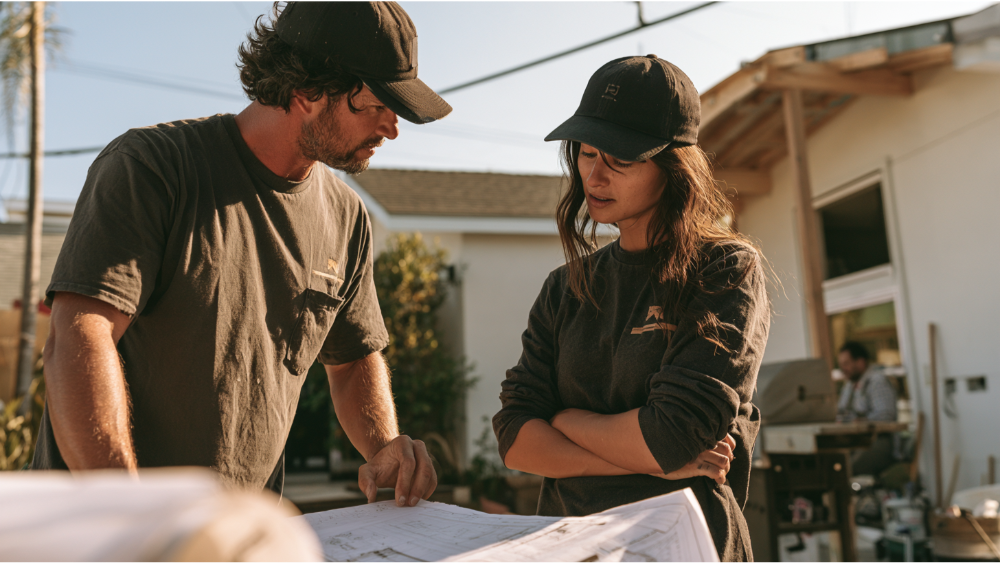
Smart home decisions belong in the same design-build process as your floor plans, engineering, permitting, and construction. When separate firms handle each piece, the technology plan is the first thing that slips through the cracks. Our in-house design and engineering arm, Golden State Design & Engineering, means one team coordinates it all, with no handoffs to drop the ball. From detached units and tiny homes to custom ADU designs in any style, including converted garages and prefab ADUs built off-site, we plan the technology into the drawings from day one. Many of these ADUs built in suburban neighborhoods sit a short walk from the main house, giving the main dwelling a true companion unit.
Every project starts with a 1-hour initial project walkthrough. You’ll leave with clarity on what’s possible on your property, which smart features fit how you’ll use the unit, and what belongs in the ADU plans before building begins. Explore your design options with a team that does this all day, and if you’re still exploring ideas, this is the place to start. Book A Consultation or call (916) 909-2387. We’re based in Sacramento and work with homeowners throughout California to create ADUs that add real housing and lasting value alongside the main home.
Frequently Asked Questions
What is the most cost-effective way to build an ADU?
Efficient floor plans and prefab construction can trim design time and installation, with some prefab units going up in roughly six to twelve weeks. A compact one bedroom concept often makes the most of a modest backyard. Costs still vary by site, materials, and finishes, so we provide estimates rather than a fixed price.
What is the difference between an ADU and a tiny home?
An ADU is a permitted dwelling on the same lot as a single-family home, with its own facilities for living, sleeping, cooking, and bathing, per Fannie Mae. Tiny homes are compact, efficiency-focused structures that aren’t always permitted as accessory dwelling units.
Can smart technology be added to an existing ADU?
Yes. Retrofits work well for many features, though a new build lets you plan wiring, sensors, and controls cleanly instead of opening walls later. If you’re just exploring ideas in a blog post or two, start with the infrastructure and let the gadgets follow.
What are the downsides of ADUs?
Upfront cost, permitting complexity, and ongoing maintenance are the honest trade-offs. We handle permitting from end to end and back every project with a 10-year structural integrity warranty and a 1-year fit-and-finish warranty.