
Key Takeaway
An ADU in Alta, CA is generally allowed on residentially zoned parcels, since Alta is an unincorporated Placer County community governed by county rules rather than a city permit process. Detached units up to 800 square feet follow the lightest review track, while larger ADUs face additional county standards. Mountain-site factors like snow load, septic capacity, slope, and wildfire design requirements must be resolved alongside zoning rules before any Alta ADU project moves forward.
Yes, an accessory dwelling unit (ADU) is generally possible on a residentially zoned property in Alta, as long as the lot has a qualifying existing or proposed home and the project meets current California and Placer County rules. Final feasibility is parcel-specific, which means your answer depends on your exact lot. Alta is an unincorporated community in Placer County, not a city, so there is no “City of Alta” permit process. Planning and permitting run through the county.
This guide is written for the Alta-area homeowner weighing whether their property can actually support an ADU before they spend money on full plans. We cover two layers of feasibility that most pages skip. The first is legal and zoning feasibility: what the law allows on paper. The second is mountain-site feasibility: whether your snow load, septic, access, and slope conditions make it buildable in the real world. Both have to line up before a shovel hits the ground.
Who Approves an ADU in Alta, CA? (Jurisdiction Basics)
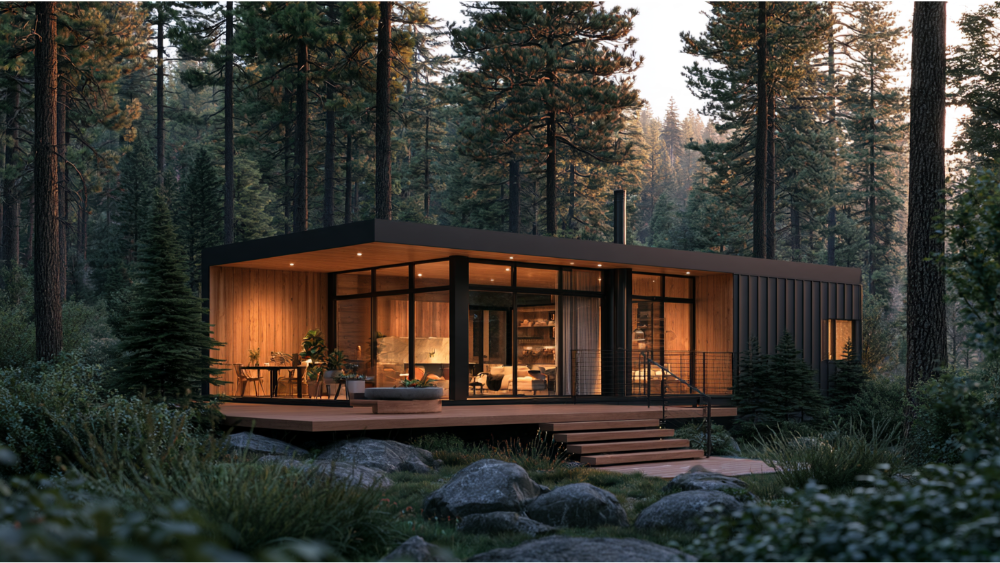
Because Alta is unincorporated, Placer County’s Community Development Resource Agency is the permitting authority for your parcel. There is no separate Alta building department to deal with. That single point of contact is actually good news, since you are working with one set of county standards rather than city and county overlap.
The rules come in two layers. California state ADU law, found in the California Government Code, sets the floor that every jurisdiction has to honor. Placer County then applies its own objective local standards on top of that floor. Those county standards cover setbacks, height, utilities, and mountain design criteria specific to the region. The same two-layer structure exists everywhere in the state, driven by statewide legislation, which is why the applicable regulations in San Luis Obispo County, San Diego County, or Los Angeles County will read differently in their local details even while sharing the same state baseline. Local regulations in San Mateo County, Santa Barbara County, and San Joaquin County follow the same pattern, which is why a parcel-level read always beats a generic web search.
One detail that calms a lot of nervous homeowners: ADU applications are reviewed ministerially. That means no public hearing and no discretionary design-review committee weighing in on whether your project “fits the neighborhood.” If your application meets the objective standards, the county approves it. A neighbor cannot veto your ADU. Permits are still required to build, and the application has to be complete and correct, but the process is meant to be predictable rather than political. Reading through state code and county standards, reconciling the two, and assembling a complete application is exactly the kind of work a full-service design-build team absorbs for you. The same holds true in Santa Clara County and Santa Cruz County, where a local zoning official applies state law through a county lens.
What Is an Accessory Dwelling Unit? Types You Can Build in Alta
An ADU is a self-contained independent living unit on the same lot as a primary home. California defines an accessory dwelling unit as a space with complete independent living facilities: its own kitchen, a bathroom, and a place to sleep. That independence is what separates an ADU from a converted bonus room or a she-shed. It is a real secondary dwelling unit, legally and functionally, built alongside an existing primary dwelling.
Here are the main types you can build on an Alta property.
Detached ADUs
A detached ADU is a standalone detached residential dwelling unit separate from your primary dwelling. On larger Alta lots with room in the yard, this is the most common choice. It offers the most privacy and the most flexibility in layout, which matters when you are planning a rental, a guest unit, or private workspace. Because a detached ADU is its own freestanding structure, it carries its own foundation, roof, and utility runs, and that is precisely why the mountain engineering in Alta weighs so heavily on this type.
Attached ADUs
An attached ADU shares at least one wall with your existing primary residence. This can be a smart use of a sloped lot where a fully separate footprint would require expensive grading.
Garage and Basement Conversions
Conversions reuse existing space. Turning a garage or a basement into a living unit can shorten the build and lower cost because the shell already exists. An addition carved out of an existing structure’s living area still has to meet all the independent-living and code requirements of any other ADU.
Junior ADUs (JADUs)
A junior accessory dwelling unit is a smaller unit, up to 500 square feet, created within the walls of the main house. It is a lighter-weight path that often works well for multigenerational living, and because a junior accessory dwelling unit sits inside the existing footprint, it usually avoids the septic and grading questions that a detached unit raises.
Golden State ADUs designs and builds detached and custom ADUs, studios, one-, two-, and three-bedroom configurations, ADUs with a garage, retirement ADUs, and tiny homes. On mountain lots, the right type is rarely obvious from a floor plan alone. It comes out of a tailored design that respects slope, snow, setbacks, and how you actually want to use the space.
The Two ADU Approval Paths in Placer County
Placer County processes ADUs on two tracks, and knowing which one your project falls into shapes everything else: size, parking, and how much zoning review applies. Get this right early and the rest of the planning gets much simpler.
State-Exempt ADUs
State-exempt ADUs include conversions and qualifying detached units up to 800 square feet. These are processed through a building permit with the fewest added local conditions. California guarantees homeowners the right to this category of ADU, which is why it has the lightest zoning scrutiny. For this track, you rarely have to prove your parcel meets a long list of zoning district requirements, because the state floor overrides most of them.
Non-State-Exempt ADUs
Non-state-exempt ADUs are larger detached units and attached additions. They are still reviewed ministerially, so there is no public hearing, but they are subject to additional objective zoning standards. That can mean parking requirements and tighter attention to setbacks and lot coverage. This is the track where knowing exactly what zoning district your parcel sits in starts to matter, because the applicable regulations for that district drive what you can build, and where the zoning district outlines for your parcel carry real weight.
Why does this matter to you? The track determines whether you owe parking, how big you can build, and how much of the zoning code applies to your plans. One older point of caution: some indexed Placer County FAQ page material still says a property is limited to one ADU plus one JADU. The county’s newer 2026 standards and the current state-exempt combinations can allow more, so the exact combination has to be verified against your parcel and the current law rather than an older web page.
How Large Can an Alta ADU Be?
Size is governed by the track your ADU falls into and by state minimums that the county cannot undercut. California guarantees the right to build an ADU of at least 800 square feet and allows ADUs up to 1,200 square feet, with local jurisdictions free to set higher limits. The location minimum square footage floor and the zoning district standards together set the window your design has to fit inside. Here is how Placer County’s published sizes break down.
| ADU type | Maximum size | Note |
|---|---|---|
| JADU | 500 sq. ft. | Within the main house |
| State-exempt detached | Up to 800 sq. ft. | Processed via building permit |
| Non-state-exempt detached, studio or 1BR | Up to 850 sq. ft. | County-published maximum |
| Non-state-exempt detached, 2+ bedrooms in R-R zoning | Up to 1,200 sq. ft. | County-published maximum |
| Attached ADU | Up to 50% of primary residence’s floor area | Reconcile with state minimum-size protections |
| Minimum living area | 150 sq. ft. | Efficiency floor |
| Conversion ingress/egress expansion | 150 sq. ft. | Allowance solely for entry/exit |
There is a reconciliation point worth flagging. The California Department of Housing and Community Development (HCD) says local size standards must allow at least 850 square feet, or 1,000 square feet for an ADU with more than one bedroom. That interacts with the county’s 50% rule for attached units, so the attached-unit math should be confirmed against your specific parcel and the county’s current interpretation before you finalize a design. These numbers move. Checking them against the current county standards at the time you apply is part of doing this right. The same principle holds whether you are measuring square feet in Placer County, San Bernardino County, or anywhere else in the state: the number on the page has to be reconciled with the parcel in front of you, and the principal structure maximum size still governs how a detached unit relates to the home.
Setbacks, Height, and Parking for Alta ADUs
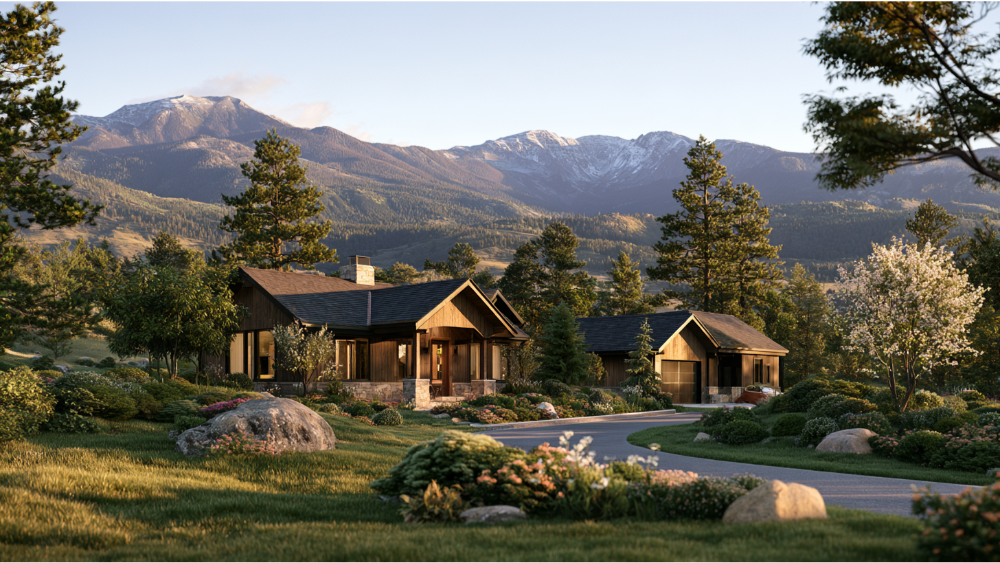
Three dimensional rules do a lot to decide where an ADU fits on your lot and how tall it can go. Here is the current framework.
Side and Rear Setbacks
New qualifying detached or attached ADUs generally need a minimum of 4 feet from the zoning district side and rear property lines. Conversions that stay within existing permitted floor area are generally exempt from that 4-foot requirement, since the walls already exist. Easements can change what is usable, which is one reason an address-level review matters. The zoning district side and rear setbacks interact with recorded easements in ways a parcel map alone will not reveal, and zoning building separation rules between structures can further shape where the unit lands.
Height Limits
Placer County allows a minimum of 16 feet in height for a detached ADU on a single-family lot. Attached ADUs can be allowed up to 25 feet or the primary dwelling’s height limit, whichever is lower. Higher allowances exist under specific transit or multifamily conditions, but do not assume an Alta parcel qualifies for those. That is determined from the parcel, not from the community as a whole.
Parking Requirements
State-exempt ADUs and JADUs require no additional parking. A non-state-exempt ADU may require one space per bedroom or one per unit, whichever is less. And if you convert or demolish a garage to make room for the ADU, you are not required to replace the lost parking. That removes a common roadblock for garage-conversion projects.
How Many ADUs Can You Have on One Alta Property?
On a qualifying single-family property, the state-exempt pathways can allow more than most homeowners expect. In the right combination, a parcel may support one converted ADU, one detached ADU, and one JADU. That can mean up to three accessory units in addition to the primary home, depending on site conditions and the current law. In each case the units attach to a single principal dwelling unit on the lot.
The word “depending” is doing real work there. The precise combination has to be verified against your parcel and the rules in effect when you apply. Older county FAQ language limiting a property to one ADU plus one JADU is still floating around in search results and does not reflect the newer 2026 state-exempt combinations. Sorting out what your specific lot can actually carry, and against exactly what zoning district your parcel is mapped in, is the kind of regulatory nuance a specialist team tracks so you do not have to.
The Alta Property Feasibility Checklist
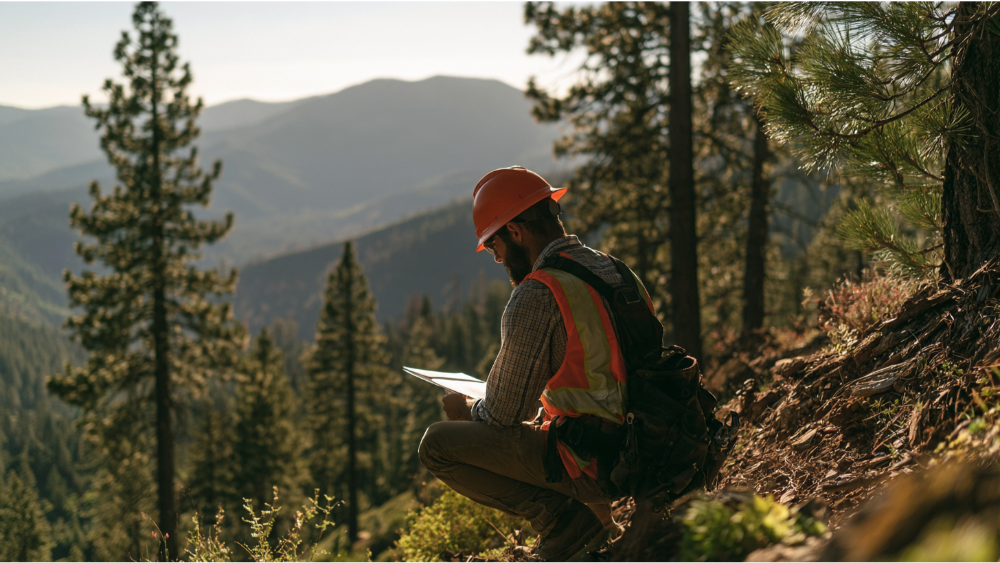
Here is the idea that separates a realistic ADU plan from a frustrating one: legal feasibility and site feasibility are not the same thing. A lot can be perfectly legal for an ADU on paper and still present real site challenges that drive the design and the budget. Work through both layers before you commit.
Layer 1: Legal and Zoning Feasibility
- Zoning district and whether there is a qualifying existing or proposed primary dwelling
- Setbacks and recorded easements that limit the buildable area
- Allowed ADU type and maximum size for your parcel, and how a proposed primary structure changes the math
- Parking obligations based on the state-exempt or non-state-exempt track
- The correct permit pathway for your project
Layer 2: Alta Site Feasibility
- Septic, sewer, or private well capacity
- Utility routes and whether existing service can carry a second unit
- Slope, grading, and drainage
- Driveway width and emergency vehicle access, which is a serious factor on rural mountain roads
- Snow load, wind exposure, seismic design category, climate zone, and wildfire design
Many of these items cannot be answered without an address-level review, and that is the point. Do not disqualify your property in your own head because you are unsure about septic or slope. Our team evaluates ADU feasibility for homeowners throughout California, and part of that work is reviewing satellite imagery and walking the site to read conditions you can’t see from a parcel map. The real value of a single design-build partner shows up right here. Instead of separately hiring a designer, a structural engineer, a civil engineer, a septic professional, and a builder, then trying to keep them all pointed at the same plan, you work with one team that handles the whole picture of ADU construction from the first site visit forward.
Building an Alta ADU on Septic or a Private Well
Many Alta properties rely on private wells and septic systems rather than municipal utilities, and this is one of the most important feasibility questions for a mountain lot. It deserves attention before you fall in love with a floor plan.
As a rule, an ADU uses the primary dwelling’s utility connection points. Septic changes that for detached units. A new detached ADU on a property served by septic generally requires a new, separate septic system, not just a tie-in to the existing one. Where public sewer exists, a separate sewer connection may be required instead. A new septic system needs physical room on the lot: space for the system, replacement or leach areas, and the required setbacks from wells, structures, and property lines. Placer County Environmental Health reviews these systems, so the approval is a layer of its own.
None of this can be concluded from a desk. It takes a site study to know whether your lot has the space and soil conditions a second system requires, which is why we steer every homeowner toward a professional evaluation rather than a guess. Golden State ADUs keeps civil engineering in-house through our partner firm, Golden State Design & Engineering, so septic design and site work are handled by the same team designing the unit rather than a subcontractor you have to chase separately.
Designing for Snow, Wind, and Wildfire in Alta
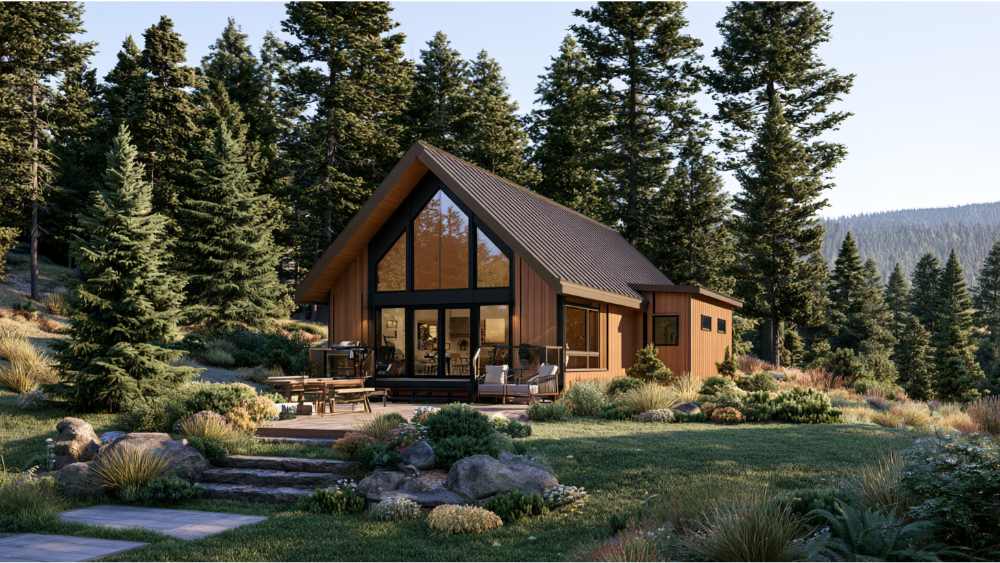
Mountain conditions are where Alta ADUs separate from valley ADUs, and where design and engineering matter as much as construction. An Alta ADU has to be engineered for the site, not pulled off a shelf.
Placer County’s Master ADU program requires a site-specific evaluation of elevation, ground snow load, wind exposure, seismic design category, climate zone, fire district, and Fire Hazard Severity Zone. In wildfire-prone areas, the building may need Wildland-Urban Interface (WUI) compliance, which can reach fire-resistant vents, exterior materials, glazing, doors, and decking. Emergency vehicle access is also a real design input on rural lots, not an afterthought.
Snow load is the one number people most want to pin down, and it is site-specific. There is no single snow-load figure for all of Alta. It is set through county code tables, county GIS data, ASCE criteria, or an approved site-specific analysis. When those values conflict, the more restrictive value generally controls unless a registered design professional justifies a different result. That is a structural engineering decision, not a marketing claim.
This is exactly where in-house structural engineering earns its keep. To certify compliance with snow, wind, seismic, and fire criteria takes a licensed design professional running real calculations for your elevation and exposure, and the engineer who signs the drawings is the one who can certify compliance to the county. Treating Golden State ADUs as “a builder” misses the point. The design and engineering that make an Alta ADU safe and permittable come first, and they are part of the same roof. The same engineering discipline carries into mountain counties like El Dorado County, Nevada County, and beyond, wherever snow and fire drive the structure.
Can You Use Pre Approved Plans for an ADU in Alta?
Placer County maintains a pre approved plans program for ADUs, and it is a legitimate option worth understanding. The current library includes examples such as a 661-square-foot one-bedroom, 746- and 749-square-foot two-bedroom plans, and a 1,194-square-foot three-bedroom plan. Pre approved plans can shorten the review on the building design itself because the county has already vetted the drawings against its standards.
Here is the clarification most homeowners need: a pre-approved plan is not a pre-approved site. The plan clears the design, but your lot still needs its own site-specific permit, a site plan, energy calculations, a utilities review, applicable design criteria, and any required septic, solar, sprinkler, or fire documentation. The county still has to certify compliance for your particular parcel, confirming the ADU plans comply with the zoning district’s requirements design review. On an Alta lot, that site-specific layer is substantial because of snow and fire engineering.
There are lots where a custom ADU simply fits better. Steep slope, heavy snow-load engineering, unusual setbacks, or awkward access can make a stock footprint fight the property instead of working with it. A tailored design shapes the unit to the lot. Golden State ADUs designs custom ADUs for exactly these conditions, and pre approved plans are still a fine starting point for the right flat, straightforward parcel. The job is matching the approach to your actual site.
Alta ADU Permit Timelines: What to Really Expect
Permit timelines cause more anxiety than almost anything else, usually because two different clocks get confused. Let’s separate them.
The Statutory Clock
Under current California law, the permitting agency must issue a written completeness determination within 15 business days of receiving your ADU or JADU application. For a complete application, it must generally approve or deny within 60 days. If the application is incomplete, the agency has to identify what is missing and explain how to fix it. Those deadlines are real protections for homeowners.
Why Total Design and Permitting Takes Longer
The 60-day decision window is not a promise that your whole project takes 60 calendar days. That clock only runs on a complete application. Before you get there, you have site studies, plan preparation, septic design, structural and civil engineering, plan corrections, and coordination with special districts and the fire authority. Each of those adds elapsed time, and on an Alta lot the engineering workload is heavier.
Realistically, Golden State ADUs typically sees roughly three to five months for permit plans and design, then three to four months for construction. Those are typical ranges, not guarantees, and site conditions move them. What stays consistent is that the permitting, paperwork, and compliance are done for you. You are not standing in line at the county, and you do not have to contact Placer County yourself to decode a correction notice.
What Does an Alta ADU Cost? (Fees and Cost Factors)
We do not publish a fixed price, because the honest cost of an ADU depends on the site, the design, and the finishes. On an Alta lot, the biggest cost drivers are usually the mountain conditions: a new septic system, grading on slope, utility routing, snow-load engineering, WUI fire requirements, and access improvements. A flat, sewered valley lot and a steep Alta parcel with septic can land in very different places even with the same floor plan.
Impact Fee Exemption
Current HCD guidance exempts ADUs with 750 square feet or less of interior living space from impact fees. Fees for a larger ADU must be charged proportionally relative to the primary residence’s floor area, and a JADU of 500 square feet or less is also protected by the fee limitation. One discrepancy to know about: Placer County’s web page has described the threshold as units “smaller than 750 square feet,” while HCD says “750 square feet or less.” Use the state formulation and confirm the current fee calculation with Placer County before you rely on it. And the exemption applies to impact fees only. It does not erase building permit fees, plan-check fees, school fees, utility charges, or septic costs.
The Value Side
An ADU can add meaningful property value and open up long-term rental income, which is part of why homeowners build them. We frame those as general benefits, not guaranteed returns, because your numbers depend on your property and the market. Our focus is maximizing your property’s value through design that fits the lot, combined with value engineering that keeps the budget honest. The online ADU cost estimator is a useful first step to see rough ranges, and every real figure comes out of a consultation where we look at your actual site. Think of published numbers as estimates that shift with site, design, and finishes.
Can You Rent or Sell Your Alta ADU?
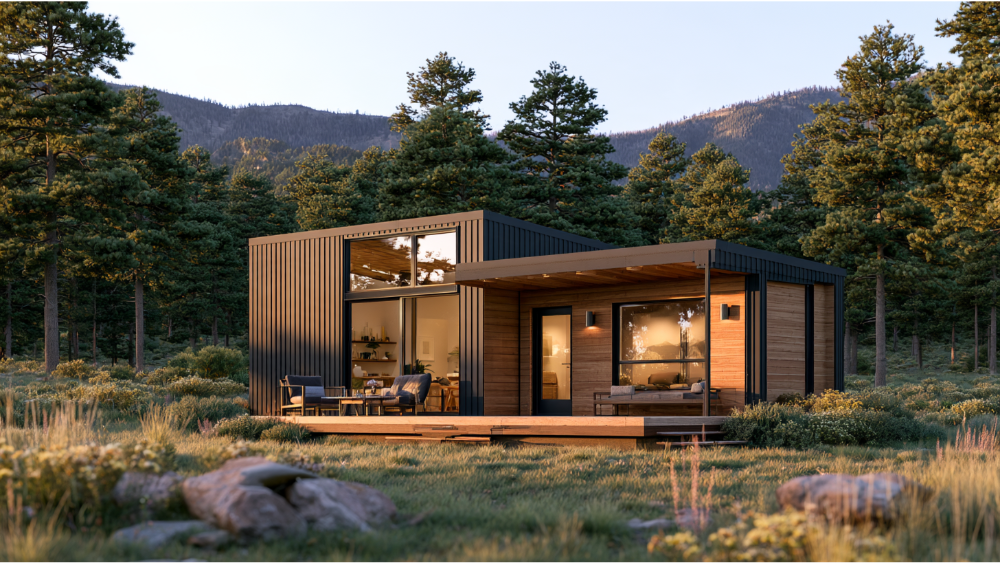
This section matters because some marketing out there gets it wrong. Placer County prohibits using an ADU as a rental for less than 30 days. A narrow Tahoe-related legacy exception exists, but it does not give Alta properties a general short-term rental path. So an Alta ADU is not an Airbnb or vacation-rental play. If someone is selling you on nightly rental income, they are skipping a rule that will shape your actual use.
What is allowed covers most of what homeowners want anyway: long-term rental of 30 days or more, multigenerational and family housing, a home office, or a guest and retirement unit for aging parents. On the sale question, an ADU generally cannot be sold separately from the primary residence. There is a limited path involving a qualifying nonprofit for affordable housing, but that is a narrow exception rather than a general option.
Owner occupancy rounds this out. California generally prevents local agencies from requiring owner occupancy on standard ADUs. A JADU can carry an owner-occupancy requirement when it shares sanitation facilities with the main house, which means the owner has to live in either the primary residence or the junior accessory dwelling unit. We do not promise specific rental income or a guaranteed return, because those depend on your property and the market at the time.
From Property Review to Certificate of Occupancy
An Alta ADU moves through a sequence, and the whole case for a design-build partner is that one accountable team carries it from start to finish. You never become the general contractor for your own project. Here is the arc, from concept to completion.
Feasibility and Site Review
We start with your parcel: the zoning district, the existing or proposed dwelling, setbacks and easements, and the Alta site conditions that decide what is buildable. This is where satellite review and a walkthrough replace guesswork, and where we confirm exactly what zoning district the property sits in before any design work begins. The same feasibility discipline applies whether the property sits in Placer County, Sacramento County, or Lake County.
Architectural and Engineering Design
Design and engineering happen in-house through Golden State Design & Engineering, covering architecture, structural engineering, and civil engineering. Snow, wind, seismic, and septic design are solved by the same team drawing your unit.
Permitting and Compliance
Permits, paperwork, and compliance are done for you. We assemble a complete application, coordinate with Placer County and the fire authority, and handle corrections so the statutory review clock works in your favor.
Construction and Inspections
We build with quality craftsmanship and manage the site through every inspection, aiming for on-time delivery. A detached ADU is a separate building with its own systems, and it gets the attention that ADU construction on a mountain lot requires.
Warranties and Post-Project Support
Every project carries a 10-year structural integrity warranty and a 1-year fit-and-finish warranty, backed by construction administration after completion. Golden State ADUs is licensed and bonded (LIS. #1125656) and trusted by more than 100 happy customers.
Why Alta Homeowners Choose a Full-Service Design-Build Partner
The fragmented way of building an ADU asks you to hire a separate architect, a separate structural engineer, a civil engineer, a permitting consultant, and a builder, then keep them aligned when something changes. That coordination is where projects stall and budgets drift. A consolidated design-build model removes that burden.
The Golden State ADUs advantage rests on a few pillars. Completeness: design, engineering, permitting, and construction live under one roof, so there is no handoff gap to fall through. Transparency: fair and transparent pricing, no surprise costs, and value engineering that analyzes your budget upfront. Quality craftsmanship: elegant, functional units built to last, not volume-built shells. And responsiveness, which clients name again and again, meaning quick replies and regular project updates instead of radio silence.
The proof points back it up: more than 100 happy customers, 18 Google reviews, licensed and bonded status, and warranties that put accountability in writing. If you started an ADU with someone else and it went sideways, we have helped homeowners in that exact spot and can be a steady place to land. We provide design, permitting, and construction for ADUs throughout California, from Alameda County and Napa County to Solano County and beyond.
How ADU Rules Compare Across California Counties
Alta sits in Placer County, but the two-layer structure of state law plus county standards shows up everywhere. The state floor is constant while the local overlay shifts, which is why it always pays to read the specific county you are building in. Ventura County’s ADU requirements, for example, apply the same state baseline through a coastal and hillside lens, while mountain and rural counties lean harder on snow, fire, and access. Here is a quick sense of how widely this plays out across the state.
- Northern and mountain: Shasta County, Trinity County, Humboldt County, Del Norte County, Mendocino County, Glenn County, Butte County, Tehama County, Lassen County, Modoc County, Siskiyou County, Plumas County, and Sierra County
- Central Valley and foothills: Sutter County, Yuba County, Sacramento County, San Joaquin County, Stanislaus County, Merced County, Madera County, Fresno County, Kings County, Tulare County, and Amador County
- Sierra and eastern: El Dorado County, Lake County, Mono County, and Inyo County, where rules a county like Mono County enforced still trace back to the same statewide floor
- Coastal and bay: Monterey County, San Benito County, Riverside County, and the broader metro counties already noted above
No matter the county, the move is the same: confirm the zoning district, reconcile state minimums with local standards, and verify the current rules at the time you apply rather than trusting an older indexed page.
Frequently Asked Questions
Is there a $40,000 ADU grant available in California?
The California Housing Finance Agency has historically offered its CalHFA ADU Grant Program, with up to around $40,000 toward predevelopment costs such as design, permits, and site work. Funding availability changes and has been exhausted in past cycles, so a grant from the California Housing Finance Agency is never something to count on. Check the current state program status directly before you build it into your plan.
How much does it cost to build a 1,000-square-foot ADU in California?
Costs vary too much for a single figure, and we do not publish fixed prices. On an Alta lot, site factors like a new septic system, grading, utility routing, snow engineering, and WUI fire requirements push costs higher than a flat valley parcel. The online cost estimator gives rough ranges, and a consultation produces a real estimate tied to your property.
Can I build an ADU in my backyard in California?
Generally yes, on a qualifying residential lot. A detached backyard ADU is the most common type homeowners build. Feasibility is parcel-specific, so setbacks, septic capacity, slope, and access all factor into whether and where it fits. An address-level review confirms it, and the same checklist applies whether your lot is in Placer County, Sacramento County, or El Dorado County.
What are the downsides of ADUs?
The honest trade-offs are upfront cost, the time permitting and design take, and site constraints that are sharper on mountain lots. Detached units on septic need their own system, which adds expense and requires room. A full-service partner reduces most of this friction by handling design, engineering, and permitting together rather than leaving you to coordinate it.
Can I use my Alta ADU as a short-term rental?
No. Placer County prohibits ADU rentals shorter than 30 days, and the narrow Tahoe legacy exception does not give Alta a general short-term rental path. Long-term rental and family use are the realistic uses, so plan around those rather than nightly bookings.
Talk to an ADU Specialist About Your Alta Property
The fastest way to replace uncertainty with a plan is an address-level read of your property. In a one-hour initial project walkthrough, you get clarity on what your zoning district allows, how septic or sewer plays out, what snow and fire design your site requires, and a realistic path forward. It is a low-pressure first step, and you leave knowing more than when you started.
Our team evaluates ADU feasibility for homeowners throughout California, and we handle design, engineering, permitting, and construction in-house, so you work with one partner from concept to completion. Book a consultation, get a free estimate, or just let’s connect. Call (916) 909-2387 or email office@gsadus.com to start the conversation.