
As housing shortages continue to impact cities across California, more homeowners are turning to Accessory Dwelling Units (ADUs) to create more space, generate passive income, or build housing for multigenerational living. Modular ADUs are gaining popularity as a versatile solution that fits many lifestyles and budgets. If you’re considering an ADU project, one of the biggest decisions you’ll face is whether to build a modular ADU or use traditional construction.
At Golden State ADUs, we help California homeowners navigate the entire process, from design to permits, construction, and final installation. In this guide, we’ll break down everything you need to know about prefab ADUs (including modular, kit homes, clever homes, and studio shed options) versus stick-built solutions, so you can choose the best fit for your property, lifestyle, and budget.
What Are Modular Accessory Dwelling Units?
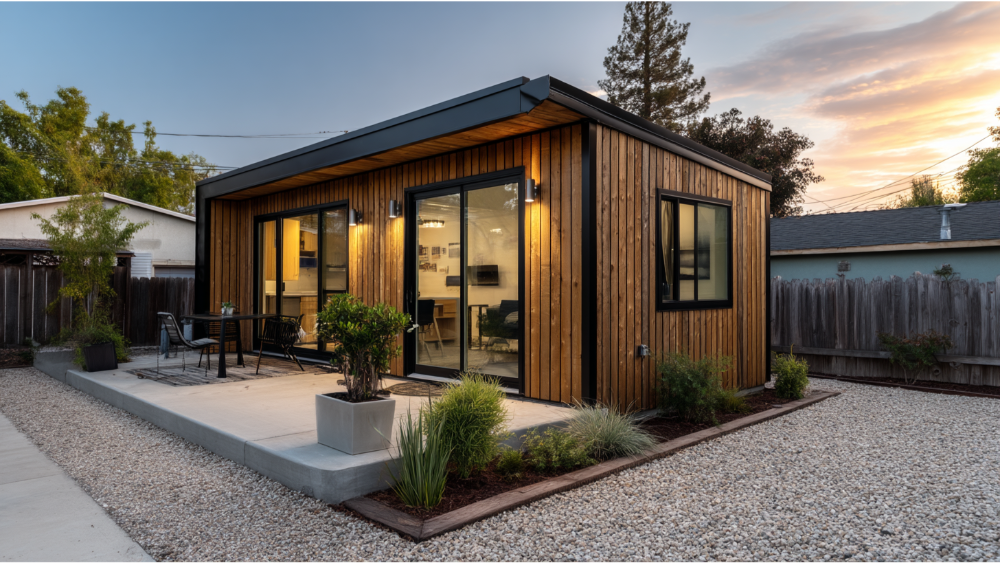
A modular ADU is a type of prefab ADU built in a factory environment, then transported to your site and assembled on a permanent foundation. Unlike mobile homes, modular units meet California building codes and qualify as permanent residences.
The building process for a modular unit happens in parallel. While site work and foundation preparation occur on your property, the modular components are built off-site. Once complete, they’re shipped, craned into place, and joined together to form a fully functioning ADU, complete with plumbing, appliances, doors, windows, and finished interior.
These units come in various models, from compact studio sheds to multi-bedroom layouts. They’re particularly popular in cities like San Diego, where specific zoning requirements and high labor costs make speed and predictability essential.
What Is a Traditional Stick-Built ADU?
A traditional ADU, also known as a custom ADU, is built entirely on-site using standard construction methods. Every element, from the foundation to the roof, plumbing, and interior finishes, is assembled step-by-step on your property.
This approach allows full freedom in the design process, letting homeowners customize square foot layout, windows, bathroom, kitchen layout, and more. Traditional construction is ideal for homeowners with unique site conditions or those who want their ADU to match the look and feel of the main house.
At Golden State ADUs, we specialize in this hands-on approach, guiding clients through the entire process with a focus on craftsmanship, compliance with local building codes, and exceptional interior finishes.
Modular vs Traditional ADU: ADU Construction Timeline And Detailed Comparison
Construction Timeline
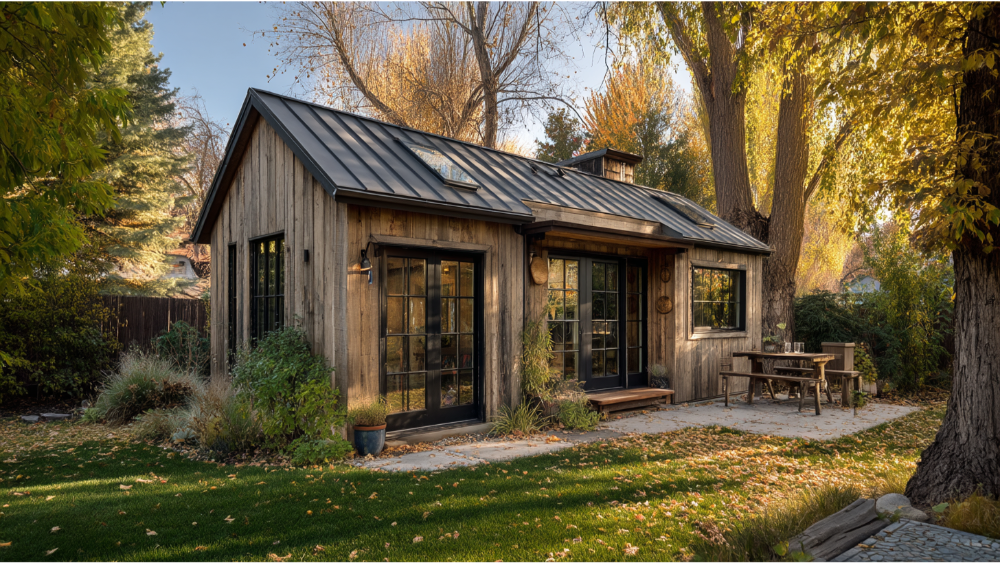
Modular ADUs can be completed in as little as 3–5 months because site work and modular construction occur at the same time. Once your foundation is ready and your permits are approved, the modular unit can be delivered and installed in days.
Traditional ADUs usually take 6–9 months. The building process is sequential: foundation, framing, utility hookups, rough-in work, inspections, and finishes happen one after another.
Verdict: If speed is a priority, prefab ADUs are a time-saving solution.
Customization and Design Flexibility
Traditional construction allows full customization. Whether you’re building a home office, tiny home, or in-law unit, the layout, finishes, and architectural style can be tailored to match your vision and your house.
In contrast, modular ADUs are typically offered as pre-set models. Some offer limited options for flooring, interior paint, or cabinetry, but major changes to layout or structure are not possible.
Verdict: Choose traditional if you want a custom ADU tailored to your lifestyle and property needs.
ADU Cost and Budget Control
A modular ADU often has more predictable costs due to fixed factory pricing. However, you still need to budget for utility connections, site work, delivery, crane fees, and permits. These costs can add up quickly, especially in urban areas with difficult site access.
Traditional builds have more variables, especially in terms of labor costs, materials, and permit timelines. But with the right team and clear scope, they offer excellent cost-effective solutions.
Average ADU cost ranges in California:
- Modular studio shed (approx. 400–500 sq ft): $180,000–$250,000
- Traditional 1-bed ADU (600–800 square foot): $250,000–$350,000
- Custom 2-bed ADU (800+ square foot): $300,000–$450,000+
Verdict: Modular wins on predictability, but traditional wins on long-term value and ROI.
Site Conditions and Accessibility
Modular ADUs require flat lots, wide access for trucks and cranes, and open space for staging. If your site is sloped, tree-lined, or in a tight urban lot, modular delivery might be restricted or incur added costs.
Traditional construction is more adaptable to a variety of site conditions. Our team regularly builds on difficult terrains in cities like Sacramento, San Diego, and Roseville.
Verdict: Stick-built is often better for challenging sites or non-standard lots.
Quality and Materials
Prefab ADUs, especially modular builds, are assembled in climate-controlled factories using precision tools. This minimizes weather delays and ensures high-quality finishes.
That said, traditional ADUs allow for high-end materials, flexible sourcing, and enhanced design features. Many clients opt for smart technology, sustainable finishes, or unique architectural details not available in modular models.
Verdict: Modular delivers consistent quality, but traditional offers premium craftsmanship and flexibility.
Permits and Regulations
All ADUs, whether modular or traditional, must comply with building codes and zoning laws. Modular units are reviewed by California’s Department of Housing and Community Development (HCD) and must also pass local inspection once installed.
Traditional ADUs go through standard city or county permitting processes. Golden State ADUs handles all permits, inspections, and regulations for both modular and stick-built projects.
Verdict: Both require diligence, but modular units may navigate fewer local building codes due to HCD approval.
Financing, Appraisal, and Resale Value
Most lenders recognize modular and traditional ADUs equally, provided the unit is built on a permanent foundation. However, some appraisers still value traditional construction higher, especially when the ADU matches the primary residence.
Golden State ADUs can guide you through construction financing options, whether you’re building a studio shed, tiny home, or full 2-bed ADU.
Verdict: Traditional often provides higher long-term property value, but modular offers quicker returns.
When Modular ADUs Make the Most Sense
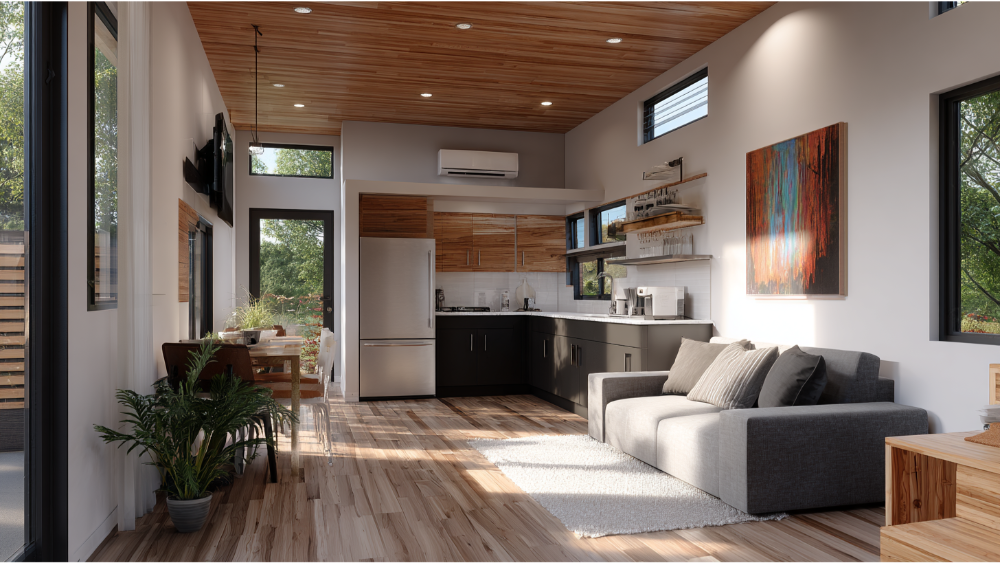
Modular ADUs are a versatile solution for many California homeowners, especially those who:
- Want a fast, streamlined installation
- Have a flat and accessible site
- Need a budget-friendly studio shed, garage conversion, or rental unit
- Are looking for modern kit homes with clean designs, including clever homes
In cities like San Diego, modular ADU development is gaining popularity rapidly as an answer to tight zoning and limited living space.
When Traditional ADUs Are the Better Choice
Traditional ADUs are ideal for homeowners who:
- Want a completely custom ADU
- Have complex site conditions
- Plan to use the unit for family or long-term living
- Prioritize architectural cohesion and resale value
At Golden State ADUs, we design every project around the homeowner’s vision, turning unused space into beautiful, functional living space that enhances your life.
Case Study: Stick-Built ADU in Sacramento
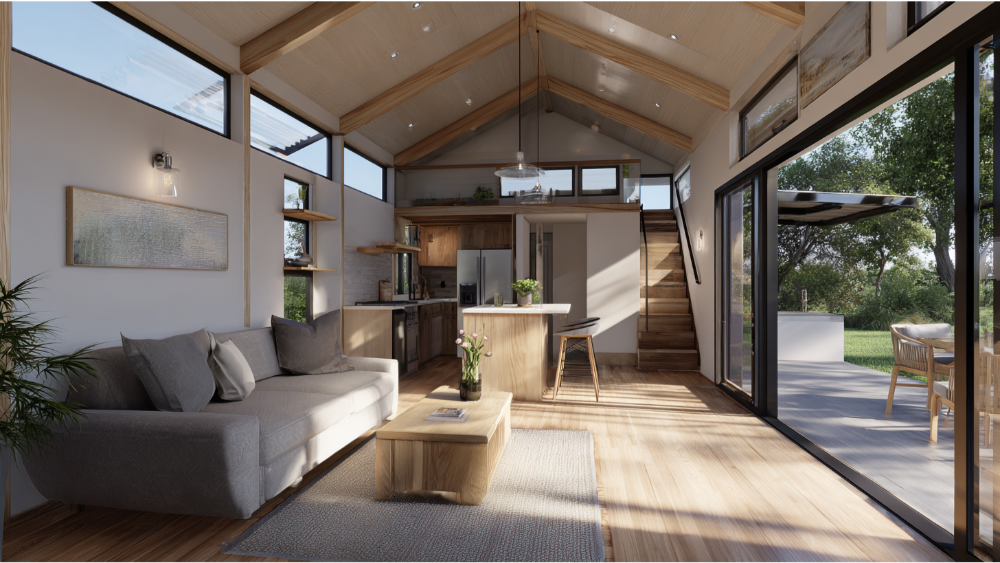
One recent ADU project in Sacramento involved a 750 square foot custom build for a retired couple downsizing from their main house. Their property had a sloped backyard and several mature trees, making modular infeasible.
Our team designed a fully accessible studio-style layout with wide doorways, a roll-in bathroom, energy-efficient appliances, and built-in smart technology for lighting and security. The construction took 8 months from permits to final walkthrough, and the couple now enjoys independent living space just steps from their children’s house.
Conclusion: Which ADU Is Right for You?
Choosing between a modular ADU and a traditional build comes down to your property, priorities, and budget. If speed, simplicity, and predictable costs matter most, a prefab ADU may be the ideal route. If you’re aiming for long-term value, design flexibility, and a perfect match to your residence, traditional ADU construction may be the better choice.
At Golden State ADUs, we help homeowners throughout Northern California evaluate both options through a comprehensive site analysis, feasibility review, and cost breakdown.
Ready to start your ADU journey?
Schedule your free consultation today and let’s turn your dream into reality. Visit our website or contact us to learn more.
Frequently Asked Modular vs Traditional ADUs Questions
Is a modular ADU more affordable?
A modular ADU may appear more cost-effective, but don’t forget to factor in utility hookups, foundation, site work, and delivery. Total adu cost may be comparable to traditional builds.
Can prefab ADUs be customized?
Most prefabricated ADUs offer limited cosmetic choices. For full control over layout, materials, and interior design, a custom ADU built on-site is the better fit.
What is the average size of a modular ADU?
Most studio shed and modular ADU designs range from 300 to 800 square foot, though larger models up to 1,200 sq ft are possible with the right zoning laws.
How do permits differ between modular and traditional ADUs?
Permits for modular ADUs go through HCD approval, then require local inspections. Traditional builds need full local building code compliance and multi-phase inspections.
Are prefab ADUs a good long-term investment?
Yes, especially in areas with high adu cost returns like San Diego and the Bay Area. However, a well-built traditional ADU often delivers stronger resale value due to curb appeal and flexibility.