
Understanding the Reality Behind Tiny Homes and Private Land
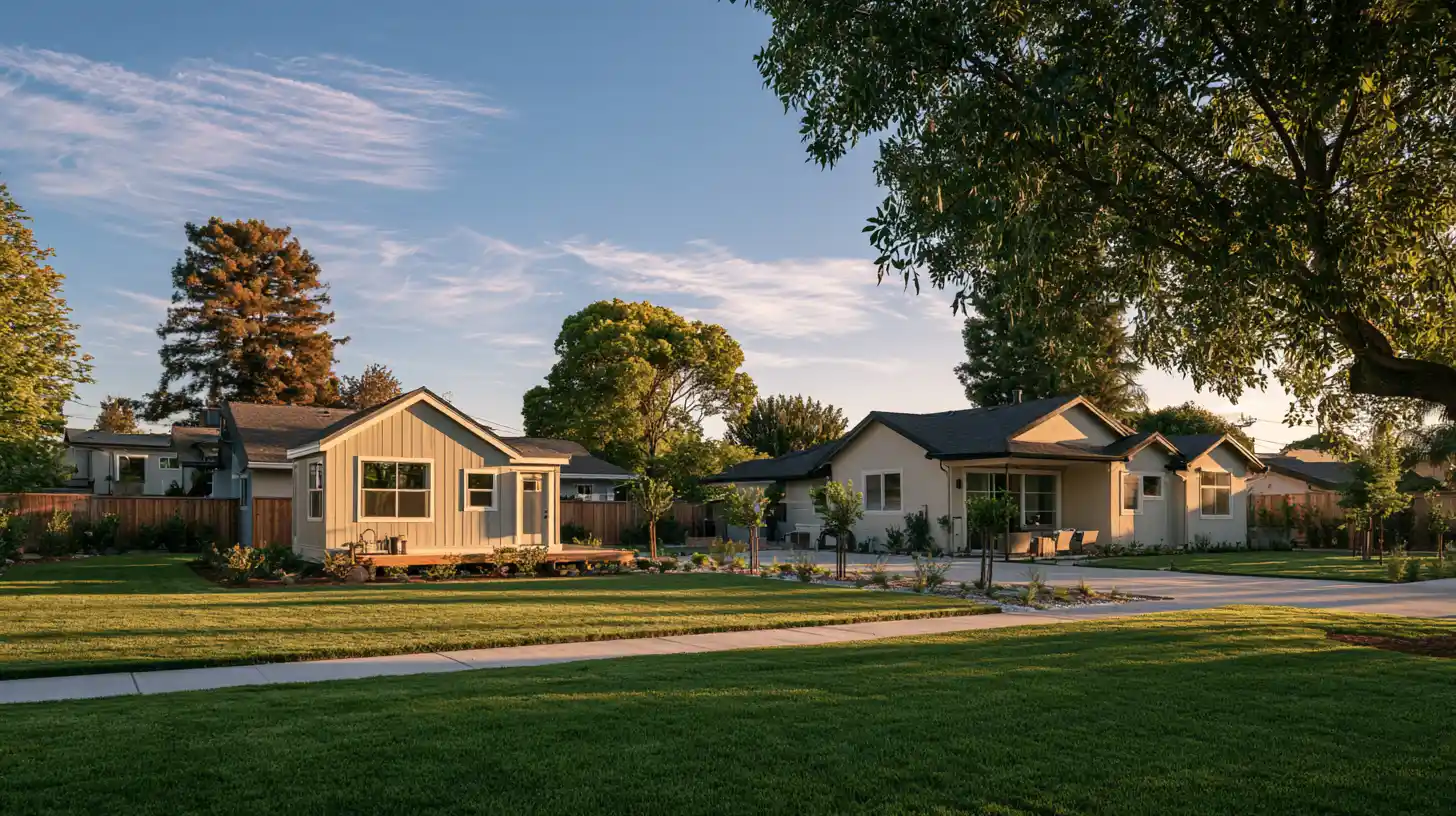
The question “can tiny homes be placed on private land without restrictions” comes up frequently among homeowners exploring flexible housing options. The appeal of the tiny house movement, tiny home movement, and tiny living lifestyle is easy to understand. Many tiny home enthusiasts imagine that if they own land, or own tiny house setups on private land, they can simply place a tiny home and begin living without limitations.
In reality, placing a tiny home on private land is governed by zoning laws, local zoning ordinances, building permits, and building codes that vary widely across jurisdictions. Even if you own land outright, whether rural areas, suburban neighborhoods, or residential properties inside city limits, you must comply with building regulations, building permits, and local zoning requirements. These rules are rooted in local planning, safety enforcement, and residential building codes that ensure long-term habitability.
This article breaks down how tiny home laws actually work in California and why there is no such thing as completely unrestricted placement, even when working with private property or attempting to allow tiny home installations informally.
The Short Answer: Tiny Homes Cannot Be Placed on Private Land Without Restrictions
The short answer is no; tiny homes cannot be placed on private land without restrictions under current zoning laws and building codes. Even if you own land or private property, local zoning, county code, and city code still apply. These regulations determine whether a tiny house built on a residential lot is allowed, and under what conditions it may be used as a permanent residence or accessory dwelling unit.
Most cities require building permits and enforce residential building codes and International Residential Code (IRC) standards to ensure safety and consistency. This means every permanent structure must pass inspections, meet minimum dwelling size rules, minimum ceiling height requirements, emergency exit standards, and comply with safety regulations before occupancy is allowed.
How Tiny Homes Are Legally Classified in California
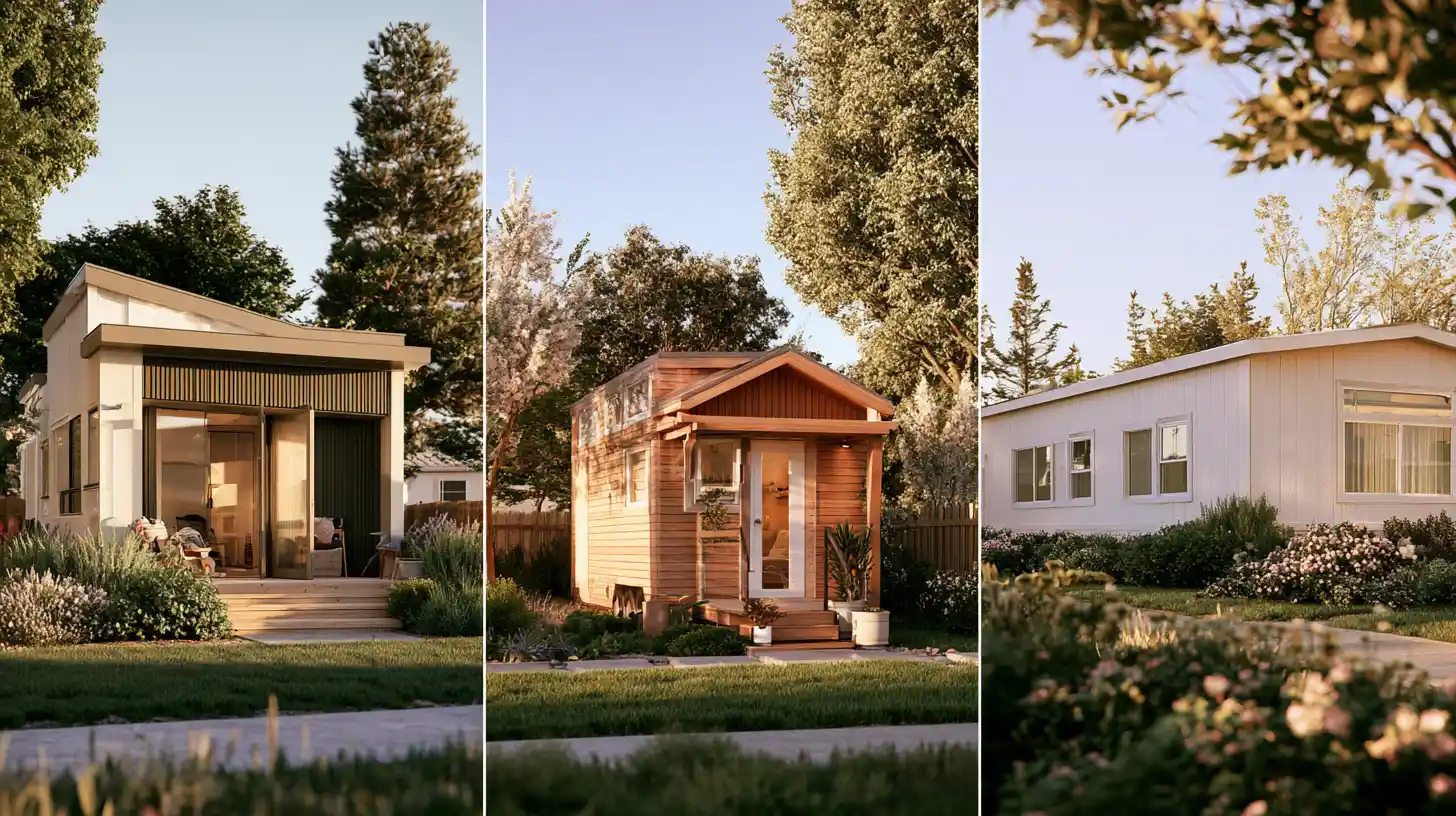
Tiny Homes as Accessory Dwelling Units
In California, the most common legal pathway for tiny homes is through the accessory dwelling unit (ADU) framework. An ADU is a secondary residential unit on the same residential lot as a primary residence. These units must comply with local building codes, residential building codes, and IRC requirements.
When a tiny home is built as an ADU, it becomes a permanent residence with full utility hookups and approved connections for water, sewer, and electricity. This classification allows homeowners to own tiny house structures that function as legal living space and contribute to affordable housing goals while remaining compliant with local zoning ordinances.
Tiny Homes on Wheels, Recreational Vehicles, and Park Models
Tiny homes on wheels are often classified as recreational vehicles (RVs). These RVs are subject to restrictions similar to camper vans and motor vehicles, meaning they are generally not allowed as permanent residences on residential properties. Instead, they are typically limited to RV parks or designated mobile home park environments.
Park model units are sometimes used within tiny home communities, but they still fall under strict zoning regulations and are not equivalent to permanent structures. Even when parked on private land, they do not bypass local ordinances or building permit requirements.
Manufactured Homes and Modular Homes
Manufactured homes and modular home structures follow different regulatory paths. Manufactured homes must comply with federal HUD standards, while modular homes must meet state building regulations and local building permit requirements. These housing types may be allowed under certain zoning regulations, but they still require approval from local zoning departments and must comply with county code and local planning rules.
California ADU Laws and How They Shape Tiny Home Living
Statewide Efforts to Allow Tiny Home Friendly Cities
California has made significant efforts to allow tiny home development through ADU legislation. Many local governments now allow tiny homes in some form, especially in designated tiny home friendly city areas. However, even in these areas, homeowners must still follow building codes, zoning laws, local zoning ordinances, and submit building permits through the local zoning department.
What Still Requires Compliance Under Local Zoning Ordinances
Even with progressive tiny home laws, many local ordinances still apply. Homeowners must submit building permits, follow setback rules, and ensure compliance with fire safety standards, emergency exits, and structural requirements under IRC guidelines. Minimum ceiling height rules, square footage standards, and separate bathroom requirements also apply in many jurisdictions.
Most cities still require inspection approval before occupancy, meaning a tiny house built without proper permitting cannot legally be used as a permanent residence or permanent placement structure.
What Has Changed for Tiny Home Enthusiasts
Despite regulations, it has become easier for tiny home enthusiasts to allow tiny home development through ADU programs. Many local zoning ordinances have been relaxed to allow tiny home construction on residential lot properties. This has expanded opportunities for tiny living while still maintaining safety standards under building codes and local regulations.
Why Zoning Laws Are the Biggest Barrier to Unrestricted Tiny Homes
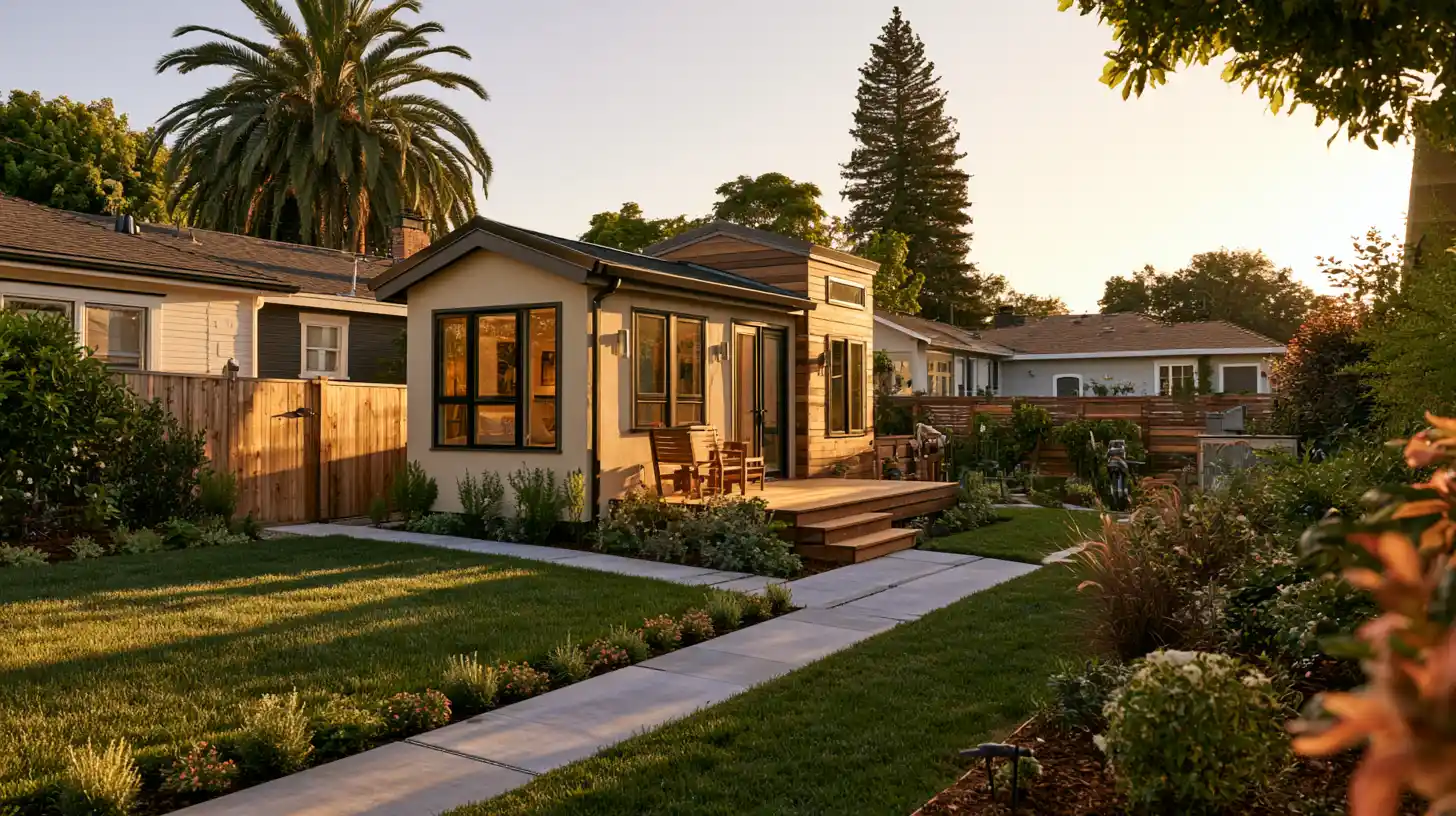
Zoning laws are the primary factor that determines whether a tiny home can be placed on private land. Local zoning ordinances regulate land use and ensure that residential homes fit within community planning goals.
Local zoning departments enforce these rules, reviewing building permits and ensuring compliance with local planning requirements. Even if a homeowner owns land or private property, zoning regulations determine whether they can allow tiny home placement or must instead build a traditional house or small house under standard residential rules.
In many communities, zoning laws still limit square footage, minimum dwelling size, and density. These rules ensure that permanent residences meet safety and livability standards while aligning with local planning objectives.
Building Codes, Safety Standards, and Permit Requirements
International Residential Code and Local Adoption
Most jurisdictions base their rules on the International Residential Code (IRC). This code establishes standards for structural safety, minimum ceiling height, emergency exits, and residential building codes for permanent residences. Local building codes are derived from these standards but may include additional requirements under specific building regulations.
Compliance with these codes is required for all permanent residences, including tiny homes, especially when they are intended as ADUs or permanent residences on private land.
Building Permits and Inspections
Building permits are required before construction begins on any tiny home intended as a permanent structure. Local zoning departments review plans to ensure compliance with building regulations and local ordinances. After construction, inspections are required to confirm the structure passes safety standards and meets code requirements, including IRC compliance.
Without building permits, a tiny house cannot legally be occupied as a permanent residence, regardless of ownership of the land or intent to own tiny house structures outside formal permitting channels.
Utility Requirements and Infrastructure Considerations
Utility Connections and Hookups
Most tiny homes require utility connections, including water, sewer, and electricity. These utility hookups must comply with local ordinances and be approved by local jurisdictions. Without proper hookups, a tiny home cannot be legally occupied long term as a permanent residence.
Infrastructure Challenges on Private Land
On private land, infrastructure availability can vary significantly. Some properties require upgrades to support additional living space, including electrical panel upgrades or sewer line extensions. These requirements are often evaluated during the permitting process by local planning and utility authorities.
HOA Rules, Private Restrictions, and Community Standards

Even when zoning allows tiny homes, homeowners associations (HOAs) may restrict placement. Many communities enforce strict design standards and prohibit recreational vehicles, park model units, or unapproved ADU structures.
HOA rules often override homeowner expectations, meaning that even if local zoning allows tiny home placement, community rules may prohibit it on private property or within residential neighborhoods governed by covenants.
Where Tiny Homes Are More Likely to Be Allowed
Tiny Home Friendly Cities and Flexible Zoning Areas
Some jurisdictions are more open to allowing tiny home development. These tiny home friendly city areas often have relaxed ADU rules and streamlined permitting processes, especially for ADU projects that meet IRC standards.
Rural Areas and Low Density Zones
Rural areas may provide more flexibility for tiny home placement, but they still fall under county code and zoning regulations. Even in rural settings, building permits and compliance with IRC requirements are necessary for permanent residence approval.
Tiny Home Communities and RV Parks
Some homeowners choose to live in tiny home community developments or RV parks where recreational vehicles, park model units, and small house structures are specifically permitted. These environments offer flexibility for tiny living but still operate under structured regulations and local ordinances.
Costs, Square Footage, and Practical Realities of Tiny Home Living
Tiny homes typically range in square footage depending on design and classification. While some small house designs are extremely compact, most jurisdictions enforce minimum square footage or minimum size requirements for permanent residences, especially under IRC guidelines.
Housing costs vary depending on whether the structure is built as an ADU or placed as a recreational vehicle. However, most long-term tiny home living arrangements require full compliance with building permits, utility connections, and zoning laws enforced by local zoning departments.
Common Misconceptions About Tiny Homes on Private Land
Many people believe that owning land automatically allows them to place tiny homes without restrictions. Others assume that recreational vehicles or camper vans can be used as permanent residences. In reality, zoning laws, building codes, and local ordinances regulate all permanent housing.
Another misconception is that tiny homes bypass minimum ceiling height, emergency exits, or utility requirements. However, all permanent residences must meet safety standards under building codes and pass inspections before occupancy is approved.
Frequently Asked Questions
Can I place a tiny home on private land without a permanent foundation?
Most jurisdictions require tiny homes to be placed on a permanent foundation to qualify as a legal residence. Tiny homes on wheels are often restricted and may only be allowed in RV parks or designated areas.
What are the minimum size requirements for tiny homes in California?
While tiny homes are generally defined as 400 square feet or less, many local zoning codes enforce minimum square footage requirements that can range from 600 to 1,000 square feet, especially for permanent residences.
Do I need utility hookups for my tiny home on private land?
Yes, permanent utility hookups for water, electricity, and sewage are typically required by local building codes. Without approved hook ups, a tiny home cannot be legally occupied as a permanent residence.
Can tiny homes be used as guest houses on private property?
Tiny homes may be classified as guest houses or accessory dwelling units (ADUs) if they meet local building codes and zoning regulations, including size, safety, and utility requirements.
How do local building codes affect tiny home construction?
Local building codes, often based on the International Residential Code (IRC), set standards for ceiling height, emergency exits, structural safety, and living facilities that all tiny homes must comply with to be approved.
Are there any areas in California that are more lenient toward tiny home placement?
Some rural areas and tiny home friendly cities have more flexible zoning ordinances and streamlined permitting processes, making it easier to place tiny homes legally on private land.
Conclusion: The Truth About Tiny Homes and Private Land Restrictions
The reality is clear. The question “can tiny homes be placed on private land without restrictions” has a definitive answer under current law: no, they cannot. Even though the tiny house movement and tiny home movement continue to grow, all permanent placement is governed by zoning laws, building codes, and local regulations.
However, California’s ADU framework has created a legal pathway for tiny home living that is more accessible than ever. With proper planning, building permits, and compliance with IRC standards, homeowners can allow tiny home construction that functions as a permanent residence and supports long-term affordable housing goals.
Understanding these rules is the first step in any successful tiny home journey, and working with experienced professionals ensures your project moves from concept to approved living space without costly delays.