
Key Takeaway
Tiny home insurance depends on your structure’s foundation status, build certification, and how the home is used, not its square footage. A foundation-built unit or ADU typically qualifies for standard dwelling coverage, while wheeled units usually need an RV or specialty policy. Gather permits, inspection records, and replacement cost estimates before requesting quotes, since insurers require documentation to classify and price the risk accurately.
Tiny home insurance isn’t a single product you can shop off a shelf. The right policy depends on whether your home sits on a permanent foundation, how it was built and certified, and how you plan to use it (family housing, a full-time residence, a long-term tenant, or short-term guests). Those four factors, not square footage, decide which insurance path is even available to you.
This guide is for the homeowner planning a small dwelling or already living with one, who would rather sort out coverage now than discover a gap after the last inspection. It’s general information only. A licensed insurance professional and your state insurance department are the authority on your specific policy.
Can You Insure a Tiny Home?
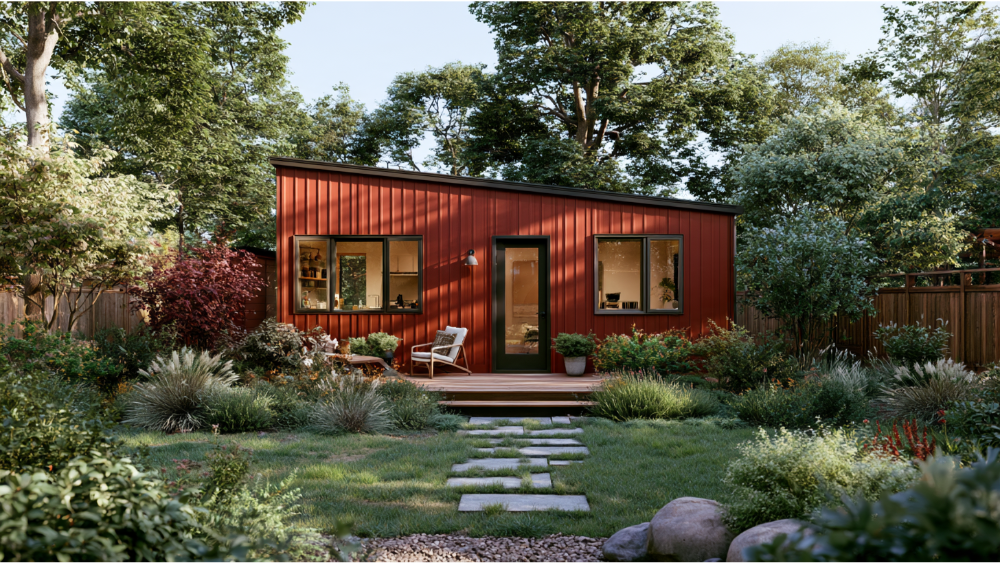
Yes, with conditions. Build method, foundation status, certification, and intended use drive eligibility, and some structures need a specialty carrier rather than a standard homeowners market. If you’re financing the build, expect your lender to require coverage in place before funding.
| Type of tiny home | Likely insurance path to investigate |
|---|---|
| Foundation-built tiny home or ADU | Homeowners endorsement, higher limits, or a separate dwelling policy |
| Rented to a long-term tenant | Landlord or rental-dwelling coverage |
| Used for short-term rentals | Home-sharing, short-term rental, or commercial-use coverage |
| HUD-labeled unit | Manufactured or mobile home insurance |
| Certified park model or RV | RV, park model, or specialty coverage |
| Owner-built or uncertified | Specialty underwriting, usually with inspection |
First, Identify What Kind of Tiny Home You Actually Have
The brochure label doesn’t decide classification. The build standard, the title, and the site do.
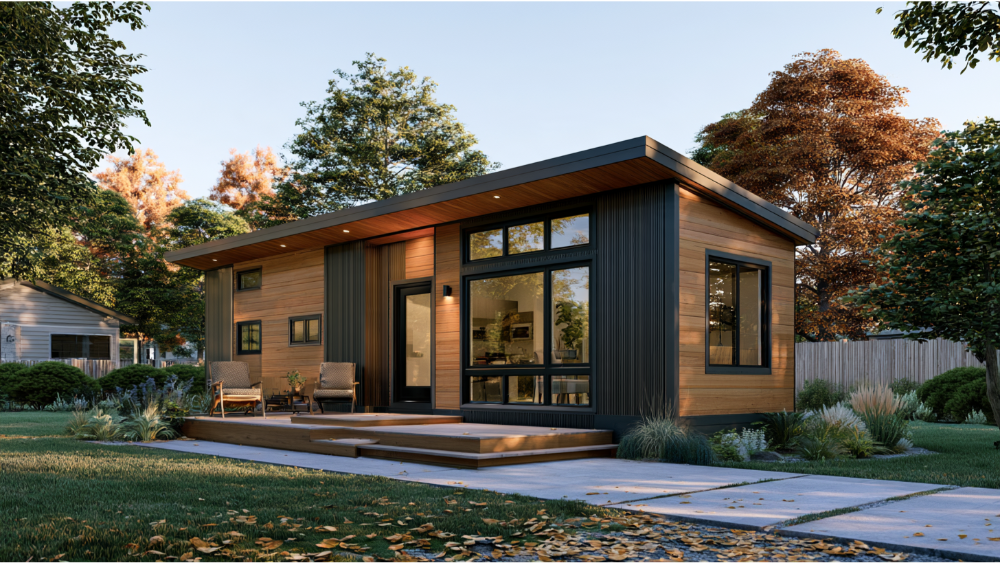
- Foundation-built tiny home or Accessory Dwelling Unit (ADU): designed, permitted, and inspected under local residential code. The 2024 International Residential Code (ICC, Appendix BB) describes a tiny house as 400 square feet or less excluding lofts, though appendices only apply where a jurisdiction adopts them.
- Manufactured home: under HUD’s federal definition, at least 320 square feet on a permanent chassis. Units built after June 15, 1976 carry a HUD certification label.
- Park model RV: built on a single chassis, certified to the ANSI A119.5 standard adopted by RVIA, with gross trailer area up to 400 square feet in setup mode, intended for temporary or seasonal recreational use.
- Tiny house on wheels: mobile by design, often titled as a trailer or RV.
- Owner-built or uncertified: insurable in some markets, but underwriters will want proof the wiring, plumbing, and structure meet recognized standards.
Insurance for a Foundation-Built Tiny Home or ADU
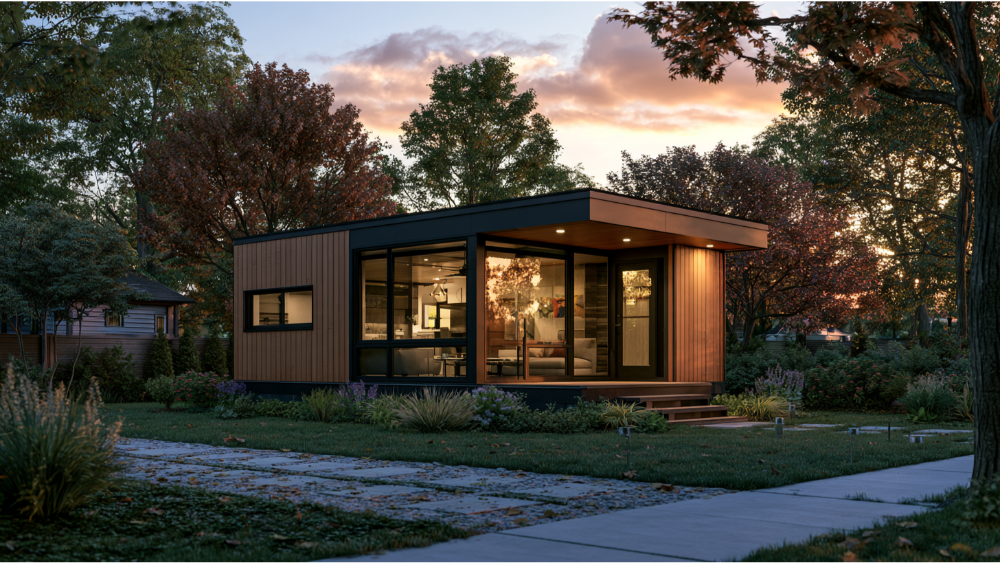
Dwelling coverage, other structures, or a separate policy?
A permitted unit on a permanent foundation can follow the property-insurance path. The NAIC describes the standard homeowners categories as dwelling, other structures, personal property, loss of use, personal liability, and medical payments, and its consumer guide names a guest cottage as an example of property falling under other structures. Depending on the carrier and how the unit is occupied, your ADU may be handled through an endorsement, increased limits, or a separate dwelling policy. None of that is automatic.
Why the other-structures limit may not be enough
The NAIC guide notes other-structures coverage is commonly set around 10% of the dwelling limit. On a finished ADU with a kitchen, bath, and full utility connections, that number can fall well short of actual rebuild cost. The same guide points out that claim payments may be reduced if dwelling coverage drops below 80% of full replacement cost.
Tell your insurer about the structure before it exists, and ask for the classification and the limit confirmed in writing.
How You Use the Tiny House Changes the Coverage You Need
The policy has to match how the home is actually used, not how it’s described on paper.
- Family or multigenerational occupancy: usually the simplest case, but still disclose who lives there.
- Full-time owner occupancy: policies written for occasional or recreational use may exclude it outright.
- Long-term tenant: landlord or rental-dwelling coverage, ideally with lost rental income. Your policy won’t cover a tenant’s belongings, so they need renters insurance.
- Short-term rental: the NAIC warns that standard homeowners and dwelling policies generally aren’t designed for home-sharing activity. Platform protection is not a substitute for property and liability coverage.
- Home office or business use: can trigger business exclusions.
- Vacant or seasonal periods: many policies restrict coverage after a set number of vacant days.
Insuring Tiny Houses on Wheels and Park Model RVs
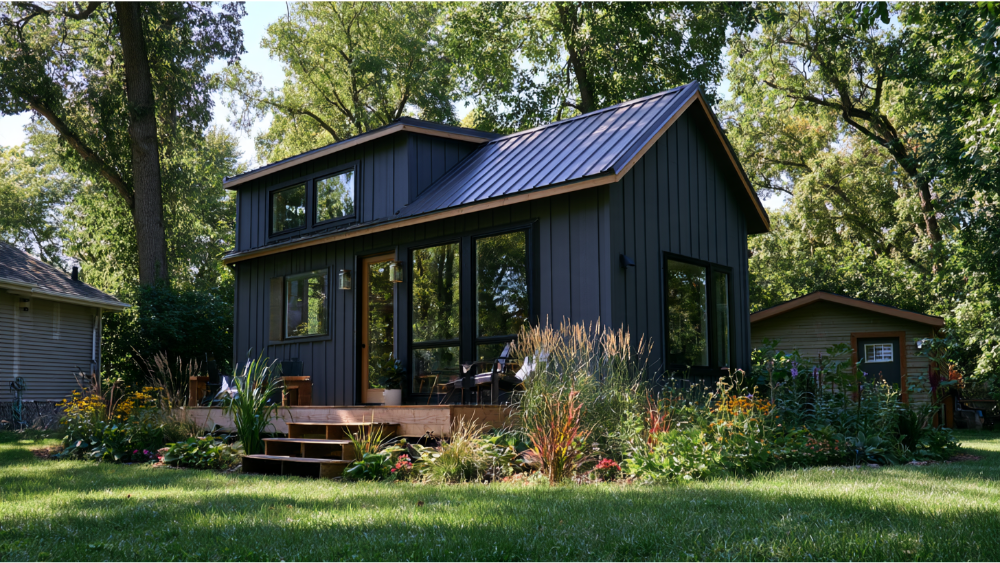
Wheeled units typically need an RV, park model, or specialty policy rather than a dwelling policy. Ask whether the policy permits full-time occupancy, because many are written for seasonal use. Ask when coverage begins: at the builder’s facility or only after installation. Confirm whether transit damage, theft, and contents are covered while moving, whether every location change must be reported, and whether parking location is restricted. Some national insurers also ask for a recognized third-party certification. Certification under a recreational vehicle standard doesn’t mean a unit is approved for permanent residential occupancy. That’s a separate local question.
What Tiny Home Insurance Typically Covers
- Structure: the physical building and its permanent systems.
- Installed equipment and attached improvements: cabinetry, built-ins, HVAC, utility connections.
- Personal property: belongings inside the unit.
- Personal liability: injury or damage claims tied to the property.
- Medical payments: smaller medical costs for guests hurt on site.
- Loss of use: living expenses while the home is uninhabitable.
- Rental income: where the unit is rented and the policy includes it.
- Transit coverage: for mobile units, by endorsement.
Replacement Cost vs. Actual Cash Value: Why It Matters More for Small Homes
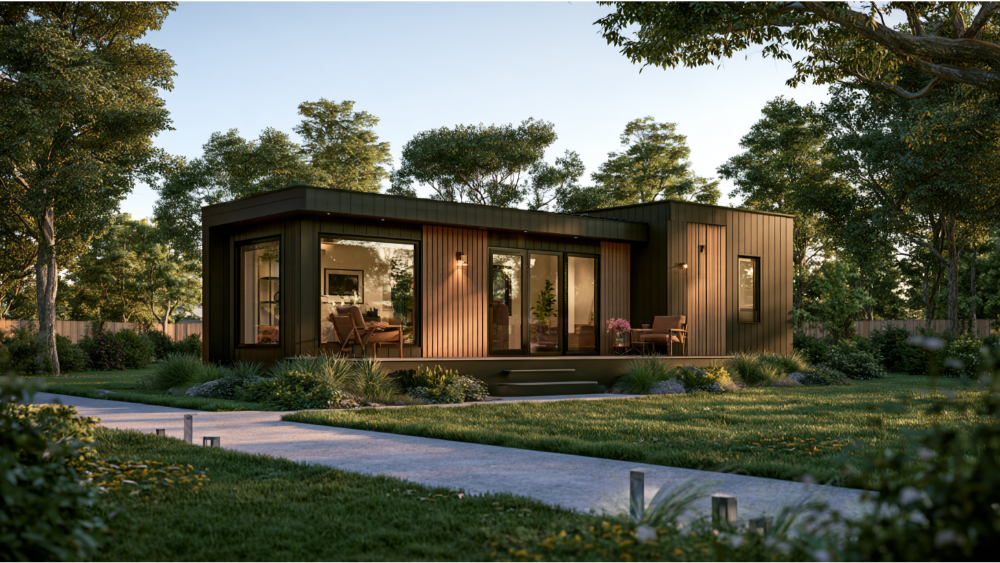
Replacement cost pays to repair or replace with materials of similar kind and quality, subject to policy terms and limits. Actual cash value subtracts depreciation for age and wear, which can mean a much smaller check after a total loss. Custom millwork and space-specific built-ins are expensive to reproduce even in 400 square feet, so insure for rebuild cost rather than land or resale value. Ask whether debris removal and code upgrades are included.
Common Exclusions and Coverage Gaps to Ask About
- Flood and earthquake, which require a separate policy or endorsement
- Sewer or water backup
- Ordinance or law coverage for code-required upgrades
- Wildfire, wind, or named-storm deductibles and restrictions
- Business and undisclosed rental use
- Vacancy periods and unreported relocations
- Off-grid power, batteries, generators, and solar equipment
- Decks, sheds, and detached utility or plumbing connections
Flood eligibility is its own puzzle. Under FEMA’s NFIP guidance, an insured dwelling generally must be affixed to a permanent site, a travel trailer must have its wheels removed to qualify, and a self-propelled motor home isn’t an eligible building. NFIP policies run a one-year term with a standard 30-day waiting period, with limited exceptions.
Insurance During Design and Construction: Who Carries Builder’s Risk?
Call your insurer before work begins. The III recommends notifying your carrier ahead of any major residential project, and a builder’s risk or course-of-construction policy may be needed to cover the developing structure, stored materials, theft, and weather damage. Settle who buys it. Then get proof of your design-build firm’s general liability and workers’ compensation coverage. The NAIC recommends verifying that coverage directly with the insurer rather than accepting a certificate at face value. A single design-build team keeps plans, permits, inspection records, and progress photos in one place, which makes that paperwork easier to produce on request.
What to Gather Before You Request a Quote
- Site address and placement on the lot
- Foundation or chassis details, square footage, and construction method
- Plans, engineering documents, permits, and inspection records
- Certificate of occupancy once issued
- HUD, ANSI, or other applicable labels, plus title or registration if it applies
- Builder information and electrical, plumbing, heating, and fuel system details
- Smoke alarms, extinguishers, sprinklers, tie-downs, solar, battery, and off-grid systems
- Estimated replacement cost, photos during and after the build, occupancy and rental plans, and claims history
On price: premiums vary widely by state, ZIP code, catastrophe exposure, valuation method, construction, and use. Published national averages often rest on a handful of sample quotes, so treat them as conversation starters and get property-specific quotes.
Questions to Ask Your Insurance Agent
- How will you classify this structure?
- Is it covered under dwelling, other structures, or a separate policy?
- Is the limit enough to rebuild the entire unit?
- Is this replacement cost or actual cash value?
- Does the policy allow full-time occupancy?
- Is long-term or short-term rental use covered?
- Is loss of use included?
- Is the home covered in transport, and must moves be reported?
- What’s excluded: flood, earthquake, wildfire, wind, sewer backup, code upgrades?
- What certifications, inspections, or permits do you require?
Ask for the answers in writing.
Why Insurance Planning Starts Before the Build
Classification and intended use shape design decisions early, so it pays to sort them out at the drawing stage. Permitted plans, engineering, inspections, and closeout records create a documentation trail an underwriter can follow, and one design-build specialist keeps that continuity from concept to completion. The insurer, not the builder, makes the final coverage decision.
A 1-hour project walkthrough with our team gives you a clear read on what your property can support, how the unit is likely to be classified, and which documents your insurance professional will probably ask for. Book a consultation at (916) 909-2387 or office@gsadus.com.
Frequently Asked Questions
Is it hard to insure a tiny home?
Not necessarily, but it takes preparation. Documentation, certification, and foundation status determine how easily a carrier can classify the structure, and a well-documented permitted build is simpler to underwrite than an undocumented one.
Will a major national insurance company cover a tiny home?
Availability varies by carrier, state, and structure type. Some write manufactured-home or RV products that may apply, others decline the risk or require third-party certification before quoting.
Does tiny home insurance work the same in every state?
No. Policy forms, product availability, and underwriting rules differ by state and carrier. Your state insurance department is the right place to confirm what’s offered where you live.
Does a tiny home qualify for a mortgage?
Financing depends on classification and permanence. A permitted dwelling on a foundation is treated differently from a wheeled unit, and lenders generally require insurance in place before funding.
Is my tiny home covered while it’s being transported?
Often not by default. Transit usually requires a specific endorsement or separate coverage, so confirm when coverage starts and whether contents are included.