
What Homeowners Need to Know in 2026
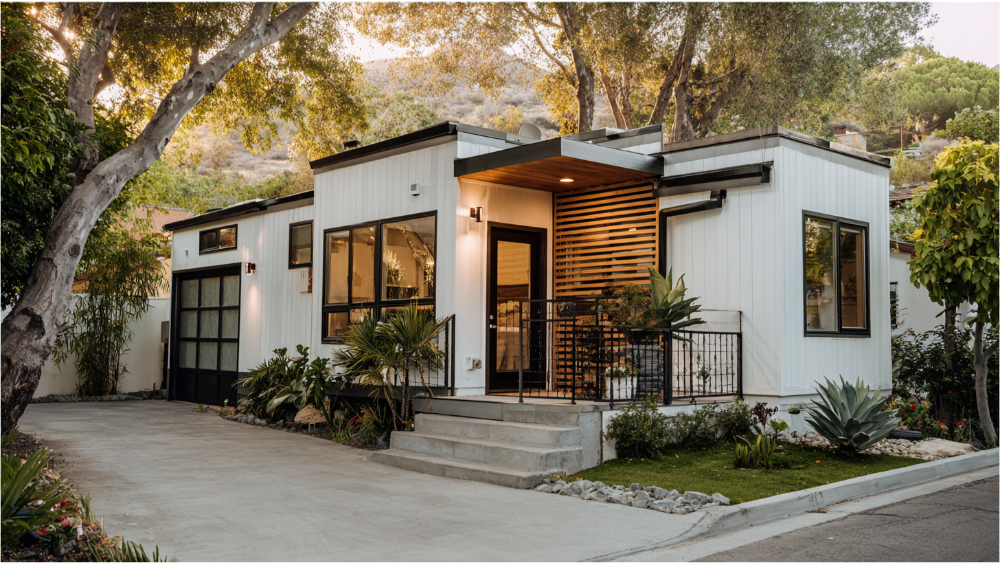
Tiny homes have become one of the most discussed housing solutions in California, especially for homeowners looking to generate rental income from their existing property. The tiny house movement has grown rapidly, with many tiny houses being marketed as affordable, flexible, and efficient living options. However, the real question many homeowners are wondering is: can tiny homes be used as rental properties in a legal and reliable way?
The question “can tiny homes be used as rental properties” is one more California homeowners are asking as housing demand increases and space becomes more valuable. The answer is yes, but only when the tiny home is properly built, permitted, and compliant with zoning laws so it qualifies as a legal rental property.
This guide explains everything homeowners need to know about tiny homes, rental property rules, rental income potential, construction requirements, and long-term investment value in California in 2026. It also includes resources and tips for landlords and investors who recently decided to enter this growing market.
What Counts as a Tiny Home in California?
Tiny Homes on Wheels vs. Permanent Structures
A tiny home can take several forms, and this distinction is critical for rental property use. Tiny houses on wheels are often classified differently from permanent housing structures. A tiny home on wheels is typically treated as a recreational unit rather than a full rental property.
Many tiny houses on wheels appeal to travelers, guests, or short-term vacation-style use, but they do not always qualify as a legal rental property. Because they are mobile, these tiny houses often stand outside traditional zoning laws that govern residential rental property use.
Permanent tiny homes built on a foundation are very different. These tiny homes are part of the land and existing property, and when properly built and approved, they can become full rental properties that generate consistent rental income.
Tiny Homes Built on Foundations
When building a tiny home on a permanent foundation, the structure becomes part of the residential property. These tiny houses must meet building codes, planning requirements, and local zoning laws. Once approved, the tiny home can function as a rental property that provides long-term rental income.
Many homeowners choose to build tiny homes as backyard cottages or secondary houses on their land. This approach allows them to create additional rental property value on existing property without purchasing new land. These tiny houses can include modern amenities, cozy interiors, and efficient use of space that appeals to renters and guests alike. Some even add features like a garden or porch to enhance the outdoor living experience, making the property more attractive to potential tenants.
Are Tiny Homes Legal to Rent in California?
The Key Rule for Rental Property Use
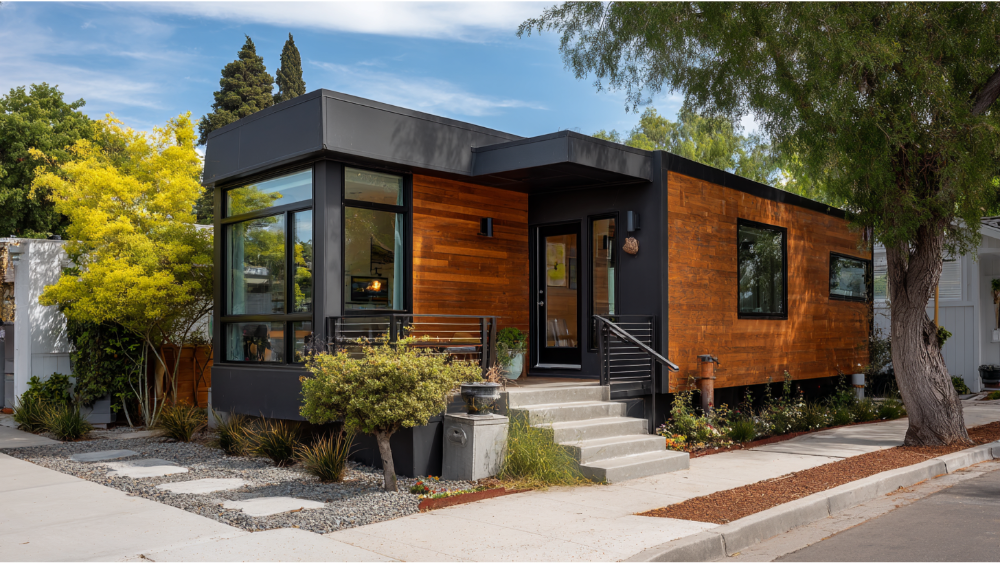
For any tiny home to be used as a rental property, it must be legally permitted. This means the tiny home must meet all building standards, pass inspections, and comply with zoning laws. Without permits, a tiny home cannot legally operate as a rental property.
Tiny houses that are not approved are often considered non-compliant structures, even if they are livable. This limits their ability to generate rental income or be used as long-term rental property assets.
Accessory Dwelling Unit Classification
In California, many tiny homes used as rental properties are classified as accessory dwelling units (ADUs). This classification allows homeowners to build a small secondary housing unit on their existing property. These tiny homes become legal rental properties when approved through the local planning process.
Accessory dwelling unit rules help homeowners build tiny houses that stand as full rental property units. These units support long-term rental income, provide housing for renters, and increase overall property value.
Why Legal Status Matters for Rental Property Success
Legal status affects everything in rental property ownership. A legal tiny home rental property can be insured, financed, and leased properly. An illegal tiny house cannot reliably generate rental income and may face penalties.
Homeowners who are building a tiny home must ensure the structure qualifies as a rental property before they begin renting it out. This protects both the owner and the renters living in the tiny home. It also makes sense for landlords to advertise their tiny home rentals on a dedicated website or rental platforms to reach the right audience and maximize bookings.
Can Tiny Homes Be Used as Long-Term Rentals?
Yes, When They Are Proper Rental Properties
Tiny homes can be used as long-term rental properties when they are properly built and approved. These tiny houses can be rented to tenants for extended periods, typically over thirty days, creating stable rental income for homeowners.
Many renters prefer tiny homes because they are affordable, private, and efficient. A well-designed tiny home rental property can attract consistent renters in competitive housing markets.
Rental Income Potential for Tiny Homes
Tiny homes can generate reliable rental income depending on location, size, and design. Homeowners often use tiny houses to supplement mortgage payments, increase income, or improve investment returns on existing property.
For example, renting out a tiny home for 22 nights at $150 per night can yield approximately $3,300 per month, making it a viable investment for those who can afford the initial money outlay. This steady income can help cover mortgage or maintenance costs and provide a financial cushion.
The rental property market in California supports strong demand for small housing units. Tiny homes often stand out as a great option for renters looking for affordable and cozy living arrangements.
Design Features That Improve Rental Value
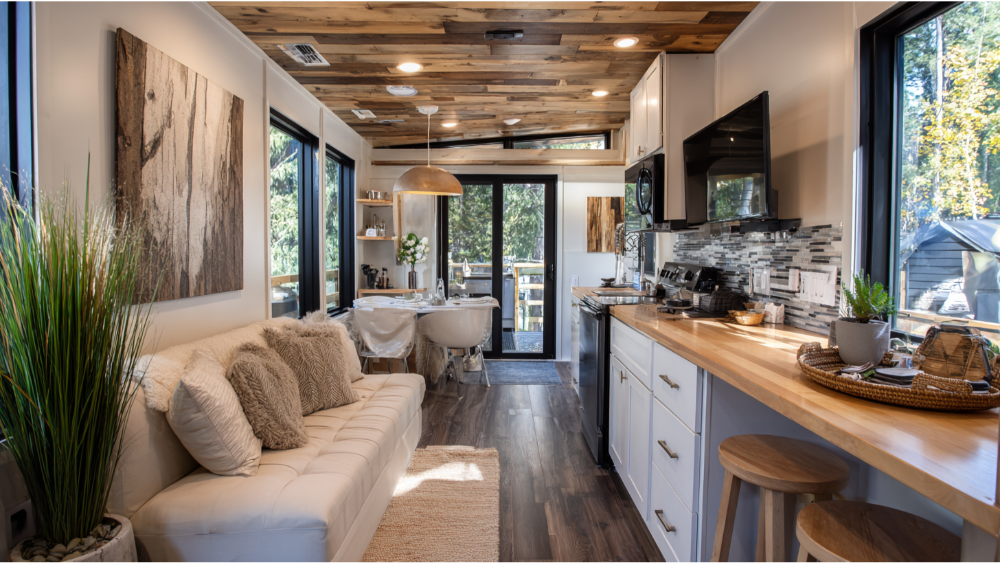
Tiny homes that function well as rental properties typically include modern amenities, smart storage, and efficient layouts. Renters prefer tiny houses that feel open, functional, and comfortable.
Features like private entrances, full kitchens, and updated bathrooms help increase rental value. Many tiny homeowners invest in design planning to ensure their rental property stands out in the market and attracts long-term renters. Adding a garden or outdoor seating area can also suit renters who enjoy walks or spending time in nature, such as nearby woods or quiet neighborhoods.
Can Tiny Homes Be Used for Vacation Rentals or Short-Term Rentals?
Short-Term Rental Limitations
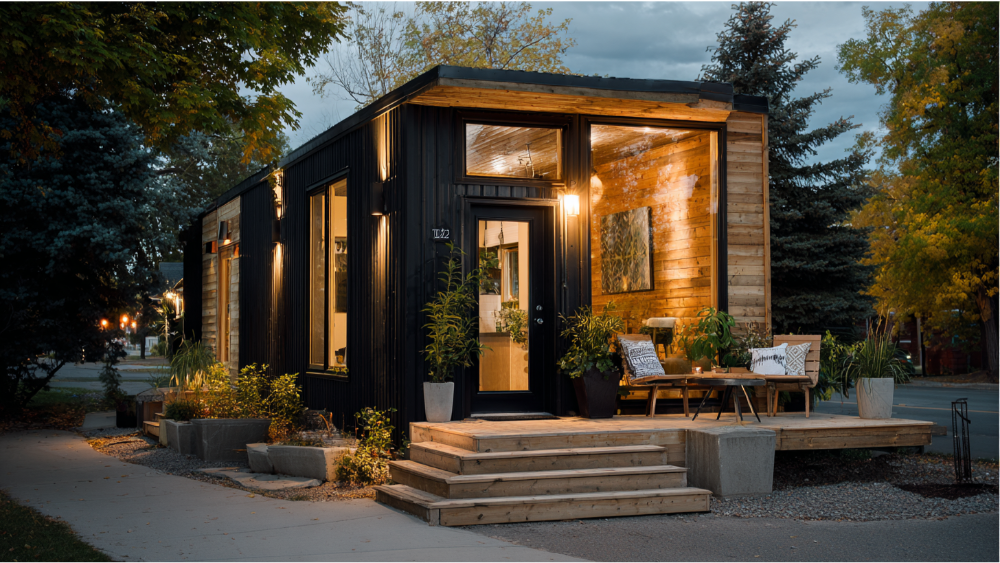
In many areas of California, tiny homes used as rental properties are restricted when it comes to short-term rentals. These restrictions are designed to protect housing supply and ensure tiny houses are used for residential purposes.
Tiny homes built after certain dates may not qualify for vacation rentals. This means homeowners cannot always rely on short-term rentals as an income strategy for their tiny home rental property.
Vacation Rental Market Demand
Even with restrictions, the appeal of tiny houses in the vacation rental market remains strong. Many travelers seek unique and cozy spaces when they spend time in California. Tiny homes offer a unique experience that appeals to many travelers looking for something different from traditional houses.
Homeowners can advertise their tiny homes on various websites and platforms to attract vacationers seeking a sense of adventure or a retreat in the woods or near the coast. Some owners even partner with friends or local businesses to promote their rentals and increase visibility.
However, homeowners must ensure compliance before listing a tiny home as a vacation rental property. Violating zoning laws can result in fines or loss of rental privileges.
Long-Term Rental Advantage
Because of regulations, long-term rentals are often the safer and more stable option for tiny homes. A tiny home used as a rental property for long-term tenants provides predictable income and reduces legal risk.
Tiny Homes on Wheels and Rental Property Limitations
Classification Challenges
Tiny homes on wheels are popular in the tiny house movement, but they are not always recognized as permanent housing. These tiny houses are often classified as recreational vehicles rather than full rental properties.
Because of this classification, they typically cannot stand as long-term rental properties on residential land. They may be used for temporary stays or in designated locations, but not as permanent housing rentals.
Rental Use Restrictions
Most tiny homes on wheels cannot be used as legal rental properties in residential neighborhoods. While they may appeal to travelers or temporary guests, they do not qualify as traditional rental property units.
Homeowners considering tiny houses on wheels should understand these limitations before investing in building a tiny structure for rental income purposes.
Financial Benefits of Tiny Home Rental Properties
Cost and Investment Considerations
Building a tiny home as a rental property involves construction cost, planning, and financing. While tiny houses are often seen as cheaper than traditional houses, they still require investment and careful planning.
Homeowners should consider how building a tiny home impacts their overall property value and rental income potential. A well-planned tiny home can increase long-term investment returns.
Investors recently entering the tiny home market should decide carefully based on available resources and the local rental market demand. Putting together a clear business plan and consulting professionals can help ensure success.
Rental Income Potential
Tiny homes can generate steady rental income when used as legal rental properties. Many homeowners use tiny houses to offset mortgage payments or create additional monthly income.
Rental property demand for small homes continues to grow, especially in California communities where housing costs are high.
Property Value Growth
Adding a tiny home rental property can increase overall property value. Buyers often see added value in homes with rental income potential. This makes tiny homes not just a housing solution but also a long-term investment strategy.
Planning and Building a Tiny Home Rental Property
Step-by-Step Building Process
Building a tiny home for rental property use requires careful planning. Homeowners must evaluate land use, design the structure, and follow zoning laws. After planning, the tiny home must be built and inspected to meet legal standards.
Each step ensures the tiny home becomes a fully functional rental property that can generate income safely.
Common Building Challenges
Homeowners building a tiny home often face challenges with permits, utilities, and space limitations. Proper planning helps avoid delays and ensures the rental property meets all legal requirements.
Importance of Professional Support
Working with experienced builders helps homeowners manage the process of building a tiny home rental property. Professional planning ensures compliance and improves long-term success.
Insurance, Maintenance, and Ownership Responsibilities
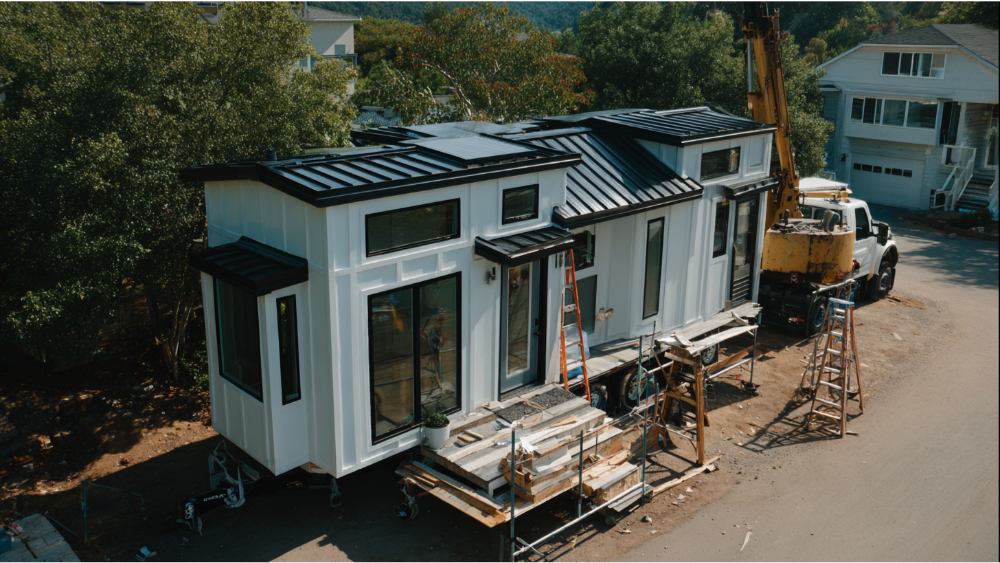
Tiny home rental properties require proper insurance coverage. Homeowners must also manage maintenance, repairs, and tenant needs. These responsibilities are similar to traditional houses and rental properties.
Maintenance plays a key role in keeping tiny houses attractive to renters and ensuring long-term rental income stability. A well-maintained tiny home rental property performs better in the market and retains renters longer.
Best Use Cases for Tiny Home Rental Properties
Tiny homes are often used for multigenerational living, guest housing, or rental income strategies. Many homeowners build tiny houses to house family members or create additional rental property income.
Tiny homes also help maximize existing property space. Instead of leaving land unused, homeowners can build a tiny home to create value and generate income.
Common Mistakes Homeowners Make

One common mistake is building a tiny home without permits and assuming it can be used as a rental property. Another mistake is assuming all tiny houses qualify for rental income use. Homeowners also sometimes overestimate short-term rental opportunities without understanding zoning laws.
Careful planning is essential before building a tiny home intended for rental property use.
How Tiny Homes Fit Into Modern Housing Trends
The tiny house movement continues to grow as housing demand increases. Tiny homes offer a flexible solution for homeowners looking to maximize space and create rental income. The appeal of tiny houses lies in their simplicity, efficiency, and affordability.
As housing markets evolve, tiny homes will continue to play a role in rental property development and investment strategies across California and beyond. The world is increasingly embracing smaller, resource-efficient homes that suit diverse lifestyles and financial goals.
Frequently Asked Questions (FAQs)
Can I legally rent out a tiny home on wheels in California?
Tiny homes on wheels are often classified as recreational vehicles and may not qualify as legal rental properties in residential areas. It’s essential to check local zoning laws and obtain the necessary permits before renting out a tiny home on wheels.
How much rental income can I expect from a tiny home in California?
Rental income varies by location and design, but a tiny home can generate steady income. For example, renting out a tiny home for 22 nights at $150 per night can yield approximately $3,300 per month, making it a viable investment.
Are tiny homes considered accessory dwelling units (ADUs)?
Many tiny homes built on permanent foundations are classified as ADUs in California. This classification allows homeowners to legally rent out the tiny home as a secondary dwelling on their property.
What are the financing options for building a tiny home rental property?
Traditional mortgages are often unavailable for tiny homes unless they are on permanent foundations. Homeowners may need to explore personal loans, RV loans, or cash purchases to finance their tiny home projects.
Do I need special insurance for a tiny home rental property?
Yes, tiny home rentals require appropriate insurance coverage to protect the property and comply with legal requirements. Consult with insurance providers familiar with tiny home policies to ensure adequate protection.
Can tiny homes be used for short-term vacation rentals?
While tiny homes appeal to vacationers, many California jurisdictions restrict short-term rentals of tiny homes to protect housing supply. Long-term rentals are generally a safer and more stable option legally.
Conclusion
Tiny homes present an innovative and flexible opportunity for California homeowners seeking to generate rental income and maximize their property value. When properly built, permitted, and classified—often as accessory dwelling units—tiny homes can serve as legal, long-term rental properties that attract a diverse range of tenants. While tiny homes on wheels offer mobility and unique appeal, they face more legal limitations as rental properties compared to permanent structures. Careful planning, adherence to zoning laws, and professional support are essential to successfully managing tiny home rentals. As the housing landscape evolves, tiny homes will continue to offer a practical and affordable solution for homeowners looking to invest in rental properties and explore new ways to pay for their homes in the dynamic California market.