
Understanding utility connections is one of the most important parts of planning an accessory dwelling unit (ADU) in California. The question what utility connections are required for an ADU comes up early in nearly every project because the answer directly impacts feasibility, design, budget, and permitting. Every successful ADU project depends on how well the utility connections integrate with the property’s existing infrastructure, including electrical, water, and sewer systems. Careful planning ensures the accessory dwelling unit meets all code requirements, passes inspection, and functions efficiently for long-term use.
Across California, from Sacramento to San Diego, homeowners are discovering that utility connections often determine whether an ADU construction project is simple or requires significant upgrades. These systems must follow strict building codes, local regulations, and sometimes involve coordination between multiple departments during the permitting process.
Why Utility Planning Is the Foundation of Every ADU Project
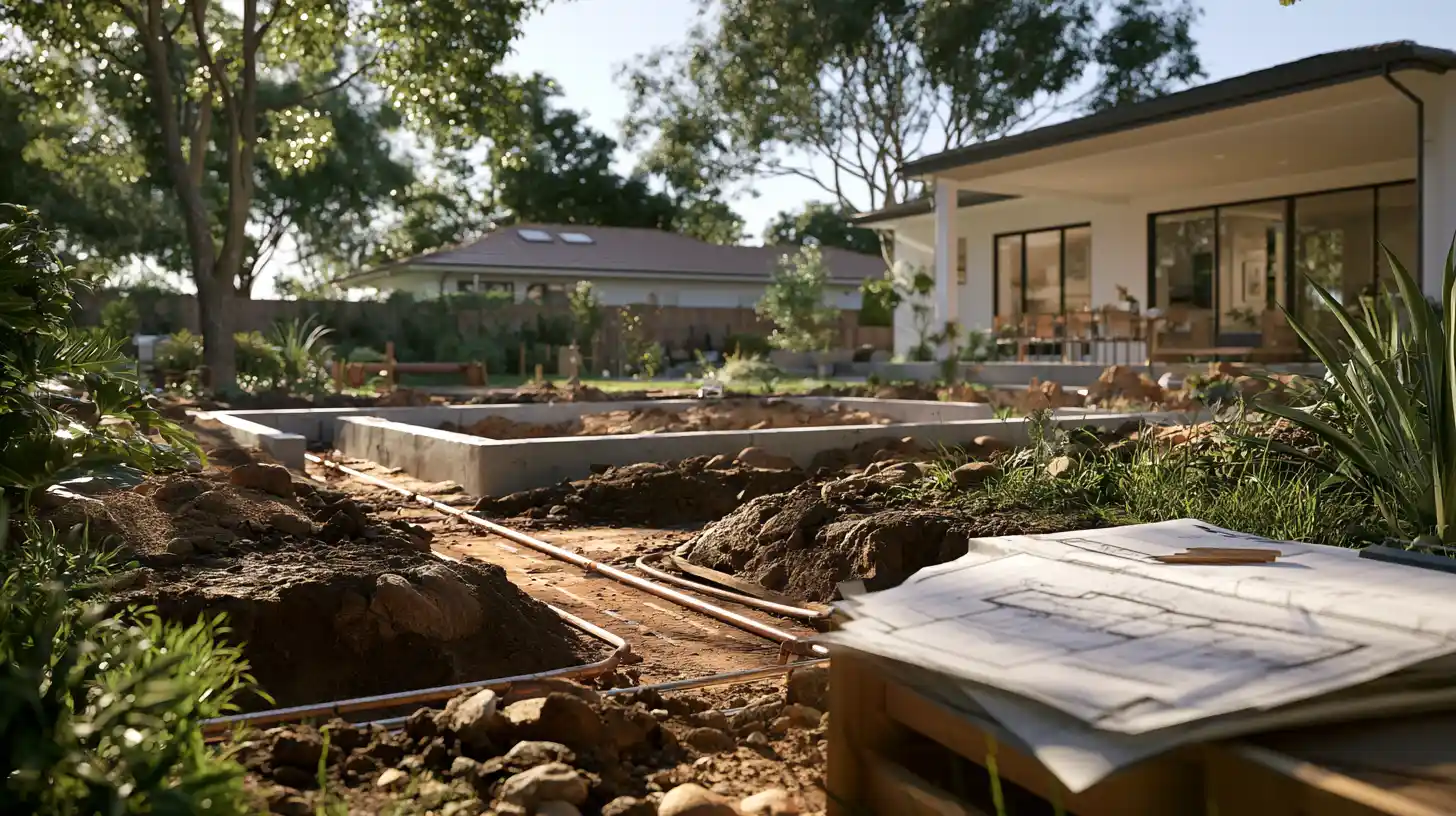
Every accessory dwelling unit (ADU) starts with design, but the real foundation is the utility connections. Without sufficient utility connections, even a well-designed small ADU cannot function properly.
Most ADU projects rely on the primary residence for shared infrastructure. This includes the main house electrical supply, water supply, and sewer system. However, the existing infrastructure must be evaluated carefully to ensure it can handle additional load from the new living space.
A key part of early planning involves checking whether the existing main electrical panel has enough power or requires electrical service upgrades. In many homes, load calculations determine whether the electrical service can safely support new major appliances, HVAC systems, and sometimes EV charging equipment.
Without proper evaluation, homeowners risk delays during permitting or issues when trying to pass inspection under the national electrical code and local code requirements. This is why understanding what utility connections are required for an ADU is essential before design decisions are finalized.
Do ADUs Require Separate Utility Connections?
Most cities allow shared systems for an accessory dwelling unit (ADU), meaning fully independent systems are not always required. However, some homeowners choose a separate meter installation for easier billing or rental tracking.
Shared vs Separate Utility Systems
In most cases, utility connections are shared with the primary residence. The water supply, sewer lateral, and electrical feed typically originate from the same source. A sub meter or separate meter may be added to help track usage or divide costs.
A separate meter installation is more common in rental-focused properties or where homeowners want to clearly track usage between the main house and the ADU. However, installing a separate meter may increase cost and require approval under local regulations.
When Separate Utilities Make Sense
A separate meter or independent utility connections may be beneficial when:
- The ADU is used as a long-term rental
- Homeowners want to track usage of utilities
- The existing sewer or electrical system needs segmentation
- Local rules in cities like San Diego require or influence separate billing in certain zones
Even when not required, a separate meter can simplify management of utilities like the water meter and electrical consumption.
California Utility Rules and State Law Context
California state law continues to simplify ADU development, reducing barriers around utility connections. While local regulations still apply, most jurisdictions must streamline approval pathways so ADUs remain feasible across residential areas.
Electrical Connections for an ADU
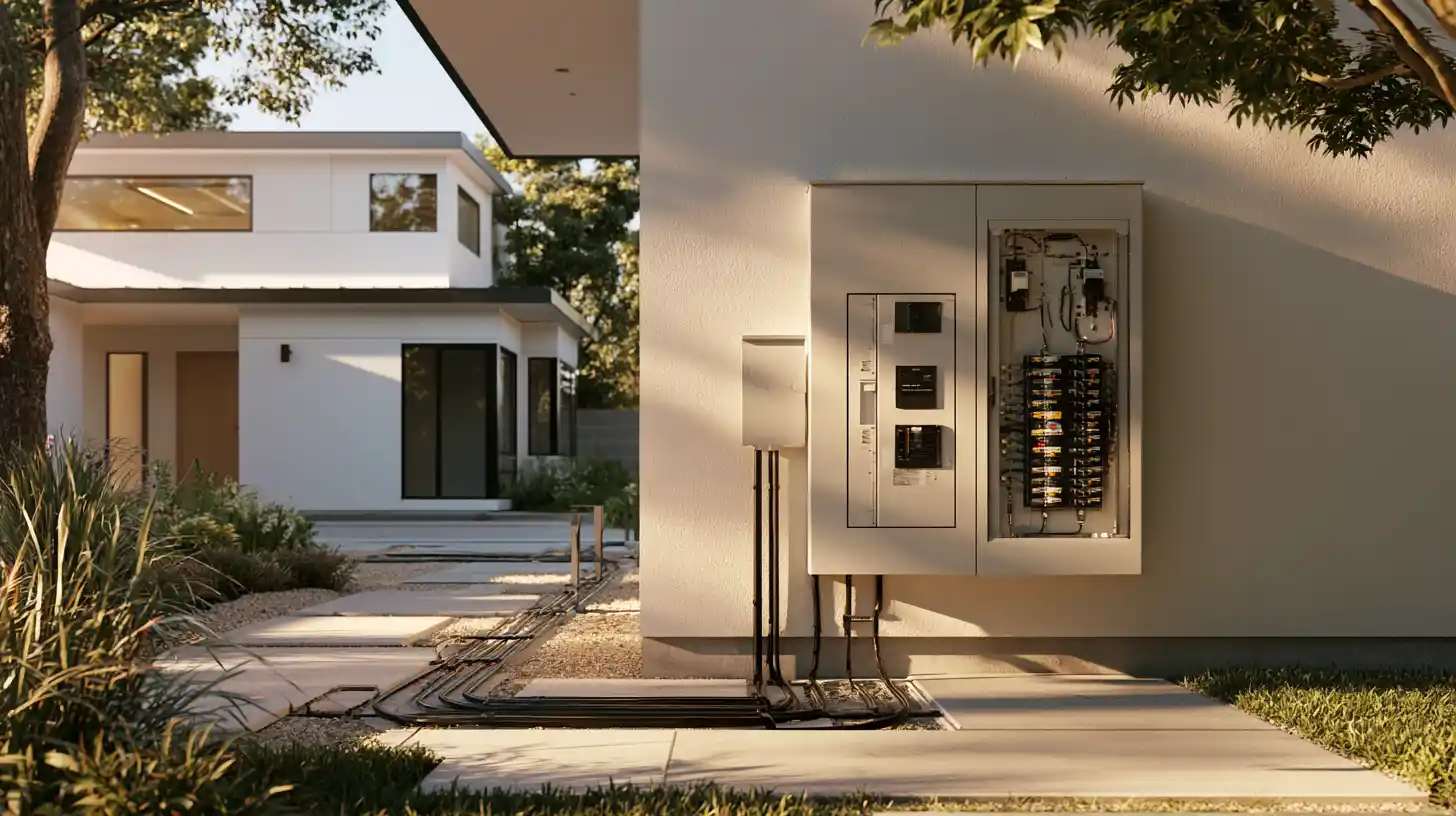
Electrical systems are one of the most important utility connections in any ADU construction project. Every accessory dwelling unit must have properly designed electrical systems that comply with the national electrical code and local code requirements.
How Electrical Service Is Provided
Most ADUs receive power from the main electrical panel of the primary residence. The existing main electrical panel is evaluated to determine if it can handle the additional load created by the ADU.
If capacity is insufficient, panel upgrades or full electrical service upgrades may be required. This ensures the system delivers enough power for heating, lighting, and major appliances.
Electrical Panel and Load Calculations
Proper load calculations are essential before construction begins. These calculations determine whether the electrical service can safely support:
- HVAC systems
- Kitchen appliances
- Lighting circuits
- Optional EV charging systems
In some cases, upgrading the electrical panel is required to ensure code compliant performance and safe operation.
Dedicated Circuits and EV Charging
Modern ADUs often include dedicated circuits for kitchens, laundry systems, and climate control. Many homeowners also plan for EV charging or a dedicated EV charger installation.
Some properties incorporate electric vehicle charging readiness as part of broader energy efficiency and solar readiness planning, especially when integrating solar panels.
Electrical Safety and Compliance
All electrical systems must include safety measures such as GFCI protection, proper grounding, and compliance with building codes. A licensed contractor is required in most jurisdictions to ensure all systems are code compliant and able to pass inspection.
Water Supply Connections for ADUs
Water is another essential component of utility connections for any accessory dwelling unit (ADU). The water supply system must be carefully designed to ensure proper flow, pressure, and compliance with local regulations.
Water Line and Meter Setup
Most ADUs connect to the existing water line of the primary residence. In many jurisdictions, a single water meter already serves the property. However, some projects require a new water meter or separate meter depending on city rules.
In cities like San Diego, water departments carefully evaluate meter placement, meter size, and system capacity to ensure reliable service. Proper meter sizing is essential for long-term performance and efficiency.
Plumbing Fixtures and Water Systems
ADUs include essential plumbing fixture installations such as sinks, showers, and toilets. These systems must connect to reliable water service lines that meet pressure and safety standards.
Hot water is typically provided through a water heater, often tankless in modern builds. Proper sizing ensures consistent performance and supports energy efficiency goals.
Water Efficiency and Code Requirements
Modern building codes emphasize conservation and performance. Efficient fixtures and optimized systems help reduce consumption while maintaining comfort and functionality.
Sewer and Wastewater Connections
The sewer system is one of the most heavily regulated and critical utility connections in an ADU. Every accessory dwelling unit (ADU) must connect to either municipal infrastructure or a septic system.
Sewer Lateral Connections
Most homes connect to a municipal system through an existing lateral that ties into the main sewer system. The sewer lateral must be inspected to ensure it can handle increased demand from the ADU.
In many cases, sewer lines require upgrades if they are undersized or deteriorated. This is especially common in older neighborhoods where existing sewer infrastructure has not been modernized.
Sewer Capacity and Upgrades
An ADU project often requires verification of sewer capacity. If the sewer lateral cannot support additional wastewater, upgrades are required before approval.
These improvements ensure compliance with code requirements and long-term system reliability.
Septic Systems for Rural Properties
For rural homes, a septic system replaces municipal sewer infrastructure. A septic system must be evaluated to determine whether it can handle additional wastewater from the ADU.
If capacity is insufficient, expansion or replacement of the septic system may be required before construction can proceed.
Gas Connections and Optional Utility Systems
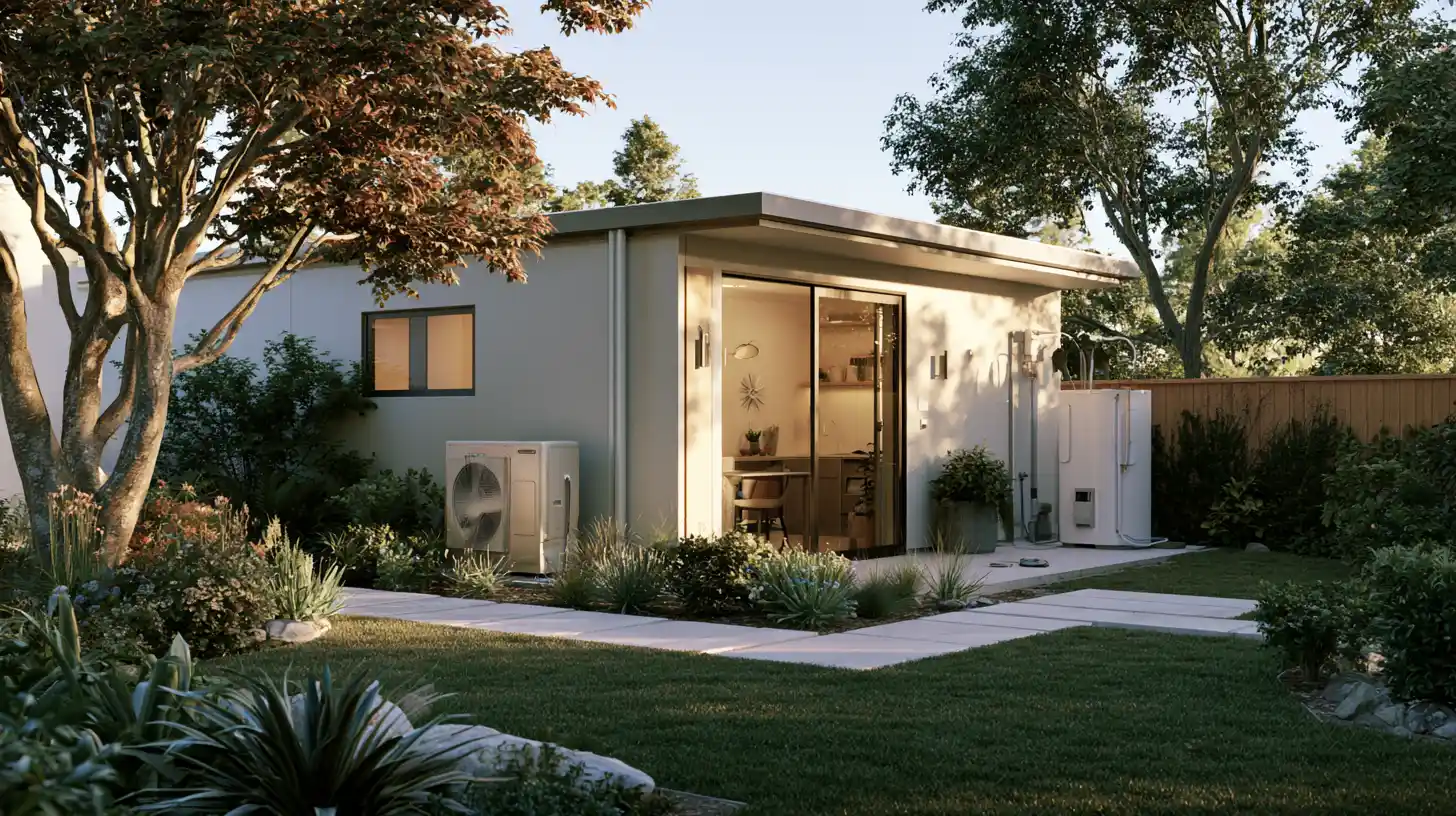
Gas is optional in modern ADU design, but gas connections are still common in some homes.
Gas Line Extensions
A gas line may be extended from the primary residence to support cooking, heating, or water heating. Some homes also maintain a gas meter depending on utility configuration.
Installing a gas line requires careful planning and compliance with local regulations, especially in dense residential zones.
Natural Gas vs Electric Systems
Many California homeowners are transitioning away from natural gas toward electric systems. Heat pumps now provide efficient HVAC systems that reduce reliance on combustion-based energy.
Gas Appliances and System Choices
Where used, gas appliances must be safely installed and vented. However, many homeowners choose electric alternatives to improve energy efficiency and reduce long-term maintenance.
Utility Upgrades and Planning Considerations
Most ADU projects require at least one infrastructure upgrade to support modern utility connections.
Electrical Service Upgrades
Older homes frequently require electrical service upgrades to support new ADU demand and ensure safe operation.
Sewer and Infrastructure Upgrades
If the sewer lateral or existing sewer is undersized, upgrades may be required to maintain system performance.
Trenching and Site Work
Detached ADUs often require trenching across the public right of way for utilities such as water and electricity, requiring coordination and permitting.
Attached vs Detached ADUs – Utility Differences

Attached ADUs
Attached units typically share most utility connections with the primary residence, making installation simpler and more cost effective.
Detached ADUs
Detached units require full extension of water supply, electrical, and sometimes gas systems, increasing complexity but improving independence.
Common Utility Mistakes in ADU Projects
Common mistakes include:
- Underestimating load calculations
- Ignoring meter size requirements
- Assuming existing sewer is sufficient
- Overlooking electrical capacity for EV charger installation
- Failing to plan for future energy efficiency upgrades
Frequently Asked Questions
What utility connections are typically required for an ADU?
An ADU usually requires connections to water, sewer, electrical, and optionally gas systems. These connections can be shared with the primary residence or installed separately depending on local regulations and property setup.
Do ADUs need separate electrical meters?
In many cases, ADUs share the electrical meter with the primary residence. However, some cities, like San Diego, require a separate electric meter for new ADUs to allow independent billing and prevent overloading.
How is the sewer connection handled for an ADU?
ADUs connect to the existing sewer lateral or municipal sewer system. The sewer lateral must be evaluated for capacity, and upgrades may be necessary. A cleanout is typically installed at the connection point for maintenance access.
Can an ADU use the existing water meter of the primary residence?
Yes, many ADUs use the existing water meter. However, depending on fixture counts and local rules, an upgrade to a larger water meter or a separate meter may be required to ensure sufficient flow.
Are gas connections mandatory for ADUs?
Gas connections are optional. Many modern ADUs opt for all-electric systems with heat pumps and induction stoves. If gas is used, connections must comply with local codes, and separate meters are generally not required unless vented gas appliances are installed.
What are common utility upgrade considerations for ADU projects?
Upgrades may include electrical panel sizing to at least 100 amps, sewer lateral capacity improvements, water meter sizing, and trenching for utility extensions. Proper planning helps avoid costly delays and ensures compliance with building codes.
Final Takeaway – Planning Utility Connections Correctly
Understanding utility connections is essential for every accessory dwelling unit (ADU). From the water meter and sewer lateral to the electrical panel and optional gas line, each system must be properly designed to support safe, efficient living.
When planned correctly, utilities ensure compliance with code requirements, reduce delays in the permitting process, and improve long-term property value. Proper coordination with a licensed contractor ensures the entire system remains code compliant, efficient, and ready for future needs like electric vehicle charging and improved energy efficiency.