
Understanding how do you finance a tiny home purchase in 2026 starts with one important reality. Financing depends less on the size of the structure and more on how the tiny home is classified, built, and approved by a lender. In today’s market, tiny home financing is closely tied to zoning rules, foundation type, income potential, and whether the project is treated as real estate or personal property. For many homeowners exploring affordable housing solutions, this decision directly impacts monthly payments, loan approval, down payment requirements, and long term value.
Across California and other states like Florida, Wisconsin, and Minnesota, tiny home financing continues to expand, but lenders still apply strict rules and restrictions. Whether you are planning a tiny house, a tiny home, or a full accessory dwelling unit on your property, understanding financing structure helps you secure approval faster and avoid costly mistakes. Many members seeking financing appreciate working with lenders who provide great service and clear communication, often available during eastern time business hours for convenience.
Why tiny home financing is different from traditional homes
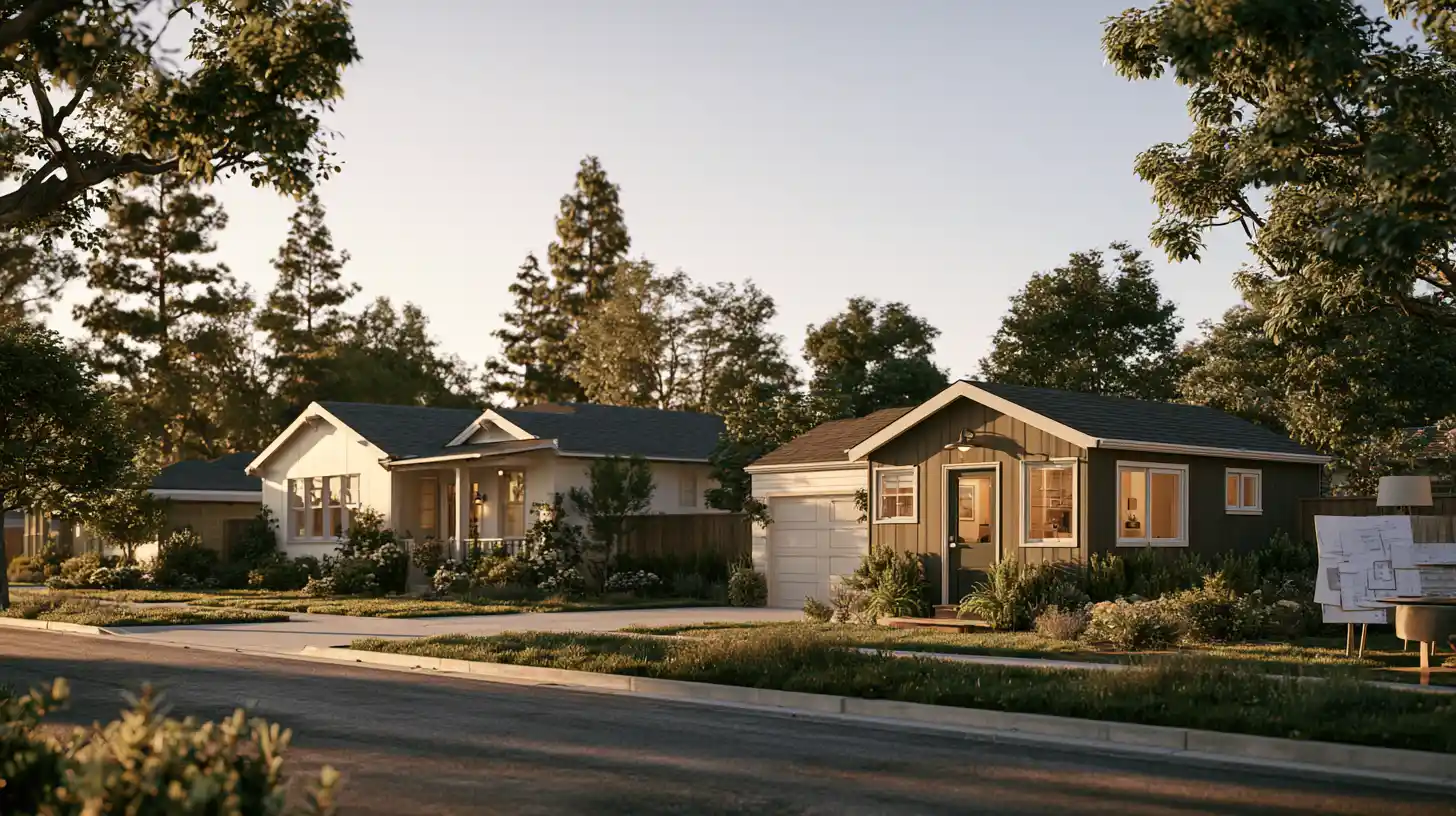
Tiny home financing is not the same as financing traditional homes. A traditional mortgage is designed for standardized housing that meets long term residential lending rules. A tiny home, however, may be classified as real estate, manufactured housing, or personal property depending on its design.
When a tiny home is built on a permanent foundation, it is more likely to qualify for a mortgage or construction loan. When it is built on wheels, lenders often treat it as personal property, which changes the loan structure, interest rate, and repayment terms. This classification affects financing, loan approval, and monthly payments, influencing how much you will pay over time.
This classification affects financing, loan approval, and monthly payments. It also affects how lenders evaluate risk, income stability, debts, and property value.
Many lenders require detailed documents, permits, and construction plans before approving financing. These documents help confirm that the tiny home complies with zoning rules and local building codes, helping borrowers avoid trouble during the approval process.
Understanding tiny home financing categories
Tiny homes on permanent foundation
A tiny home on a permanent foundation is the most favorable option for financing. This type of structure is often treated as part of real estate and may qualify for mortgage products, refinancing options, and long term fixed rate loans.
Homeowners can use financing options such as construction loans, refinance programs, and home equity loan structures. These options often provide lower interest rates, predictable monthly payments, and longer repayment terms, allowing borrowers to save money in the long run.
A permanent foundation also increases eligibility for lenders because it reduces risk and improves long term property value potential. It also aligns with affordable housing goals in many states, adding benefits such as tax advantages and increased marketability when you decide to sell.
Tiny homes on wheels
A tiny house on wheels is treated differently by lenders. It is usually classified as personal property or manufactured style housing. This means financing is often handled through RV loans, chattel loans, or personal loan products.
These loans tend to have higher interest rates, shorter time frames, and different payment structures. While approval may be faster, the long term financing cost is often higher compared to traditional mortgage financing, making it harder to afford for some buyers.
Many buyers choose this option for flexibility, but it may limit refinancing opportunities later and present hurdles when trying to invest in upgrades or expansions.
Main tiny home financing options in 2026

Home equity financing and refinance options
One of the most common methods of tiny home financing is using home equity. Homeowners use refinance options or home equity loans to access funds based on existing property value.
This method often provides lower rates compared to unsecured lending. Monthly payments are more predictable, and the loan structure can support larger construction budgets, allowing you to confidently invest in your new home.
A refinance may also allow homeowners to secure better interest rate conditions if market rates change. This can improve long term affordability and reduce financial pressure, helping you save on overall costs and taxes.
Construction loans and mortgage based financing
Construction loans are widely used for tiny home projects that involve building on land. These loans release funds in stages based on construction progress and approved plans.
Once construction is complete, the loan may convert into a traditional mortgage. This structure helps align financing with building phases and ensures lenders maintain security throughout the process.
These loans require strong documentation, including plans, permits, and contractor details. Lenders carefully review credit, income, debts, and overall financial stability before approval.
FHA and renovation loans
FHA 203k loans and renovation loans allow homeowners to finance both property purchase and construction improvements. These loan products are especially helpful for buyers who want to combine home upgrades with tiny home or accessory dwelling unit development.
These loans are often considered low down payment options, making them more accessible to a wider range of borrowers. They also allow financing based on future value after construction is complete.
Personal loans and small scale financing
Personal loans are a fast funding option for smaller tiny home projects. These loans do not require property security and can be approved quickly.
However, interest rates are usually higher, and loan amounts may be limited. Monthly payments depend on credit strength and lender terms.
This option is often used for prefab tiny home purchases or partial project funding. Borrowers should be aware of eligibility requirements and potential hurdles to avoid trouble.
RV and chattel loans for mobile tiny homes
For tiny houses on wheels, RV loans and chattel loans are common financing methods. These loans are secured by the tiny home itself rather than land or property.
They often come with higher interest rates and shorter repayment schedules. However, they provide access to financing for buyers who may not qualify for traditional mortgage products.
Cost structure and financial planning for tiny home projects
Understanding costs is essential before applying for any loan. Tiny home costs vary widely based on size, design, land, and construction quality.
In most markets, entry level tiny home projects are more affordable than traditional homes, but high end builds can still reach significant cost levels.
Costs include construction, permits, utilities, foundation work, and land preparation. These factors directly influence loan size, monthly payments, and approval likelihood.
Proper planning helps homeowners estimate loan requirements and secure approval more efficiently, empowering them to make informed decisions about how to pay and invest wisely.
What lenders evaluate during approval
Lenders review several key factors before approving financing for a tiny home.
Credit history plays a major role in determining eligibility. Income stability is also important because lenders want assurance that monthly payments can be maintained consistently.
Debt levels are reviewed closely to ensure borrowers are not overextended. A strong debt to income ratio increases approval chances.
Property classification is another major factor. A tiny home on a permanent foundation is more likely to be approved than a mobile structure.
Local zoning rules and building regulations also affect approval outcomes. Compliance improves lender confidence and reduces financing risk.
Step by step financing process
Step 1 | Identify your tiny home type
Determine whether the project is a tiny house on wheels or a permanent foundation structure. This classification will determine financing options and lender eligibility.
Step 2 | Review budget and loan needs
Estimate total project costs including construction, land, and utilities. This helps determine loan size and payment expectations.
Step 3 | Submit loan request
A loan request is submitted to a lender based on your financing plan. This includes financial documents, income verification, and property details.
Step 4 | Lender review and approval
The lender reviews credit, income, debts, and property classification. If approved, financing terms are provided including interest rate and repayment structure.
Step 5: Construction and funding release
Funds are released based on construction progress or loan type. Construction loans release funds in stages, while personal loans release funds upfront.
Common mistakes in tiny home financing
Many borrowers underestimate the importance of classification and zoning rules. This can lead to loan denial or delays.
Another common mistake is choosing the wrong loan type based on short term convenience instead of long term cost.
Some homeowners fail to account for full project costs including land, utilities, and construction.
Avoiding these mistakes improves approval chances and helps secure better financing outcomes.
Why ADU style tiny homes offer the best financing path
In many cases, accessory dwelling units provide the strongest financing options. Because they are built on permanent foundations and classified as real estate, they qualify for mortgage products, refinance programs, and long term lending structures.
This makes them more stable from a financial perspective and often more valuable in the long term.
Working with an experienced builder like Golden State ADUs helps homeowners navigate design, permitting, and construction with confidence. This improves financing approval rates and ensures projects meet lender requirements from the start.
Frequently asked questions
How do you finance a tiny home purchase in 2026?
You finance a tiny home purchase through construction loans, mortgage products, refinance options, RV loans, or personal loans depending on classification and property type.
What affects monthly payments on a tiny home loan?
Monthly payments depend on loan amount, interest rate, repayment term, and lender structure.
Can you use a mortgage for a tiny house?
Yes, but only if the tiny house is on a permanent foundation and classified as real property.
Do tiny homes require a low down payment?
Some financing options offer low down payment structures, especially FHA based programs and certain construction loans.
Conclusion
Financing a tiny home in 2026 requires understanding how lenders classify property, evaluate risk, and structure loan options. Whether you choose a tiny house on wheels or a permanent foundation build, your financing path will determine monthly payments, approval speed, and long term affordability.
For homeowners seeking affordable housing solutions and long term value, ADU style tiny homes remain one of the strongest financing options available. With the right planning, documentation, and lender strategy, securing financing becomes a structured process rather than a challenge. Whether you contact a lender by phone, in person, or online through a service page, having the power of knowledge and great service on your side will help you confidently afford and enjoy your new home.