
Off Grid Does Not Mean Without Utilities
Understanding what utilities are required for off grid tiny homes is essential for any homeowner considering tiny house living in California or other regions where rural areas and remote locations are becoming more attractive for financial freedom and lifestyle flexibility. A tiny home or tiny house is often assumed to operate without infrastructure, but in reality, every off grid tiny home depends on carefully designed utilities, power systems, water systems, and waste management systems to function safely and efficiently.
The phrase what utilities are required for off grid tiny homes comes up frequently because most property owners underestimate how much electricity, water, and system integration is still needed even when disconnected from the grid. Off grid living does not remove the need for utilities; it changes how power, electricity, water, and waste are generated, stored, and used.
Instead of relying on the grid or existing sewer infrastructure, a tiny house relies on off grid power, solar panels, generator backups, rainwater harvesting systems, septic systems, and other off grid solutions to meet daily power requirements and energy consumption needs. Many tiny house owners pursue this lifestyle for financial freedom, environmental impact reduction, and independence from the power grid, but success depends on proper system design that ensures enough energy and clean water for daily living.
Understanding Off Grid Tiny Homes vs Standard Tiny House Living
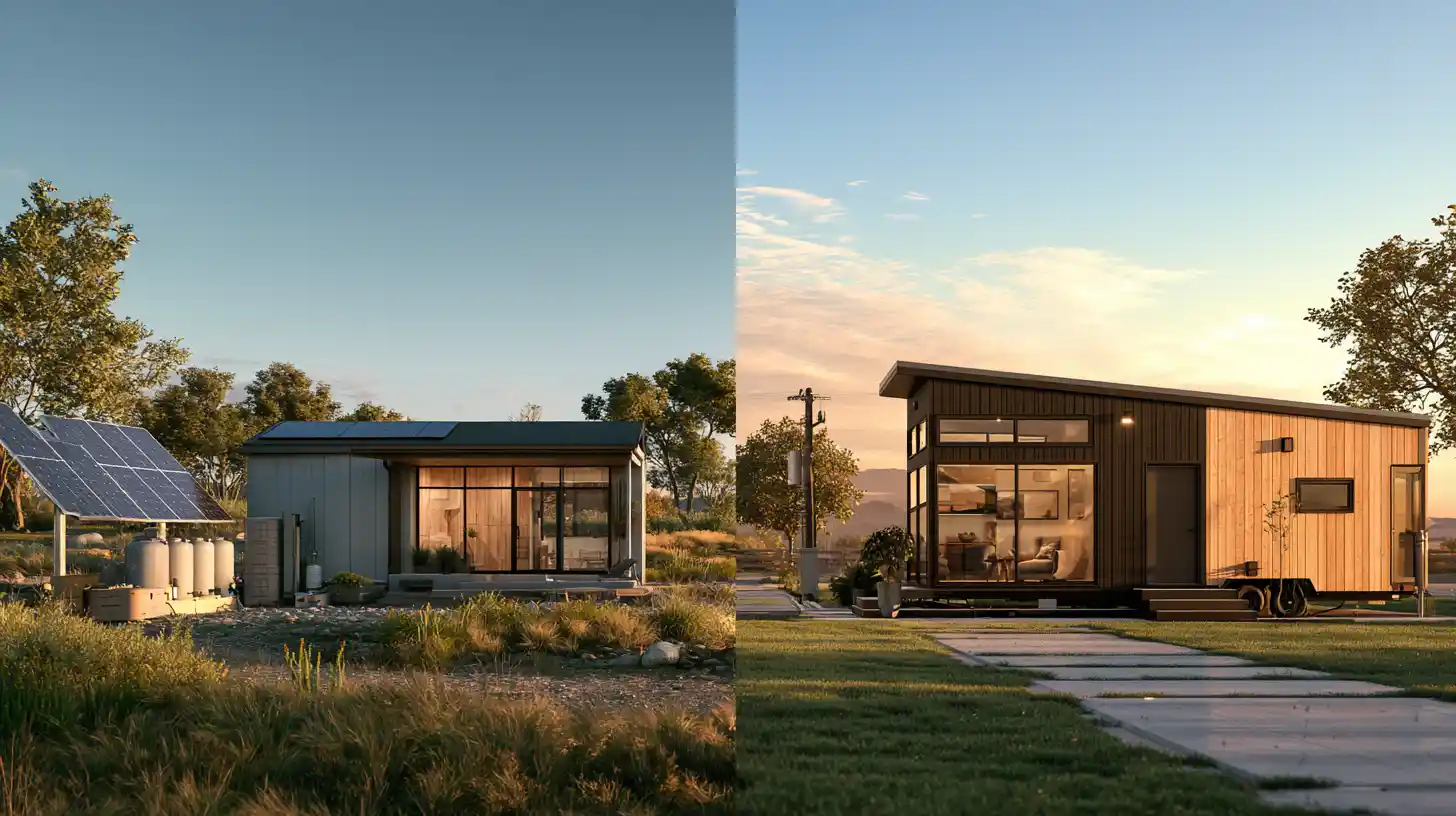
What Off Grid Means for a Tiny Home in 2026
An off grid tiny home is a small house or tiny home that does not rely on the grid or existing homes utility connections for electricity, water, or waste disposal. Instead, it uses off grid systems such as solar panels, wind power in limited cases, generator systems, rainwater harvesting, and septic tank systems to generate electricity and manage daily utilities.
Many tiny home owners choose off grid setups in rural areas or remote locations where hookups to the power grid are unavailable or too expensive. Some tiny homes are also placed in RV parks where limited hookups exist, but off grid systems still supplement power and energy needs when grid access is restricted or inconsistent.
Tiny Homes vs Tiny Houses and Small House Living
A tiny house, tiny home, or small house all share similar principles, but tiny house living emphasizes minimal consumption, reduced energy usage, and simplified utilities systems. However, even a tiny home requires electricity, water, heating, lights, appliances, toilets, showers, and proper waste management to support daily life.
Off grid tiny homes are designed differently from existing homes connected to the grid. They must be self-sufficient systems that can generate electricity, store power, and manage water and waste without external utilities.
Why Utilities Must Be Planned Early
Utility planning is critical for tiny home owners because system design impacts land use, building codes, and installation costs. Local building codes and broader building codes determine what types of septic system, composting toilet, or rainwater harvesting systems are allowed. Property owners must plan utilities early to ensure compliance and avoid expensive redesigns once construction begins on land in rural or semi-rural zones.
Electrical Power Systems for Off Grid Tiny Homes
Solar Panels as the Main Power Source
Solar panels are the most important component of off grid power systems for a tiny home. Solar panels capture solar energy from the sun and convert it into electricity that can be used or stored. Most tiny home systems rely on multiple solar panels installed on the roof or nearby land to generate electricity for appliances, lights, and energy systems.
A typical tiny home may use several solar panels depending on power requirements and consumption levels. Solar systems must be sized correctly to ensure enough energy is produced to support daily life without relying too heavily on the grid or backup generators.
Solar Power Storage and Batteries
Solar power alone is not enough for off grid living. A tiny home requires energy storage systems such as batteries and tanks for electricity storage. These systems store excess solar energy generated during the day for use at night or during low sunlight periods.
Energy storage is essential for maintaining consistent electricity in off grid setups, especially in remote locations where grid access does not exist. Without proper storage, power interruptions would limit basic electricity use.
Generator Backup and Wind Power
While solar panels are the primary power generation method, some off grid tiny homes also use generator systems or wind power. Wind power can supplement solar energy in specific climates, although it is less common. Generators provide backup electricity when solar or battery systems are insufficient.
Generators are often used in RV parks or transitional off grid setups where grid connections or hookups are limited but occasional backup power is still needed.
Water Systems for Off Grid Tiny Homes
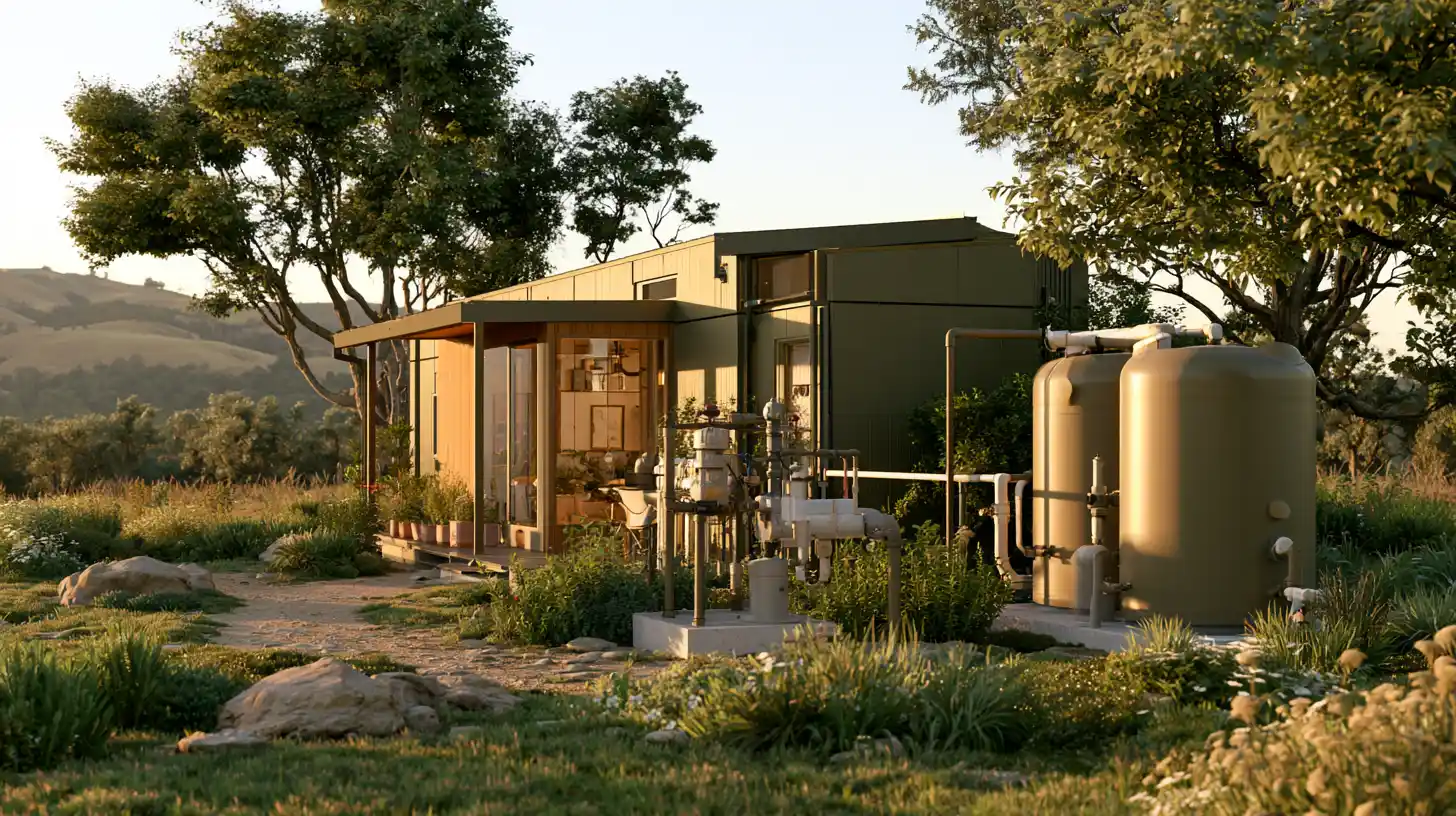
Rainwater Harvesting Systems and Water Collection
Water is one of the most important utilities in a tiny home. Rainwater harvesting systems allow homeowners to collect rainwater from the roof and store it in water tanks for future use. These systems are common in off grid living because they provide a renewable source of fresh water that reduces dependency on the grid and municipal systems.
Many tiny home owners collect rainwater for irrigation, cleaning, or non-potable use, while filtration systems ensure drinking water safety.
Wells, Tanks, and Water Storage
In addition to rainwater harvesting systems, many off grid tiny homes rely on wells or large water tanks. Water tanks store fresh water and allow homeowners to maintain a consistent supply of water for kitchen sink use, showers, and toilets.
A pump system is often used to move water from tanks into the home. Pumps are essential components of off grid water systems and must be properly sized for efficiency and reliability.
Filtration Systems and Clean Water Access
Filtration systems are necessary to convert collected water into drinking water. These systems remove contaminants and ensure safe use for cooking, cleaning, and personal hygiene. Without proper filtration systems, water collected from rainwater or wells may not meet safe drinking water standards.
Waste Management and Wastewater Systems
Septic Systems and Septic Tanks
Waste management is a major consideration in off grid tiny homes. A septic system or septic tank is commonly used to manage waste when there is no connection to existing sewer systems or the grid. Septic systems process wastewater and safely return treated water to the ground through a French drain or similar soil absorption system.
Proper installation must comply with local building codes and environmental regulations to ensure safe waste management.
Composting Toilets and Incinerating Toilets
Many tiny home owners use composting toilets or incinerating toilets as part of their waste management systems. Composting toilets reduce waste volume and minimize environmental impact, while incinerating toilets burn waste to ash and reduce water consumption.
Toilets in tiny homes must be carefully selected based on system capacity, water availability, and local building code requirements.
Solid Waste and General Waste Management
Solid waste and general waste must also be managed properly in off grid systems. Waste management includes recycling, composting, and responsible disposal methods that reduce environmental impact and keep the tiny home functional and sanitary.
Heating, Cooling, and Energy Systems
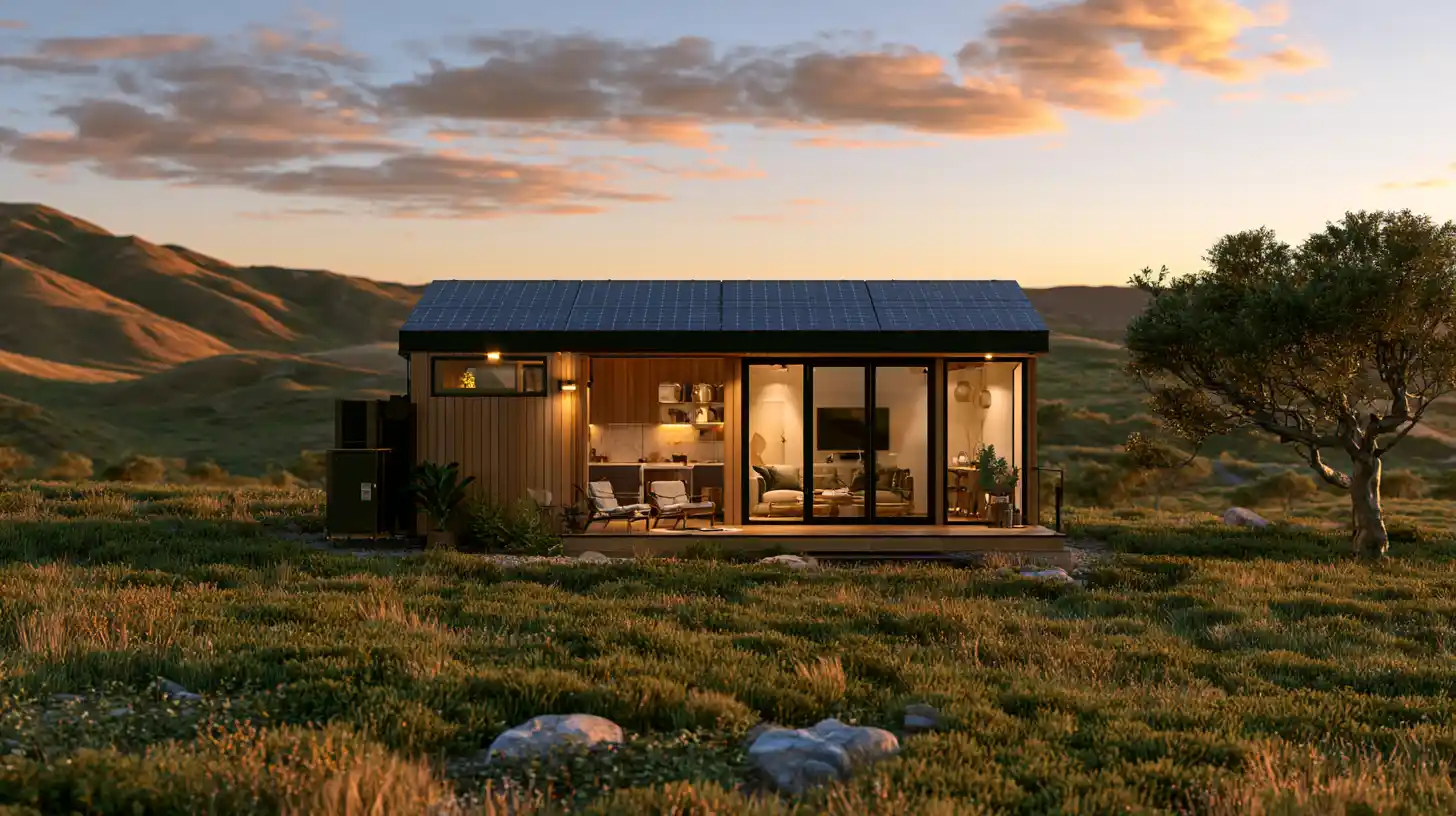
Solar Energy and Heating Systems
Solar energy is not only used for electricity but also supports heating systems in a tiny home. Solar powered systems can reduce reliance on gas or grid electricity while maintaining indoor comfort.
Wood Stove and Gas Systems
Some tiny homes use wood stove systems for heating, especially in colder climates or remote locations. Gas systems may also be used for cooking or water heating when solar energy alone is not enough.
Energy Efficiency and Consumption Management
Energy efficiency is critical in off grid living. Tiny house owners must manage consumption carefully to ensure enough energy is available from solar panels and battery storage systems. Appliances, lights, and systems must be selected based on low power usage to maintain balance between energy generation and consumption.
Internet, Communication, and Modern Utilities
Satellite Internet and Connectivity
Internet access is now a required utility for many tiny home owners. Satellite internet systems allow connectivity in remote locations where the grid does not provide infrastructure. Satellite internet supports work, communication, and entertainment in off grid environments.
Mobile and Rural Connectivity Systems
In rural areas, cellular boosters and wireless systems help improve communication access. These systems are essential for modern off grid living and ensure the tiny home remains connected even without traditional grid infrastructure.
System Integration and Off Grid Design
Combining Power, Water, and Waste Systems
Off grid systems must work together. Power, water, and waste systems are interconnected in a tiny home. Solar panels provide electricity for pumps, pumps move water from tanks, and filtration systems ensure clean water for daily use.
Everything must be designed as a complete system rather than separate utilities to ensure reliable off grid performance.
Planning and Installation Considerations
Proper planning ensures all systems are correctly installed. Install processes must follow building codes and local regulations. A licensed electrician is often required for solar panels, electrical systems, and generator integration.
Planning Off Grid Tiny Homes in Real World Conditions

Land and Location Considerations
Choosing land is critical for off grid tiny homes. Remote locations require more self-sufficient systems, while RV parks may provide partial hookups to grid utilities. Land selection impacts solar exposure, water access, and waste system design, all of which affect long term system performance.
Costs, Efficiency, and Financial Freedom
Home costs for off grid tiny homes vary depending on system complexity. While initial installation may be higher, many property owners choose this path for financial freedom and reduced reliance on grid utilities.
Efficiency in solar panels, energy systems, and water management reduces long term costs and improves sustainability.
Common Mistakes in Off Grid Living
Many tiny house owners underestimate power requirements, water usage, and waste management needs. Without proper planning, systems may fail to deliver enough energy or clean water for daily life in off grid conditions.
Frequently Asked Questions
What utilities are essential for off grid tiny homes?
Essential utilities include solar power systems for electricity, water collection and filtration systems, septic or composting toilets for waste management, and heating solutions such as wood stoves or propane systems. Internet connectivity through satellite or cellular boosters is also important for modern living.
How is hot water typically supplied in off grid tiny homes?
Hot water is usually provided by propane-powered on-demand water heaters or solar water heating systems. These options are energy-efficient and do not rely on grid electricity, making them suitable for off grid living.
Can off grid tiny homes use standard hook ups if available?
Yes, if the location offers hook ups such as water, electricity, and sewer connections, tiny homes can connect to these standard utilities. However, many off grid tiny homes are designed to operate independently without relying on such hook ups.
How much space is needed for utilities in an off grid tiny home?
Space requirements vary depending on the systems used, but careful planning can optimize space. Solar panels are often roof-mounted or placed nearby, water tanks and septic systems require outdoor space, and composting toilets save indoor space compared to traditional septic setups. Efficient design ensures all utilities fit within the limited space of a tiny home.
Conclusion: What Utilities Are Required for Off Grid Tiny Homes
Off grid tiny homes require a complete set of integrated utilities including solar panels, power systems, water collection systems, septic systems, filtration systems, and communication tools like internet connectivity. Instead of relying on the grid, these homes depend on carefully engineered systems that generate electricity, collect rainwater, manage waste, and maintain livable conditions.
A tiny home or tiny house can successfully operate off grid when systems are properly designed, installed, and maintained. With the right planning, off grid living offers independence, sustainability, and financial freedom while reducing environmental impact and increasing self sufficiency across rural areas, remote locations, and even select RV park environments where hookups are limited.