
When families ask what makes an ADU comfortable for aging parents, the answer goes beyond a floor plan. Comfort comes from safety, privacy, proximity, independence, and thoughtful design that supports daily life as parents age. For many families in California, accessory dwelling units are a great idea because they allow loved ones to stay close while still enjoying their own space. A well-designed ADU can help mom, dad, grandparents, or another family member live with dignity near the main house without moving into a nursing home or assisted living facilities.
Why ADUs Are a Smart Option for Aging Parents
Keeping Parents Close Without Sacrificing Independence
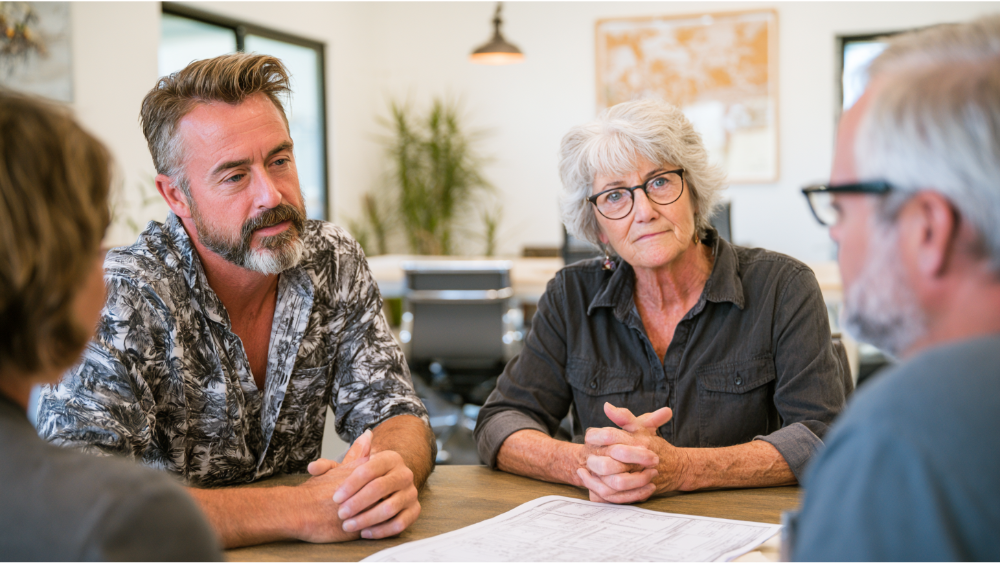
Building an ADU gives aging parents a private living space while keeping family close by. Adult children can check in, share meals, help with errands, and offer support without taking away independence. This proximity can bring peace to everyone because parents are nearby, but not inside the existing house full time. That balance protects family relationships and strengthens family bonds.
A More Personal Alternative to Senior Housing
For some aging family members, a nursing home, memory care setting, or assisted living facilities may not feel like the right fit. An ADU, sometimes called a granny flat, guest house, or backyard home, gives the family more control over comfort, layout, finishes, and routines. Instead of adapting mom to a facility, the family can create a house that fits her life, habits, and needs.
Long-Term Flexibility for California Homeowners
Accessory dwelling units offer practical benefits beyond care. A new ADU can later become a rental unit, guest house, home office, or private space for children. It may also create rental income in the future and support long-term savings compared with paying monthly care costs elsewhere. For many homeowners, building an ADU is both a family investment and a property investment.
Core Features That Make an ADU Comfortable for Aging Parents
Single-Level Living
A single-level layout is one of the most important choices for aging in place. Stairs can become difficult as parents age, especially when balance, strength, or vision changes. Keeping the bedroom, bathroom, kitchen, laundry, and living space on one floor makes the house easier to use every day.
No-Step or Low-Threshold Entry
No-step entries help parents move safely in and out of the ADU. This matters for a family member using a cane, walker, wheelchair, or simply carrying groceries. A smooth entry from the backyard or side yard also makes visits easier for friends, children, and caregivers.
Wider Doorways and Open Walkways
A comfortable ADU should have enough square footage for easy movement. Wider doors and open walkways help aging parents move through the space without tight turns or awkward corners. This kind of plan supports independence now and future-proofing later.
Slip-Resistant Flooring
Slip-resistant flooring is a smart safety feature for any ADU designed around aging in place. Flooring should be stable, easy to clean, and comfortable underfoot. Avoid loose rugs, high thresholds, and shiny surfaces that may increase fall risk.
Good Lighting Throughout the ADU
Good lighting improves safety and comfort. Parents need clear lighting at entries, hallways, bathrooms, kitchens, and outdoor paths. Motion lighting can also help at night, especially when mom needs to move from the bedroom to the bathroom.
Designing a Safer and More Comfortable Bathroom
Curbless Shower
The bathroom is often the most important room in an ADU for aging parents. Walk-in showers or curbless showers make bathing safer because parents do not need to step over a tub wall. This supports aging in place and helps loved ones stay independent longer.
Grab Bar Blocking and Future-Proofing
Grab bars should be planned early, even if they are not installed right away. Adding wall blocking for future grab bars during construction is easier and more cost-effective than opening walls later. Well-placed grab bars can make bathing, standing, and moving around the bathroom safer.
Comfort-Height Toilets
A comfort-height toilet can make daily life easier for aging parents with knee, hip, or balance concerns. This small detail can make the space feel more supportive without making the house feel clinical.
Handheld Showerheads and Easy-Reach Controls
A handheld showerhead, reachable controls, built-in bench, and grab bars can help a parent bathe with more confidence. These features protect independence and make the bathroom more comfortable for mom or another family member.
Kitchen Features That Support Independence
Easy-Reach Storage
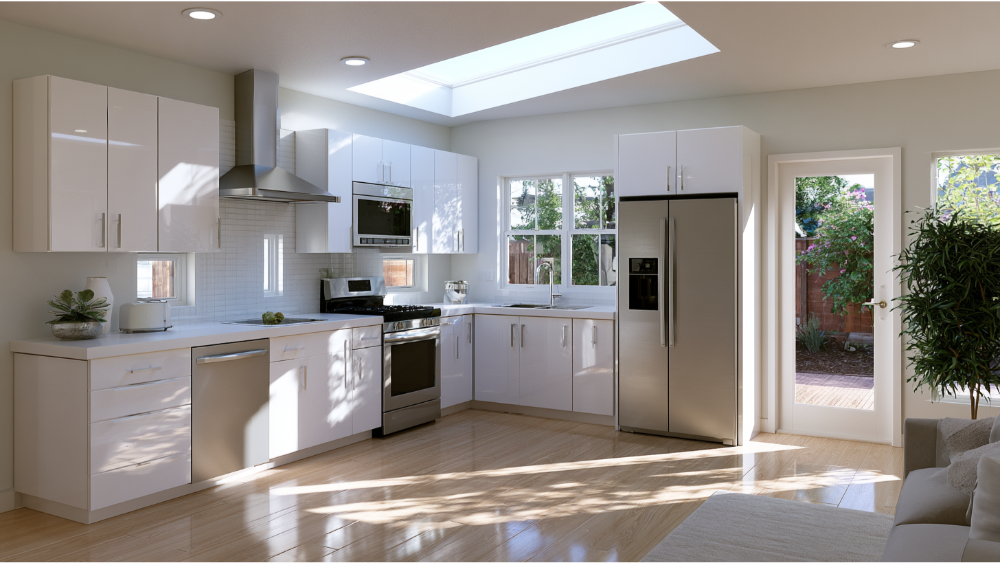
Aging parents should not have to climb, stretch, or bend constantly to use the kitchen. Pull-out shelves, lower drawers, and accessible cabinet storage help create a living space that feels simple and practical.
Safe Appliance Placement
Appliances should be easy to reach and safe to use. A microwave should not be mounted too high, the oven should be placed for easy access, and counters should provide landing space near cooking areas. These choices help parents age comfortably in their own space.
Room to Move Comfortably
The kitchen should have enough space for turning, cooking, cleaning, and moving between appliances. A smaller backyard ADU can still feel open when the building plan is intentional and every inch serves a clear point.
Bedroom and Living Area Comfort
A Bedroom That Supports Rest and Mobility
The bedroom should feel peaceful, private, and easy to navigate. Parents need room around the bed, good lighting, accessible outlets, and storage that reduces clutter. A comfortable bedroom helps loved ones rest well and maintain independence.
Comfortable Living Space for Daily Routines
A good living area gives aging parents a place to read, watch television, host friends, enjoy hobbies, or relax with grandchildren. This living space should feel like a real home, not a temporary room behind the main house.
Storage That Reduces Clutter
Storage is part of safety. When the house has smart closets, cabinets, and built-ins, parents are less likely to trip over clutter. Good storage also makes the ADU easier to clean and more pleasant to live in.
Privacy, Dignity, and Emotional Comfort
Separate Entrance
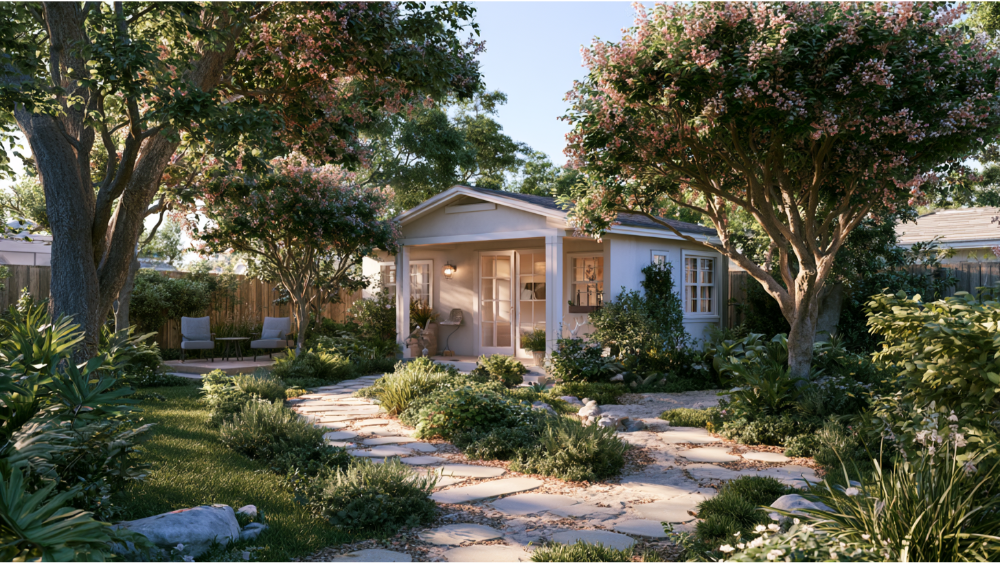
A separate entrance gives aging parents a sense of control. They can welcome friends, step outside, and move through their day without feeling like they are living under someone else’s rules.
Thoughtful Placement on the Property
Placement on the property affects comfort, privacy, and proximity. The ADU should be close enough for family support but positioned so parents still feel independent. Window placement, landscaping, walkways, and backyard access all matter.
Sound Control Between Spaces
Sound control can make the ADU feel calmer. Insulation, layout, window choices, and distance from the main house help reduce noise from children, pets, and daily activity.
A Home-Like Design, Not a Clinical Space
Aging in place design should not look like a nursing home. Warm finishes, natural light, attractive cabinets, quality flooring, and personal details help the ADU feel like a true house. The goal is creating comfort, not creating a medical setting.
Technology and Safety Features Worth Considering
Smart Thermostats
A smart thermostat can help aging parents control temperature easily. Comfort matters as people age because heat and cold can affect daily life more than many families expect.
Motion-Sensor Lighting
Motion-sensor lights are helpful in hallways, bathrooms, entries, and outdoor paths. They add safety and peace without making the home feel complicated.
Video Doorbells and Smart Locks
Video doorbells and smart locks can help the family stay on the same page about visitors and access. They also make it easier for a trusted family member to help when needed.
Emergency Planning
A comfortable ADU should include clear walkways, easy access, good lighting, phone charging areas, and practical emergency routes. These details give loved ones peace and help the family plan ahead.
California ADU Design Considerations for Aging Parents
Local Permitting Requirements
Local laws affect what can be built, where it can go, and how the building must be designed. Setbacks, utilities, height, fire access, and parking can all shape the final plan. This is why building an ADU should start with a legal review of the property.
Utility Connections and Site Planning
Utility planning affects cost, comfort, and construction. Plumbing, sewer, electrical, drainage, and access to the backyard should all be reviewed before building begins. The right plan can save money and avoid problems during construction.
Working With a Full-Service ADU Builder
A full-service builder helps the family decide what is possible, what will cost money, and what design is the right fit. Golden State ADUs manages design, permitting, and construction so the family can focus on loved ones instead of dealing with every detail alone.
Common Mistakes to Avoid When Building an ADU for Aging Parents
Designing Only for Today’s Needs
A parent may be fully independent today, but needs can change with age. Building an ADU for aging in place means thinking about the future, not just today. Planning wider paths, no-step entries, and future grab bars can make a big difference later.
Making the Bathroom Too Small
A tight bathroom can become a major problem. Parents may need room for a walker, caregiver, or seated bathing. Spending more attention here is often worth the cost because bathroom safety is such a big deal.
Ignoring Natural Light and Ventilation
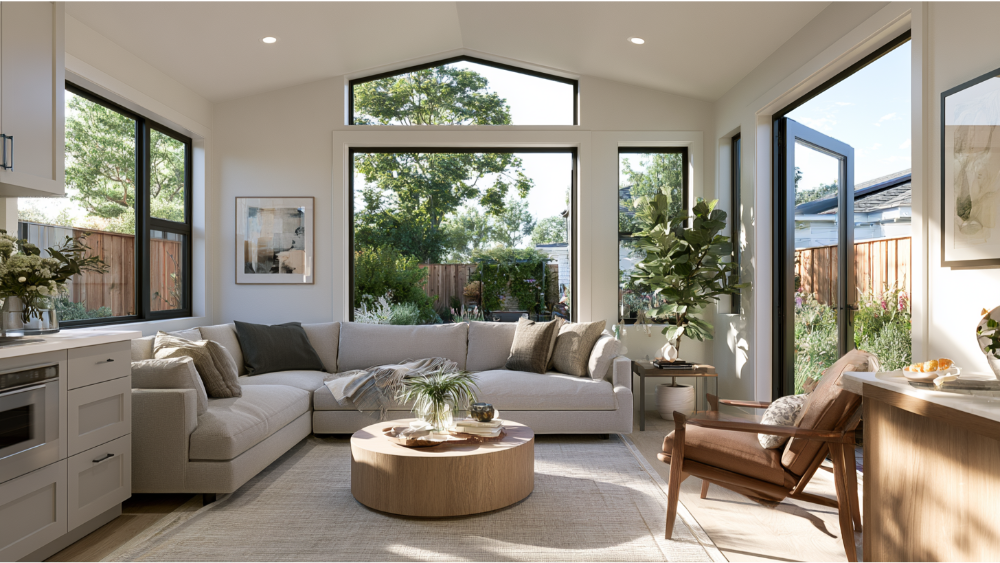
Natural light, fresh air, and pleasant views help the ADU feel uplifting. Aging parents should not feel tucked away in the backyard. A bright living space can support mood, comfort, and peace.
Choosing Style Over Practicality
A beautiful ADU still needs to work well. Flooring, lighting, storage, appliances, and bathroom features should all support aging in place. The best design combines style, function, and safety.
Waiting Too Long to Plan
Many families wait until a crisis before building an ADU. Starting earlier gives the family more time to compare cost, review the property, choose the right layout, and make decisions calmly. Early planning can also help protect money and reduce stress.
How Golden State ADUs Helps Families Build Comfortable ADUs for Aging Parents
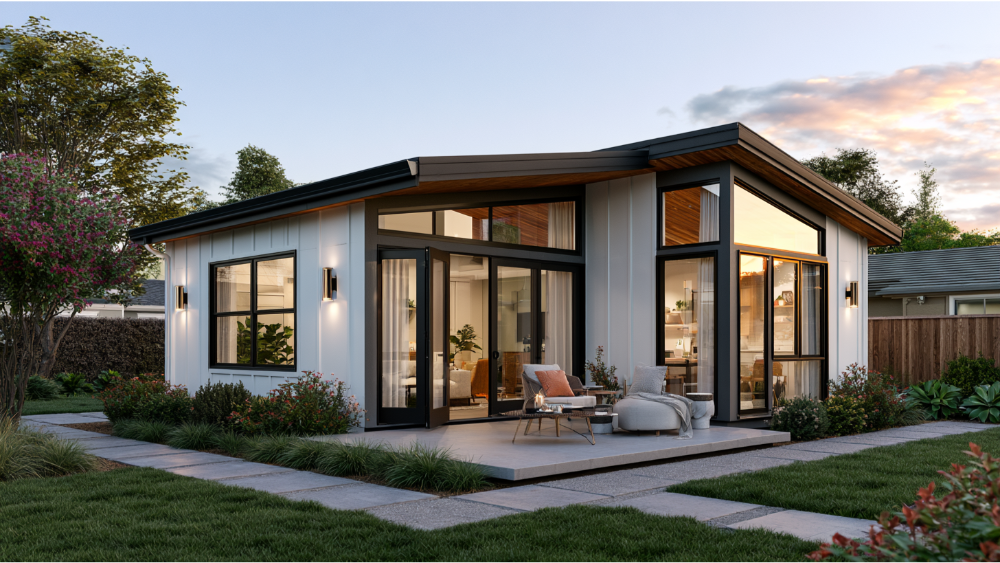
Custom Design Based on Family Needs
Every family has different needs. One family may be creating a backyard home for mom, while another may need space for both parents or another family member. Golden State ADUs designs each ADU around the property, family goals, budget, and long-term living needs.
Permitting Made Easier
Permitting can be confusing in many places across California. Golden State ADUs helps homeowners understand the process, follow local laws, and keep the project moving from design to approval.
Quality Construction From Start to Finish
Comfort depends on strong construction, not just attractive finishes. A quality building should feel solid, efficient, quiet, and easy to maintain. Our team focuses on craftsmanship, communication, and creating a finished ADU that supports the family for years.
A Long-Term Investment in Family
An ADU for aging parents is an investment in family, property, wealth, and peace of mind. It can reduce the need to pay for a nursing home too early, keep loved ones close, and create flexible living options for the future.
FAQs About Comfortable ADUs for Aging Parents
What size ADU is best for aging parents?
The best size depends on the property, budget, and needs of the family member. Many parents are comfortable in a one-bedroom ADU with a bathroom, kitchen, living space, and storage. The goal is enough space to live comfortably without creating more house than the parent wants to maintain.
Should an ADU for aging parents be wheelchair accessible?
It is smart to plan for accessibility even when a parent does not use a wheelchair today. Wider doors, open walkways, no step entries, and walk-in showers make the house easier to use as parents age.
What is the most important room to design carefully?
The bathroom deserves the most attention. Grab bars, slip-resistant surfaces, strong lighting, and enough room to move safely can help aging parents maintain independence and reduce risk.
Can an ADU still look modern with aging-in-place features?
Yes. Aging in place features can be clean, modern, and discreet. A thoughtful ADU can include grab bars, better lighting, accessible storage, and safer showers while still feeling warm and stylish.
Is a detached or attached ADU better for aging parents?
A detached ADU usually provides more privacy and a stronger sense of own space. An attached ADU may offer closer proximity to the main house. The right fit depends on the property, cost, care needs, and how the family wants to live.
How early should families start planning an ADU for parents?
Families should start before there is an urgent need. Building an ADU takes planning, design, permitting, and construction. Starting early gives everyone time to decide, budget, and create a space that truly supports loved ones.
Final Thoughts: Comfort Starts With Thoughtful Planning
The most comfortable ADU for aging parents is safe, private, easy to move through, and designed around real life. It helps parents stay close to family, maintain independence, and age with dignity. For many families, it is a practical way to avoid rushing into a nursing home while creating a flexible living solution in the backyard.
Ready to Build an ADU for Aging Parents?
Golden State ADUs helps California homeowners design and build accessory dwelling units for aging parents, aging family members, and multigenerational living. Our team can help you plan a comfortable backyard ADU that supports your loved ones today and gives your family more options for the future.