
Understanding Senate Bill 9 and Its Role in California Housing
California’s housing shortage has pushed lawmakers to adopt aggressive reforms to increase residential density across the state. Among the most impactful is Senate Bill 9, also known as the HOME Act, a state law designed to make it easier for homeowners to add dwelling units in single family zones.
SB 9 enables homeowners in qualifying areas to split their lot and build multiple housing units where only one previously existed. Paired with California’s accessory dwelling unit (ADU) laws, the potential for adding new, income-generating or multigenerational homes has never been greater.
If you’re a California homeowner, this guide breaks down the statutory provisions that establish procedures for SB 9 projects, explains how local agencies implement the law, and shows how Golden State ADUs helps you navigate the process, from community development planning to construction.
What Senate Bill 9 Allows You to Do
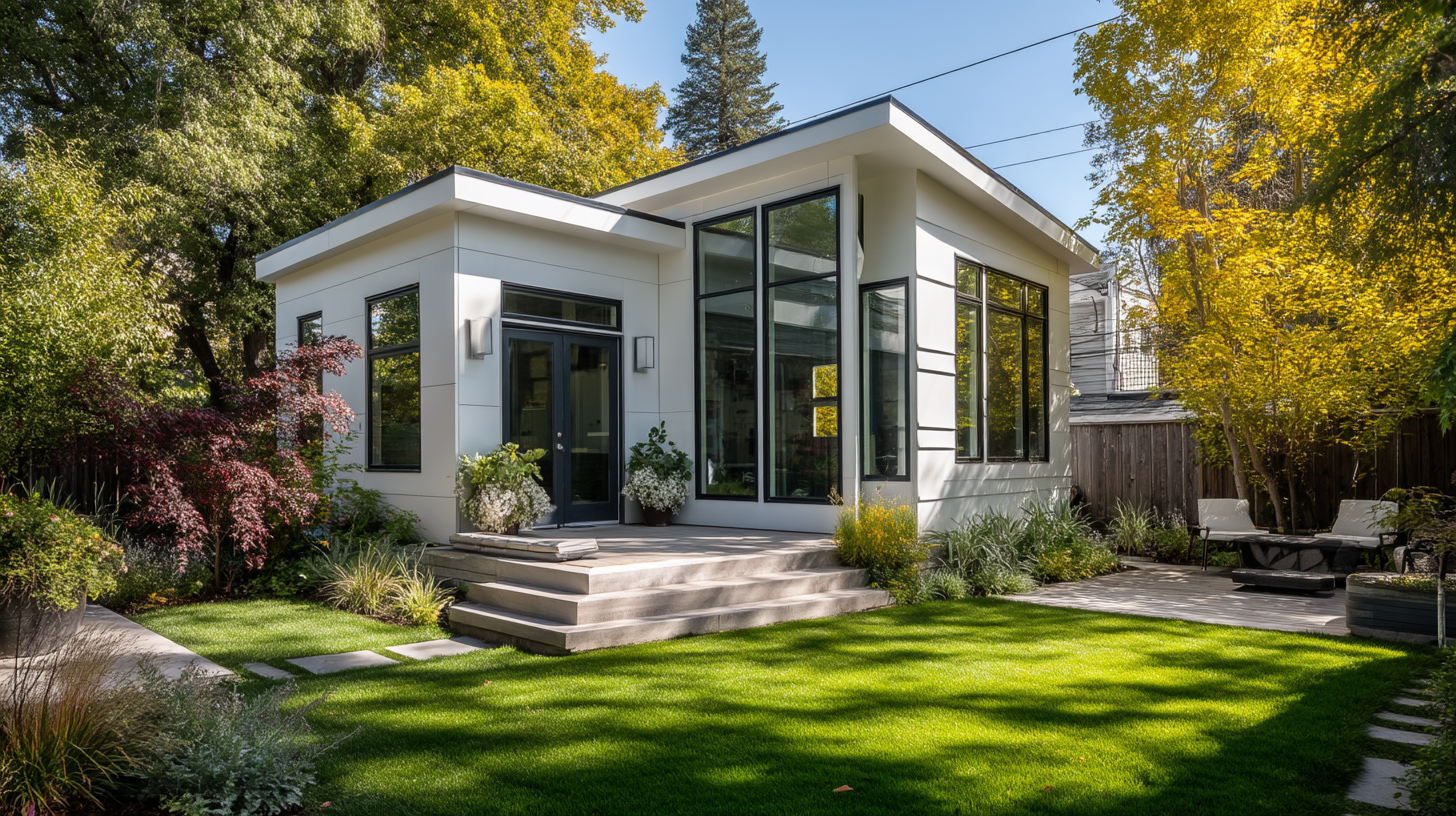
Two Key Provisions of SB 9
SB 9 grants two major development opportunities:
- The right to build two primary units on a single family residential zone lot
- The ability to perform an urban lot split, resulting in two legal parcels, each eligible for two homes
Together, these options allow up to four dwelling units on what was once a single family dwelling lot. If combined with accessory dwelling units or junior accessory dwelling units, even more density may be possible depending on local ordinance interpretation.
Ministerial Approval Process
All SB 9 projects that meet the required zoning standards must be approved through a ministerial approval process. That means local agencies and local governments must approve the project without subjective judgment or public hearings by any public official.
To qualify, a parcel satisfies the following criteria:
- Located in an urban infill site
- Zoned for single family
- Within an urbanized area or urban cluster
- Not in a restricted area such as high wildfire risk or historic zones
The planning and zoning law framework, supported by government code sections, establishes these objective requirements across California.
Is Your Property Eligible for an Urban Lot Split?
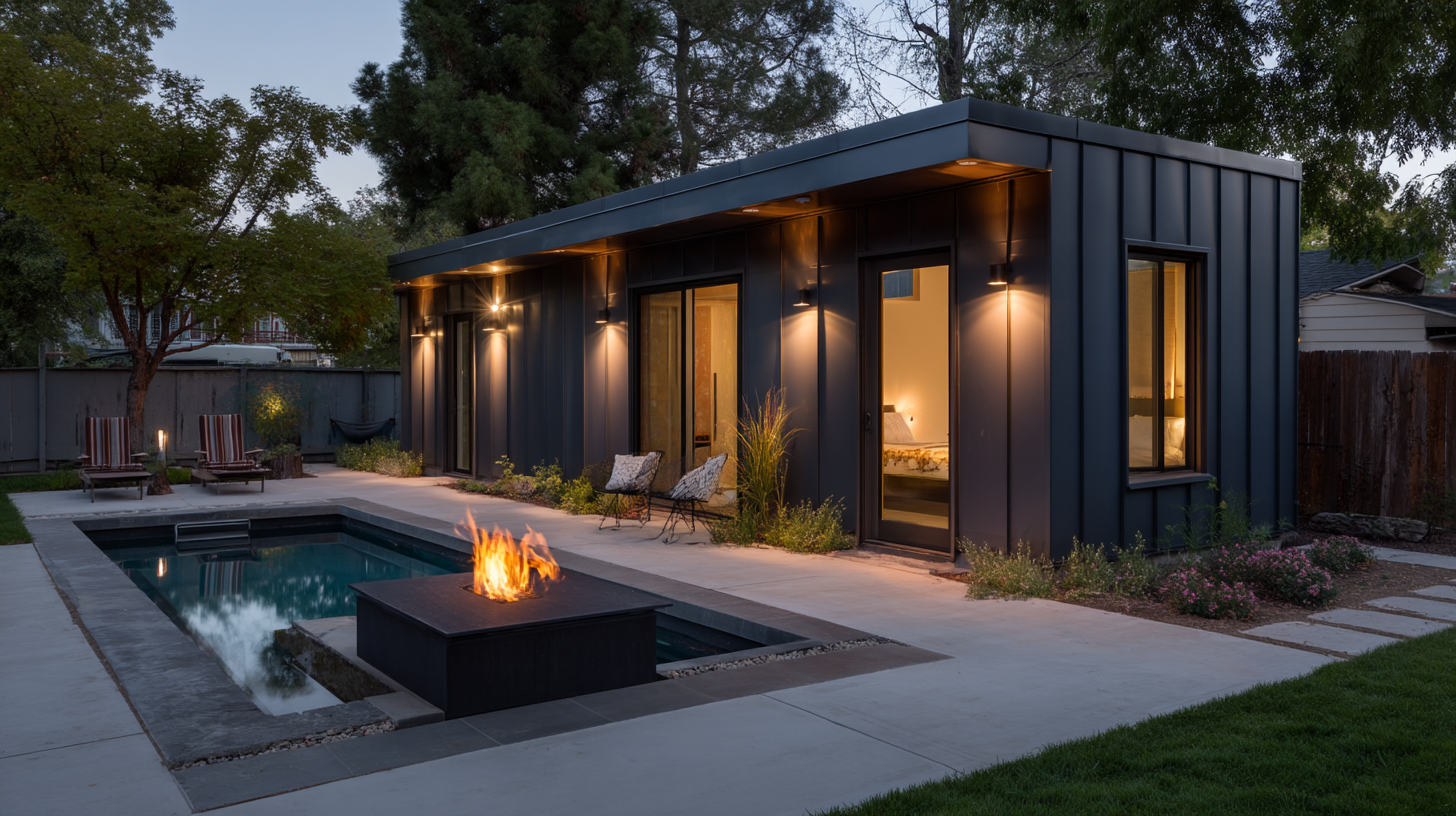
What Qualifies as an Urban Lot Split?
An urban lot split under SB 9 must meet several criteria:
- The original parcel must be located in a single family zone
- The split must result in two resulting parcels of roughly equal size (minimum 40% of the original parcel proposed)
- Each lot created must be at least 1,200 square feet
Importantly, SB 9 lot splits are limited to one per existing parcel, and homeowners must sign an affidavit stating they’ll live in one of the primary units for at least three years.
Limitations on Lot Splits
There are several restrictions. Properties may be ineligible for a lot split in the following instances:
- Have existing tenants within the last three years
- Are part of a charter city with conflicting zoning rules
- Lie within areas covered by the subdivision map act that limit small subdivisions
- Are in environmental hazard zones or require demolition of affordable housing
Some local governments also place design constraints or architectural consistency requirements. However, they cannot override state law or impose more prescriptive land use rules beyond specified standards.
SB 9 vs. ADUs: Understanding the Differences
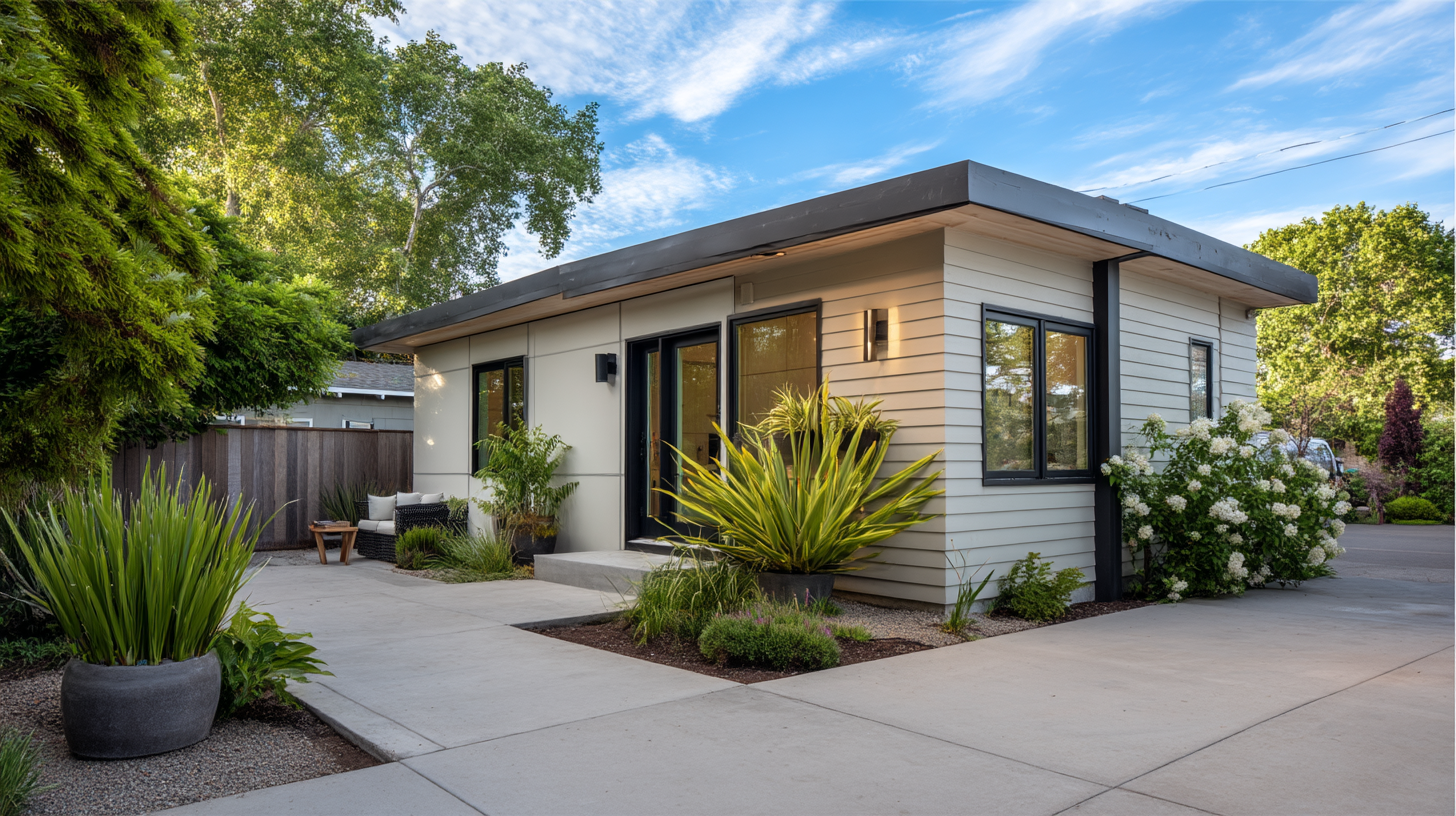
ADUs and Junior ADUs Explained
An accessory dwelling unit, or ADU, is a secondary home built on the same lot as a primary residence. A junior accessory dwelling unit (JADU) is a smaller unit, typically converted from existing space inside the primary home and sharing essential services.
Unlike SB 9 homes, ADUs do not require lot splits and are governed by a separate set of state mandated local program laws.
Key Differences Between Senate Bill 9 and Accessory Dwelling Units
Senate Bill 9 (SB 9) and Accessory Dwelling Units (ADUs) have distinct features that homeowners should understand:
- Lot Split Requirement:
SB 9 offers an optional lot split, allowing homeowners to divide their property into separate parcels and sell units individually. In contrast, ADUs do not require a lot split, and the units cannot be sold separately. - Maximum Number of Units:
SB 9 permits up to four dwelling units on a single-family zoned lot when a lot split is utilized. ADUs allow for one accessory dwelling unit plus one junior accessory dwelling unit on the same property. - Size Limits:
The size of SB 9 units is generally regulated by local rules, whereas ADUs have a maximum size limit of 1,200 square feet per unit. - Parking Requirements:
SB 9 projects may require up to one parking space per unit. ADUs have exceptions to parking requirements, especially when located near high-quality transit corridors or other transit options.
Understanding these differences can help homeowners make informed decisions about expanding their properties under California’s housing laws.
Can You Combine SB 9 and ADUs?
Yes. In some jurisdictions, SB 9 units can be combined with accessory dwelling units, but this depends on local ordinance interpretation. Some local agencies allow ADUs on resulting parcels after a lot split, while others do not. Golden State ADUs helps you navigate these details by evaluating your parcel’s zoning law, location, and development options.
How SB 9 Impacts Property Value and Income Potential
Increasing the Value of Single Family Homes
By converting a single family dwelling into multiple dwelling units, homeowners can increase housing supply while dramatically raising property value. SB 9 essentially lets you turn one lot into multiple income-generating properties, often without the need to rezone.
Rental Income Opportunities
You can rent out new housing units, convert garages into accessory dwellings, or build a duplex for long-term rental income. These options are especially valuable in transit rich areas and high quality transit corridors, where rental demand is highest.
Homeownership Barriers Reduced
SB 9 and ADU laws remove many homeownership barriers by:
- Removing the need for rezoning
- Bypassing public hearings
- Lowering construction costs compared to full subdivisions
This gives everyday homeowners access to benefits once reserved for developers.
Navigating the Process with Golden State ADUs
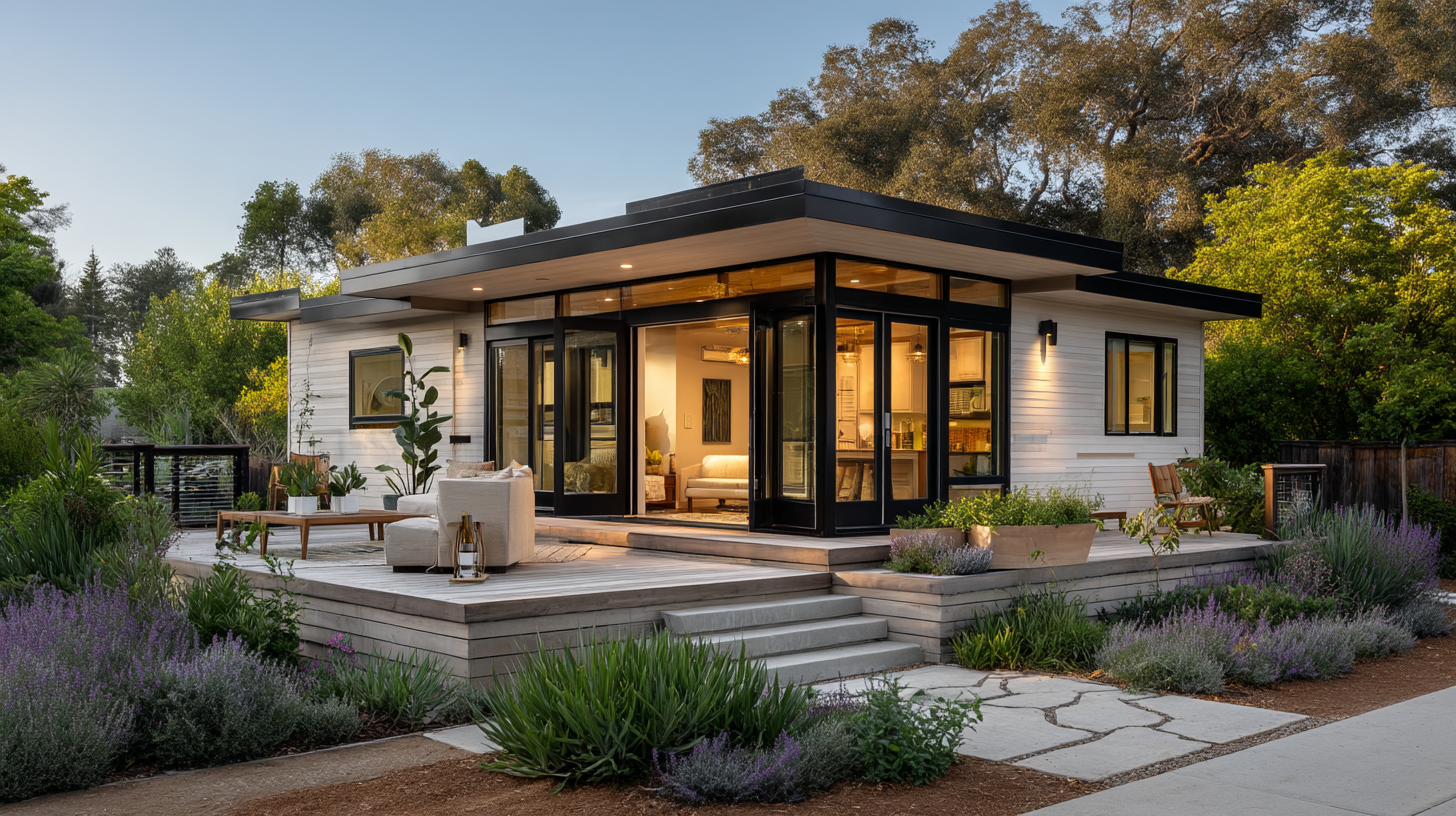
Feasibility Analysis and Design
Golden State ADUs begins every project with a site feasibility analysis. We evaluate your original parcel, confirm eligibility for a lot split, and identify the most efficient way to add new units while meeting all government code and zoning standards.
Permitting and Local Coordination
We coordinate directly with local agencies, school districts, and building departments to ensure your plan meets local ordinance requirements. Whether you’re near a major transit stop, in a school district with infrastructure concerns, or impacted by nonconforming zoning conditions, we manage the process from end to end.
Construction and Turnkey Build Services
Our team handles design, engineering, permitting, and construction. We address utility access, parking (often up to one space per unit), setbacks, and egress in compliance with specified standards.
Case Example
In San Diego, one homeowner used SB 9 to divide their lot and construct two primary units plus an accessory dwelling unit. This added three rental homes to their portfolio and improved long-term equity while complying with all planning and zoning law requirements.
Important Legal Considerations
Reimburse Local Agencies and State Mandated Costs
The California Constitution requires the state to reimburse local agencies and school districts for certain service mandated costs pursuant to new housing laws. This is part of a broader statewide concern about the financial impact of housing mandates.
Golden State ADUs keeps track of all required service charges, fees, and assessments sufficient to satisfy these legal requirements.
Levy Service Charges and Infrastructure Upgrades
Some local governments may require developers to levy service charges for sewer, water, or street improvements. This applies especially to urban lot developments that impact public utilities and public health. We handle these negotiations as part of our full-service offering.
Car Share and Transit Considerations
In dense neighborhoods or high quality transit corridors, parking minimums may be waived if the site is within half mile of a major transit stop or if a car share vehicle is located nearby. These details are crucial when planning ministerial projects under SB 9 or ADU law.
Frequently Asked Questions
Is SB 9 still active in 2025?
Yes, SB 9 remains in full effect as part of the California housing opportunity initiative. It continues to expand housing options across the state.
Can I build four homes on my property?
If your property is in a single family zone, and meets the conditions for a lot split, then yes, you can build two homes on each resulting parcel, for a total of four dwelling units.
What is a junior accessory dwelling unit?
A junior accessory dwelling unit is a compact unit, typically under 500 square feet, created within the walls of an existing home. These are especially common in cities with limited yard space.
Can I sell SB 9 units separately?
If you perform a legal urban lot split, you can sell each lot created separately, provided all statutory provisions establish procedures and government code rules are followed.
How do I start the process?
Contact Golden State ADUs for a free feasibility review. We evaluate your land use, zoning, and eligibility under SB 9, ADU, and local ordinance laws.
Final Thoughts: Unlock Your Property’s Full Potential
The Home Act and related state law reforms provide powerful tools for homeowners. With Senate Bill 9, you can create more efficiency, reduce homeownership barriers, and help increase housing supply across California, all while improving your own financial future.
If you want to add accessory dwellings, split your urban lot, or explore a hybrid ADU and SB 9 development, Golden State ADUs is here to guide you every step of the way. We turn complex regulations into streamlined, buildable solutions.