
As a Sacramento-based design-build team at Golden State ADUs helping California homeowners navigate choices about expanding living space, we’re often asked, is it cheaper to build an ADU or add an addition, and how that decision impacts additional living space, rental income, and increased property value. This comparison explores building an accessory dwelling unit versus a home addition, taking into account local zoning laws, costs, benefits, and long-term returns so you can make an informed decision about expanding your existing structure or adding new space to your primary residence.
What Does Each Option Offer in Terms of Living Space and Function
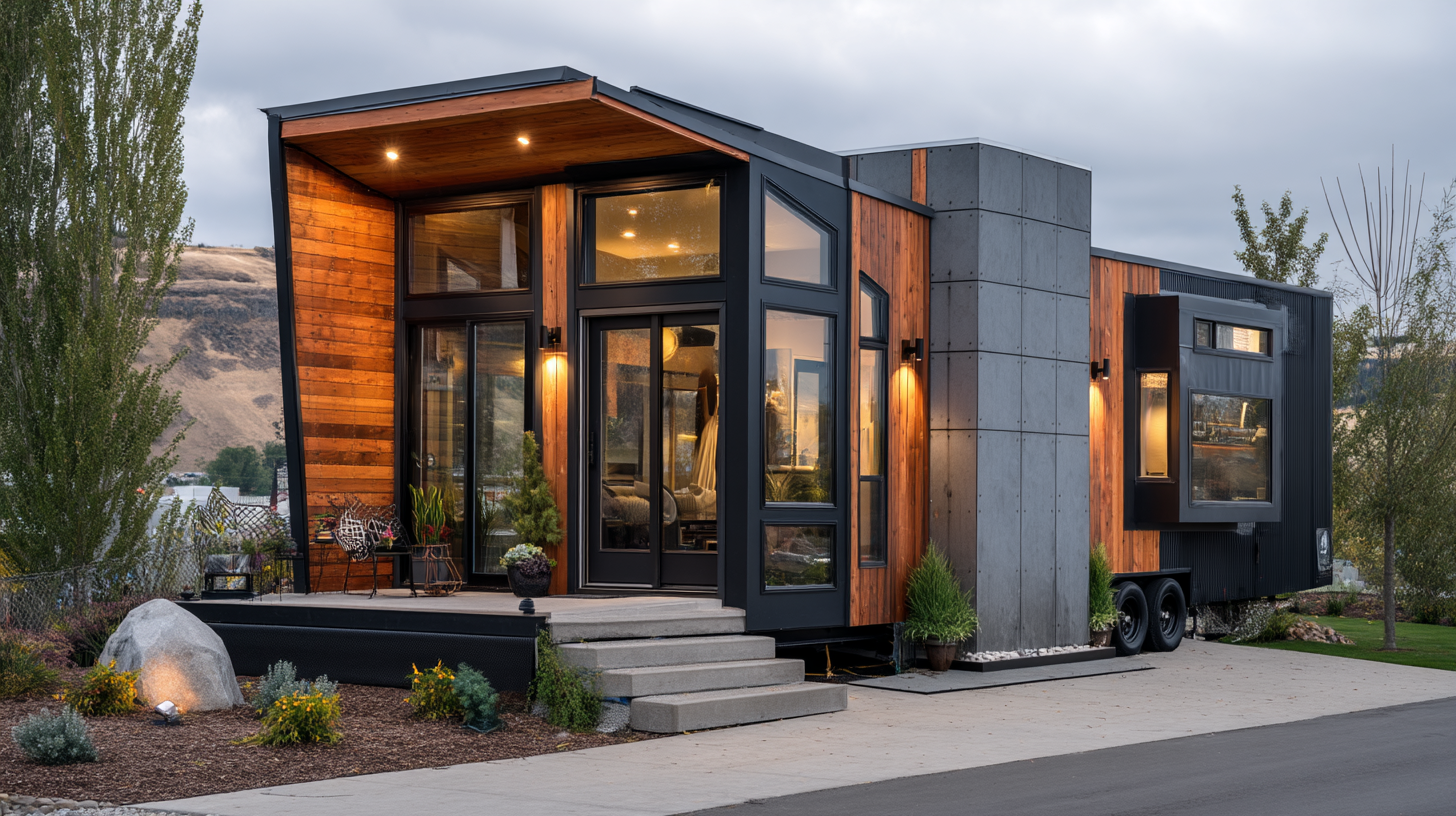
Accessory Dwelling Unit vs Home Addition Explained
An accessory dwelling unit, or ADU, is a separate living space, a secondary housing unit, or independent living unit that can be detached or part of the existing house, offering a self contained living space with its own kitchen, bathroom, and entry. By contrast, a home addition involves expanding living space connected to the main living space or existing home, usually sharing utilities and being part of the existing structure. The ADU vs home addition conversation is ultimately about whether you want a separate structure for potential rental income or added value, or if you are simply adding more space to your primary residence.
What Homeowners Get with a Home Addition
A home addition extends the square footage of your main house, such as adding a family room, extra room, or second story. It increases your main living space but does not provide separate living space. It’s typically integrated into the existing footprint or existing home and comes with its own set of challenges, including construction complexity and possible restricted access during the build.
Cost Comparison: Building an Accessory Dwelling Unit vs Adding an Addition
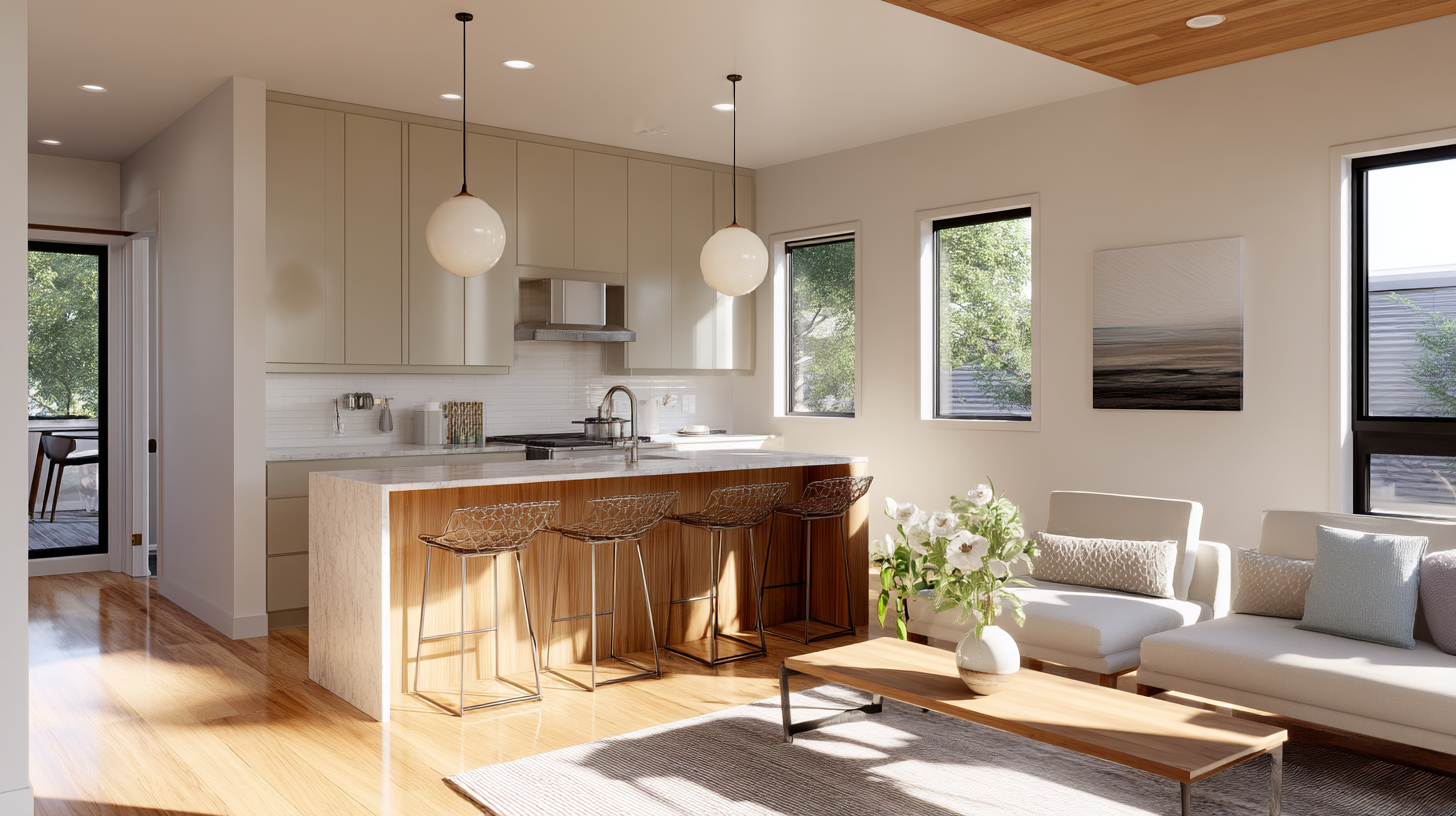
Here’s how the numbers break down in California as of 2025, to help answer “is it cheaper to build an ADU or add an addition” with clarity.
Average Cost to Build an ADU in California
- In much of California, especially in high-cost regions like the Bay Area, accessory dwelling unit construction runs $150,000 to $475,000, translating to approximately $150 to $450 per square feet depending on size and finishes.
- Los Angeles and Southern California average $300 to $400 per square feet for a new ADU.
- Turnkey prefab ADUs often fall in the $120,000 to $180,000 range.
- Building an ADU can boost property value substantially, in some cases increasing it by up to 30 percent or more, especially when it enables rental income.
- ADUs provide affordable housing options for extended family members or aging parents wanting independent living units.
- ADU popularity is rising as many homeowners keep equity in their existing house while expanding with more space and rental potential instead of relocating.
Average Cost to Add a Home Addition in California
- Room additions cost between $100 to $400+ per square feet, with simple projects at the lower cost range and larger multi-room or second story additions potentially exceeding $250,000 total.
- A modest single extra bedroom or family room may be $20,000 to $50,000, but more connected and complex additions can reach $80,000 to $250,000+, depending on square footage, finishes, foundation work, and permits.
- Second story additions often require major structural reinforcements, pushing costs into the $250 to $400 per square feet range.
Quick Side-by-Side Comparison
| Option | Cost per Square Feet | Total Cost Range | Key Benefits |
|---|---|---|---|
| Detached ADU | $150–$450 | $150K–$475K+ | Rental income, increased property value |
| Prefab/Turnkey ADU | ~$150–$300 | $120K–$180K | Predictable, faster timeline, value uplift |
| Home Addition (basic) | $100–$250 | $20K–$50K+ | More living space, integrated into home |
| Home Addition (high-end) | $300–$400+ | $150K–$250K+ | Comfortable, stylish extra living space |
Even when home addition costs appear lower initially, they often don’t offer rental income or significantly increased property value like ADUs and home additions combined can.
Return on Investment: Rental Income, Property Value, and Functionality
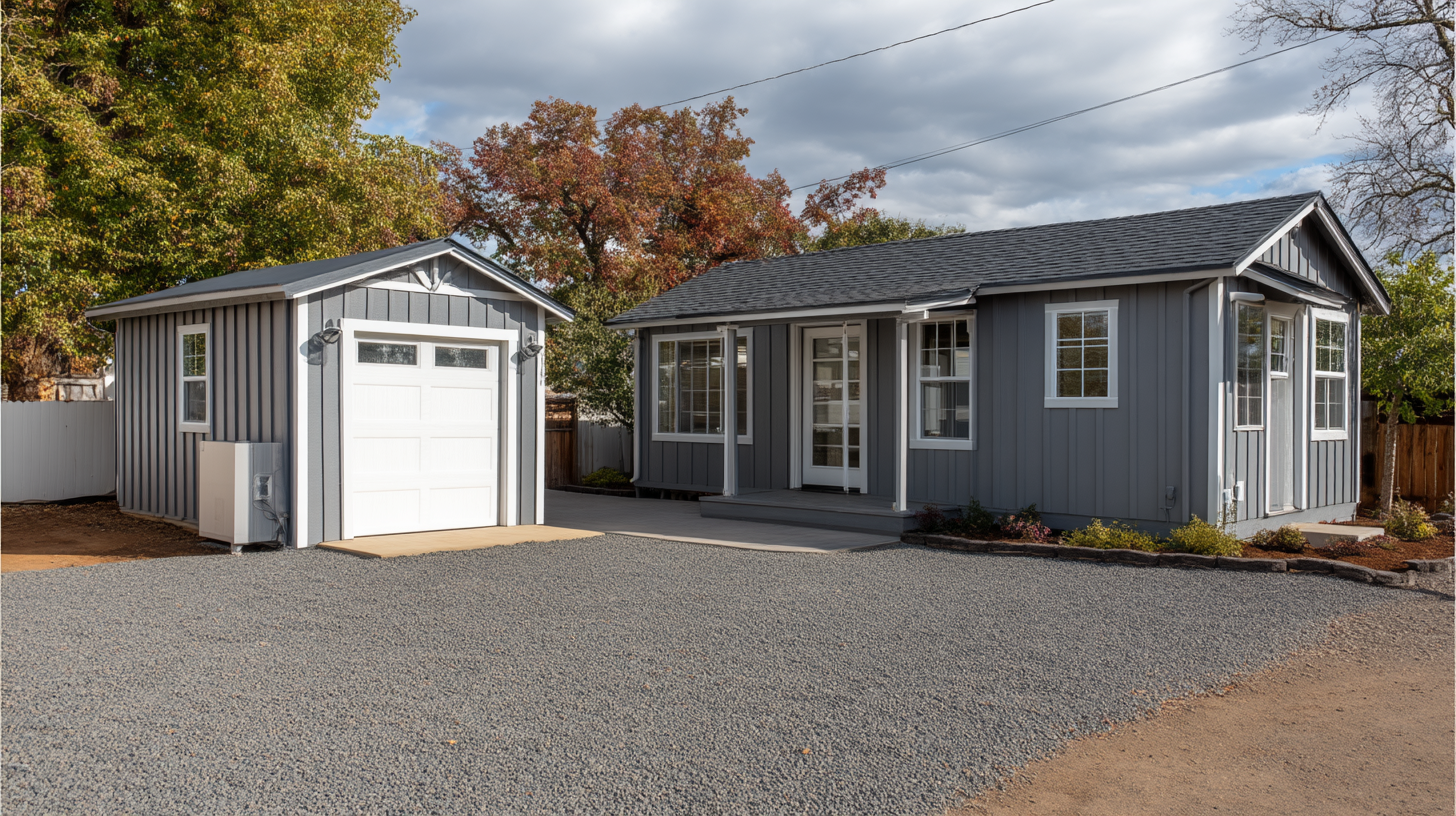
Rental Income and Income Potential with an ADU
- ADUs create a steady stream of potential rental income, making them smart investments for homeowners seeking return on investment beyond just square footage.
- Legislation now allows homeowners to rent out both the ADU and primary residence simultaneously, increasing income potential.
- This secondary housing unit can increase property taxes, but value gains often offset that.
- A well-designed detached ADU can attract future buyers, enhance market value, and expand personal flexibility.
Value Gains from Expanded Living Space
- ADUs can boost property value by significant margins, especially when they serve as a rental unit.
- Additions increase usable square footage which is important to prospective buyers looking for more space, but they typically do not generate direct income or qualify as a separate living space.
Lifestyle, Multigenerational Living, and Flexibility
- An accessory dwelling unit allows families to provide a separate structure for aging parents or adult children, keeping privacy and independence intact while sharing a property.
- ADUs are ideal for multi generational living, especially in tight housing markets where affordability is a challenge.
- Additions offer extra living space within the main house, which can be ideal for a growing family or someone needing a home office or family room, but don’t allow for independent living space.
Other Critical Considerations: Zoning, Permitting, Complexity, and Hidden Costs
Local Zoning Laws, Building Permit, and Regulations
- Before deciding whether an ADU vs home addition is right for your property, review your available space, yard space, existing footprint, and local zoning laws.
- California has adopted legislation that simplifies the permitting process for ADUs in many cities, making them easier and faster to approve than traditional additions.
- Some jurisdictions allow multiple detached ADUs on a single lot depending on the property’s size and zoning, offering even greater potential for rental income or multi generational living.
- Home addition involves expanding the existing structure, often requiring a building permit, structural engineering, and compliance with standard building codes.
Timeline, Construction Complexity, and Hidden Costs
- ADUs, especially garage conversions or prefab units, can often be completed in 4 to 6 months, depending on project type and permitting.
- Additions, particularly second story or multiple rooms, often take 6 to 9 months or more and involve more complex structural planning, possible foundation work, and greater risk of hidden costs.
- Both options can bring additional costs such as utility connections, grading, inspections, and design fees, so careful planning is a critical aspect for budgeting and execution.
- Construction can be time consuming for both ADUs and home additions, with restricted access to parts of the existing house during home addition builds impacting daily life.
Property Taxes and Market Resale Considerations
- A major boost in property value from building an ADU is likely to increase property taxes, but it also enhances long-term appreciation.
- Homeowners can recoup ADU costs through rental income or increased sales price when selling to future buyers who prioritize independent living units.
- For many buyers in today’s real estate market, a permitted detached ADU is more appealing than simply having more bedrooms in the main house.
When to Choose an Accessory Dwelling Unit vs Adding a Home Addition
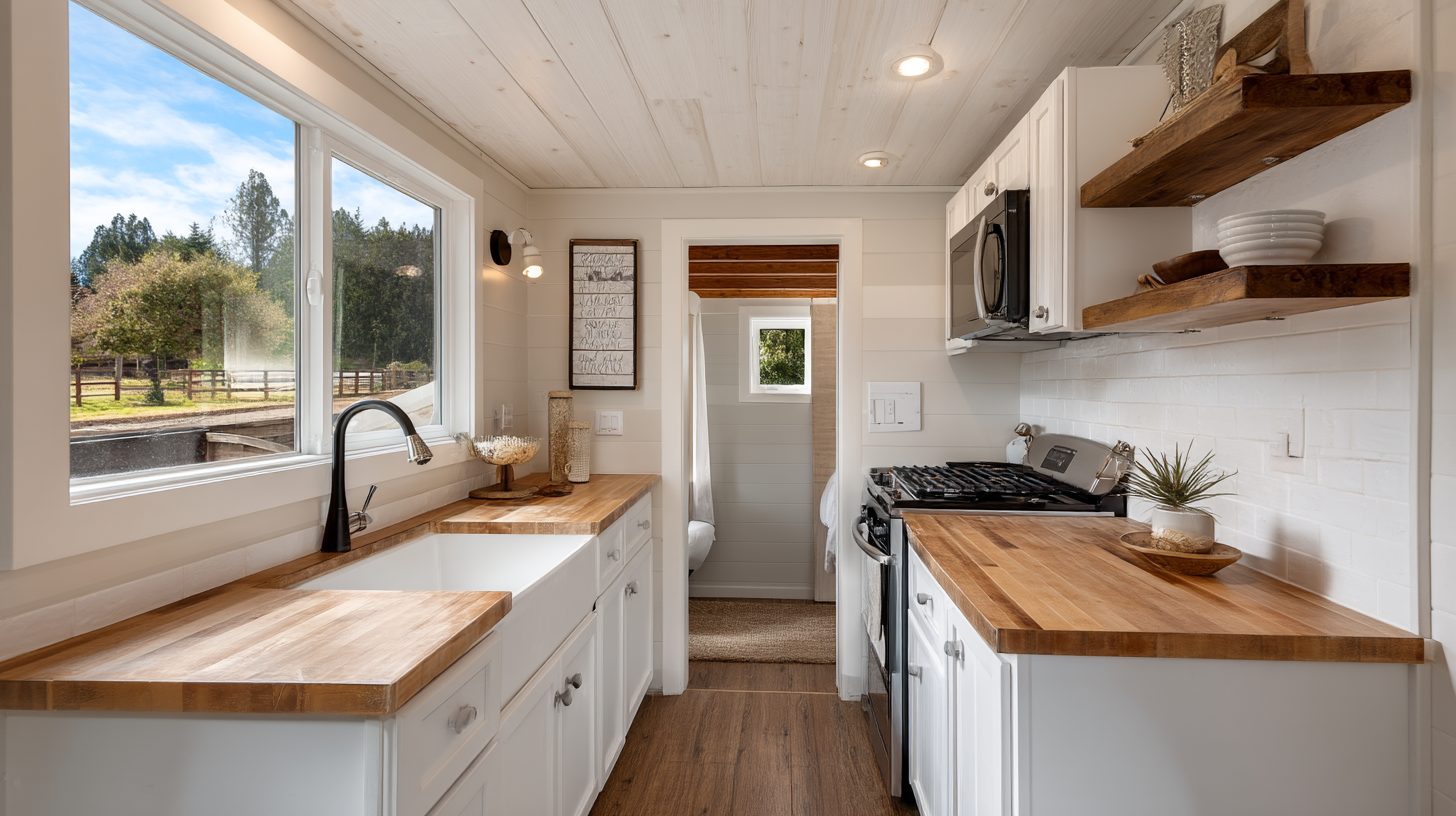
Situations Where Building an ADU Makes Sense
- You have enough yard space or existing footprint for a detached ADU or garage conversion.
- You want to generate rental income or provide affordable housing for family members.
- You’re planning for multi generational living or need a self contained living space for privacy.
- Your local zoning laws allow for detached or attached accessory dwelling unit ADU builds.
Situations Where a Home Addition Might Be Better
- You need more living space within your existing home, such as an extra room, family room, or expanded kitchen.
- Your lot is too small or restricted for a separate ADU under local zoning regulations.
- You prefer seamless design integration and don’t need a rental unit or independent structure.
Real Homeowner Stories Bring This to Life
One Northern California homeowner built a 430-square-foot detached ADU for their elderly mother. The unit cost about $168,000, offered complete privacy, and helped avoid the high costs of assisted living. It now doubles as a rental unit for passive income.
Another homeowner in Sacramento completed a prefab ADU for around $280,000 that is rented for $1,900 per month. That income now offsets their mortgage and adds market value to the property.
An Elk Grove family chose a 450-square-foot home addition to expand their main living space for a growing family. While it didn’t provide rental income, it significantly improved their daily life and home layout.
Frequently Asked Questions
Is it cheaper to build an ADU or add an addition in California?
It depends on your goals and the type of project. A basic home addition may cost less upfront than building an accessory dwelling unit, especially if you’re simply expanding the main living space. However, ADUs can provide long-term potential rental income and increased property value, making them a smarter financial investment for many homeowners.
Do ADUs increase property value more than home additions?
Yes, in most cases. A well-designed accessory dwelling unit can significantly boost property value—sometimes by 20% or more—especially if it can be rented out. Home additions add square footage and improve livability but usually don’t have the same impact on resale value.
Can I rent out both my main house and my ADU?
Yes. California law allows homeowners to rent out both the primary residence and the accessory dwelling unit, offering the opportunity to generate rental income from both. This makes ADUs an excellent tool for homeowners looking to create a steady stream of income.
Do I need a building permit for an ADU or home addition?
Yes. Both projects require a building permit and must comply with local zoning laws and building codes. However, recent changes in California law have made the permitting process for ADUs much more streamlined in many cities.
Which project is faster: building an ADU or adding a room?
Garage conversion ADUs and prefab units are usually faster to build, often taking 4–6 months. Home additions, especially second stories or multi-room expansions, can take 6–9 months or more. Timeline depends on scope, design, and site conditions.
What are the ongoing costs of owning an ADU?
Beyond the initial construction costs, you may have increased property taxes, utility bills, and maintenance expenses. However, these costs are often offset by the potential rental income an ADU can generate and the increased property value.
Can I build a detached ADU if I don’t have a large yard?
You need to have enough yard space or available space within your property’s existing footprint. Local zoning regulations will also dictate the size and placement of detached ADUs, so it’s best to schedule a site assessment before making plans.
What’s the difference between a garage conversion and a home addition?
A garage conversion becomes a self-contained accessory dwelling unit if it includes a bathroom, kitchen, and separate entrance. A home addition, by contrast, expands the existing living space without creating an independent unit.
Will a home addition allow me to create a separate rental unit?
Generally, no. A home addition is part of the main house and shares utilities, so it cannot function as a separate rental unit unless it meets all ADU criteria and local laws.
How do I know which option is better for my property?
The right choice depends on your budget, available space, intended use, and long-term goals. If you’re looking for rental income and flexibility, an ADU is likely the better investment. If you’re expanding for personal comfort or family needs, a home addition might make more sense. Golden State ADUs can help you assess both options through a personalized consultation.
Final Thoughts for California Homeowners
So, is it cheaper to build an ADU or add an addition? While home additions may seem less expensive on paper, building an ADU often delivers stronger return on investment through potential rental income, increased property value, and long-term flexibility.
The better option depends on your goals. If your priority is more personal space and improved layout within your primary dwelling, a home addition may be the way to go. But if you’re looking to generate rental income, support extended family, and invest in the long-term value of your property, a detached ADU or garage conversion could be the smarter choice.
At Golden State ADUs, we help homeowners evaluate every aspect of this decision, from building permit requirements and local laws to cost analysis and design-build execution. Whether you’re expanding for lifestyle or leveraging your available space to boost equity, we’re here to help you make the most of your property.