
As housing costs rise and cities across California face continued housing shortages, many homeowners are exploring ways to maximize their property’s potential. One increasingly popular solution is building an Accessory Dwelling Unit (ADU) on their lot. Whether it’s a garage conversion, an attached ADU, or one of the many detached ADUs popping up across neighborhoods, adding an ADU has become a strategic move for those seeking financial flexibility and long-term growth.
But is an ADU a good investment in 2025? The short answer is yes, in many cases, ADUs offer powerful financial benefits including increased property value, steady rental income, and enhanced flexibility for multigenerational living or hosting family members. Still, like any real estate decision, success depends on timing, execution, local market conditions, and compliance with local regulations.
In this guide, we’ll walk you through the full picture, from construction costs and rental market conditions to the potential for increased home value, so you can decide if an accessory dwelling unit ADU is the right move for your property and financial goals.
What Is an ADU?
An Accessory Dwelling Unit, also known as a secondary housing unit, is a smaller, self-contained home built on the same lot as a primary residence. ADUs can be:
- Detached ADUs (often called a detached backyard cottage or guest house)
- Attached ADUs (built as extensions of the main house)
- Garage conversions or garage conversion ADUs
- Junior ADUs, which are smaller units within the existing home footprint
These structures typically include a bedroom or sleeping area, kitchen, and bathroom facilities, and they add additional living space or functional living space to your lot.
Why Many Homeowners Are Building ADUs in 2025
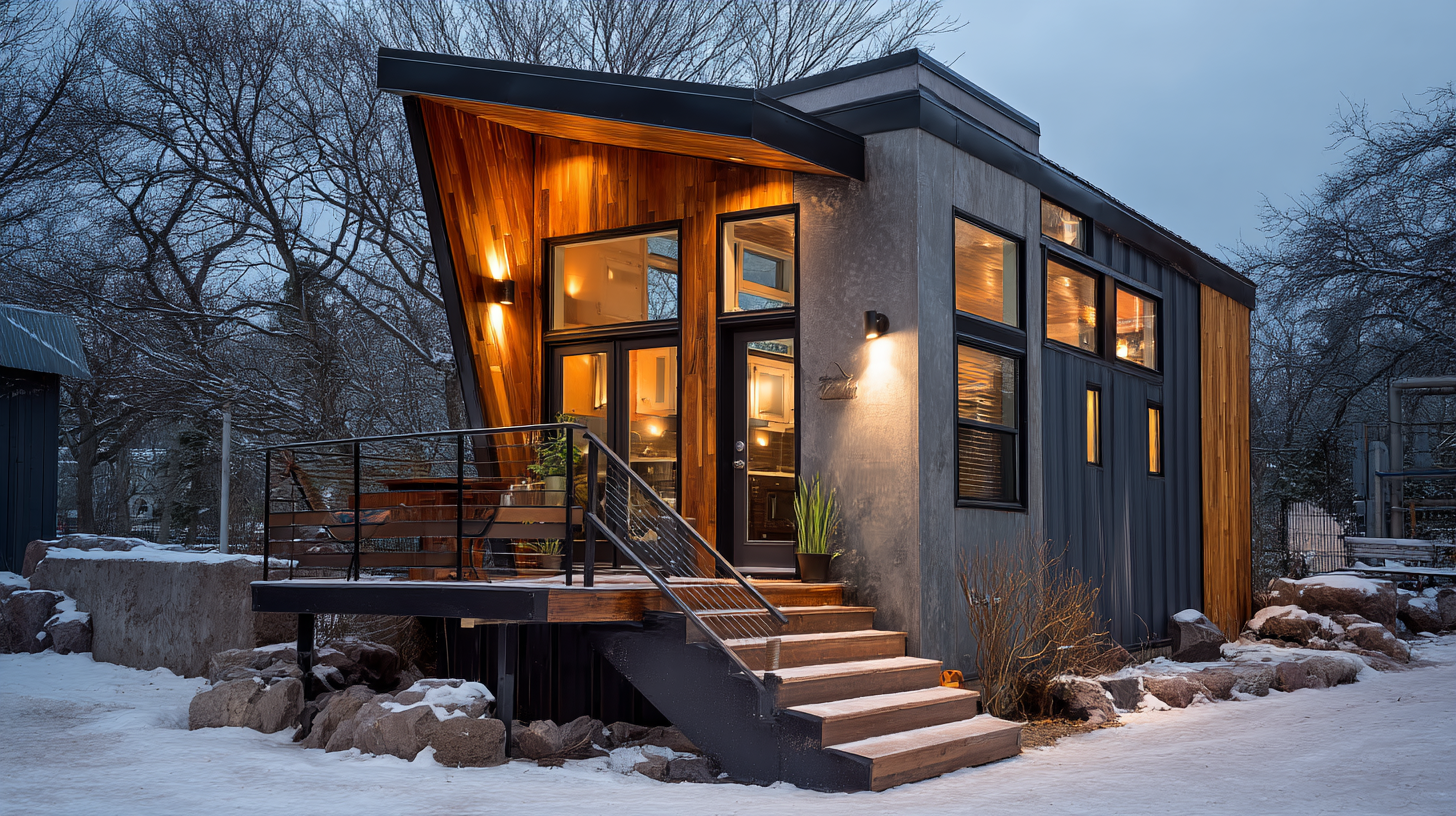
The surge in ADU popularity is no accident. In recent years, state policies have relaxed, making it easier to build, finance, and rent these units. The ability to generate rental income, increase home value, and provide flexible living arrangements for aging parents, adult children, or tenants has positioned ADUs as one of California’s most affordable housing solutions.
In cities like Sacramento, San Diego, and across the Bay Area, local governments are supporting ADU development to address housing shortages. In fact, ADUs are becoming a key part of long-term housing plans, creating opportunities for homeowners to benefit from both rental income and a return on investment (ROI).
How Much Does It Cost to Build an ADU?
Understanding ADU Construction Costs
Let’s talk numbers. The initial investment in an ADU can vary widely depending on the type, size, site conditions, and local permitting requirements. On average, ADU construction costs in California fall into the following ranges:
- Garage conversions: $150,000 – $220,000
- Attached ADUs: $200,000 – $300,000
- Detached ADUs: $250,000 – $400,000+
Factors like design complexity, materials, labor costs, utility upgrades, and local zoning laws will influence your final ADU cost. However, a well designed ADU often offsets these costs through increased property value and long-term rental income.
Financing the Initial Investment
Many homeowners use home equity loans, cash-out refinancing, or specialized ADU loans to fund their adu project. With the right financing, you can spread out your initial investment while enjoying the benefits of a passive income stream or a higher resale value.
How Much Value Does an ADU Add?
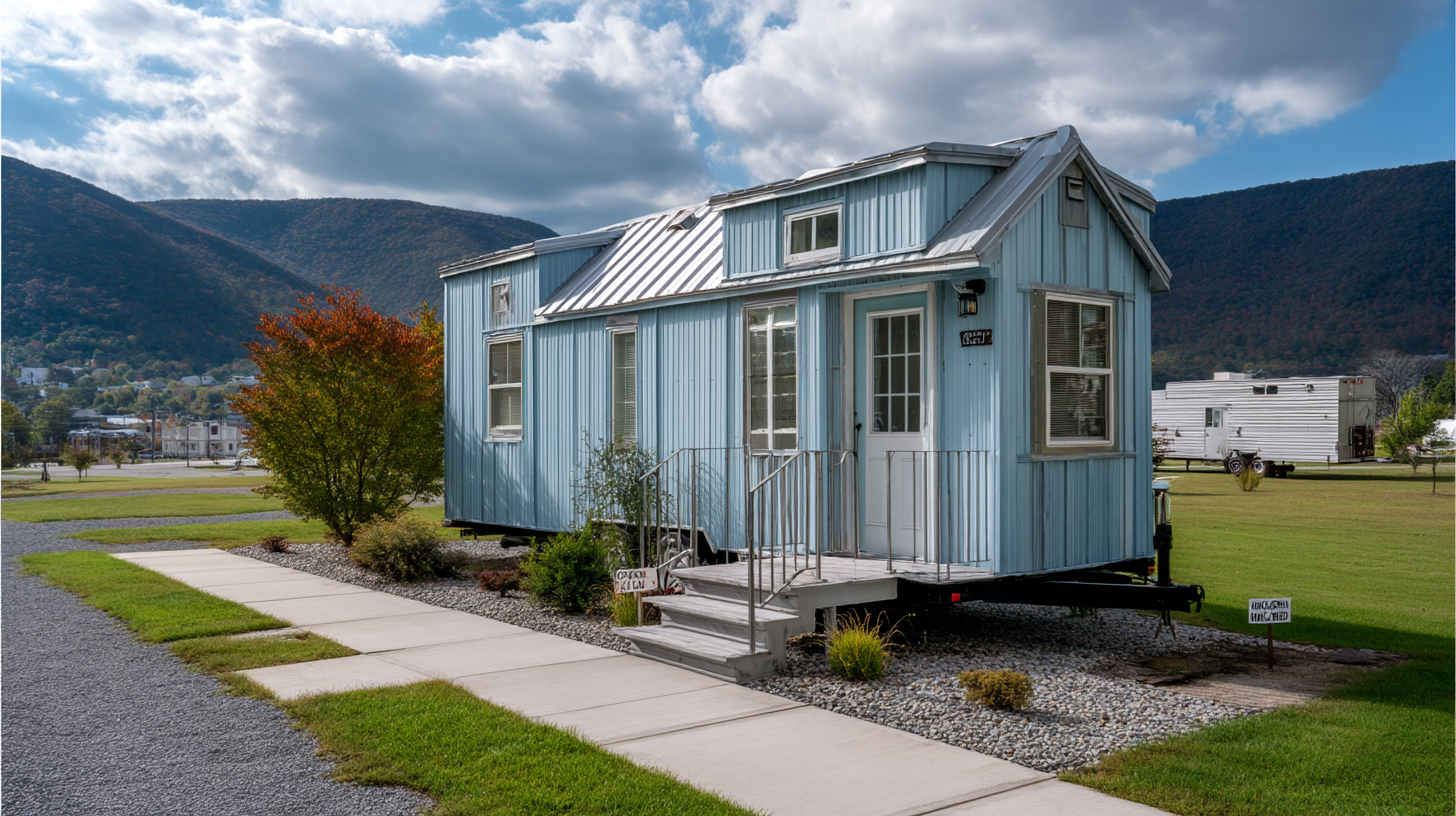
ADU Increase Property Value: What the Data Shows
One of the clearest reasons why building an ADU is considered a wise investment is its ability to increase property value. According to the Federal Housing Finance Agency (FHFA), homes with ADUs in California often sell for 10% to 25% more than comparable homes without them. This increased property value can significantly boost your home’s equity and your long-term real estate portfolio.
For example, in Sacramento, homes with permitted ADUs have been shown to increase property value by $100,000 to $200,000, depending on the quality of construction and market conditions. In San Diego, the effect is often even higher due to the city’s extreme housing demand.
Real-Life ADU ROI Examples
- A homeowner in Carmichael added a detached unit for $260,000 and increased their appraised home value by $225,000.
- In Roseville, a garage conversion cost $180,000 but raised the property value by $165,000 and now earns monthly rental income of $2,100.
These examples demonstrate how ADUs can significantly enhance your home’s worth, especially when designed and permitted correctly.
Rental Income Potential: What Can You Earn?
Generating Rental Income with an ADU
One of the most appealing aspects of building an ADU is the opportunity to generate rental income. In today’s competitive rental markets, especially in cities like San Diego and Sacramento, monthly rental income from an ADU can range from:
- $1,800 – $2,500/month in Sacramento
- $2,500 – $4,000/month in the Bay Area
- $2,400 – $3,500/month in San Diego
Over the course of a year, that can result in $25,000 – $40,000 in potential rental income, depending on your location and unit size.
Long-Term Rentals vs. Short-Term Rentals
When exploring rental options, homeowners typically choose between:
- Long-term rentals, which provide consistent income with lower maintenance costs
- Short term rentals, such as vacation rentals or furnished units, which can yield higher income but require more effort and often face stricter local regulations
Golden State ADUs helps homeowners assess what works best based on your goals, neighborhood, and local zoning laws.
Maximizing ADU ROI Through Rental Income
To make the most of your adu project, focus on features that attract quality tenants:
- Full kitchens and bathroom facilities
- Private entrances
- Soundproofing between units
- Separate meters for utilities
- Thoughtful finishes that balance durability and style
These design elements can boost your adu value and support a higher monthly rental income.
Key Factors That Impact Return on Investment
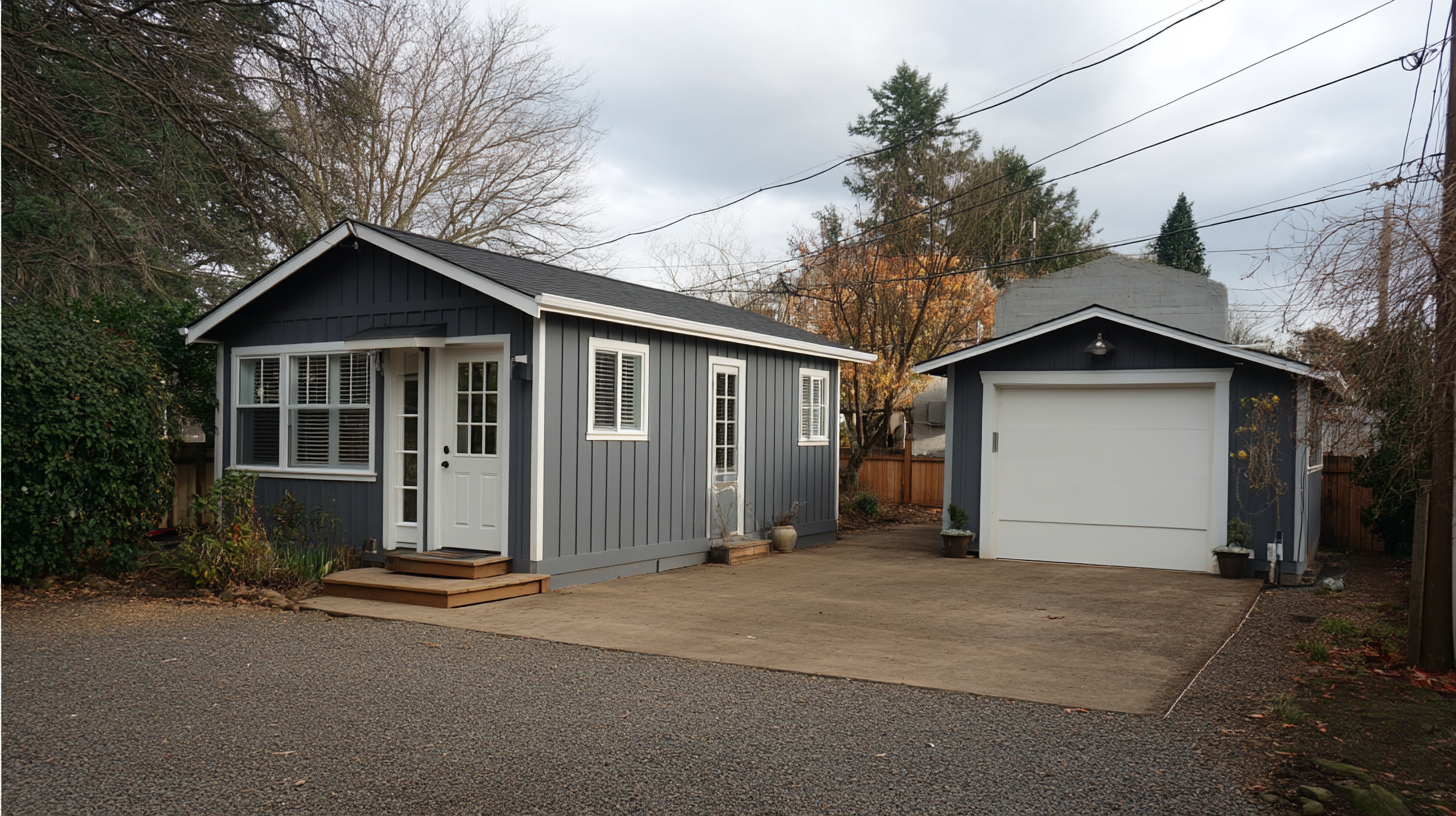
To determine if building an ADU is a good investment, consider the following:
- Location: Some markets, like San Diego and Folsom, support higher rents and stronger demand.
- Local regulations: Know your city’s permitting rules, setback requirements, and inspection timelines.
- Construction costs: Smart planning and design can help lower adu construction costs while maintaining quality.
- Rental market: High vacancy or oversupply may reduce income potential.
- Time horizon: The longer you hold the property, the more likely you’ll see strong adu ROI.
A reliable ADU builder like Golden State ADUs can help navigate these factors and ensure your project delivers the desired financial benefits.
When Is an ADU Not a Good Investment?
While ADUs offer many advantages, they’re not ideal for every situation. You may want to reconsider if:
- Your lot presents significant grading or drainage issues
- You plan to move within 1–2 years, limiting return on investment ROI
- You cannot afford the initial investment or secure favorable financing
- Your city has restrictive local regulations or high property taxes
- You attempt to DIY the build, which may result in an unpermitted or undervalued unit
These risks can reduce or eliminate your ability to increase property value or generate rental income.
Real Estate Strategies Using ADUs
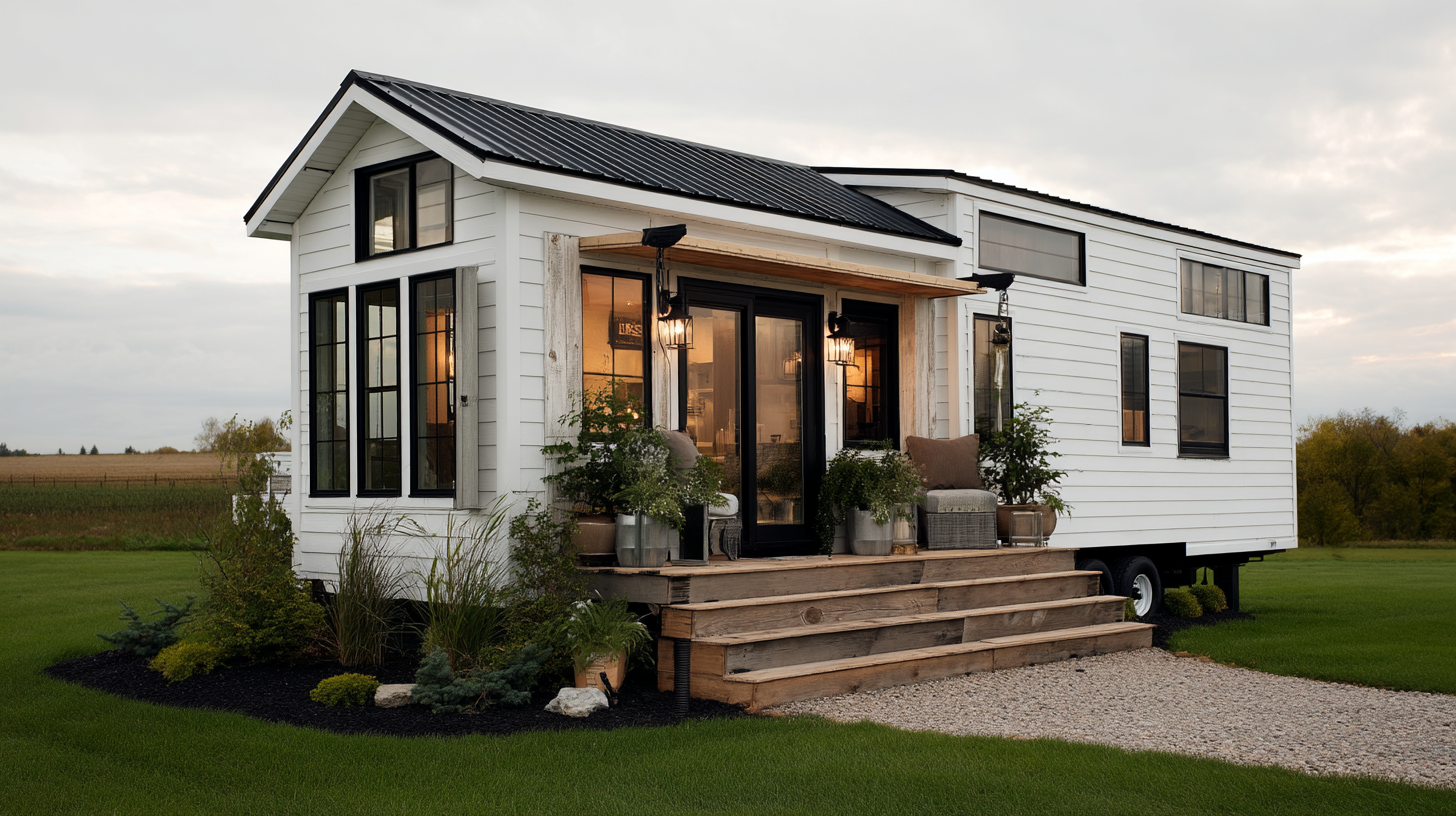
Smart investors are using ADUs to create income producing property portfolios without buying additional land. Here’s how:
- Build and rent: Offset mortgage payments with rental income
- House hack: Live in the main residence and rent out the ADU, or vice versa
- Multigenerational living: Use the ADU for aging parents or adult children, then rent it later
- Sell for profit: Enjoy a higher resale value when the time comes to move
Whether you’re enhancing an existing ADU, converting a garage, or building a new detached ADU, the opportunity to create long-term wealth is real.
FAQs About ADU Investments
How much value does an ADU really add?
In California, a well designed ADU can increase home value by $100,000 to $300,000 depending on location and type.
What type of ADU has the best ROI?
Detached ADUs usually offer the highest flexibility and resale upside, but garage conversions often have a lower cost and faster ROI.
Can I rent out my ADU right away?
Yes, if it’s a permitted ADU and you meet your city’s legal and compliance considerations.
How do I finance my ADU?
Common options include home equity loans, cash out refinancing, or specialized ADU loans.
What are the ongoing maintenance costs?
Expect modest maintenance costs for cleaning, landscaping, and repairs, especially with short term rentals.
Final Thoughts: Is an ADU a Good Investment?
So, is an ADU a good investment? For most California homeowners, the answer is yes. When built properly and in the right market, an ADU can:
- Significantly enhance your property value
- Create consistent rental income
- Provide flexible living arrangements
- Deliver strong return on investment ROI
At Golden State ADUs, we specialize in helping homeowners unlock their property’s potential through expertly designed, code-compliant, high-performing ADU projects. Whether you’re considering a detached backyard cottage, a garage conversion, or a new attached ADU, we’re here to help you build smarter.