
The tiny house movement has become an appealing option for many California homeowners, especially as rising real estate prices make traditional homes harder to afford. The idea of how to buy a tiny house can spark a sense of freedom and possibility, whether you dream of tiny house living on your own land or placing a house on wheels in a backyard setting. At Golden State ADUs, we understand the unique needs of tiny home owners as well as those considering an ADU or a tiny house project. Our goal is to guide you through your own journey with clarity and confidence.
What Is a Tiny House, Exactly?
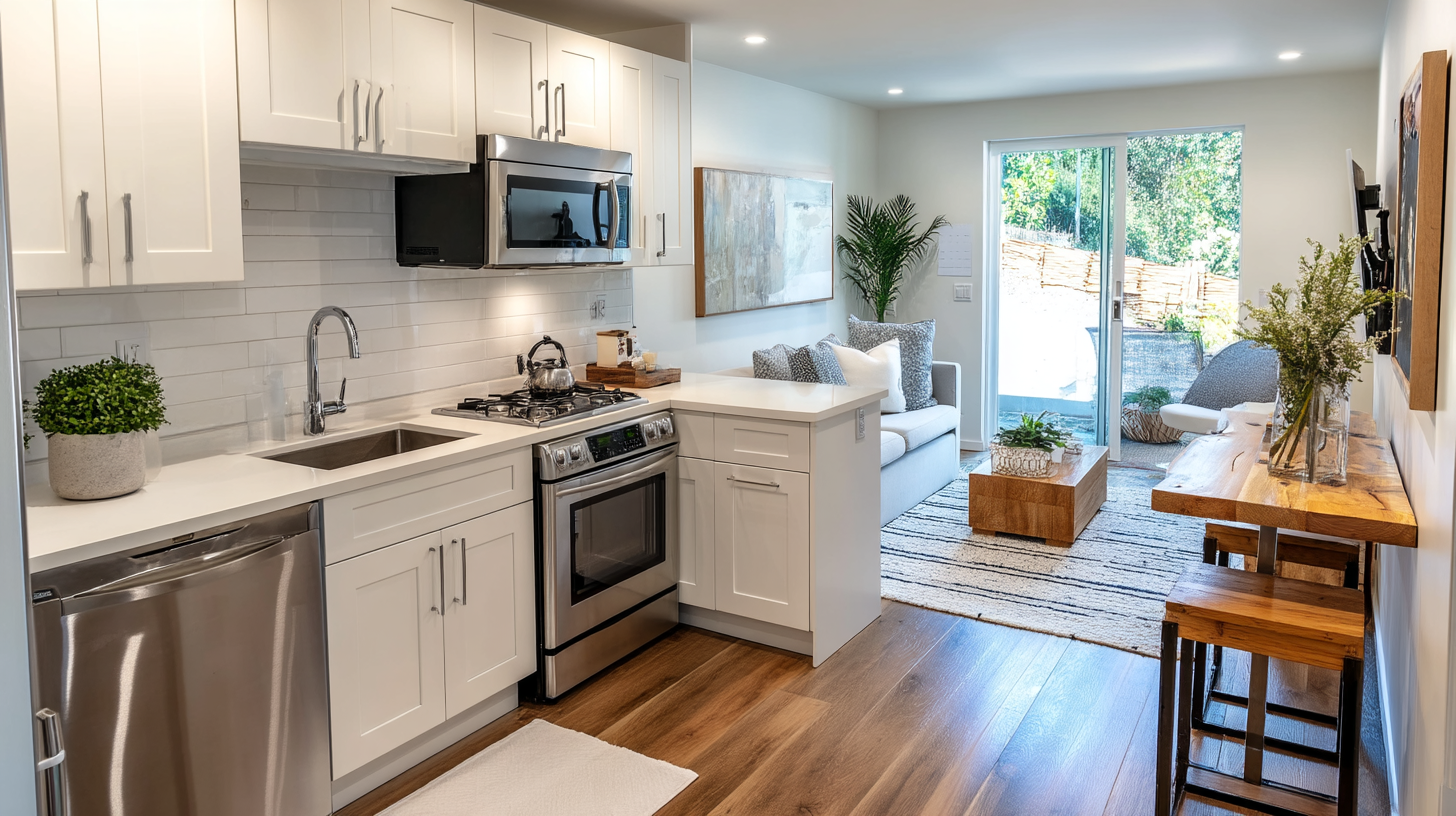
A tiny house generally refers to a compact living space, typically under 400 square feet depending on local definitions. This compact structure can be a house on wheels, a foundation-based tiny home, or a modular build. Each type comes with its own considerations for placement, permits, utilities, and financing. Understanding building codes is essential for any tiny home owners planning to buy.
Is Tiny House Living Right for You?
Tiny house living appeals to those who want to save money, create flexible living space, and embrace minimalist design. It is an appealing option for first-time buyers, downsizers, retirees, families adding guest housing, or even a tiny house community. But tiny homes have trade-offs, less storage, adjustment to compact life, and possible zoning laws obstacles. Planning ahead, thinking through utilities, and talking with local planning departments can help. Most people who choose this path discover new levels of freedom and satisfaction, and many hope to find a cheap yet quality home that fits their lifestyle. It’s important to remember that every person’s journey is unique, and a bit of patience can go a long way.
How Much Does Tiny House Cost in 2025?
In 2025, cost to build or purchase a tiny home varies widely based on size, type, location, and materials. According to national data, a full tiny home costs between $30,000 and $60,000, with most homeowners spending around $45,000. HomeGuide notes that costs range between $30,000 and $70,000, and prices per square foot vary from $150 to $450 depending on structure and finishes. Other recent data places custom tiny house costs between $30,000 and $150,000, excluding land and utilities, while prefab options may start from $15,000. Averages across multiple sources show typical spending between $30,000 and $60,000.
Optional Breakdown by Type
- DIY kits, shell or basic units can begin at those lower price tiers, sometimes a few thousand dollars cost if you already own land
- Prefab tiny homes may run from $25,000 to $80,000 or more depending on features
- Custom, high-end tiny homes built by a builder can go up to $150,000 or more, especially with premium materials and finishes
You may also pay a down payment if obtaining financing or a loan. And then there are other factors like site prep, utilities, permits, insurance, and transport.
Where Can You Place a Tiny House in California?
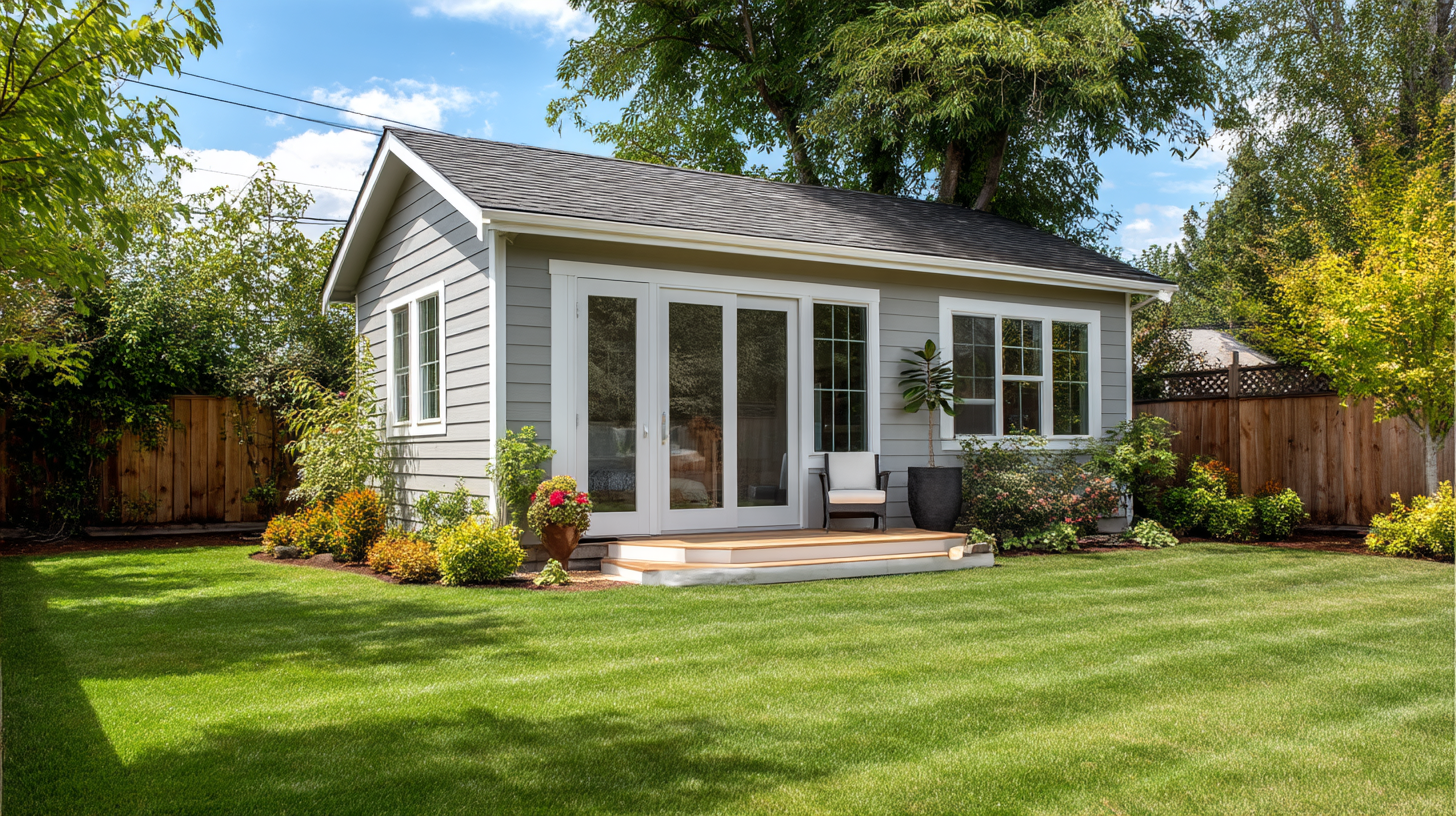
If you own land privately or have access to private property through family, friends, or personal purchase, placing a tiny home could be feasible. Thanks to recent updates in ADU law and local law changes, many California cities now allow tiny homes as accessory dwellings, provided they follow building codes and zoning laws. Fresno County is especially progressive, allowing moveable tiny homes as backyard units. West Sacramento has passed an ordinance permitting tiny homes on wheels as legal dwellings under specific zoning regulations.
Local planning departments and city zoning rules vary significantly, so speaking with officials is a smart plan. Especially if you plan to add solar panels, power connections, plumbing, or other utilities. Planning ensures you follow the correct placement rules whether you choose private property, an RV parks space, or a tiny house community.
Tiny Home Buying Options
You have several clear pathways to consider depending on your budget, timeline, and comfort level.
Buy New from a Builder or Prefab Company
Well known companies like Tumbleweed Tiny House Company located near Sonoma offer custom tiny homes, complete with options and plans for tiny house owners. Amazon sells affordable options including a $8,000 Skyline tiny home and a $26,000 two-story model with lofts, plumbing, electricity, and windows. Another Amazon cabin-style tiny home offers large windows and full kitchen and living space for just under $40,000. These homes are often available for sale directly or through dealers.
Buy Used
You can find used tiny homes from other owners, but you should carefully check condition, building codes compliance, plumbing, electricity, insurance status, and transport feasibility. It is often more affordable but requires diligence and a bit of extra effort to avoid surprises.
DIY or Kit-Based Building
Tiny house project lovers can start with a shell or kit like those from Home Depot starting at around $19,000 or choose pre-cut shell kits from various niche manufacturers. DIY projects may save money and offer creative control, but require planning, tools, budgeting, and often a permit fee.
Buy via Rent-to-Own or Financing Plan
Some companies now offer manageable payment structures or project-based financing options. With a down payment and approved budget, you can buy over time or finish interior later. Keep in mind that financing might require a bit of waiting and paperwork, but it can make ownership more accessible.
Financing Your Tiny House in 2025
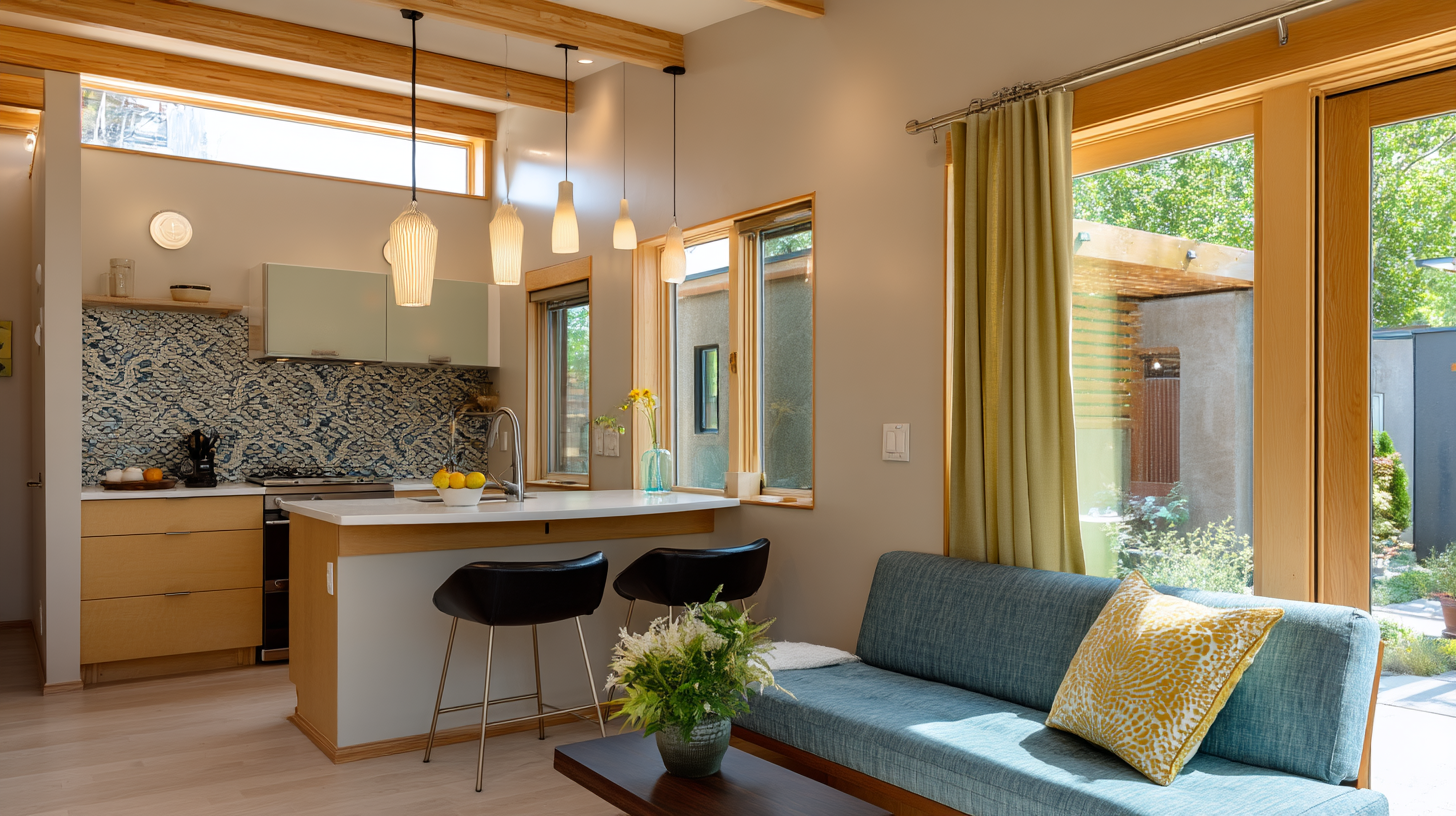
Traditional mortgages are rare for tiny homes, especially those on wheels. Here are more viable options:
- Personal loans, which may require a down payment but cost a few hundred dollars a month depending on terms
- Chattel loans or RV loans are possible if the house on wheels has certification and meets building codes
- Self-financing through savings or budgets helps you save money and reduce interest costs. Even a down payment of a few hundred dollars or more can help demonstrate commitment to lenders. Compare financing types carefully.
Many tiny house owners report that financing is one of the tougher parts, but starting with a solid plan, matching project cost to timeline, and having a budget improves outcomes. Insurance is also a consideration — it’s important to secure proper insurance coverage for your tiny house to protect your investment.
Permitting, Utilities and Site Planning
Whether your tiny home is mobile, fixed, or somewhere in between, paying attention to permits, utilities, and site placement matters deeply.
Permits & Building Codes
Tiny homes must meet local building codes and zoning laws. Many communities treat them like ADUs, which allows smoother placement on private property. Updated laws and the ADU handbook of 2025 make it easier for local planning approval. Ceiling height, square footage, and other structure requirements vary, but codes such as those from California Housing and Community Development guide compliance.
Utilities & Site Prep
A proper plan includes water, electricity, plumbing, sewer or septic connections, plus options for solar panels if off grid. Having utility hookups in place or adding solar cells helps future-proof your tiny home living space. Site preparation may include grading, foundation work, or placement planning. Power supply is critical, so ensure you have a reliable connection or plan for alternative energy sources.
Transport Company Cost
If you buy a house on wheels or a shell, you may need a transport company to move it to your site. That cost depends on distance, size, and logistics but it’s a key cost to budget for. You might have to wait for a transport slot, so scheduling ahead is recommended.
Tiny House Living: What to Expect
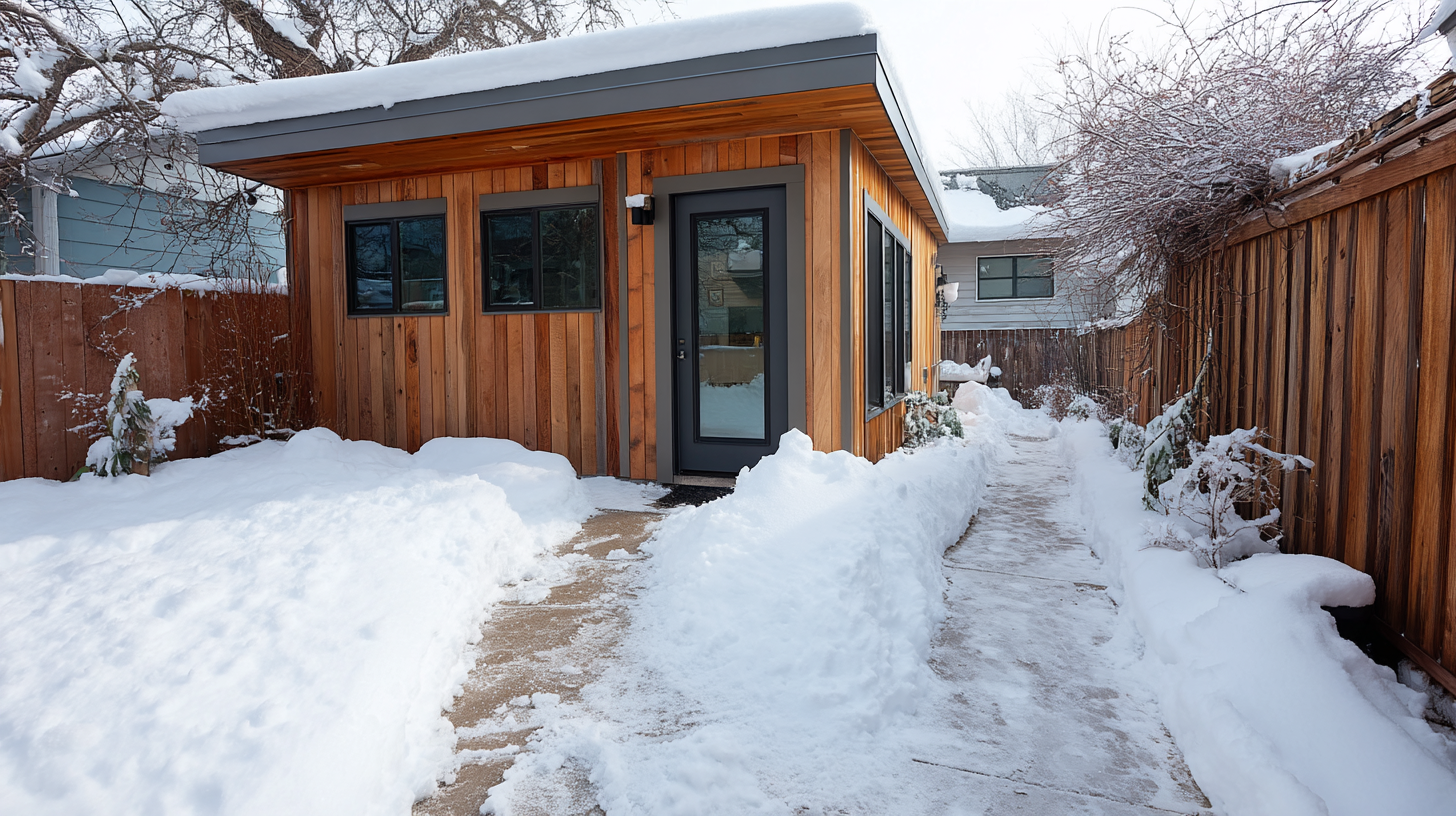
Tiny home living may sound dreamy, but it’s real and sometimes challenging. Smart design goes a long way, vertical storage, multifunctional furniture, lofts, windows for natural light, all matter. Expert voices say tiny house living is an appealing option if you scale your expectations, prepare for lifestyle changes, and adjust gradually.
Stories from other tiny house owners include creative tiny house communities, minimal furnishings, cost savings on utilities, and deeper connections through shared tiny home experiences. Tiny house community participation often fosters support, sharing, and connection with like-minded neighbors.
Tiny House vs ADU
Comparing a tiny home with an ADU helps clarify which best fits your goals.
Tiny House Pros
- Mobility and flexibility if built as a house on wheels
- Usually lower initial price
- Works well as temporary housing, a rental, or guest unit
ADU Pros
- More living space, often above 400 square feet
- Better resale value and long-term investment
- Typically easier to finance and insure
- Often easier to place legally as a permanent structure
Your own journey may be better served by an ADU, a tiny home, or even combining both. Check Golden State ADUs for help comparing your options, especially regarding financing, design, and permitting.
Final Thoughts
When considering how to buy a tiny house, remember it is about thoughtful planning, local compliance, cost management, and aligning with your life goals. Whether you plan to own land, build on a foundation, or place a tiny house on wheels, your path is unique. Embrace the idea that this journey can enrich your life, expand your property potential, and lead to long-term savings.
Contact Golden State ADUs to explore your options, plan budgets, assess local zoning laws, and get end-to-end support from your own team of trusted tiny house and ADU experts.
Frequently Asked Buying a Tiny House Questions
Can I place a tiny house on my private property in California?
Yes, in many cases, if you follow building codes, zoning, and ADU rules. It depends on your city and local planning regulations.
Do I need permits to place a tiny house?
Yes, a permit is usually required, especially if it has utilities or is on a foundation.
Can I finance a tiny home?
Yes, through personal loans, chattel or RV loans, and sometimes rent-to-own options. A down payment may be required.
How much square feet is typical for a tiny home?
Most tiny homes range under 400 square feet, though some models are larger.
How long does building or purchasing and placing a tiny home take?
Prefab purchases can be quick, while DIY or custom builds may take months depending on complexity, permits, site prep, and builder availability.
Do local building codes vary?
Yes, they vary by city, county, and community. Always check local zoning laws and consult local planning for best results.
Should I work with a real estate agent?
Working with a real estate agent, especially one experienced with tiny homes or ADUs, can help you navigate property options, point to ideal placements, and streamline the purchase process.
Should I consider living in a tiny house community?
They can be a great way to experience tiny house living with built-in community, shared resources, and easier compliance with local regulations.
Ready to start your tiny house project?
Whether your next step is finding land, finalizing a budget, designing your build, or connecting with a builder, contact Golden State ADUs to walk you through each step of your own journey. Let’s bring your tiny home vision to life through smart planning, solid financing, and quality design.