
Tiny homes have become part of a powerful tiny house movement in recent years, offering a way to live small, adopt a minimalist lifestyle, and pay less money over time than traditional homes. This idea appeals to many Americans seeking financial freedom and a simpler life. But how much does a tiny house cost in 2025, especially compared to traditional homeownership, manufactured homes, or accessory dwelling units (ADUs) on your property in California? Let’s explore tiny house cost, from square feet and tiny home models to zoning laws, purchasing land, building materials, utilities, storage, and more, so you can decide if a tiny space that’s affordable, efficient, and fitting a simpler lifestyle is right for you, or if an ADU makes more sense.
Tiny Home Cost Overview and Why It Can Be Pricier Per Square Foot than Traditional Homes
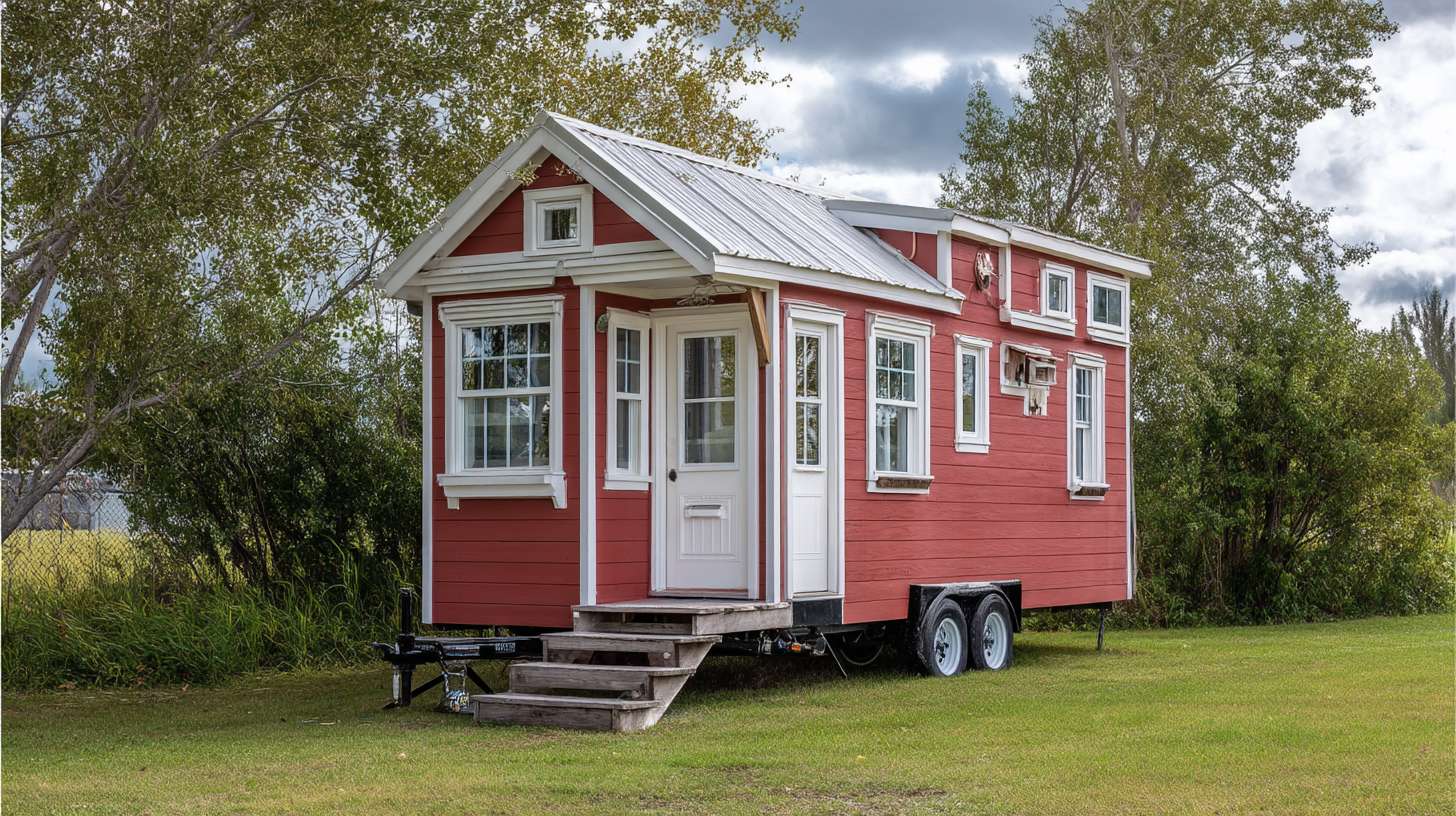
The average cost to build a tiny home ranges from $30,000 to $150,000, depending on size, square footage, the level of finishes, and whether it’s a DIY project, a prefab tiny home, or a custom build. These figures represent the core cost of a tiny unit before factoring in land, utilities, permits, or other extra costs.
Tiny homes often cost more per square foot than traditional homes, not less. Why? Because they need the same core systems, kitchen, bath, electricity, plumbing, HVAC, as a full-size home but compressed into a tiny smaller footprint, eliminating economies of scale. Expect $150 to $450 per square foot, compared to maybe $150 to $200 for traditional homes, making the tiny home cost average near $290 per square foot.
Tiny Home Cost by Size or Build Type
Here’s how different tiny home models and sizes stack up:
| Size / Type | Prefab Tiny Home Cost | Custom Build Tiny Home Cost |
|---|---|---|
| Small (90–250 sq ft) | $15,000–$50,000 | $30,000–$70,000 |
| Medium (250–400 sq ft) | $30,000–$80,000 | $50,000–$125,000 |
| Large (400–600 sq ft) | $70,000–$125,000 | $100,000–$200,000+ |
Smaller models, like those under 100 or 200 square feet, may fall into ultra-minimal builds. Some kits or DIY options start as low as $10,000 to $30,000, but preparing land, running utilities, and getting permits often mean cost extra time and more money.
Hidden Costs, Land, Permits, Utilities, Financing, and More
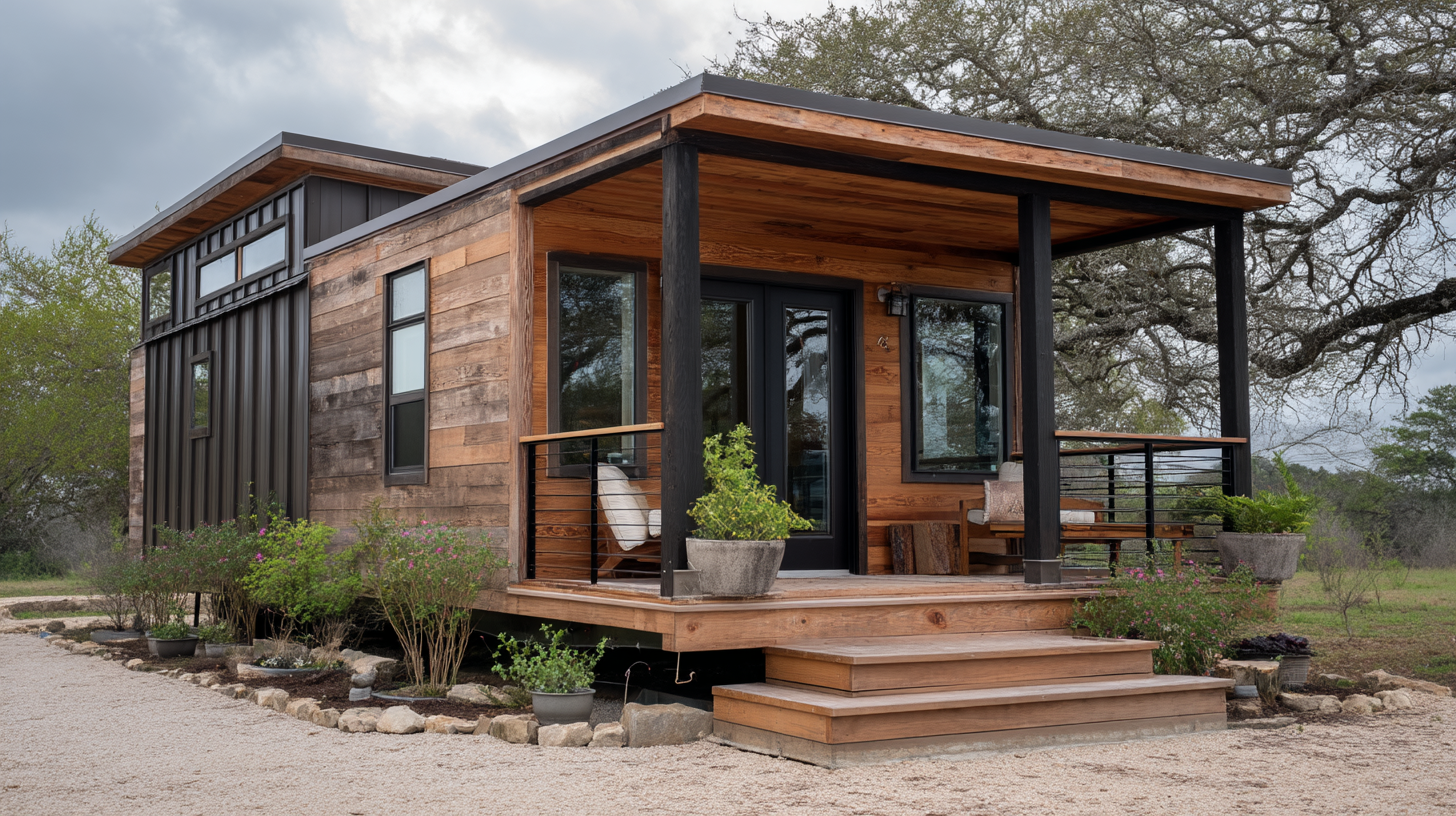
Purchasing Land & Land Prep
If you don’t already own property, purchasing land can cost anywhere from $5,000 to over $150,000 per acre in California. Other factors, like grading, site clearing, and foundation prep, can add thousands more, depending on local terrain and soil.
Utilities and Septic System
Hooking up a septic system, water, electricity, and other utilities costs extra. Plumbing can run into thousands, depending on distance and complexity. Permits and inspections also add to the overall cost.
Zoning Laws and Permitting
Zoning laws vary across cities and states in the country, and California’s approach to accessory dwelling units has evolved. But many localities still restrict tiny home placement, particularly on wheels. ADUs are now widely permitted and even encouraged in many areas. Understanding and navigating these rules can be confusing and costly.
Financing Challenges
Tiny homes rarely qualify for conventional mortgage or Rocket Mortgage financing, unlike ADUs which often do via home equity lines of credit or cash-out refinancing. That makes paying for a tiny home potentially more debt-intensive out of pocket.
Maintenance, Appliances, and Furnishings
Furnishings and appliances designed for tiny spaces are more compact and sometimes more expensive. Over time, maintenance is often easier, requiring less energy and producing less waste, but still something to budget for. Proper storage solutions are essential to maintain a comfortable life in a tiny home.
RV Parks and Living Situations
Some folks place tiny homes on wheels in RV parks permanently, paying monthly lot rent. Costs vary but can add $250 to $1,500 per month depending on location and included utilities.
Tiny House vs ADU, Which Offers More Value?
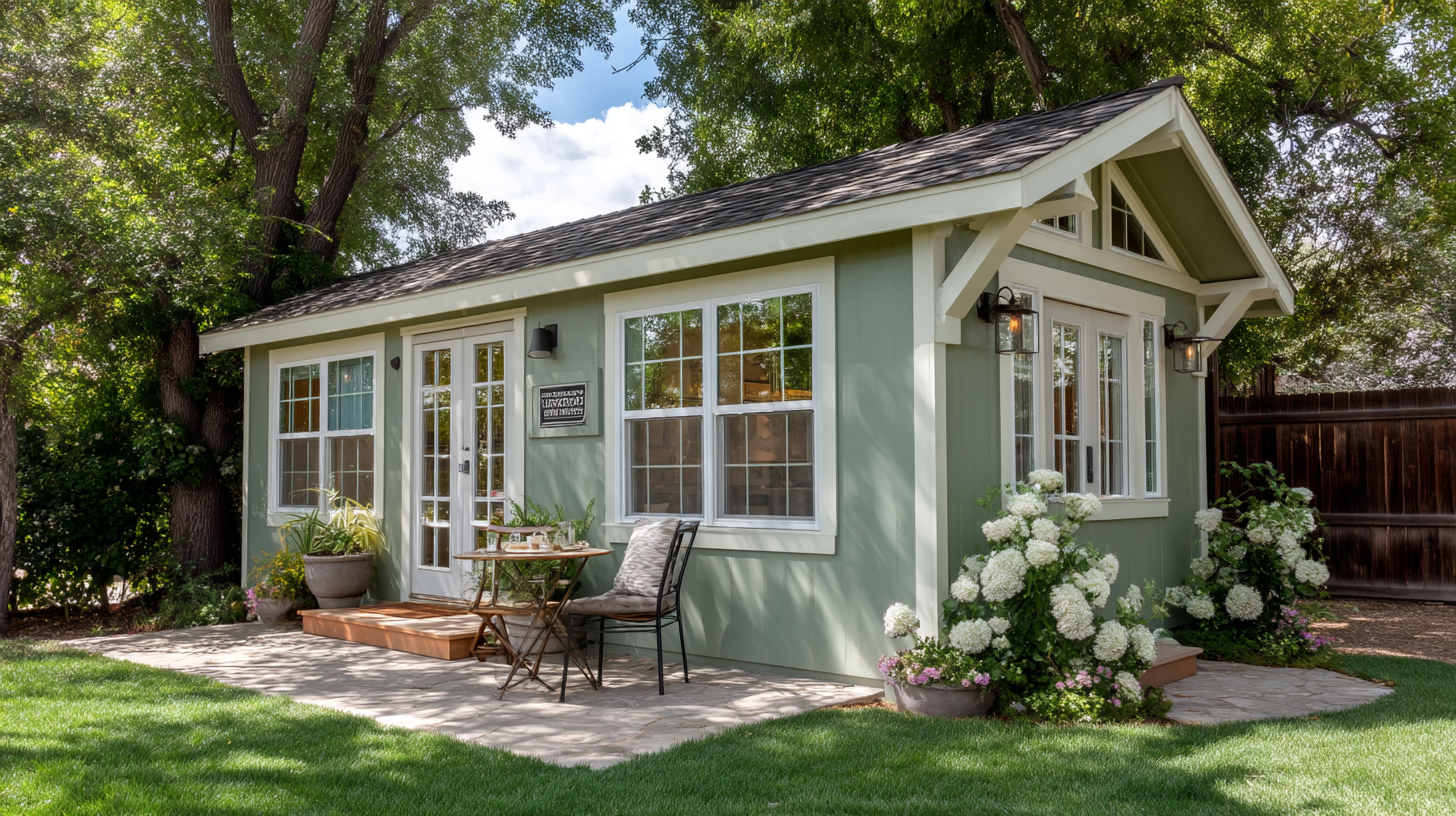
ADUs typically cost more, $100,000 to $400,000, depending on size, materials, location, and level of finish. In cities like San Jose or Sacramento, ADUs for 300–500 square feet range from $160,000–$195,000, and go up from there.
But ADUs also:
- Add to property equity,
- Are more likely to comply with zoning laws,
- Qualify for financing options,
- Can generate rental income of $1,500–$3,000+ per month in many California cities.
The tiny house movement reflects benefits such as financial freedom, a minimal environmental footprint, less energy and waste, and a simpler lifestyle. ADUs reflect more traditional homeownership but adapted for space and value.
Examples of Tiny Home Pricing Right Now
- A $10,100 prefab tiny home with pre-installed utilities and a rooftop deck is available through online retailers.
- A modern 300 sq ft tiny home model with kitchen, bath, and rooftop balcony is available for around $30,000.
- A 1,000 sq ft, two-story tiny house with six rooms is listed for $50,000, costing just about $50 per square foot, compared to well over that for a median-priced standard home.
- A modular Koto Niwa cabin (67–403 sq ft) starts around $52,000, plus shipping and licensing, an eco-designed, high-quality tiny home model.
- On the lower end, some community initiatives build tiny houses for as little as $7,000 to $15,000 for people in need, but these are highly limited and volunteer-driven.
Looking Ahead, What Your Options Provide
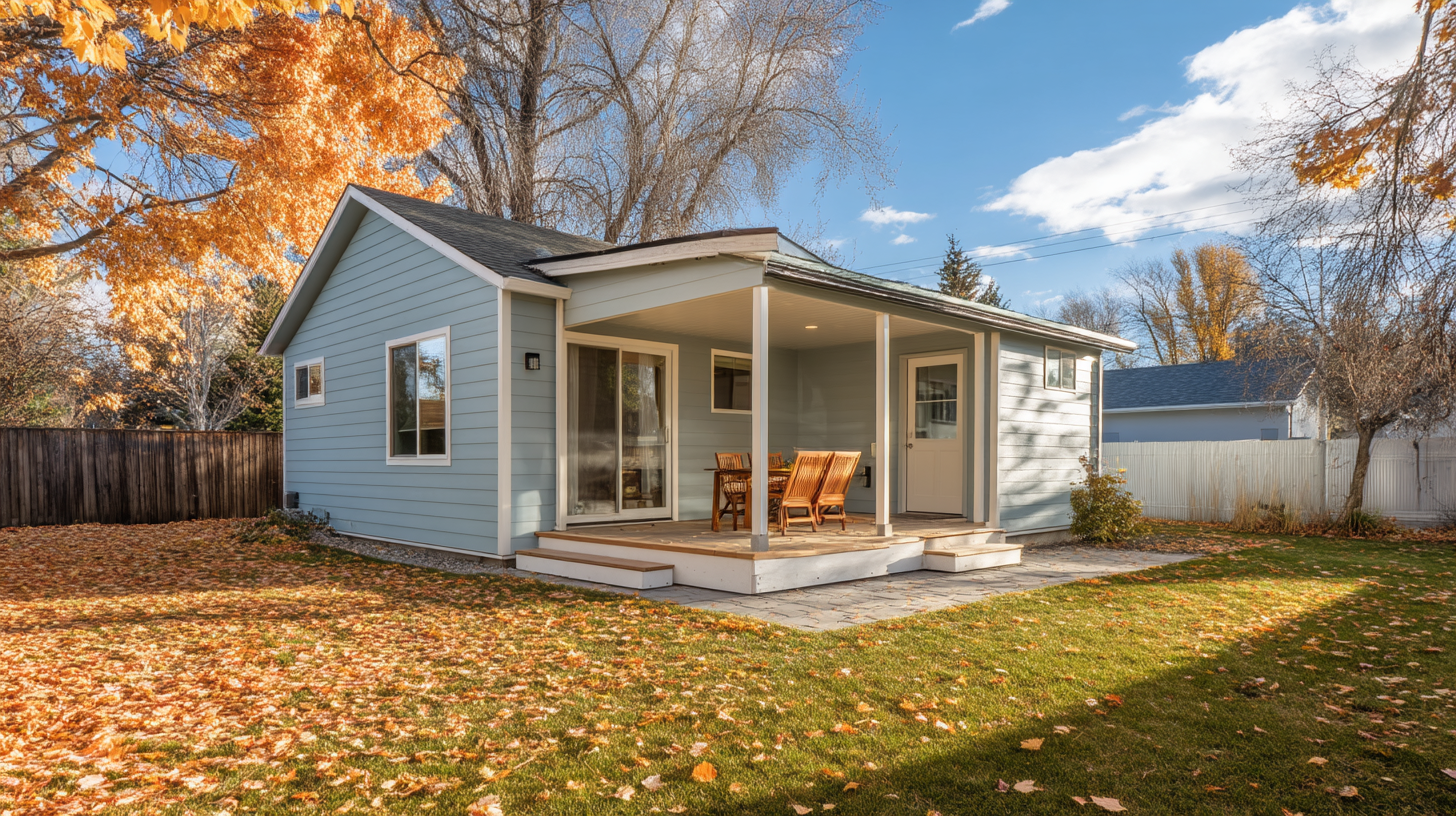
Tiny homes offer:
- Affordable upfront entry (as low as $10K),
- Flexible living arrangements, on wheels or foundation,
- A pathway to financial independence,
- A smaller footprint, less waste, less energy use,
- The speed and ease of moving or relocating in many parts of the world.
But unlike traditional homes, tiny homes:
- Often require extra planning, investments in land, and complex zoning laws navigation.
- Lack financing options,
- May limit resale value.
ADUs, while more expensive, provide:
- Legal stability,
- Better long-term return,
- Higher resale equity,
- Financing through traditional channels.
Frequently Asked Tiny House Costs Questions
How much does a tiny house cost on average?
The average tiny house costs between $30,000 and $150,000 depending on size, customization, and whether it’s a DIY project or a prefab model. Additional expenses like land, utilities, and permits can increase the total cost.
Are tiny homes cheaper per square foot than traditional homes?
No, tiny homes often cost more per square foot—typically between $150 and $450—because they require the same systems as traditional homes compressed into a smaller footprint, eliminating economies of scale.
Can I finance a tiny house with a traditional mortgage?
Tiny homes rarely qualify for conventional mortgages or Rocket Mortgage loans. Financing options usually include personal loans, RV loans, or paying cash. In contrast, accessory dwelling units (ADUs) often qualify for home equity lines of credit or refinancing.
What are the challenges with zoning laws for tiny homes?
Zoning laws vary widely and can restrict tiny home placement, especially for homes on wheels. Many areas have specific requirements or prohibit tiny homes altogether, making it essential to research local regulations before purchasing or building.
How do tiny homes compare to accessory dwelling units (ADUs)?
Tiny homes typically have lower upfront costs and offer more flexibility but may lack legal compliance, financing options, and long-term equity benefits that ADUs provide. ADUs often cost more but can add property value and generate rental income.
What additional costs should I expect beyond the tiny house itself?
Beyond the tiny house cost, expect expenses for purchasing and preparing land, installing utilities and septic systems, obtaining permits, furnishing, and ongoing maintenance.
Can I live in a tiny house in an RV park?
Yes, some people place tiny homes on wheels in RV parks, paying monthly lot rent. Costs vary by location and amenities but can range from $250 to $1,500 per month.
Conclusion Tiny Homes vs ADUs for California Homeowners
So, how much does a tiny house cost? Build cost alone ranges from $30,000 to $150,000+, but don’t forget land, utilities, permits, and furnishing costs. Tiny home cost per square foot might appear high compared to traditional homes, but overall tiny home still costs much less money total, which appeals to many Americans seeking financial freedom and a minimalist lifestyle.
If you want to save money, reduce your carbon footprint, and create a living space that fits a simpler lifestyle, a tiny home can be the answer, if you manage the process, land, zoning laws, and financing wisely.
If your goal is long-term equity, rental income, or compliant expansion of your property, accessory dwelling units offer a more future-proof, valuable, and legal path, though the overall cost and up-front investment are higher.
As California continues to rework zoning laws to accommodate accessory dwelling units, and as tiny home models get more available and efficient from different companies across the country, your decision should hinge on whether you value affordability and minimalism or equity, financing, and long-term value more.