
The hcd 2026 adu handbook changes give California homeowners, advocates, agencies, and developers clearer guidance on how to plan, permit, and build an accessory dwelling unit in today’s housing environment. The California Department of Housing and Community Development updated the ADU Handbook to reflect recent laws that took effect in January 2026, along with clarifications that affect permitting, local compliance, impact fees, JADU rules, and local agency review timelines.
What Is the HCD ADU Handbook?
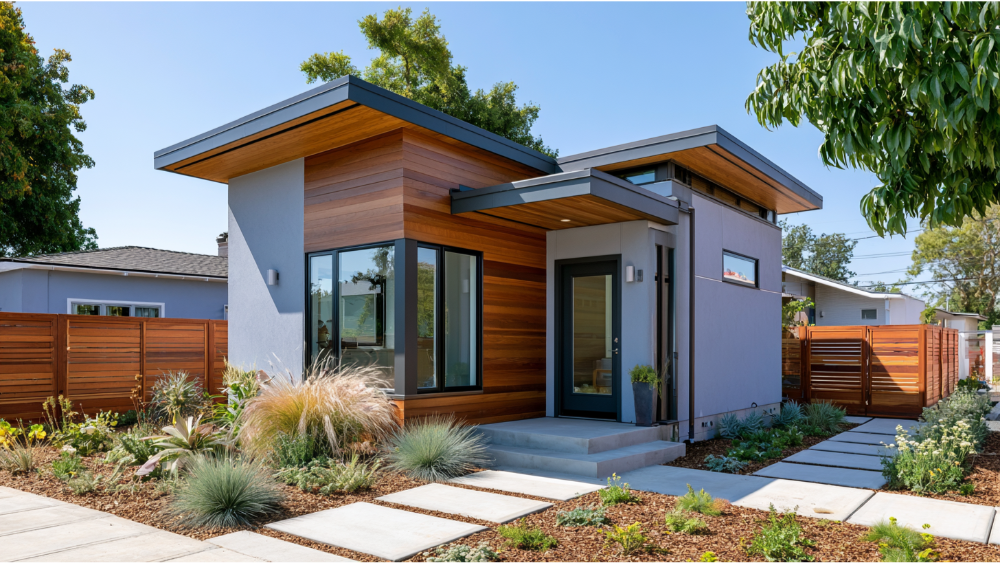
The HCD ADU Handbook is one of the most important resources for understanding state ADU law in California. It explains how accessory dwelling laws should be interpreted by cities, counties, local agencies, homeowners, builders, advocates, developers, and the broader housing community. While each city may have its own process, those local ordinances must still comply with state adu law.
Why California Homeowners Should Pay Attention
The handbook matters because ADU law affects what you can build, how large your unit can be, how permitting should work, and which requirements a city can enforce. For homeowners, the latest handbook is not just a policy document. It can influence project timing, design choices, costs, and whether a local agency is applying the laws correctly.
How the 2026 Update Fits Into California’s ADU Push
California has spent recent years removing barriers to ADU development because accessory dwelling units are now a major part of the state’s housing strategy. The California Department of Housing and Community Development (HCD) continues to emphasize faster approvals, better compliance, and clearer guidance for cities. These changes help homeowners learn what is allowed before they invest in plans, fees, and construction.
Key HCD 2026 ADU Handbook Changes
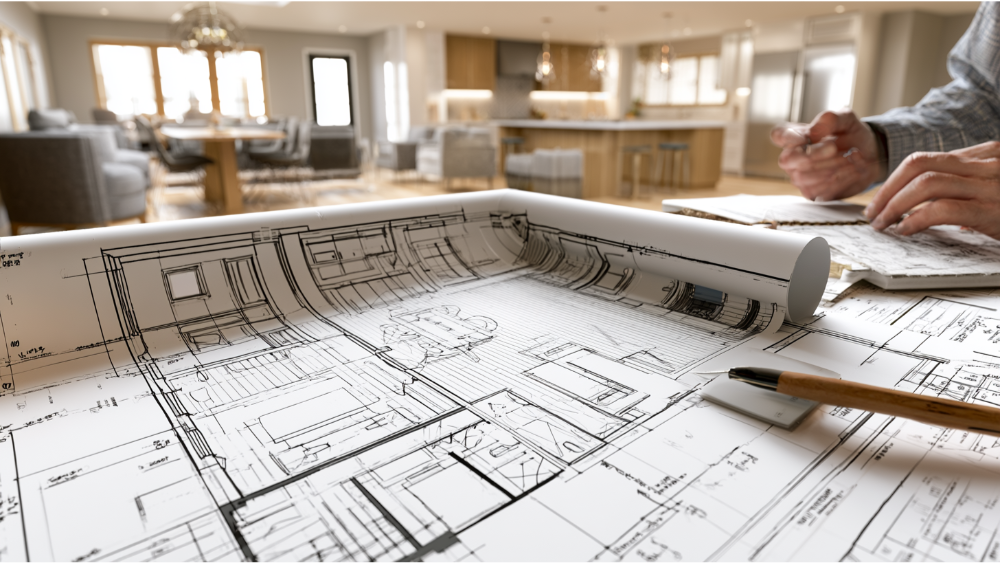
Faster Review for ADU and JADU Applications
One of the most important changes is the new requirement for local agencies to review an ADU or JADU application for completeness within 15 business days. If an application is incomplete, the agency must give the applicant a written list of missing items and explain what is needed.
This does not mean every accessory dwelling unit (ADU) will be approved in 15 business days. It means agencies must respond more clearly at the beginning of the process. A complete application is still essential, especially when plans must address zoning, utilities, fire access, building code, setbacks, and lot conditions.
Stronger Rules for Local ADU Ordinance Compliance
The updated handbook gives HCD stronger authority when local ordinances conflict with state ADU laws. If cities or counties fail to submit adopted ordinances to HCD or do not respond to compliance findings, those ordinances may become invalid, and the agency may need to apply state law instead.
This gives homeowners and advocates more protection when local rules are outdated or too restrictive. Cities can still apply objective standards, but they must align with California law. This is especially important in places with older rules for detached ADUs, garage conversions, existing units, and unpermitted ADUs.
JADU Owner-Occupancy Rules Are Clearer
The latest handbook clarifies owner-occupancy rules for junior units. If a JADU shares sanitation facilities with the main home, owner occupancy is required. If it has separate sanitation facilities, that requirement does not apply. JADUs also cannot be used as short-term rentals.
This gives homeowners more flexibility when deciding whether to build a full ADU or a junior unit. A JADU may be a practical option when the existing home layout supports it, while a detached or attached ADU may offer more privacy and long-term rental potential.
ADU and JADU Size Rules Focus on Interior Livable Space
The handbook clarifies that size limits are based on interior livable space. It also reinforces key rules around impact fees. Smaller units can be exempt from certain fees, which makes early design strategy important.
A well-planned 700 to 750 square foot unit may provide excellent livability while helping control costs. This is where smart design matters. The goal is not just to build more space, but to build space that works for rental income, family housing, privacy, and long-term value.
JADU Fire Sprinkler Rules Are Clarified
The handbook confirms that adding a JADU does not automatically trigger fire sprinklers for the primary home if the main home does not already have them. This can reduce uncertainty for homeowners considering an interior conversion. Fire safety requirements still matter, but this clarification helps avoid unnecessary assumptions during planning.
Coastal Zone ADU Processing Has Clearer Timelines
For coastal projects, completed coastal development permit applications must be approved or denied within 60 days.
Coastal projects still require careful review, but the timeline is clearer. While this may not apply to most Sacramento-area projects, it matters statewide and shows how the Department of Housing is pushing agencies toward more predictable processing.
Emergency Rebuilding Flexibility for ADUs
Recent AB updates allow an accessory dwelling unit to receive a certificate of occupancy before the primary home in certain emergency rebuilding situations.
This can help families recover after disasters by making housing available sooner. In a state where wildfires and other emergencies affect many communities, this change reflects how ADU laws can support practical housing recovery.
How the 2026 HCD ADU Handbook Changes Affect Permitting

The updated ADU Handbook makes permitting more accountable, but it does not remove the need for strong planning. Local agencies still review plans for compliance with zoning, building code, utilities, access, fire safety, and local submittal requirements. A faster completeness check is helpful, but incomplete or unclear plans can still slow a project down.
Better Prepared Applications Matter More Than Ever
A professionally prepared application should include accurate site information, floor plans, elevations, utility details, code notes, and any city-specific documents. This is especially important for homeowners trying to build in Sacramento, San Jose, or other cities where procedures may vary.
Why Local Rules Still Need Careful Review
State ADU law creates the baseline, but cities may still have compliant objective standards. That means a project in Sacramento may not follow the exact same process as one in Roseville, Folsom, Elk Grove, West Sacramento, Citrus Heights, or Carmichael. Local knowledge remains important.
How the 2026 Updates May Impact ADU Costs
Impact Fee Savings for Smaller ADUs
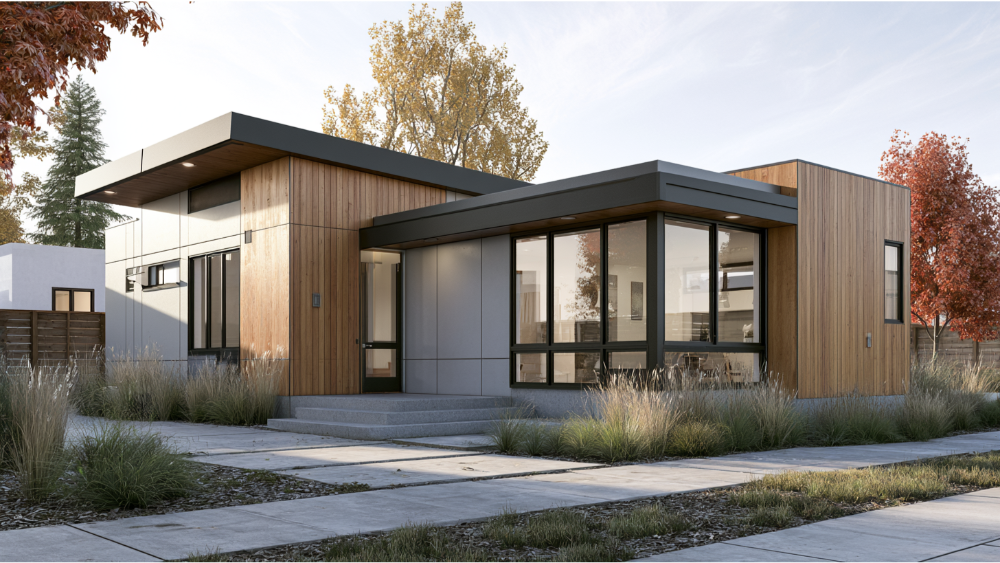
One of the biggest cost-related takeaways is the continued importance of the 750 square foot threshold. For many homeowners, designing within that range can reduce certain fees and improve project feasibility.
Potential Cost Benefits for JADUs
JADUs can sometimes cost less than new detached construction because they often use existing space. However, bathroom access, privacy, parking, entrances, and long-term use should be evaluated before choosing this route.
Why Upfront Planning Helps Avoid Expensive Revisions
The most expensive problems often come from late discoveries. These can include utility conflicts, setback issues, incomplete documents, or design changes requested after submittal. A full-service team helps identify issues earlier, which can save time and reduce stress.
What Homeowners Should Do Before Starting an ADU in 2026
Review Your Property’s ADU Potential
Start with the basics: lot size, setbacks, access, utilities, existing structures, drainage, and privacy. Some properties are ideal for detached units, while others work better for attached units, garage conversions, or junior layouts.
Decide What You Want the ADU to Accomplish
The best design depends on the goal. Some homeowners want rental income. Others want family housing, guest space, aging-in-place support, or a flexible home office. Clear goals make the design process more efficient.
Work With an ADU Team That Handles Design, Permitting, and Construction
Golden State ADUs helps homeowners move from feasibility to design, permitting, and construction with one coordinated team. That matters because ADU development requires more than a drawing. It requires understanding state law, local requirements, site conditions, and construction realities.
Why These Changes Matter for Sacramento and Northern California Homeowners

The latest HCD guidance creates more opportunity, but it also reinforces the need for experience. Sacramento-area cities each have their own permitting workflows, and homeowners should not assume every city applies the handbook the same way. Working with a team that understands Northern California communities helps reduce confusion.
The California Department of Housing and Community Development (HCD) has also encouraged tools like pre-approved ADU plans in some jurisdictions to make the process easier. These can be useful, but they still need to fit the lot, utility conditions, and homeowner goals.
For homeowners who want to join California’s growing accessory dwelling movement, 2026 is a strong time to learn the rules, evaluate the property, and build with confidence. Advocates, developers, agencies, and community leaders continue to focus on ADUs because they add flexible housing without changing the character of existing neighborhoods.
The March handbook release also reflects the latest wave of ADU law updates connected to recent AB and SB measures. Many of these laws took effect in January, while agencies, advocates, and community development professionals continued discussing implementation through April. For homeowners, the important point is that California is not treating ADUs as a temporary trend. The Department of Housing and Community Development (HCD) continues to refine the rules because accessory dwelling development is now a core part of the state’s housing strategy.
FAQs About the HCD 2026 ADU Handbook Changes
What is the HCD ADU Handbook?
The ADU Handbook is guidance from the California Department of Housing and Community Development that explains how state ADU laws apply to accessory dwelling units and junior units.
What changed in the 2026 ADU Handbook?
The latest handbook includes changes related to faster application completeness review, stronger ordinance compliance, JADU owner-occupancy rules, size calculations, fee rules, sprinkler clarification, coastal processing, and emergency rebuilding.
Do cities still have their own ADU rules in 2026?
Yes. Cities can still have local ordinances, but those ordinances must comply with state ADU law. When local rules conflict with state law, HCD can require compliance.
How long does a city have to review an ADU application in 2026?
Local agencies must determine whether an application is complete within 15 business days. Approval timelines may depend on the project, the city, and whether corrections are required.
Are ADUs under 750 square feet exempt from impact fees?
Yes, ADUs of 750 square feet or less are generally protected from impact fees under California ADU law.
Do JADUs require owner occupancy in 2026?
It depends on sanitation facilities. If the JADU shares sanitation facilities with the main home, owner occupancy is required. If it has separate sanitation facilities, that requirement does not apply.
Can I use a JADU as a short-term rental?
No. JADUs cannot be used as short-term rentals and must be rented for more than 30 days if rented.
Should I build an ADU or JADU?
That depends on your home, budget, privacy needs, rental goals, and available space. A detached unit may offer more independence, while a junior unit may work well when the existing home layout supports it.
How can Golden State ADUs help with 2026 ADU laws?
Golden State ADUs provides full-service design, permitting, and construction support for homeowners in Sacramento and surrounding Northern California communities. Our team helps simplify the process from early planning through the final build.
Final Thoughts: The 2026 HCD ADU Handbook Creates More Opportunity for Homeowners
The 2026 handbook from the California Department of Housing and Community Development (HCD) gives homeowners more clarity on timelines, fees, JADU rules, ordinance compliance, and local agency responsibilities. The recent changes continue California’s effort to make accessory dwelling development easier while keeping safety and community standards in place.
For Sacramento and Northern California homeowners, the takeaway is clear: ADU laws are improving, but successful projects still depend on good planning. A complete application, thoughtful design, and experienced guidance can help turn a backyard, garage, or existing space into a valuable new housing unit.