
With housing demand surging across California, many homeowners are turning to Accessory Dwelling Units (ADUs) as a smart way to generate rental income, increase property value, and create flexible living arrangements. But one of the most common questions we hear is: Are there any restrictions on renting out an ADU in California?
The answer is yes, but most of those restrictions are manageable with the right planning and guidance. In this guide, we’ll break down the state and local rules around ADU rentals, how they affect short-term and long-term rental options, and what every California homeowner should know before renting out an ADU rental unit.
What Is an ADU and Why Are They So Popular?
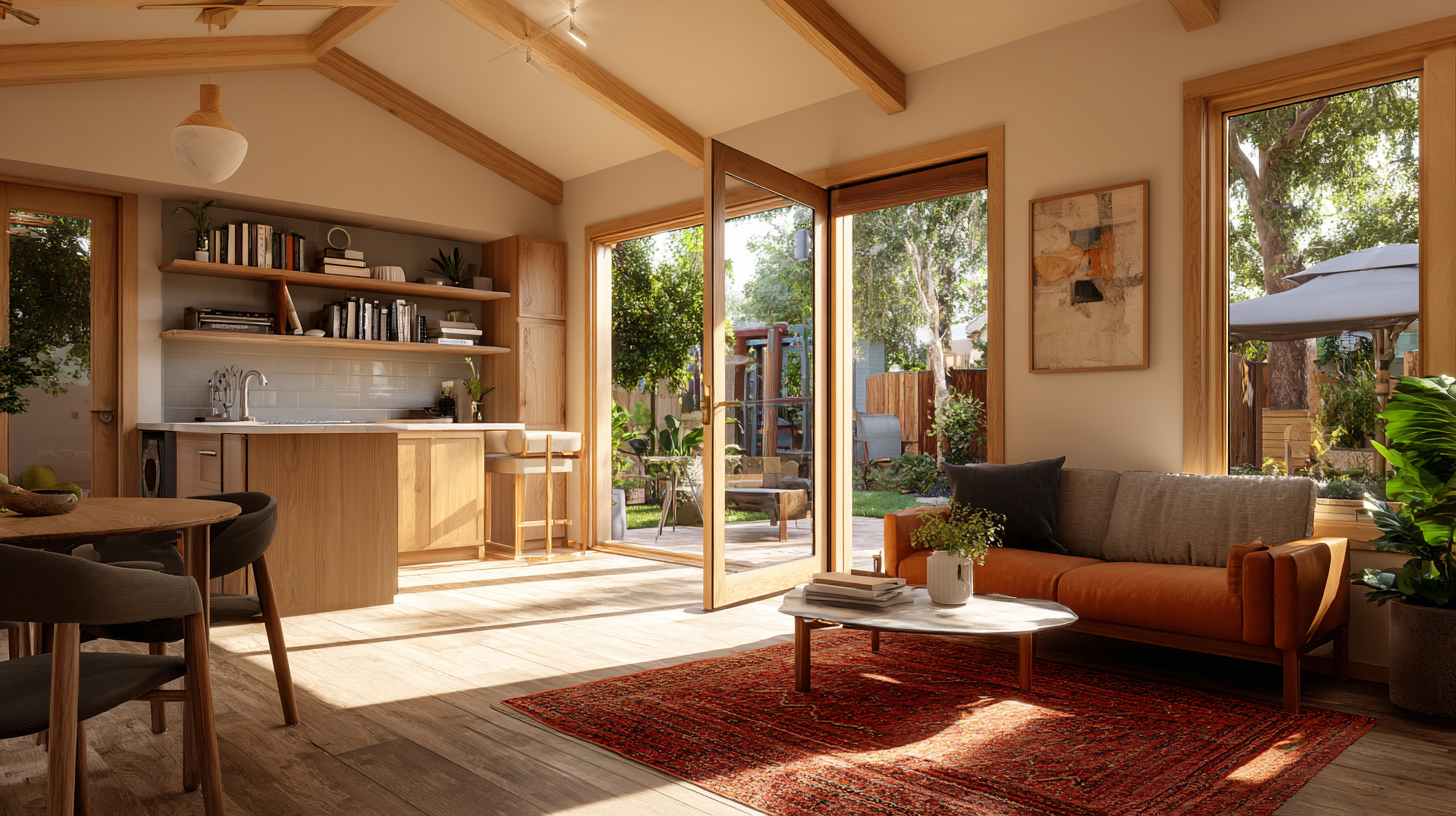
An Accessory Dwelling Unit (ADU) is a self-contained residential unit located on the same property as a main house. Commonly called in-law units or guest houses, ADUs can be detached backyard cottages, garage conversions, or attached suites with private entrances and kitchens. California has also introduced Junior Accessory Dwelling Units (JADUs), smaller units created within the main home that share some systems with the primary residence.
ADUs are rapidly gaining popularity for good reason:
- They allow homeowners to generate rental income without selling property
- They offer housing for family members or caretakers
- They increase overall property value
- They support the creation of more affordable housing throughout the state
For homeowners in areas like Sacramento, San Diego, and throughout Southern California, ADUs are an increasingly attractive investment, especially with California’s pro-ADU laws.
Can You Rent Out an ADU in California?
Yes, you can legally rent out an ADU in California. California state law has evolved to actively encourage homeowners to build and rent ADUs as part of the state’s strategy to address the housing crisis.
However, several important restrictions and rental laws still apply. These include:
- Set minimum rental periods
- Local limitations on short-term rentals
- Compliance with rent control and tenant protections
- Property requirements such as building codes and parking space availability
Understanding and complying with these requirements is key to maximizing your ADU rental income while staying in full legal compliance.
Minimum Rental Periods and the Ban on Short-Term Rentals
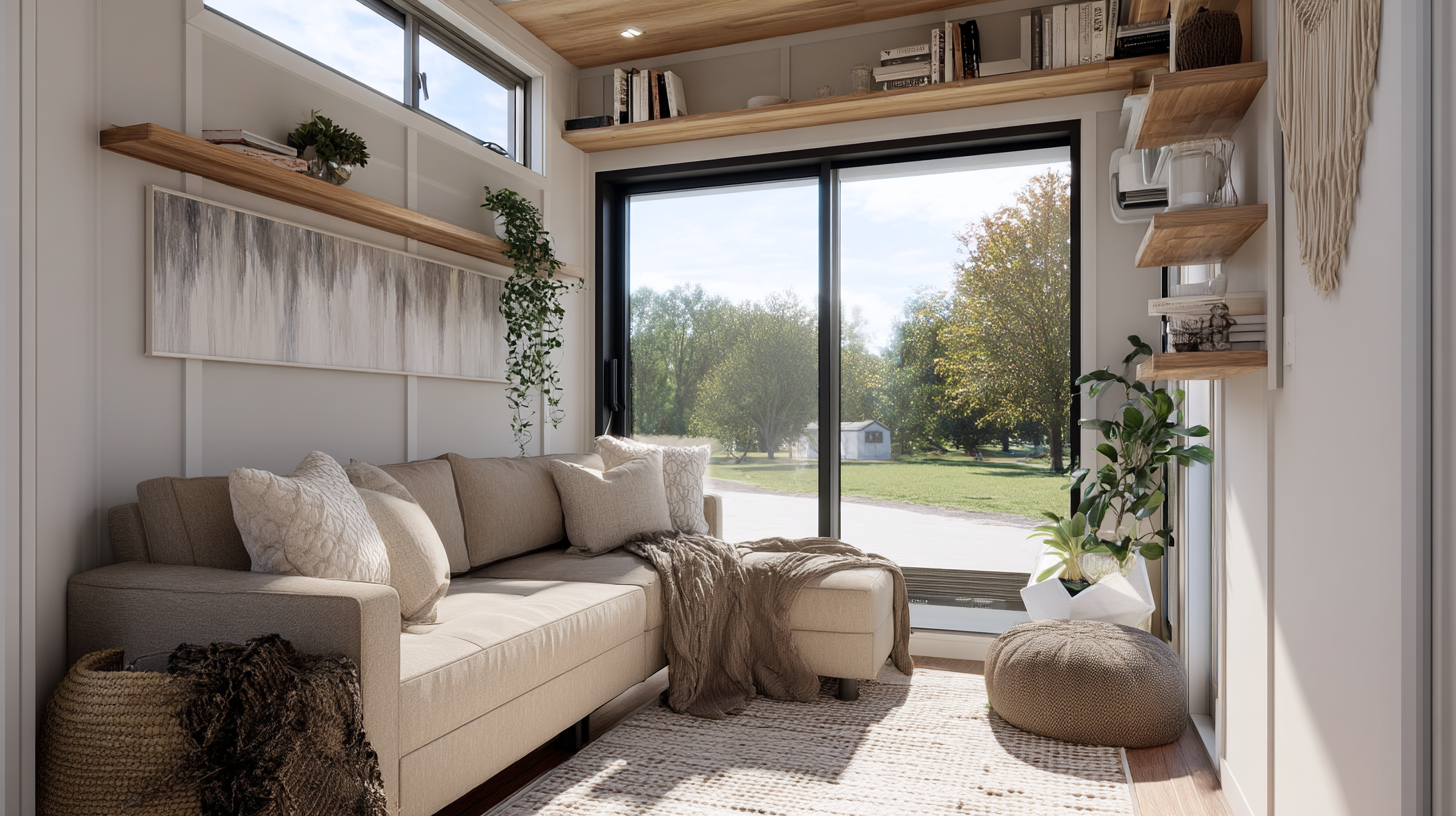
Under current California law, ADUs cannot be rented for fewer than 30 days. This means you cannot legally use your ADU as a short-term vacation rental through platforms like Airbnb or VRBO in most cities.
State law was written to support long-term ADU rentals that provide stable housing, not vacation rentals. This minimum rental period applies whether you’re renting the ADU, the main residence, or both the ADU and the main house.
Some cities have gone even further by placing stricter bans or requiring permits for short-term rentals. In places like San Diego and parts of Southern California, local laws may impose registration requirements or limit the number of rental units per block.
If you’re looking to rent out your ADU, we recommend planning a rental strategy focused on long-term rentals of 30 days or more to stay compliant with both state and local restrictions.
No More Owner-Occupancy Requirements
As of 2025, owner occupancy requirements for ADUs and JADUs have been permanently eliminated. This means you do not have to live on the same property in order to rent out your ADU.
This change gives homeowners and small-scale investors greater flexibility. For example, you can now:
- Rent out both the primary home and the ADU
- Own multiple rental properties with ADUs
- Use ADUs for tenants, business professionals, or even corporate housing setups
At Golden State ADUs, we work with many clients in the Sacramento area who are now using ADUs to create long-term housing for renters while covering mortgage payments or building wealth.
How Rent Control Laws Apply to ADU Rentals
California’s Tenant Protection Act (AB 1482) applies to most ADU rentals unless exempted. This law includes:
- A cap on annual rent increases (5% plus inflation, capped at 10%)
- “Just cause” eviction requirements
- Specific rules for rental contracts and lease terminations
That said, many newly built ADUs are exempt from local rent control ordinances due to the Costa-Hawkins Rental Housing Act, which allows single family property owners to set competitive pricing if the ADU was built after local rent stabilization laws were passed.
Our team can help you determine whether your unit is exempt, and how to set fair, legal rental agreements that comply with statewide rental laws and local protections.
Legal Requirements Before Renting Out an ADU
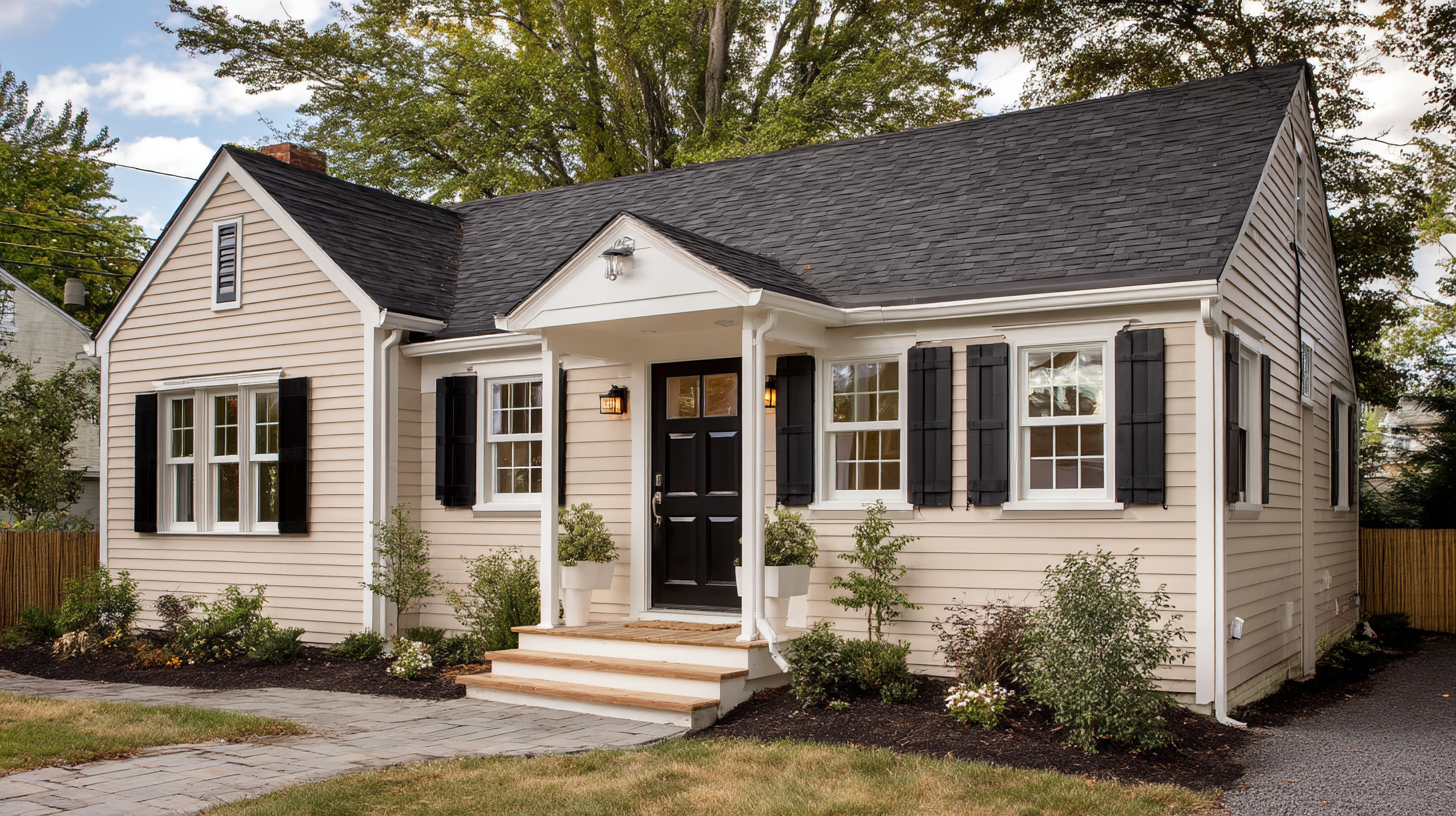
To legally rent your ADU, you must first complete all required approvals and certifications. This includes:
1 | Final Permits and Inspections
Before listing your ADU as a rental unit, your local building department must sign off on final inspections, ensuring the unit meets all applicable building codes, safety code standards, and local zoning requirements.
2 | Certificate of Occupancy
Your ADU must receive a Certificate of Occupancy showing it is safe, habitable, and approved for residential use.
3 | Lease Agreements and Tenant Screening
We recommend always using a written rental agreement that includes:
- Monthly rent amount
- Lease term (must be 30 days or longer)
- Security deposit details
- Maintenance responsibilities
- Legal clauses for liability coverage and fair housing laws
- Tenant qualifications such as credit report or employment checks
Strong leases help attract responsible tenants, prevent liability claims, and ensure your rental is fully protected.
What About Renting Out a Junior ADU?
Junior Accessory Dwelling Units (JADUs) are typically created within the existing structure of a single-family home and may share bathrooms or other utilities with the main residence.
These units are smaller (up to 500 square feet) but can be rented independently under California state law, provided they meet all local zoning and safety requirements. If your lot includes both a full ADU and a JADU, you may be able to rent out both units on the same property for additional income, assuming your city allows it.
Golden State ADUs can help you assess your property and explore options for maximizing livable spaces while staying compliant.
Renting Out an ADU in Multifamily Properties
Under 2025 updates to state law, multifamily lots (such as duplexes or triplexes) can now include multiple detached ADUs, sometimes up to eight on a single parcel, depending on the lot size.
These properties must comply with all local planning and safety requirements but offer significant rental opportunity for landlords looking to expand rental housing or diversify income. While the rules vary city by city, this law creates more flexibility for moderate income households and affordable housing goals, especially where market demand is high and fewer units are available.
Tax, Insurance, and Financial Considerations
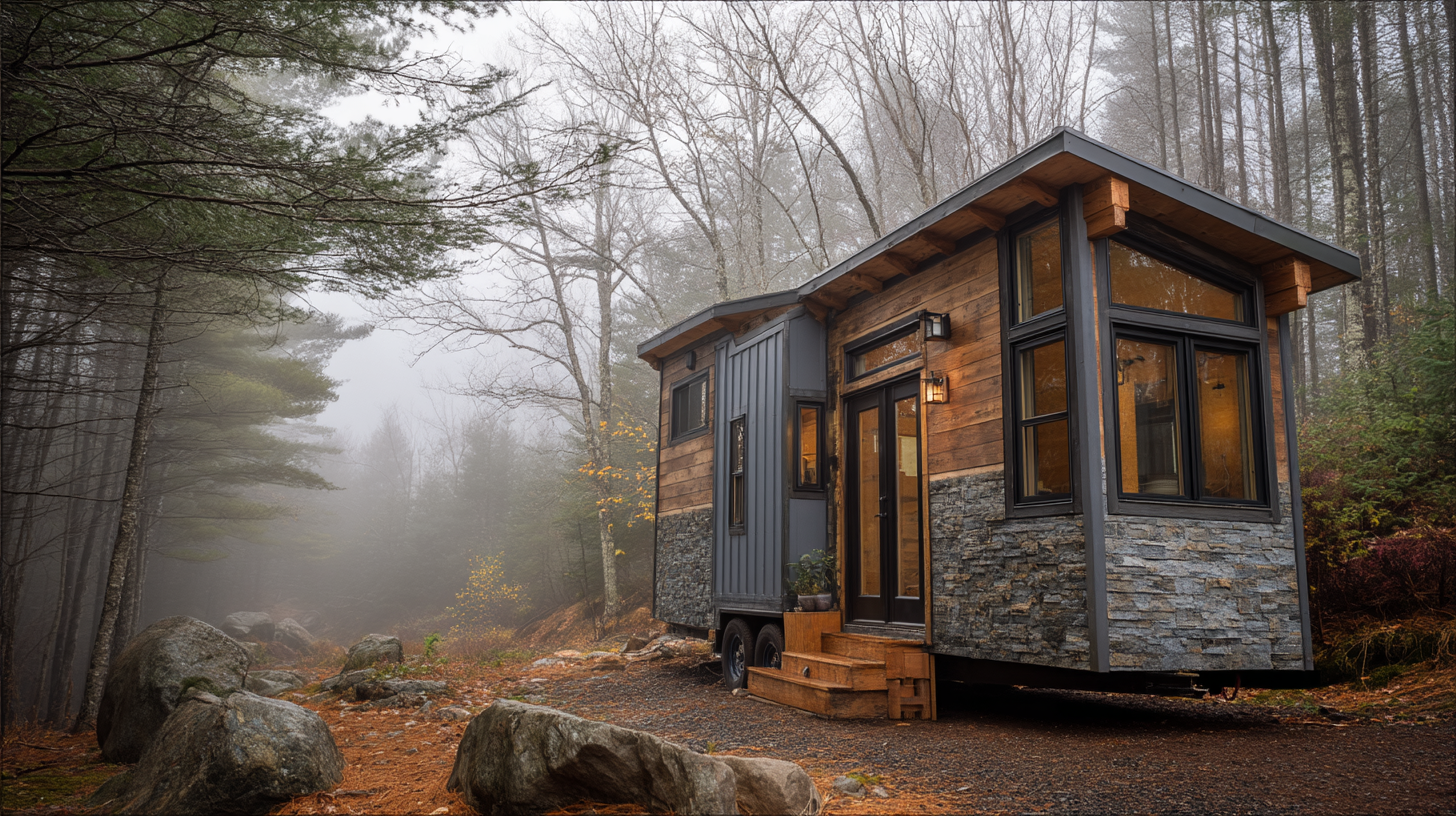
Renting out an ADU creates new financial responsibilities and protections:
- Rental income must be reported on your state and federal tax returns
- You may qualify for tax deductions on expenses related to the ADU, such as repairs, interest, and depreciation
- Your property taxes could increase if the ADU substantially improves the property value
- You should update your homeowner’s policy or get landlord insurance that includes liability coverage in case of legal implications or tenant disputes
If you manage or participate in corporate housing, or if you sign a master lease to a company that manages corporate housing, you’ll want to understand your responsibilities as a landlord and ensure your ADU complies with all applicable rental laws
Benefits of Long-Term ADU Rentals
While short-term rentals may be restricted, long-term rentals offer many advantages:
- More stable, responsible tenants
- Lower turnover and vacancy rates
- Better compliance with city ordinances
- Income that supports your monthly mortgage payments or future retirement plans
At Golden State ADUs, we specialize in building ADUs designed for long-term occupancy, with features renters look for like in-unit laundry, private outdoor spaces, and proximity to amenities, all of which make it easier to attract tenants and increase your return on investment.
How Golden State ADUs Helps You Stay Compliant
We’re more than a contractor, we’re your full-service partner for everything from feasibility and design to construction and permitting. Our team ensures your ADU is built right, meets local laws, and is ready to rent from day one.
We can also refer you to legal and financial professionals who can help you structure your lease, understand rental laws, and protect your interests as a landlord.
Whether you live in Sacramento, Roseville, San Diego, or anywhere in between, Golden State ADUs can help you navigate the path to successful, legal, and profitable ADU renting.
Frequently Asked Renting Out an ADU in California Questions
Can I Airbnb my ADU?
Not in most cases. Short-term rentals under 30 days are restricted under state law, and many cities ban them entirely.
Do I have to live on the property to rent my ADU?
No. As of 2025, owner occupancy requirements have been permanently removed.
How much rent can I charge for an ADU?
That depends on your local market and whether your ADU is subject to rent control. Many newly built units are exempt and allow you to set market-based pricing.
Are garage conversions allowed as ADUs?
Yes, as long as the unit is fully permitted, meets building and safety codes, and has a legal certificate of occupancy.
What kind of lease should I use for long-term ADU rentals?
Use a written rental agreement with clear terms: lease duration (30+ days), monthly rent, maintenance duties, and any house rules. Make sure it follows California rental laws and includes fair housing language.
Can I rent out both the ADU and the main residence?
Yes. California no longer requires you to live on the same property, so you can rent out both the ADU and main house, increasing your potential rental income.
Do I need a business license to rent out my ADU?
In some cities like San Diego, yes. Check your local zoning office to see if a business license or landlord registration is required for ADU rentals.
What features help attract tenants to an ADU?
Desirable features include in-unit laundry, a parking space, private entry, and modern finishes. These help you lease faster and command higher monthly rent.
Final Thoughts
So, are there any restrictions on renting out an ADU in California? Yes, but none that should stop a well-informed homeowner. By complying with rental duration laws, permit requirements, and lease regulations, you can safely and legally rent out your ADU, whether it’s a backyard cottage, garage conversion, or junior accessory dwelling unit.
Golden State ADUs is here to help you every step of the way, from design to construction to rental-readiness, so you can focus on earning rental income, building property value, and creating more livable, flexible housing in your community.
Ready to build or rent out your ADU in California? Contact Golden State ADUs today to get started with a free consultation.