

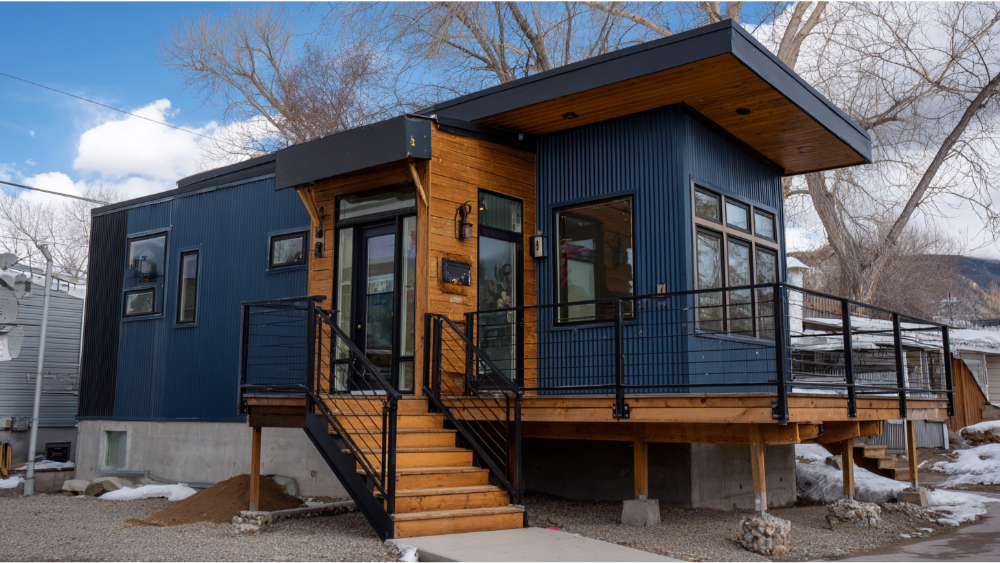
When homeowners start researching what climates are best suited for tiny home living, especially within the tiny house movement, one of the most important discoveries is how strongly climate shapes daily comfort, energy efficiency, and long-term livability. The phrase what climates are best suited for tiny home living is not just a design question; it is a foundational planning decision that influences every part of a tiny house or tiny home build.
Tiny homes respond quickly to changes in heat, cold, humidity, sun exposure, and weather because there is less square footage of living space to buffer those shifts compared to a traditional house. In tiny living, temperature changes are felt almost immediately, which means insulation, air sealing, and ventilation systems must be carefully designed from the start.
A tiny home can feel cozy and efficient in one season, then uncomfortable in another if it is not properly designed for its climate. This is why year-round comfort depends heavily on thoughtful design, proper insulation, and climate-aware construction strategies. Even tiny houses on wheels or permanent foundation builds must be planned around local climate conditions.
Companies like Tru Form Tiny focus on creating efficient, energy-efficient designs that respond to regional climate needs, ensuring homeowners can enjoy comfortable tiny living regardless of seasonal changes.
Energy efficiency in tiny homes depends heavily on climate. Because tiny homes have compact structures, heat loss through walls, windows, floors, and ceilings can happen quickly in cold climate conditions. In hot environments, heat gain can raise indoor temperatures rapidly.
Proper insulation, high R-value materials, and air sealing are essential to reduce energy loss and maintain stable indoor temperatures. Without these systems, heating and cooling systems must work harder, increasing energy bills and reducing efficiency.
Well-insulated walls and properly sealed roof penetrations help stabilize temperatures throughout the year. This directly improves year-round comfort and reduces strain on systems.
Humidity and moisture are major challenges in tiny living. Because the interior space is compact, everyday activities can quickly increase moisture levels. Without proper ventilation, this can lead to moisture buildup, mold risk, and poor indoor air quality.
Fresh air systems such as a heat recovery ventilator help maintain airflow while preserving energy efficiency. Air sealing is equally important because it prevents uncontrolled moisture entry while keeping conditioned air inside the home.
Proper ventilation ensures that tiny homes remain comfortable, efficient, and healthy in all climates.
Climate also impacts structural performance. In cold climate regions, snow loads place pressure on roofs and require reinforced framing. Wind, rain, and seasonal weather changes also affect durability.
Roof penetrations must be carefully sealed to prevent leaks, and construction materials must be selected to withstand local environmental conditions. Thoughtful planning ensures that tiny homes remain durable and efficient year-round.
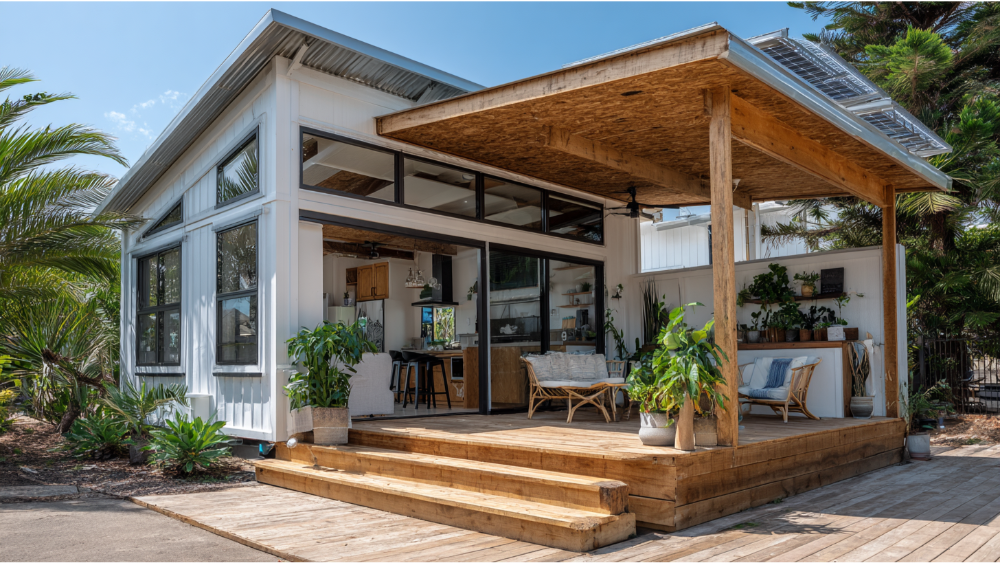
Mediterranean climates are among the most favorable environments for tiny homes and tiny houses because temperatures remain moderate throughout the year. These regions reduce the need for extreme heating systems in winter and cooling systems in summer, which improves energy efficiency and lowers energy bills.
In these climates, tiny homes benefit from natural ventilation, sun exposure, and mild seasonal shifts. Tiny living feels more stable because temperature extremes are rare, and insulation systems are not constantly pushed to their limits.
Tru Form Tiny frequently designs homes for these environments because they allow for flexible layouts, customization options, and consistent year-round comfort.
Dry climates offer advantages such as low humidity and reduced moisture concerns. Tiny houses in these environments are less likely to experience mold or moisture buildup, making them easier to maintain.
However, temperature swings between hot days and cold nights can create unique challenges. Proper insulation, air sealing, and energy-efficient design are essential. Cooling systems must be optimized for heat during the day, while heating systems must manage cooler nighttime temperatures.
Sun exposure is also a major factor, making shading and window placement critical design elements.
In wetter climates, moisture control becomes the primary focus. Constant humidity and rainfall require careful planning, especially in walls, floors, and ceilings.
Fresh air circulation is essential, and heat recovery ventilator systems help maintain indoor air quality while preserving energy efficiency. Air sealing prevents unwanted moisture intrusion, while proper insulation reduces cold spots and condensation.
In these environments, careful planning and thoughtful design are necessary to ensure long-term durability.
Hot and humid climates present unique challenges for tiny living. Heat combined with humidity increases reliance on cooling systems and ventilation.
Without proper insulation and air sealing, tiny homes can become uncomfortable during summer months. Moisture management is also critical to prevent mold and structural issues.
Energy-efficient design, shading strategies, and continuous ventilation help improve livability in these climates.
Cold climate regions are the most demanding environments for tiny homes. Subzero temperatures, snow, and long winters require advanced insulation systems and highly efficient heating systems.
Heat loss becomes a major concern through windows, walls, and floors. Foam insulation such as closed-cell spray foam can significantly improve thermal performance and reduce energy loss.
Wood stoves are sometimes used as supplemental heating systems to add warmth and cozy comfort during winter months. Snow loads also require reinforced roof structures and careful construction planning.
Without proper systems, cold climate tiny homes struggle to maintain consistent year-round comfort.
Climate influences every aspect of tiny living, from comfort to energy efficiency to durability. Tiny homes must be designed to handle heat, cold, humidity, sun exposure, and seasonal weather changes.
Air sealing, insulation, and ventilation systems work together to regulate indoor conditions. When properly designed, tiny houses become highly efficient and comfortable in nearly any climate.
However, poor planning can lead to heat loss in winter, overheating in summer, and moisture issues year-round.
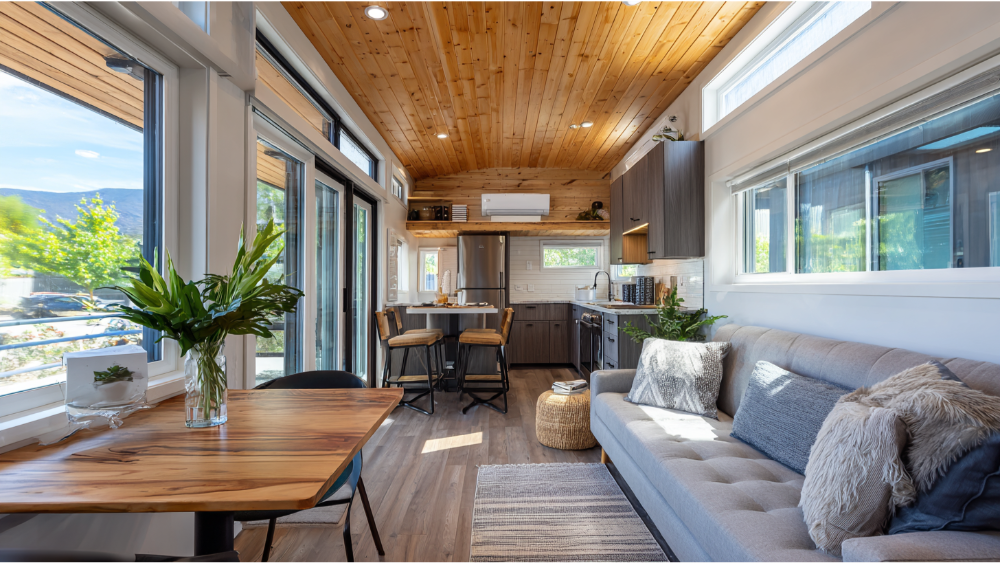
Proper insulation is one of the most important elements in tiny home construction. High R-value insulation combined with air sealing reduces heat transfer and improves energy efficiency.
These systems help maintain stable indoor temperatures and reduce energy bills over time. Proper insulation also reduces cold spots and improves overall comfort.
Windows play a major role in regulating heat and light inside a tiny home. In hot climates, windows must reduce heat gain, while in cold climates they must minimize heat loss.
Roof design also matters for snow loads, rain management, and heat exposure. Materials must be selected carefully to match environmental conditions and ensure long-term durability.
Heating systems must be efficient enough to handle cold climate conditions, while cooling systems are essential in hot environments. Ventilation systems ensure fresh air circulation and control humidity levels.
Heat recovery ventilator systems help balance efficiency and air quality, making them ideal for tiny homes in many climates.
One of the most common mistakes in tiny house living is underestimating how quickly temperatures change in a small space. Without proper insulation and air sealing, heat and cold can move through the home rapidly.
Another mistake is ignoring humidity control, which can lead to moisture buildup and mold. Poor ventilation and inadequate systems often create long-term problems.
Choosing materials without considering climate can also reduce durability. Careful planning is essential to ensure long-term success.
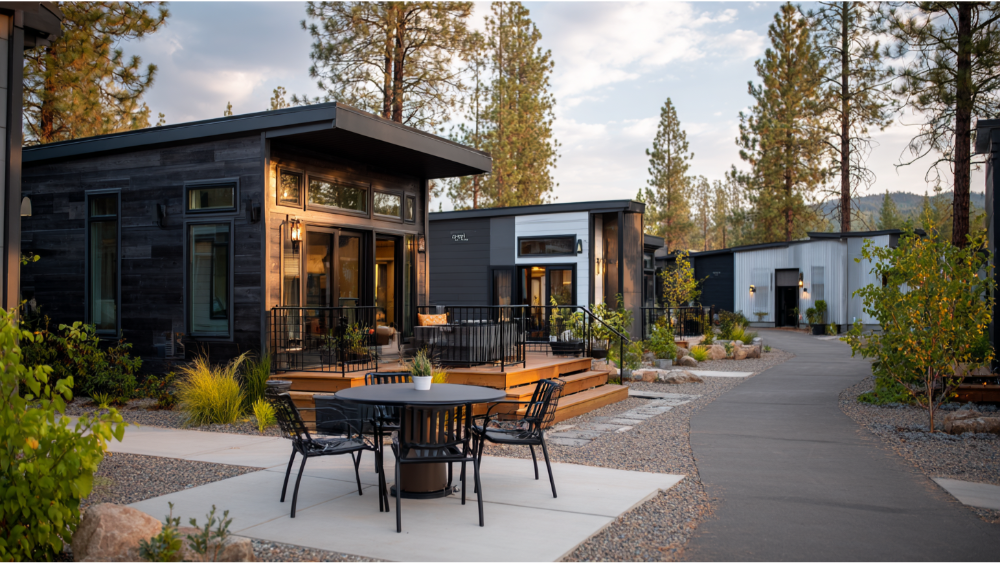
Tiny homes built on foundations generally perform better in extreme climates because they allow for stronger insulation systems, better air sealing, and more stable construction methods.
Tiny houses on wheels offer flexibility and mobility but can face limitations in insulation depth and structural durability in cold climate or hot environments.
Both options require careful design to ensure efficiency, comfort, and year-round livability.
Mild Mediterranean climates are generally best because they reduce extreme heat and cold conditions while improving energy efficiency and comfort.
Yes, but they require strong insulation, air sealing, and efficient heating systems to handle subzero temperatures and winter conditions.
They can, but only when cooling systems, ventilation, shading, and insulation are properly designed.
High humidity can cause moisture buildup and mold if ventilation and air sealing are not properly managed.
Tiny homes are energy efficient when properly designed, but climate plays a major role in performance and year-round comfort.
Understanding what climates are best suited for tiny home living is essential for long-term success in tiny living and the tiny house movement. While tiny homes can be adapted to many environments, mild climates offer the most natural advantages for efficiency, comfort, and durability.
With proper insulation, air sealing, ventilation, and thoughtful design, tiny homes can perform well in most regions. However, climate will always influence how efficiently a home manages heat, cold, humidity, and seasonal weather changes.
For homeowners exploring tiny houses or planning a custom build, working with experienced designers ensures that every system is optimized for climate performance, energy efficiency, and year-round comfort.